Why Balcony Solar Systems Are the Best Choice for Apartment Residents in 2026
Balcony Solar Systems Are Unlocking a Previously Inaccessible Urban Energy Market
For decades, the global solar industry has been built around a simple assumption: solar energy requires dedicated roof space. This assumption has shaped everything from system design to installation models, supply chains, and business strategies.
However, this model inherently excludes one of the largest and fastest-growing segments of energy consumers—urban apartment residents.
In Europe, more than 70% of the population lives in multi-family housing. In Asia, the proportion is even higher in major metropolitan areas. Despite strong interest in renewable energy adoption, these users face structural barriers that make traditional rooftop solar systems impractical or impossible.
This creates a paradox:
- Demand for clean energy is increasing
- Technology is mature and affordable
- But adoption is blocked by physical and regulatory constraints
Balcony solar systems resolve this contradiction.
They fundamentally redefine how solar energy is deployed by shifting from infrastructure-dependent systems to user-level, decentralized products.
Instead of requiring:
- Roof ownership
- Engineering design
- Professional installation
Balcony solar systems enable:
- Individual ownership
- Instant deployment
- Direct energy consumption
This shift is not incremental—it is structural.
From a market perspective, balcony solar systems do not compete with rooftop solar. They expand the total addressable market by unlocking millions of previously unreachable customers.
From Engineering Projects to Consumer Products: The Structural Shift in Solar
Traditional photovoltaic systems are project-based:
- Each installation is customized
- Requires site assessment
- Involves multiple stakeholders
- Has long sales cycles
Balcony solar systems, by contrast, are product-based:
- Standardized configurations
- Minimal customization
- Short sales cycles
- Scalable distribution
This transformation has profound implications for distributors, installers, and energy solution providers.
Why This Matters for Distributors and Solar Businesses
Balcony solar systems introduce a new category with characteristics closer to consumer electronics than traditional energy infrastructure:
- SKU-based sales instead of project sales
- Inventory-driven distribution instead of engineering pipelines
- Short decision cycles instead of long approval processes
For distributors and installation partners, this means:
- Faster turnover
- Lower operational complexity
- Reduced dependency on technical teams
This is why many industry insiders are beginning to describe balcony solar as:
“The first truly scalable retail solar product.”
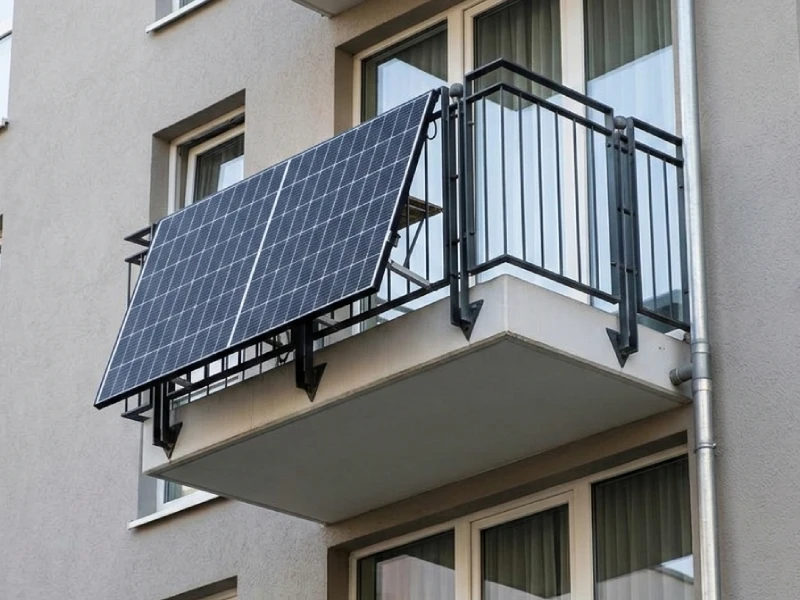
Technical Architecture of Balcony Solar Systems: Why Simplicity Works
At first glance, balcony solar systems appear simple. However, their effectiveness comes from a carefully optimized system architecture.
1. High-Efficiency PV Modules Optimized for Limited Space
Unlike rooftop installations where space is abundant, balcony systems must maximize output per square meter.
This has driven the adoption of:
- Monocrystalline PERC and TOPCon cells
- High-efficiency modules (>20%)
- Compact panel formats
These panels are designed to perform under:
- Partial shading
- Non-ideal orientation
- Limited installation angles
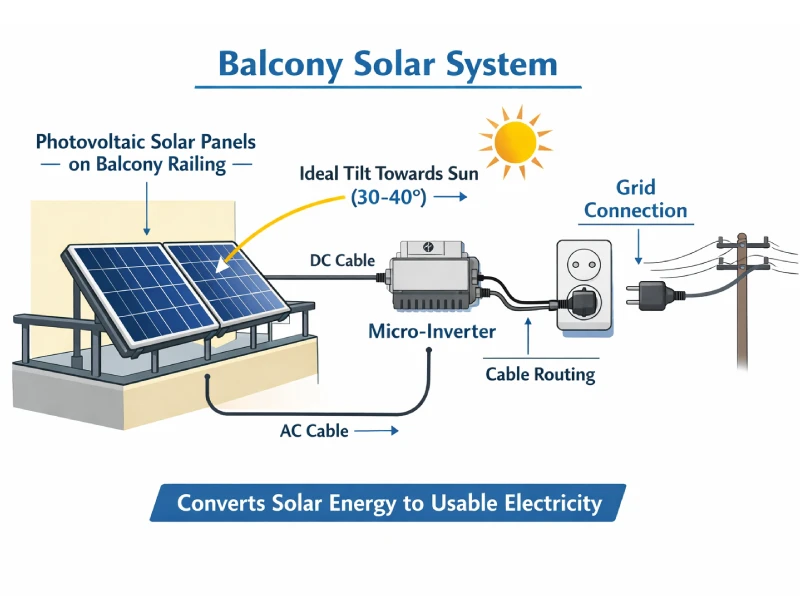
2. Microinverters as the Enabling Technology
Microinverters are critical to the success of balcony solar systems.
They allow:
- Panel-level optimization
- Independent operation
- Simplified installation
More importantly, they enable plug-and-play functionality, eliminating the need for complex electrical integration.
From a safety perspective, microinverters also provide:
- Rapid shutdown
- Grid synchronization
- Anti-islanding protection
These features are essential for compliance in developed markets.
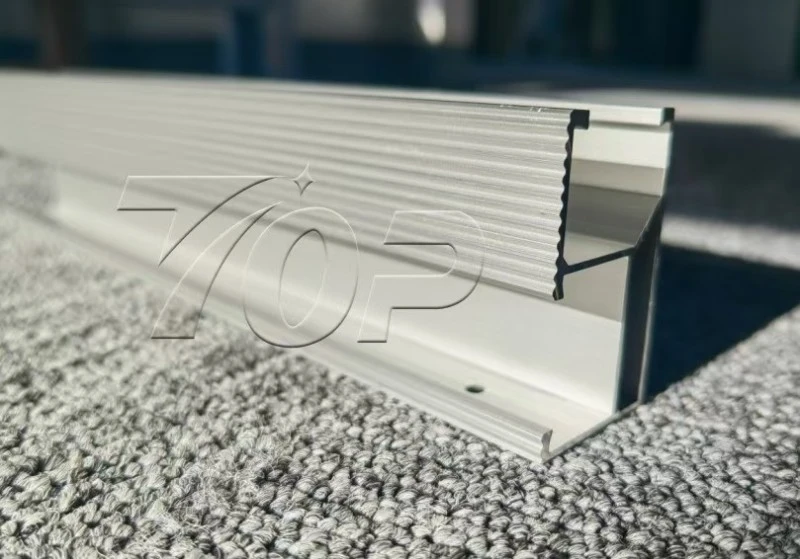
3. Mounting Systems as the Core Differentiation Factor
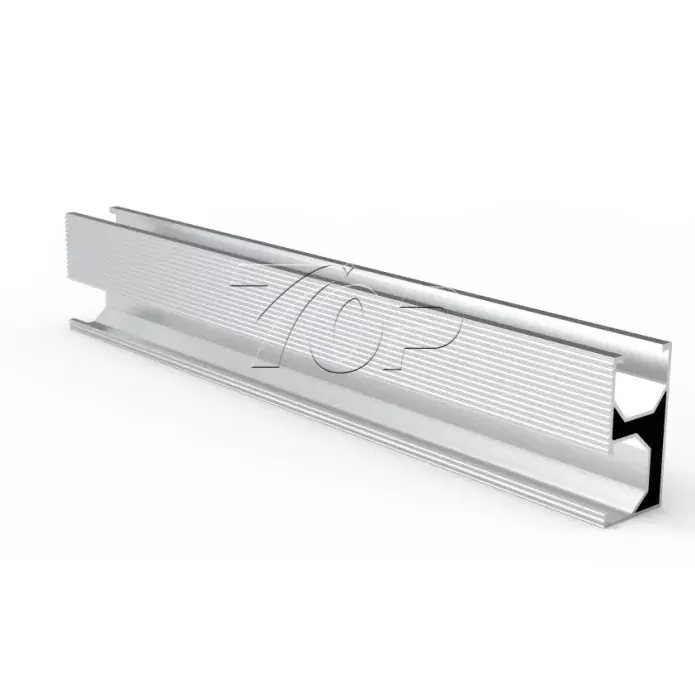
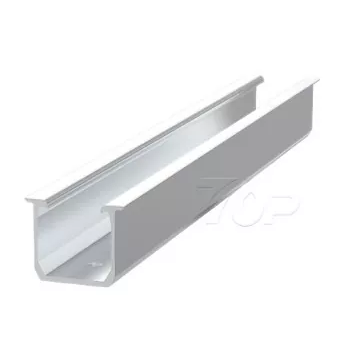
While panels and inverters are relatively standardized, mounting systems are where true product differentiation occurs.
Balcony environments vary significantly:
- Round railings
- Square railings
- Glass barriers
- Concrete walls
A high-quality mounting system must address:
- Structural stability under wind loads
- Corrosion resistance (especially in coastal regions)
- Installation flexibility
- Aesthetic integration
👉 This is where companies like TopFenceSolar can create real competitive advantage.
Unlike generic mounting solutions, specialized balcony systems must balance:
- Engineering safety
- Ease of installation
- Adaptability across global markets
4. Real-Time Energy Consumption Model
Balcony solar systems operate on a self-consumption-first principle.
Electricity generated is immediately used by household appliances. This eliminates:
- Transmission losses
- Storage dependency
- Grid complexity
The result is a highly efficient micro-generation model tailored for urban environments.
Why Balcony Solar Systems Achieve Faster Adoption Than Traditional Solar
The success of balcony solar systems is not just technical—it is behavioral.
They align with how modern consumers prefer to adopt technology:
-
Low Commitment
- No long-term contracts
- No structural changes
-
Instant Gratification
- Immediate installation
- Immediate savings
-
Control and Ownership
- Individual decision-making
- No reliance on third parties
This combination significantly reduces adoption friction.
ROI Analysis: Why Balcony Solar Systems Deliver Faster Payback for Apartment Residents
Return on investment (ROI) is the most critical factor influencing both end users and solar distributors. Unlike traditional rooftop systems that require significant upfront capital and long payback periods, balcony solar systems are engineered for rapid financial return and low entry barriers.
This is not just a pricing advantage—it is a structural economic shift.
1. Lower Initial Investment Enables Mass Adoption
Traditional residential solar systems typically require:
- $8,000 – $25,000 upfront investment
- Professional installation costs
- Permitting and engineering expenses
In contrast, balcony solar systems dramatically reduce the barrier to entry:
- $300 – $1,500 total system cost (depending on configuration)
- No professional installation required
- Minimal or no permitting in many regions
This price point transforms solar from a capital expenditure into a consumer-level purchase decision, similar to buying a home appliance.
2. Immediate Electricity Savings Through Self-Consumption
Balcony solar systems operate under a self-consumption model, meaning generated electricity is used instantly within the household.
This allows users to offset high retail electricity prices directly, which is especially valuable in regions such as:
- Germany
- Netherlands
- France
- Italy
In these markets, residential electricity prices often exceed €0.30 per kWh, significantly improving the financial return of small-scale solar systems.
3. Typical Payback Period: 2–5 Years
Due to low system cost and high electricity prices, balcony solar systems achieve much shorter payback periods compared to traditional systems.
Example scenario:
- System size: 600W
- Annual generation: ~500–700 kWh
- Electricity price: €0.30/kWh
- Annual savings: €150–€210
- System cost: €600–€1,000
Estimated payback period: 2–5 years
After this period, the system effectively generates free electricity for the remainder of its lifespan (typically 15–25 years).
4. No Dependency on Feed-in Tariffs or Subsidies
Traditional solar systems often rely on government incentives such as feed-in tariffs (FiTs) or tax credits.
Balcony solar systems, however, are economically viable without subsidies because:
- They offset high retail electricity prices directly
- They avoid grid export complexity
- They minimize administrative overhead
This independence makes them highly scalable across different regulatory environments.
Application Scenarios: How Apartment Residents Actually Use Balcony Solar Systems
Understanding real-world usage scenarios is essential for both product positioning and sales strategy. Balcony solar systems are not just theoretical solutions—they are actively used in diverse urban living environments.
1. Urban Apartments with Limited Roof Access
The most common use case is for residents who:
- Do not own their roof
- Live in multi-story buildings
- Cannot install traditional solar systems
For these users, balcony solar is the only viable entry point into renewable energy.
2. Rental Properties and Temporary Installations
Balcony solar systems are ideal for renters because they:
- Require no permanent modification
- Can be installed and removed easily
- Are portable between residences
This flexibility significantly expands the addressable market beyond homeowners.
3. High Electricity Price Regions
In markets with rising energy costs, users are highly motivated to reduce their electricity bills.
Balcony solar systems provide:
- Immediate cost savings
- Predictable energy generation
- Protection against future price increases
4. Eco-Conscious Consumers
A growing segment of users adopts balcony solar systems for sustainability reasons.
These users value:
- Reduced carbon footprint
- Energy independence
- Participation in the energy transition
For this segment, purchasing decisions are driven by both financial and environmental considerations.
How Distributors and Installers Profit from Balcony Solar Systems
Beyond end-user benefits, balcony solar systems represent a high-growth opportunity for distributors and installation partners.
1. High-Margin, High-Turnover Product Category
Compared to large-scale solar projects, balcony systems offer:
- Faster inventory turnover
- Simplified logistics
- Lower sales complexity
This makes them particularly attractive for:
- Distributors
- E-commerce sellers
- Retail chains
2. Standardized SKUs Enable Scalable Sales
Balcony solar systems can be packaged into standardized kits, including:
- PV panels
- Microinverters
- Mounting systems
- Cables and connectors
This standardization allows businesses to:
- Simplify inventory management
- Scale across multiple markets
- Reduce technical support requirements
3. Cross-Selling Opportunities with Mounting Systems
Mounting systems are not just components—they are a major profit driver.
Different balcony structures require different mounting solutions, creating opportunities for:
- Product bundling
- Upselling premium materials (e.g., aluminum, stainless steel)
- Customized solutions for specific markets
This is where specialized manufacturers like TopFenceSolar can provide significant value.
4. Expansion into Emerging Markets
Balcony solar systems are particularly well-suited for emerging markets where:
- Grid reliability is inconsistent
- Electricity prices are volatile
- Infrastructure investment is limited
Their plug-and-play nature allows rapid deployment without complex infrastructure.
Why Mounting System Quality Determines Long-Term Performance and Safety
While many buyers focus on panels and inverters, the mounting system is a critical component that directly affects system reliability and safety.
1. Structural Stability in High-Wind Conditions
Balcony installations are exposed to strong wind loads, especially in high-rise buildings.
A poorly designed mounting system can lead to:
- Panel displacement
- Structural failure
- Safety hazards
High-quality systems must undergo rigorous testing to ensure compliance with international standards.
2. Corrosion Resistance for Long-Term Durability
In coastal and humid environments, corrosion is a major concern.
Premium mounting systems use:
- Anodized aluminum
- Stainless steel fasteners
- Anti-corrosion coatings
These materials ensure long-term performance and reduce maintenance costs.
3. Installation Flexibility Across Global Markets
Balcony designs vary widely across regions, requiring adaptable mounting solutions.
A well-designed system should support:
- Multiple railing types
- Adjustable tilt angles
- Tool-free or minimal-tool installation
This flexibility is essential for global scalability.
Regulatory Landscape and Compliance: What Buyers Must Understand Before Entering the Market
While balcony solar systems are designed for simplicity, regulatory compliance remains a critical factor—especially for B2B buyers planning large-scale distribution.
Unlike traditional photovoltaic installations, balcony solar systems operate at the intersection of consumer electronics and grid-connected energy systems. This hybrid nature introduces unique compliance requirements across different markets.
1. Power Output Limits and Plug-and-Play Regulations
Many countries have introduced specific frameworks for plug-and-play solar systems, typically limiting system size to ensure grid safety.
- Germany: Common limit at 600W (moving toward 800W in policy updates)
- France: Similar small-scale system allowances
- Netherlands: Flexible adoption with smart meter integration
These limits are not barriers—they are enablers that legitimize balcony solar as a standardized product category.
2. Certification Requirements for Market Entry
To enter regulated markets, balcony solar systems must comply with multiple certification standards:
- CE marking (European Economic Area)
- TÜV certification (Germany and EU markets)
- Grid compliance standards (e.g., VDE-AR-N 4105 in Germany)
For B2B buyers, sourcing from certified manufacturers is not optional—it is essential for avoiding legal and operational risks.
3. Grid Safety and Anti-Islanding Protection
Microinverter-based systems must include anti-islanding functionality to ensure safety during grid outages.
This prevents electricity from being fed into the grid when it is offline, protecting utility workers and infrastructure.
4. Simplified Registration Processes
Many countries have streamlined registration procedures for balcony solar systems:
- Online registration portals
- Minimal documentation requirements
- No need for full engineering approval
This regulatory simplification significantly accelerates market adoption.
Product Selection Guide: How to Choose the Right Balcony Solar System for Different Markets
For distributors and project buyers, selecting the right product configuration is key to maximizing sales performance and customer satisfaction.
1. System Size Optimization
The most popular configurations include:
- 300W – Entry-level systems for small balconies
- 600W – Standard systems aligned with regulatory limits
- 800W+ – Emerging high-output systems in progressive markets
Choosing the correct system size depends on local regulations and customer energy consumption patterns.
2. Mounting System Compatibility
Mounting systems must be selected based on regional architectural characteristics:
- Europe: Metal railings and uniform balcony designs
- Asia: Concrete structures and diverse layouts
- Coastal regions: High corrosion resistance requirements
This is where working with specialized manufacturers like TopFenceSolar ensures compatibility across different markets.
3. Inverter Selection and Smart Features
Modern balcony solar systems increasingly include smart monitoring capabilities:
- Mobile app integration
- Real-time energy tracking
- Remote diagnostics
These features enhance user experience and provide additional value for premium product segments.
4. Packaging and Logistics Optimization
For B2B distribution, packaging design directly impacts logistics efficiency:
- Compact packaging reduces shipping costs
- Pre-assembled kits simplify installation
- Clear instructions reduce support requirements
Optimized packaging is a competitive advantage in e-commerce and retail channels.
Future Trends: Why Balcony Solar Systems Will Dominate Urban Energy Solutions
The rapid growth of balcony solar systems is not a short-term trend—it is part of a broader transformation in how energy is generated and consumed.
1. Decentralization of Energy Production
Energy systems are shifting from centralized power plants to distributed generation models.
Balcony solar systems represent the smallest unit of this transformation, enabling millions of micro-producers worldwide.
2. Integration with Energy Storage Systems
As battery costs continue to decline, balcony solar systems will increasingly integrate with small-scale storage solutions.
This will enable:
- Energy usage at night
- Increased self-consumption rates
- Greater energy independence
3. Smart Home and IoT Integration
Future systems will integrate seamlessly with smart home ecosystems:
- Automated energy management
- AI-driven consumption optimization
- Integration with EV charging
This convergence will further enhance the value proposition of balcony solar systems.
4. Policy Support and Market Expansion
Governments are increasingly recognizing the potential of small-scale solar systems to accelerate renewable adoption.
Expected developments include:
- Simplified regulations
- Increased system capacity limits
- Financial incentives in selected markets
These policies will further accelerate global adoption.
Why TopFenceSolar Is Positioned as a Leading Balcony Solar Mounting Solution Provider
In the rapidly evolving balcony solar market, mounting systems are not just accessories—they are critical components that determine system performance, safety, and user experience.
TopFenceSolar stands out by combining advanced engineering capabilities with scalable manufacturing.
1. Full-Range Mounting Solutions for Global Applications
TopFenceSolar offers a comprehensive portfolio designed to support:
- Different balcony structures
- Multiple installation scenarios
- Global market requirements
This flexibility enables distributors to address diverse customer needs with a single supplier.
2. Engineering-Driven Product Development
Unlike generic suppliers, TopFenceSolar emphasizes:
- Wind load testing
- Structural optimization
- Material durability
This ensures long-term reliability and compliance with international standards.
3. Scalable Manufacturing and Supply Chain Stability
For B2B buyers, supply reliability is critical. TopFenceSolar provides:
- Consistent production capacity
- Short lead times
- Quality control at scale
This makes it a dependable partner for large-volume orders.
4. Support for Customization and OEM/ODM Projects
TopFenceSolar supports tailored solutions for:
- Private labeling
- Market-specific designs
- Customized packaging
This enables partners to build differentiated product offerings in competitive markets.
Get a Free Quote for Balcony Solar Mounting Systems
Looking to expand your solar product portfolio or enter the fast-growing balcony solar market?
TopFenceSolar provides high-quality, customizable mounting solutions designed for global applications.
Whether you are a distributor, installer, or project developer, our team is ready to support your business with reliable products and professional expertise.
👉 Contact us today to get a free quote and product consultation.
References
- International Energy Agency. (2023). Renewables 2023: Analysis and forecast to 2028. IEA Publications.
- Fraunhofer Institute for Solar Energy Systems. (2023). Photovoltaics Report. Freiburg, Germany.
- European Commission. (2022). EU Solar Energy Strategy. Brussels.
- IRENA. (2023). Renewable Power Generation Costs in 2022. International Renewable Energy Agency.
Start Your Balcony Solar Project with TopFenceSolar
For apartment residents, distributors, and installers, we provide advanced balcony solar systems with plug-and-play mounting and microinverter solutions.
Get expert support on system design, installation guidance, and ROI optimization to maximize your solar adoption benefits.
Frequently Asked Questions About Balcony Solar Systems for Apartment Projects
Q1: What makes balcony solar systems ideal for urban apartment projects?
A: Balcony solar systems are compact, plug-and-play solutions that enable energy generation in apartments where roof space is unavailable. They maximize ROI by reducing installation complexity, allowing residents and property managers to adopt solar without structural modifications or lengthy approvals.
Q2: How can distributors and installers benefit from selling balcony solar systems?
A: B2B stakeholders gain faster turnover with standardized kits, reduced project management requirements, and the ability to offer scalable solutions for multiple apartments or high-rise buildings. The product category allows cross-selling of mounting accessories, inverters, and monitoring solutions.
Q3: What technical components should B2B buyers focus on when sourcing balcony solar systems?
A: Key components include high-efficiency PV panels (monocrystalline PERC or TOPCon), microinverters for panel-level optimization, and adaptable mounting systems compatible with diverse balcony designs. Smart monitoring and IoT integration can also differentiate products in the market.
Q4: Are balcony solar systems compliant with international safety and grid regulations?
A: Yes. Reputable manufacturers provide systems certified with CE marking, TÜV compliance, and anti-islanding microinverters. Systems are designed to meet local grid safety standards and typically operate under regulated output limits (e.g., 600–800W), ensuring safe, legal deployment in urban environments.
Q5: What is the typical ROI and payback period for balcony solar systems in apartment settings?
A: Due to low system costs and immediate self-consumption of electricity, payback periods are usually between 2–5 years. This is significantly faster than traditional rooftop solar, making the systems attractive for both residents and property developers seeking short-term financial returns.
Q6: How can B2B partners handle installation logistics and support for multiple units?
A: Balcony solar systems are designed as pre-packaged kits with standardized components, reducing installation time and support requirements. Distributors can provide training guides, online installation tutorials, and flexible mounting options to streamline deployment across multiple apartments or buildings.
Q7: Can balcony solar systems be customized for different markets or building types?
A: Yes. Manufacturers like TopFenceSolar offer OEM/ODM options, including custom mounting solutions for varied balcony structures, adjustable tilt angles, corrosion-resistant materials for coastal regions, and branded packaging for market differentiation.
Q8: What future trends should B2B buyers consider for balcony solar systems?
A: Key trends include integration with small-scale energy storage, smart home and IoT compatibility, increasing system output limits, and supportive government policies. Early adoption positions distributors and installers to capture a rapidly expanding urban solar market.
Related News
- The Global EPC Sourcing Checklist: Managing Lead Times and Logistics for Solar Mounting Systems
- BIPV & Commercial Rooftops: Solving Waterproofing and Structural Integrity Challenges in Urban Solar
- Navigating Solar Certifications: Why UL 2703 and International Standards Matter for Project Bankability
- Maximizing Yield with Bifacial Modules: How to Select the Optimal Tracker for Enhanced Energy Output
- Wind Load and Coastal Engineering: Ensuring Your Ground-Mounted Solar Array Survives Extreme Weather
- Aluminum vs. Galvanized Steel: Choosing the Right Solar Mounting Structure for High-Corrosivity Environments
Leave me a message