High-Wind Region PV Fence Reinforcement: Engineering Guide for EPC Contractors & Installers
Why PV Fence Reinforcement Is Critical in High-Wind Environments
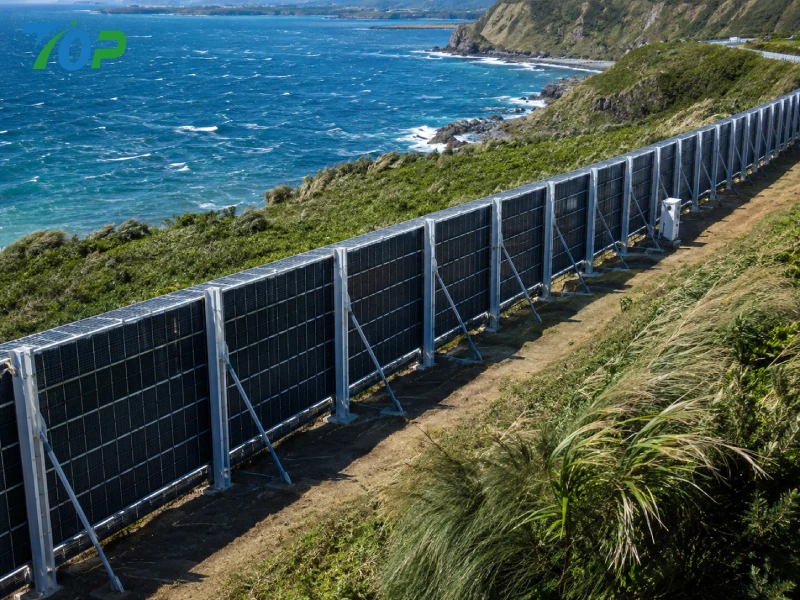
In high-risk environments such as coastal zones, open terrain, and elevated industrial sites,PV fence reinforcement is no longer optional—it is a critical engineering requirement. For EPC contractors and solar installers, inadequate structural design in high-wind regions can lead to catastrophic system failures, increased maintenance costs, and compromised project ROI. This guide provides a comprehensive, engineering-focused breakdown of PV fence reinforcement strategies tailored for high-wind conditions, helping B2B decision-makers optimize both installation efficiency and long-term reliability.
As global solar deployment expands into harsher environments, reinforced photovoltaic fencing systems must meet higher standards in wind resistance, corrosion protection, and structural integrity. Whether you are designing perimeter PV fences or integrated solar fencing systems, understanding wind load dynamics and material performance is essential for delivering durable, bankable projects.
Why PV Fence Systems Fail in High-Wind Zones (Wind Load Risk Analysis)
Common Failure Modes in Coastal & High-Wind Installations
In real-world EPC projects, PV fence failures in high-wind regions typically stem from a combination of poor structural design and underestimation of environmental loads. One of the most common issues is structural overturning, where fence posts lack sufficient embedment depth or foundation strength to resist uplift and lateral forces.
Another frequent failure mode is fastener loosening under cyclic wind loads. Continuous vibration caused by fluctuating wind pressure can gradually reduce bolt torque, especially when non-certified materials are used. This leads to progressive instability and eventual system failure.
Additionally, corrosion-related degradation is a major concern in coastal environments. Salt spray accelerates the deterioration of galvanized steel components, weakening structural integrity over time. Without proper material selection—such as SUS304 stainless steel—systems may fail prematurely, increasing lifecycle costs.
Wind Load Basics for PV Fence Structures
Understanding wind load behavior is fundamental to designing reinforced solar fencing systems. Wind pressure acting on a PV fence is not constant; it varies depending on factors such as terrain roughness, height, and turbulence intensity.
Two primary forces must be considered:
- Static wind pressure: The baseline force exerted by steady wind flow
- Dynamic wind effects: Gusts and turbulence that create fluctuating loads
In high-wind regions, gust factors significantly amplify peak loads. This means that even if average wind speeds appear manageable, short bursts of high-speed wind can exceed structural limits if not properly accounted for.
Impact on ROI: Maintenance Costs vs Initial Reinforcement Investment
From a B2B perspective, the cost implications of inadequate reinforcement are substantial. While standard PV fencing systems may offer lower upfront costs, they often result in higher long-term expenses due to frequent maintenance, part replacement, and system downtime.
By contrast, investing in high-wind-resistant PV fence reinforcement improves system stability, reduces failure rates, and ensures predictable performance over the project lifecycle. For EPC contractors, this translates into fewer warranty claims and stronger client trust—both critical for scaling operations and maintaining profitability.
Wind Load Calculation Standards for PV Fence Design (Technical Parameters)
Key Design Codes and Standards
Engineering-grade PV fence reinforcement must comply with internationally recognized standards to ensure safety and reliability. While PV fences are not always directly covered by module standards, several frameworks provide essential guidance:
- IEC 61215 / IEC 61730: Provide baseline requirements for PV module durability and safety
- ASCE 7: Widely used for calculating wind loads in structural design
- EN 1991-1-4 (Eurocode): Defines wind actions for buildings and structures
These standards form the foundation for calculating wind pressure, defining safety factors, and ensuring compliance in international EPC projects.
Critical Engineering Parameters
Accurate wind load calculation depends on several key parameters that must be evaluated during project planning:
- Design wind speed (m/s): Based on regional meteorological data
- Terrain category: Open fields experience higher wind exposure than urban areas
- Fence height: Taller structures are subjected to greater wind pressure
- Panel tilt angle: Influences aerodynamic behavior and load distribution
Ignoring any of these variables can result in under-designed systems that fail under real operating conditions.
Sample Wind Load Calculation Model
A simplified wind load equation used in structural design is:
Wind Pressure (P) = 0.5 × ρ × V² × Cp × Ce
- ρ = air density
- V = wind velocity
- Cp = pressure coefficient
- Ce = exposure factor
This equation highlights how wind pressure increases exponentially with wind speed. Even small increases in wind velocity can result in significantly higher loads, reinforcing the need for robust PV fence reinforcement strategies.
Recommended Safety Margins for B2B Projects
For commercial and utility-scale installations, conservative design margins are essential. Industry best practices recommend applying safety factors of at least 1.5 to 2.0 to account for uncertainties in wind behavior and material performance.
Additionally, EPC contractors should consider site-specific conditions such as:
- Proximity to coastlines (salt corrosion + high wind)
- Seasonal storm patterns (typhoons, hurricanes)
- Soil stability and drainage conditions
By integrating these factors into the design process, reinforced PV fencing systems can achieve higher reliability and lower lifecycle risk.
Structural Reinforcement Solutions for High-Wind PV Fence Systems
Reinforced Aluminum Alloy Structures vs Traditional Steel
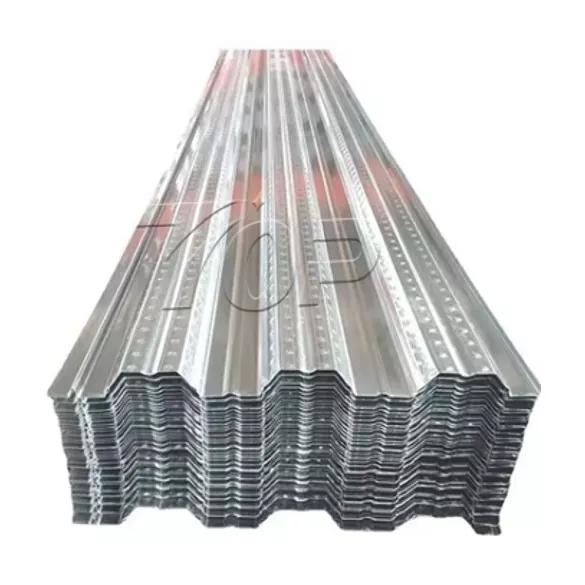
Material selection is one of the most critical decisions in PV fence reinforcement, especially in high-wind and corrosive environments. Traditional galvanized steel structures, while cost-effective in the short term, often suffer from accelerated degradation in coastal or humid regions. In contrast, high-strength aluminum alloy systems offer a superior balance between weight, corrosion resistance, and structural performance.
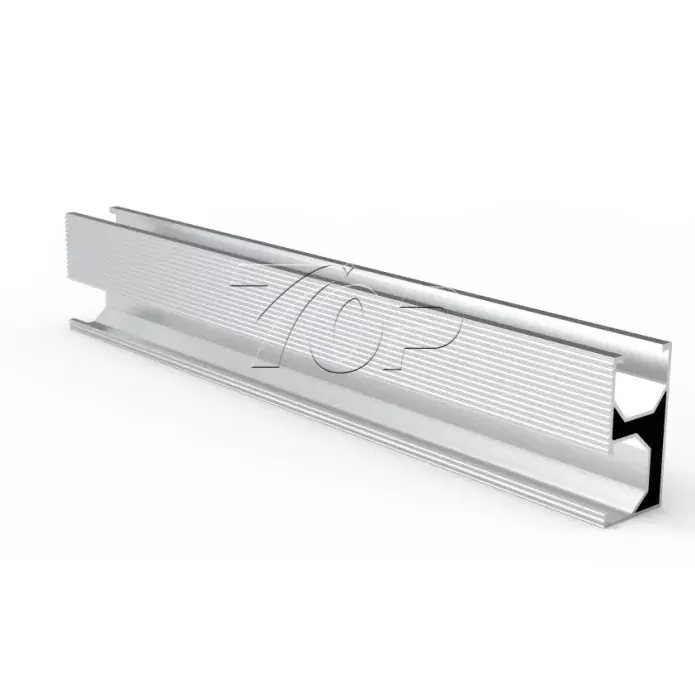
From an engineering perspective, aluminum alloy (typically 6005-T5 or 6063-T6) provides excellent tensile strength while significantly reducing dead load on the foundation. This weight reduction directly improves installation efficiency and reduces transportation costs—key considerations for EPC contractors managing large-scale deployments.
When paired with SUS304 stainless steel fasteners, aluminum structures form a corrosion-resistant system capable of withstanding salt spray environments exceeding 720 hours. Compared to hot-dip galvanized (HDG) steel, which may develop coating defects over time, this combination ensures long-term durability with minimal maintenance.
Optimized Post Design for Wind Resistance
Fence posts act as the primary load-bearing components in any solar fencing system. In high-wind regions, inadequate post design is one of the leading causes of structural failure. Reinforced PV fence systems require posts with increased wall thickness, typically ≥2.0mm, to resist bending and buckling under lateral wind loads.
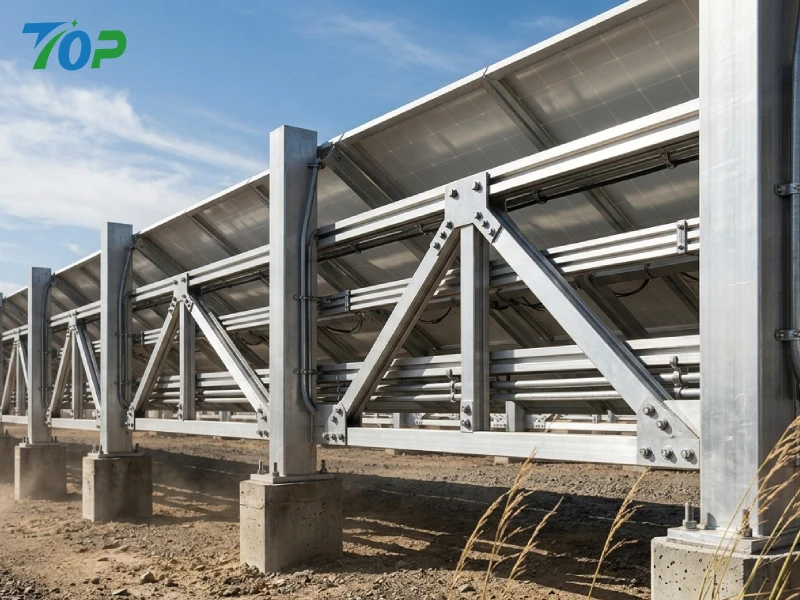
Equally important is the embedment depth. For most high-wind applications, a minimum depth of 800mm is recommended, though this can increase depending on soil conditions and wind class. Deeper embedment enhances resistance to overturning moments and uplift forces.
Advanced designs may also incorporate:
- Hat-shaped or C-shaped post profiles for improved moment of inertia
- Reinforced base plates for concrete-mounted systems
- Anti-rotation features to prevent torsional instability
Cross-Bracing & Triangular Reinforcement Design
One of the most effective ways to improve structural rigidity in wind-resistant PV fencing systems is through cross-bracing. By introducing diagonal members, loads can be redistributed across multiple structural elements, significantly reducing stress concentrations at critical نقاط.
Triangular reinforcement geometry is particularly effective because it converts bending forces into axial forces, which materials can withstand more efficiently. This design approach minimizes deformation under wind pressure and enhances overall system stability.
For EPC contractors, incorporating pre-engineered bracing modules can also streamline installation, reducing on-site fabrication time while maintaining engineering accuracy.
High-Strength Fasteners and Clamping Systems
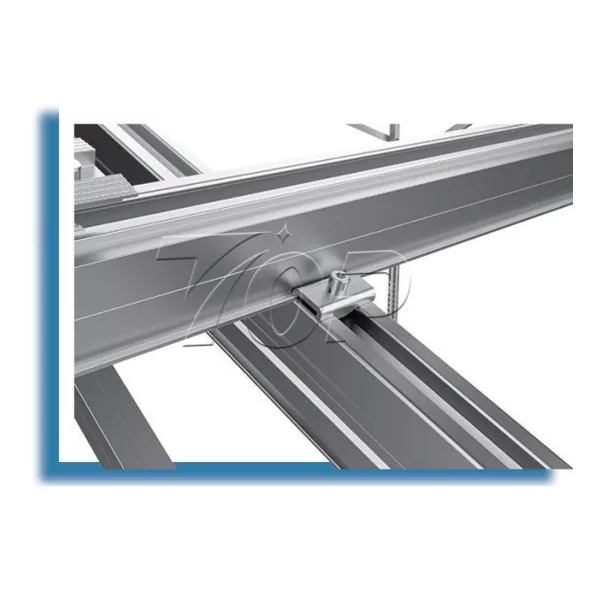
Fasteners are often overlooked, yet they play a crucial role in maintaining structural integrity under dynamic wind loads. In high-wind applications, all bolts, nuts, and clamps should be made from SUS304 or SUS316 stainless steel to ensure both strength and corrosion resistance.
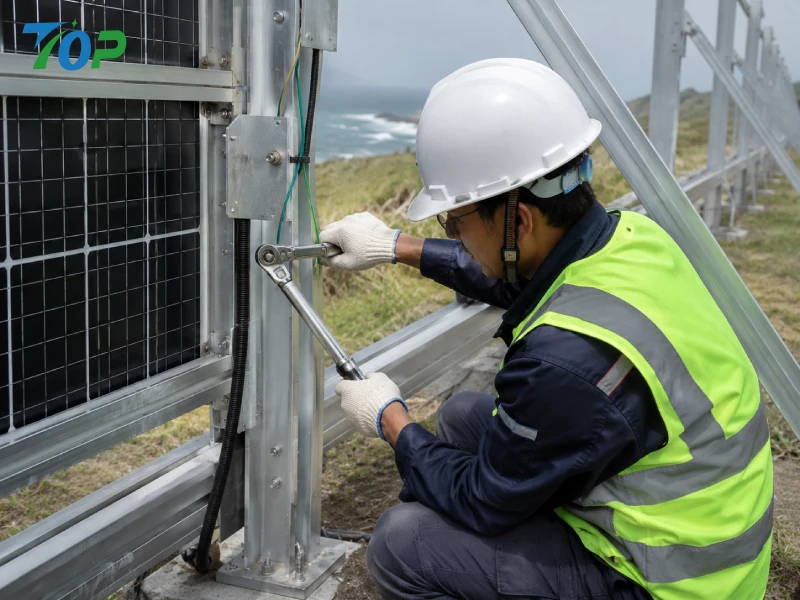
Torque control is equally important. Under-tightened bolts can loosen over time, while over-tightened fasteners may experience material fatigue. Implementing torque-controlled installation—typically using calibrated torque wrenches—ensures consistent preload across all connections.
Recommended practices include:
- Using anti-loosening washers or lock nuts
- Applying thread-locking compounds in critical connections
- Conducting post-installation torque verification
Aerodynamic Optimization
Beyond structural reinforcement, aerodynamic design plays a key role in reducing wind loads. Solid fence panels can create significant wind resistance, leading to higher الضغط on structural components. By contrast, optimized designs allow partial airflow, reducing overall load.
Effective strategies include:
- Introducing controlled spacing between panels
- Using perforated or mesh-backed fencing systems
- Adjusting panel tilt angles to minimize drag coefficients
These design optimizations not only enhance structural performance but also reduce material requirements, contributing to better cost efficiency and improved ROI.
Foundation Engineering for PV Fence Stability in Strong Wind Areas
Ground Mount vs Concrete Foundation Comparison
The choice between driven ground posts and concrete foundations has a direct impact on system stability and installation speed. Ground-mounted systems are faster to install and more cost-effective in suitable soil conditions, but may offer limited resistance in extremely high-wind zones.
Concrete foundations, while more labor-intensive, provide superior load-bearing capacity and are recommended for:
- Coastal regions with high wind exposure
- Soft or sandy soils with low bearing capacity
- Projects requiring long-term structural reliability
Soil Condition Impact (Sand, Clay, Rocky Terrain)
Soil characteristics directly influence foundation performance. Sandy soils, for example, offer poor lateral resistance and may require deeper embedment or larger concrete footings. Clay soils can provide better cohesion but may be susceptible to water-induced expansion and contraction.
Rocky terrain, while offering high bearing capacity, presents installation challenges that may require specialized drilling equipment. For EPC contractors, conducting geotechnical surveys before installation is essential for selecting the appropriate foundation design.
Recommended Foundation Depth & Diameter by Wind Class
Foundation design must be aligned with local wind classifications. As a general guideline:
- Moderate wind zones: 600–800mm embedment depth
- High-wind zones: 800–1200mm embedment depth
- Extreme wind zones (typhoon-prone): ≥1200mm with reinforced concrete
Foundation diameter should also be increased proportionally to resist uplift forces, particularly in soft soils.
Anti-Uplift Design Techniques
Uplift forces generated by high winds can compromise even well-designed structures if not properly addressed. Effective anti-uplift strategies include:
- Using anchor bolts embedded in concrete foundations
- Incorporating enlarged footing bases to increase وزن resistance
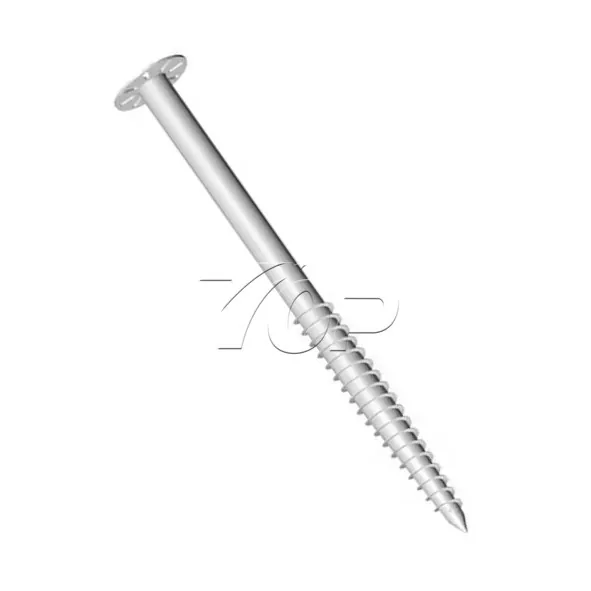
- Adding ground anchors or helical piles for additional stability
These measures are particularly important in coastal and typhoon-prone regions, where vertical wind forces can be as critical as lateral loads.
Waterproofing & Anti-Corrosion Design in Coastal High-Wind Environments
Salt Spray Resistance (≥720h Test Standard)
In coastal environments, corrosion is a primary factor affecting system lifespan. High-quality PV fence reinforcement systems must pass salt spray testing standards of at least 720 hours to ensure long-term durability.
This level of resistance is essential for preventing structural degradation and maintaining mechanical performance over time.
Material Selection: SUS304 vs SUS316 vs HDG Steel
Material choice significantly impacts corrosion resistance:
- SUS304: Standard option with excellent corrosion resistance for most environments
- SUS316: Enhanced resistance for highly corrosive coastal or industrial areas
- HDG Steel: Lower cost but reduced durability in salt-heavy conditions
For B2B buyers, selecting the appropriate material ensures optimal balance between cost and performance.
EPDM Sealing & Mechanical Compression Design
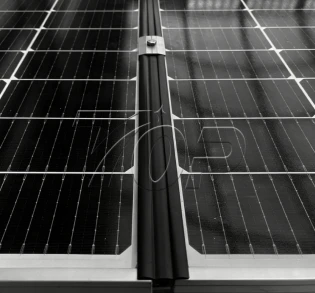
Water ingress can compromise both structural components and electrical systems. EPDM rubber sealing, combined with mechanical compression, provides reliable waterproofing for connection points and mounting interfaces.
This design ensures long-term sealing performance even under thermal expansion and contraction.
Long-Term Durability vs Maintenance Cost
While higher-grade materials and reinforcement strategies may increase upfront costs, they significantly reduce maintenance frequency and replacement needs. For EPC contractors and distributors, this translates into lower lifecycle costs and improved project profitability.
Ultimately, investing in robust PV fence reinforcement solutions is a strategic decision that enhances system reliability, minimizes risk, and delivers superior ROI in high-wind environments.
Installation Efficiency Optimization for EPC Contractors
Pre-Assembled Components to Reduce On-Site Labor
In high-wind region projects, installation efficiency is not just about speed—it directly impacts project cost, labor allocation, and risk exposure. One of the most effective strategies for improving efficiency in PV fence reinforcement systems is the use of pre-assembled components. By shifting complex assembly processes from the construction site to the factory, EPC contractors can significantly reduce on-site labor time and minimize human error.
Pre-assembled modules typically include pre-drilled aluminum rails, integrated clamps, and pre-configured post connections. This approach ensures consistent quality control and allows installation teams to focus on positioning and anchoring rather than component fabrication.
For large-scale projects, this translates into:
- Reduced installation time by 20–40%
- Lower dependence on highly skilled labor
- Improved installation consistency across multiple sites
Modular Fence Design for Faster Deployment
Modular design is a key enabler of scalable solar fencing deployment. In reinforced photovoltaic fencing systems, modularity allows standardized components to be used across different projects, improving inventory management and reducing procurement complexity.
Each module typically consists of:
- Standardized panel dimensions
- Uniform mounting interfaces
- Interchangeable structural components
This design philosophy not only accelerates installation but also simplifies maintenance and future upgrades. For distributors, modular systems improve SKU standardization, making bulk procurement more efficient and cost-effective.
Torque-Controlled Installation Workflow
In high-wind applications, improper fastening is one of the most common causes of system failure. Implementing a torque-controlled installation workflow is essential to ensure structural integrity and long-term reliability.
Best practices include:
- Using calibrated torque wrenches for all critical connections
- Defining torque specifications based on material type and bolt size
- Recording torque values as part of quality assurance documentation
This level of process control is particularly important for projects requiring certification or third-party inspection, as it provides traceability and ensures compliance with engineering standards.
Common Installation Mistakes to Avoid in High-Wind Areas
Even with high-quality materials, improper installation can compromise the effectiveness of PV fence reinforcement. Common mistakes include:
- Insufficient post embedment depth
- Ignoring soil variability across the site
- Inconsistent torque application on fasteners
- Improper alignment leading to uneven load distribution
Avoiding these issues requires a combination of proper training, standardized procedures, and on-site supervision. For EPC contractors, investing in installer education can significantly reduce rework and warranty claims.
Comparison: Standard PV Fence vs Reinforced High-Wind PV Fence Systems
Structural Strength Comparison
Standard PV fencing systems are typically designed for moderate environmental conditions and may not account for extreme wind loads. In contrast, reinforced systems are engineered with higher safety margins, thicker materials, and optimized structural geometry.
This results in significantly improved resistance to bending, uplift, and fatigue under cyclic wind loads.
Installation Time Comparison
While reinforced systems may appear more complex, their modular and pre-assembled design often results in faster installation times compared to traditional systems that require extensive on-site adjustments.
For EPC contractors, this means shorter project timelines and reduced labor costs.
Lifecycle Cost (LCOE Impact)
From a financial perspective, the choice between standard and reinforced systems has a direct impact on the Levelized Cost of Energy (LCOE). Although reinforced systems involve higher initial investment, they offer:
- Lower maintenance costs
- Reduced downtime
- Longer system lifespan
These factors contribute to a more predictable and favorable ROI over the project lifecycle.
Maintenance Frequency & Failure Rate
Standard systems in high-wind areas often require frequent inspections and repairs, increasing operational costs. Reinforced PV fencing systems, on the other hand, are designed for durability, resulting in lower failure rates and reduced maintenance frequency.
This reliability is particularly important for utility-scale projects where downtime can lead to significant revenue loss.
| Parameter | Standard PV Fence | Reinforced PV Fence |
|---|---|---|
| Wind Resistance | Low | High |
| Installation Speed | Medium | High (Modular) |
| Corrosion Resistance | Medium | High (SUS304/SUS316) |
| Maintenance Cost | High | Low |
| Project ROI | Unstable | Predictable |
Professional Installation Recommendations for High-Wind PV Fence Projects
Successful implementation of PV fence reinforcement systems in high-wind environments requires a combination of engineering precision and practical installation expertise. Based on industry best practices, EPC contractors should adopt the following recommendations:
- Conduct detailed site-specific wind load assessments before design
- Select certified materials such as SUS304/SUS316 stainless steel and TUV-tested components
- Ensure proper foundation design based on soil and wind conditions
- Implement torque-controlled installation processes
- Perform post-installation structural inspections and quality checks
Tips: For complex high-wind projects, partnering with an experienced manufacturer can significantly reduce engineering risk. Contact our technical team for customized design support, structural calculations, and project-specific optimization solutions.
Bulk Procurement Considerations for Distributors & EPC Buyers
Standardization & Inventory Compatibility
For distributors and large EPC firms, product standardization is essential for efficient inventory management. Modular PV fence reinforcement systems with interchangeable components enable better stock control and reduce the need for project-specific customization.
Certification Requirements (TUV, ISO, Material Traceability)
Certification plays a critical role in ensuring product quality and compliance. Buyers should prioritize suppliers that provide:
- TUV certification for structural components
- ISO-certified manufacturing processes
- Full material traceability documentation
These certifications not only ensure reliability but also facilitate project approvals and financing.
Cost Optimization in Large-Scale Procurement
Bulk purchasing offers significant cost advantages, but it requires careful planning. Key strategies include:
- Consolidating orders to achieve volume discounts
- Selecting standardized components to reduce SKU complexity
- Coordinating logistics to minimize transportation costs
Logistics & Packaging for Large Projects
Efficient packaging and logistics are critical for protecting materials during transportation and ensuring smooth on-site handling. High-quality suppliers provide optimized packaging solutions that reduce damage risk and improve unloading efficiency.
Why Choose TOPFENCE Solar as Your PV Fence Manufacturer
As a specialized manufacturer in photovoltaic mounting and fencing systems, TOPFENCE SOLAR delivers engineered solutions tailored for high-wind environments. With advanced aluminum extrusion technology and precision manufacturing capabilities, the company provides high-performance systems designed for durability and efficiency.
Key advantages include:
- Full-range product portfolio for diverse project needs
- Proven performance in coastal and high-wind installations
- Strong R&D capabilities with patented structural designs
- Reliable global supply chain for large-scale EPC projects
By combining engineering expertise with manufacturing excellence, TOPFENCE Solar supports EPC contractors and distributors in delivering reliable, high-ROI solar projects.
FAQ: High-Wind PV Fence System Design & Procurement
Q1 What wind speed can reinforced PV fences withstand?
Depending on design and materials, reinforced systems can withstand wind speeds exceeding 40–60 m/s when properly engineered and installed.
Q2 Is aluminum strong enough for high-wind environments?
Yes. High-grade aluminum alloys provide excellent strength-to-weight ratios and, when properly designed, can outperform traditional steel in many applications.
Q3 How deep should fence posts be installed?
Typically 800–1200mm, depending on soil conditions and wind load requirements.
Q4 What certifications should I require from suppliers?
Look for TUV certification, ISO manufacturing standards, and material traceability documentation.
Q5 How to reduce installation time without compromising safety?
Use modular, pre-assembled systems and implement standardized installation procedures with torque control.
Q6 What is the typical lifespan in coastal environments?
With proper materials and reinforcement, systems can last 20–25 years or more with minimal maintenance.
Q7 Can reinforced PV fences reduce maintenance costs?
Yes. Enhanced durability and structural stability significantly reduce the need for repairs and inspections.
Q8 How to choose between SUS304 and SUS316 materials?
SUS304 is suitable for most environments, while SUS316 is recommended for highly corrosive coastal or industrial areas.
Conclusion: Engineering Reliability Drives Long-Term ROI
In high-wind regions, PV fence reinforcement is not simply a design enhancement—it is a fundamental requirement for ensuring system safety, durability, and financial performance. By integrating advanced materials, optimized structural design, and precise installation practices, EPC contractors can significantly reduce risk and improve project outcomes.
Ultimately, the success of any solar fencing project depends on a holistic approach that balances engineering rigor with practical efficiency. Investing in reinforced systems today ensures stable performance, lower lifecycle costs, and stronger returns in the years ahead.
Build High-Wind PV Fence Systems That Last — Engineered for Stability & ROI
In coastal and high-wind environments, standard solar fencing often fails due to poor structural design and material limitations. Upgrade your projects with reinforced PV fence systems featuring deep-embedded posts, SUS304 fasteners, and wind-load-optimized structures. TOPFENCE supports EPC contractors and distributors with certified components, modular installation solutions, and project-specific engineering support to reduce risk and improve long-term performance.
Request PV Fence Reinforcement Design & Bulk Pricing
Related News
- The Global EPC Sourcing Checklist: Managing Lead Times and Logistics for Solar Mounting Systems
- BIPV & Commercial Rooftops: Solving Waterproofing and Structural Integrity Challenges in Urban Solar
- Navigating Solar Certifications: Why UL 2703 and International Standards Matter for Project Bankability
- Maximizing Yield with Bifacial Modules: How to Select the Optimal Tracker for Enhanced Energy Output
- Wind Load and Coastal Engineering: Ensuring Your Ground-Mounted Solar Array Survives Extreme Weather
- Aluminum vs. Galvanized Steel: Choosing the Right Solar Mounting Structure for High-Corrosivity Environments
Leave me a message