Why Plug-in Solar (Plug & Play PV) Is Transforming Distributed Energy: Policy, Technical Standards & B2B Engineering Guide
Why Plug-in Solar Systems Are Gaining Momentum in Distributed PV Markets
Plug-in solar systems—also known as plug & play photovoltaic systems—are rapidly reshaping the distributed solar market due to rising installation costs, tightening grid regulations, and increasing pressure on EPC contractors to deliver faster ROI. In many residential and light-commercial projects, traditional PV systems are becoming less attractive because of longer installation cycles, higher labor dependency, and more complex permitting requirements. At the same time, policy frameworks in Europe and emerging markets are accelerating the adoption of modular AC-coupled solar solutions.
This article helps EPC contractors, solar installers, and distributors evaluate how plug-in solar systems can be integrated into real-world engineering workflows, what technical limitations must be considered, and how evolving policies directly affect system design, procurement strategy, and long-term profitability.
If you are an EPC contractor, solar installer, or PV distributor facing rising installation costs and stricter grid regulations, this guide provides practical insights to help you improve deployment efficiency, reduce operational risks, and maximize project ROI.
Throughout this guide, we will analyze plug-in solar from both an engineering and B2B commercial perspective, including system architecture, policy compliance, structural reliability, and procurement strategy.
1. What Is Plug-in Solar? Engineering Definition and System Overview
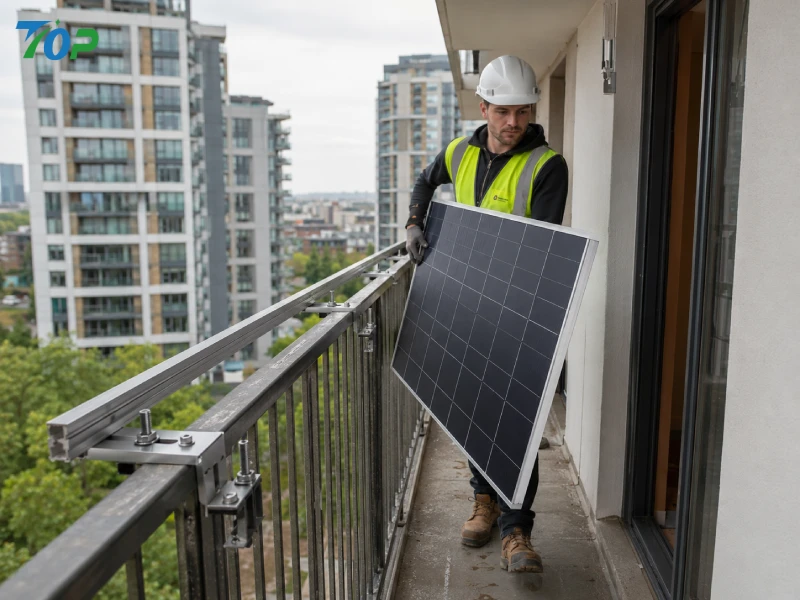
Plug-in solar systems (also referred to as plug & play PV systems or balcony solar systems) are compact photovoltaic solutions designed for direct AC connection into a building’s existing electrical circuit. Unlike traditional PV systems that rely on centralized string inverters and complex DC wiring, plug-in solar systems integrate microinverters at the module level, enabling immediate AC output.
From an engineering standpoint, these systems are optimized for simplicity, safety, and rapid deployment rather than large-scale energy production. A typical configuration includes 1–4 PV modules connected to a microinverter, which converts DC electricity into grid-compliant AC power that can be directly fed into a household socket or dedicated feed-in circuit.
1.1 Core System Components
- High-efficiency monocrystalline PV modules (400W–600W range)
- Microinverter or AC module inverter (MPPT integrated)
- Plug-compatible AC output interface (country-specific standards)
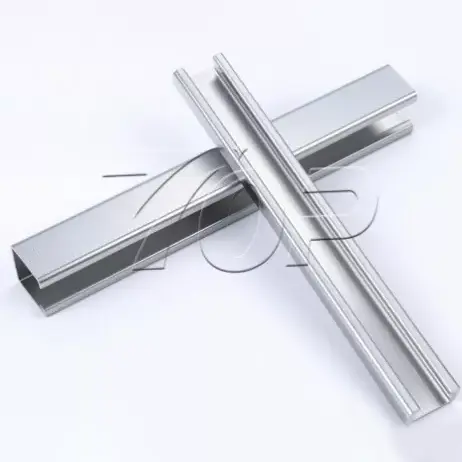
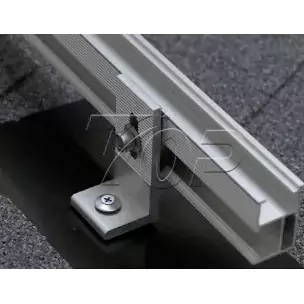
- Lightweight aluminum mounting structure (balcony, rooftop, or ballast system)
- Built-in safety mechanisms including anti-islanding protection
1.2 Electrical Architecture Compared to Traditional PV
Traditional PV systems rely on DC string architecture where multiple panels are connected in series before reaching a centralized inverter. This design introduces mismatch losses, longer installation time, and higher system complexity.
In contrast, plug-in solar systems decentralize power conversion:
- DC-to-AC conversion occurs at module level
- Each panel operates independently via microinverter logic
- System expansion is modular without redesigning the electrical architecture
This architecture significantly reduces installation engineering complexity and allows EPC contractors to deploy systems in under 2 hours in many residential scenarios.
2. Why Plug-in Solar Is Growing: Market Drivers and Industry Pain Points
The rapid adoption of plug-in solar systems is not driven by technology alone but by structural constraints in the global PV installation market. EPC contractors are facing three major challenges:
- Rising labor and installation costs
- Increasing permitting and grid compliance complexity
- Demand for faster ROI in small-scale distributed energy projects
In this context, plug-in solar offers a simplified deployment model that reduces both technical and administrative overhead.
2.1 Installation Cost Pressure in Residential PV
In many urban markets, labor costs now account for 25%–40% of total residential PV system CAPEX. Traditional rooftop installations require:
- DC cable routing and combiner box installation
- Inverter mounting and configuration
- Grid interconnection inspection and certification
Plug-in solar systems eliminate most of these steps, reducing installation time and dependency on certified electrical labor.
2.2 Regulatory Fragmentation Across Markets
Another key driver is the inconsistent regulatory environment. Some regions allow simplified plug-and-play systems under low wattage thresholds, while others impose strict grid compliance rules.
As a result, manufacturers and EPC companies must design systems that can adapt to multiple compliance frameworks while maintaining standardized hardware architecture.
2.3 ROI Optimization in Small-Scale PV
For residential and micro-commercial users, ROI is heavily influenced by installation cost rather than energy yield alone. Plug-in solar systems improve ROI by:
- Reducing upfront installation labor costs
- Minimizing permitting delays
- Enabling faster commissioning (same-day activation possible)
3. Global Policy Landscape of Plug-in Solar Systems
The expansion of plug-in solar systems is closely tied to regulatory evolution. Governments are increasingly supporting small-scale distributed energy generation to reduce grid pressure and accelerate renewable adoption.
3.1 European Market: The “Balcony Solar” Revolution
Europe, particularly Germany, Austria, and the Netherlands, has become the leading region for plug-in solar adoption. Regulatory frameworks now allow simplified registration of systems under specific wattage limits.
Key policy characteristics include:
- Simplified grid registration processes
- Reduced permitting requirements for small AC-coupled systems
- Defined export power limitations (commonly 600W–800W)
These policies are designed to promote decentralized energy generation while maintaining grid stability.
3.2 United Kingdom Regulatory Direction
The UK market is evolving under G98 and G99 compliance frameworks, which define connection standards for small-scale embedded generation systems.
Important regulatory elements include:
- Fast-track approval for small systems under defined thresholds
- Smart meter integration for export tracking
- Mandatory anti-islanding protection
3.3 Emerging Asia-Pacific Trends
In APAC regions, plug-in solar is still in early adoption stages, but pilot programs are expanding in urban residential sectors.
Key trends include:
- Gradual deregulation of micro PV systems
- Focus on grid safety and electrical certification standards
- Increased demand for modular, export-controlled systems
4. Engineering Architecture of Plug-in Solar Systems
From a technical standpoint, plug-in solar systems represent a shift from centralized energy conversion to distributed micro-conversion architecture.
4.1 System Electrical Flow
- Solar module generates DC power
- Microinverter performs MPPT optimization
- DC converted into grid-compliant AC
- AC output injected into household circuit
4.2 Key Engineering Advantages
- Reduced mismatch losses due to module-level MPPT
- Improved partial shading performance
- Enhanced system redundancy (no single inverter failure point)
4.3 Structural Integration Considerations
Mounting systems play a critical role in long-term system reliability. Engineering requirements include:
- Wind load resistance suitable for residential rooftops
- Corrosion-resistant materials such as anodized aluminum or SUS304 stainless steel
- Mechanical fastening systems designed for vibration and thermal cycling stability
Improper structural design can significantly reduce system lifespan and increase maintenance cost, particularly in coastal or high-humidity environments.
5. Early Engineering Summary
From an EPC and distributor perspective, plug-in solar systems represent a hybrid opportunity: they are not a replacement for utility-scale PV, but they are a highly efficient solution for decentralized small-scale applications.
The key engineering takeaway is that system simplification does not eliminate technical requirements—it redistributes them from installation complexity to component-level reliability and certification compliance.
6. Technical Performance Parameters of Plug-in Solar Systems
Plug-in solar systems must be evaluated not only from an installation perspective but also through strict engineering performance parameters that determine long-term reliability, grid compliance, and ROI stability. For EPC contractors and distributors, understanding these metrics is critical when selecting suppliers or designing standardized product lines.
Unlike traditional PV systems where performance is primarily determined at string and inverter level, plug-in solar systems distribute performance responsibility across module-level electronics, structural mounting systems, and AC grid interfaces.
6.1 Electrical Performance Parameters
- Microinverter efficiency: typically ≥95% under standard test conditions
- MPPT operating range: optimized for low-light and partial shading conditions
- AC output stability: voltage fluctuation tolerance aligned with local grid codes
- Frequency response: fast synchronization with grid frequency (50/60Hz)
One of the key advantages of plug-in solar systems is their ability to maintain stable output under non-ideal irradiation conditions. Module-level MPPT ensures each panel operates independently, reducing mismatch losses commonly seen in string inverter systems.
6.2 Mechanical and Structural Engineering Requirements
Structural design plays a decisive role in system longevity, especially for balcony-mounted and rooftop plug-in systems exposed to wind load and thermal cycling.
- Wind load resistance: typically designed for 120–150 km/h depending on region
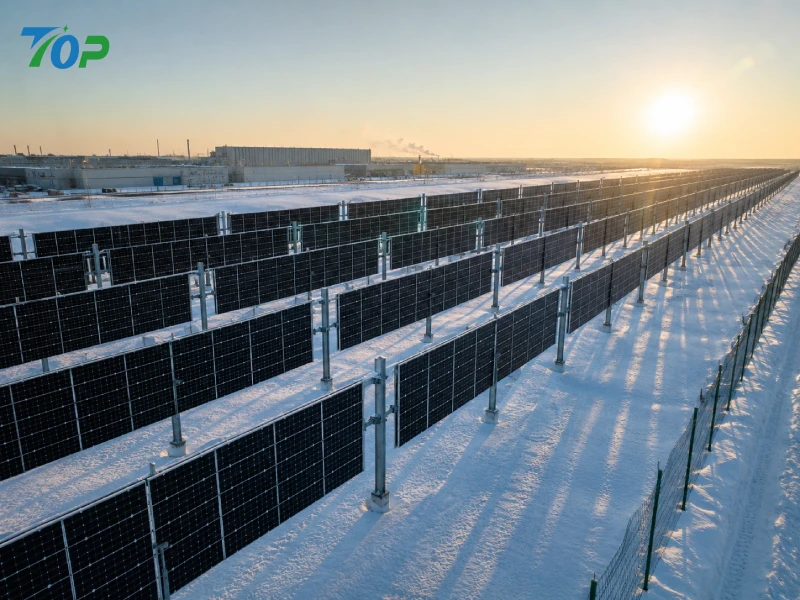
- Snow load adaptation: region-specific structural reinforcement required
- Material selection: anodized aluminum frames and SUS304 stainless steel fasteners
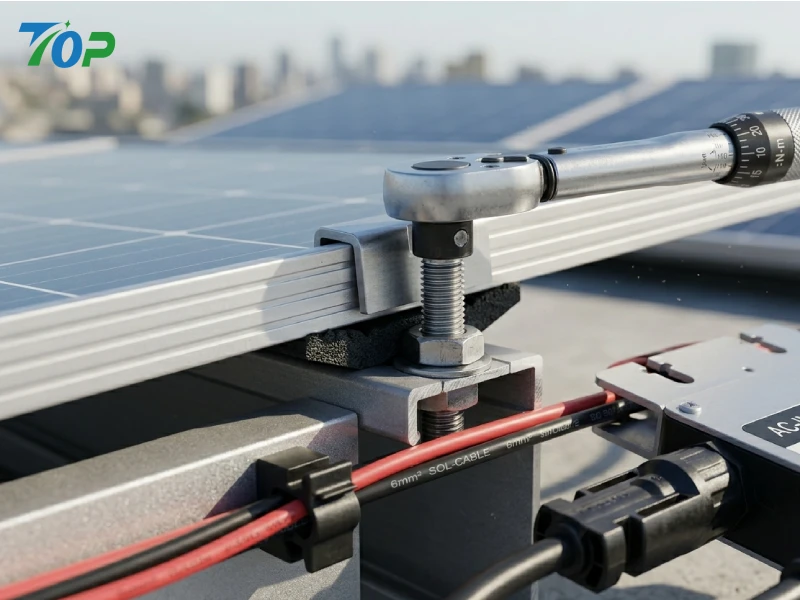
- Torque-controlled fastening: ensures long-term mechanical stability
For EPC contractors, inconsistent mounting quality is one of the most common causes of long-term system failure in distributed PV applications. Therefore, standardized structural kits are essential for scalable deployment.
6.3 Environmental Adaptability
Plug-in solar systems are often deployed in urban environments with high variability in temperature, humidity, and pollution exposure. Engineering requirements include:
- Operating temperature range: -25°C to +60°C
- IP protection rating: IP65–IP67 for outdoor components
- Salt mist resistance: critical for coastal installations
- UV resistance: long-term polymer and insulation durability
Environmental resilience is particularly important for Southeast Asia and coastal regions, where humidity and corrosion significantly accelerate material degradation if improper materials are used.
6.4 Safety and Grid Compliance Standards
- Anti-islanding protection: disconnection typically within 0.2 seconds
- Leakage current control: compliance with IEC safety thresholds
- Grounding continuity: essential for user safety and lightning protection
- Over-temperature shutdown: inverter-level thermal protection logic
From a regulatory standpoint, plug-in solar systems must comply with increasingly strict grid interconnection standards. Safety is not optional—it is a prerequisite for market access in most regions.
7. Plug-in Solar vs Traditional PV Systems: Engineering Comparison
To fully evaluate the value of plug-in solar systems, EPC contractors must compare them directly with conventional string inverter-based PV systems. The differences are not only technical but also commercial and operational.
7.1 Installation Complexity Comparison
Traditional PV systems require multiple installation stages:
- DC string design and wiring layout
- Combiner box installation
- Central inverter mounting and configuration
- Grid interconnection approval process
In contrast, plug-in solar systems reduce installation to a simplified workflow:
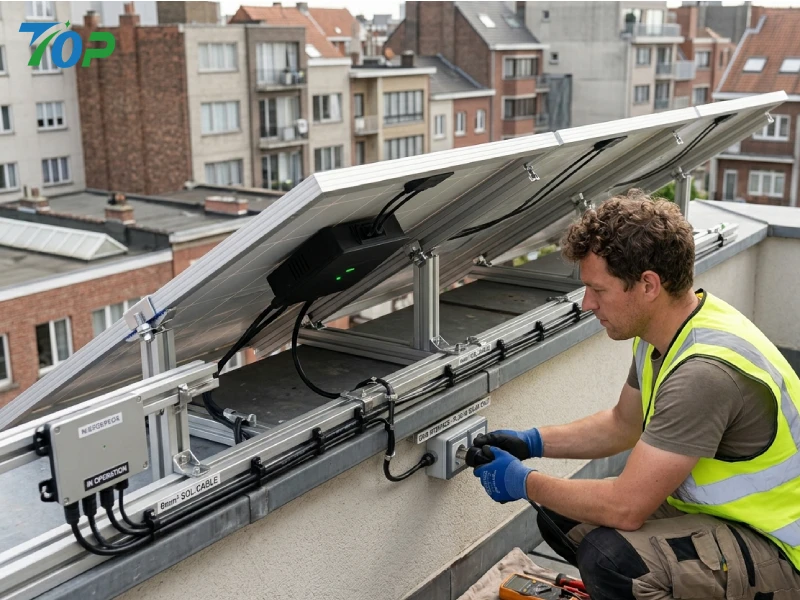
- Mount module
- Connect microinverter
- Plug AC output into approved circuit
This difference can reduce installation time by up to 70–90% in residential applications.
7.2 Cost Structure (CAPEX & OPEX) Analysis
From a financial engineering perspective, plug-in solar systems shift cost structure away from labor and toward hardware standardization.
- Lower CAPEX for installation labor
- Reduced commissioning and inspection costs
- Lower OPEX due to modular replacement capability
Traditional systems may offer slightly higher energy yield at scale, but plug-in systems often outperform in ROI for small-scale distributed applications due to drastically lower installation overhead.
7.3 Energy Yield Performance Comparison
Energy efficiency depends on system architecture:
- Plug-in solar: superior performance under partial shading due to module-level MPPT
- Traditional PV: higher efficiency in fully optimized large-scale installations
In urban environments where shading is common, plug-in systems can outperform string systems in real-world energy yield consistency.
7.4 Maintenance and Reliability Comparison
- Plug-in solar: decentralized failure model, easy module replacement
- Traditional PV: centralized inverter failure can impact entire system output
For EPC contractors, this translates into reduced after-sales service costs and improved customer satisfaction in distributed deployment markets.
8. Engineering Risks and System Limitations
Despite their advantages, plug-in solar systems are not universally applicable. EPC contractors must carefully evaluate technical constraints before deployment.
8.1 Grid Stability and Export Restrictions
One of the most significant limitations is grid export restriction. Many regions impose strict limits on how much electricity can be fed back into the grid from plug-in systems.
- Common export caps: 600W–800W per system
- Mandatory anti-backflow protection in some jurisdictions
- Smart meter integration requirements for monitoring
8.2 Power Capacity Ceiling
Plug-in solar systems are inherently designed for small-scale applications. This introduces a natural ceiling in terms of system scalability:
- Not suitable for utility-scale or industrial PV projects
- Limited economic advantage beyond residential or micro-commercial use cases
8.3 Structural and Electrical Constraints
Engineering limitations also include:
- Dependence on standardized AC plug infrastructure
- Compatibility with regional electrical codes
- Load-bearing restrictions for balcony installations
These constraints must be addressed during project planning to avoid compliance or safety risks.
9. EPC Installation Engineering Workflow Optimization
For EPC contractors, plug-in solar systems introduce a fundamentally different installation methodology focused on speed, modularity, and standardization.
9.1 Site Assessment and Pre-Engineering
- Roof structural integrity evaluation
- Shading and orientation analysis
- Electrical panel compatibility check
- Local regulatory compliance verification
9.2 Standardized Installation Workflow
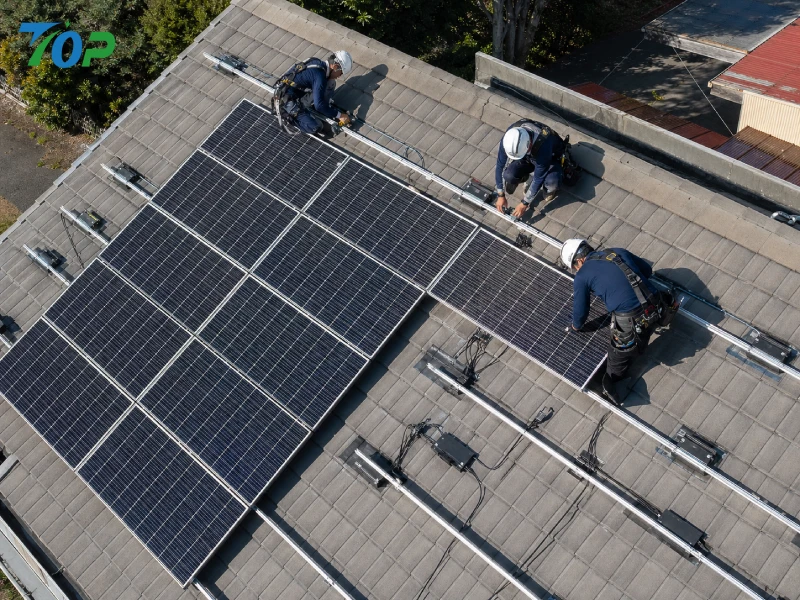
A typical optimized workflow includes:
- Pre-assembled mounting system deployment
- Module and microinverter integration
- AC plug connection and verification
- System activation and functional testing
In optimized conditions, installation can be completed within 1–2 hours per residential system.
9.3 Safety and Quality Assurance Checklist
- Grounding continuity test
- Torque verification for structural fasteners
- Waterproof sealing inspection
- Grid synchronization test
Quality control at installation stage is critical, as plug-in systems rely heavily on pre-fabricated components and standardized assembly procedures.
10. Professional Engineering Recommendations
From a professional EPC standpoint, plug-in solar systems should be positioned as a complementary solution rather than a replacement for traditional PV systems.
Recommended applications include:
- Residential balcony and rooftop PV systems
- Small office buildings and retail environments
- Energy demonstration and pilot programs
Not recommended for:
- Utility-scale solar farms
- High-load industrial facilities
- Large commercial rooftop installations requiring high capacity output
For EPC contractors, the key decision factor is not only technical feasibility but also deployment efficiency and customer ROI expectations.
EPC contractors can significantly improve project efficiency by standardizing plug-in solar system kits and aligning them with local regulatory frameworks. Professional technical evaluation is recommended before large-scale deployment.
11. Bulk Procurement Strategy for Plug-in Solar Systems
For photovoltaic distributors, wholesalers, and EPC procurement teams, plug-in solar systems introduce a new procurement logic that differs significantly from traditional PV supply chains. Instead of focusing purely on module wattage or inverter sizing, purchasing decisions now prioritize system standardization, plug compatibility, certification coverage, and logistics efficiency.
As plug & play PV adoption increases in Europe and emerging residential markets, suppliers who can provide consistent, certified, and pre-integrated system kits gain a significant competitive advantage in both pricing and market penetration.
11.1 Standardization as a Procurement Priority
- Unified microinverter and module compatibility matrix
- Standardized AC plug interface (region-specific versions required)
- Pre-tested plug-in system kits for rapid deployment
- Modular expansion compatibility across product generations
Standardization reduces integration risk for EPC contractors and simplifies warehouse inventory management for distributors, especially in multi-country distribution scenarios.
11.2 Certification Requirements for Importers and Distributors
Compliance is a critical barrier to entry in plug-in solar markets. Products must meet multiple regulatory layers before they can be legally sold or installed.
- CE certification (European conformity)
- TÜV safety and performance testing
- IEC 61215 / IEC 61730 PV module compliance
- Grid code compliance for microinverters
In addition to product certification, packaging and documentation must also align with regional regulatory expectations, including installation manuals and safety labeling.
11.3 Logistics and Cost Optimization Strategies
From a supply chain perspective, plug-in solar systems offer several advantages that reduce total landed cost for distributors:
- Compact packaging reduces container utilization cost
- Pre-assembled kits reduce on-site labor dependency
- Lower return rates due to modular replacement design
For large-scale procurement, OEM/ODM customization can further optimize pricing while maintaining compliance with target market standards.
12. ROI Analysis: Why Plug-in Solar Systems Improve Small-Scale Investment Returns
Return on investment (ROI) in distributed solar is heavily influenced by installation cost structure, energy consumption patterns, and regulatory incentives. Plug-in solar systems improve ROI primarily by reducing non-energy-related cost components.
12.1 CAPEX Reduction Drivers
- Lower installation labor cost (no DC wiring complexity)
- Reduced permitting and engineering documentation cost
- Elimination of centralized inverter infrastructure in small systems
12.2 Faster Payback Period in Residential Applications
In many residential use cases, plug-in solar systems can achieve faster payback periods compared to traditional PV due to lower upfront installation costs, even if total energy yield is slightly lower at system scale.
This is especially relevant in urban environments where electricity prices are high and installation complexity is a key cost driver.
12.3 Operational Savings and Maintenance Impact
- Reduced maintenance visits due to modular architecture
- Faster fault isolation and replacement
- Lower long-term service contract costs for EPC providers
From a lifecycle cost perspective, distributed microinverter architecture reduces system downtime risk and improves customer satisfaction in small-scale deployments.
13. Market Outlook: Is Plug-in Solar a Disruptive Technology or Transitional Solution?
The long-term role of plug-in solar systems in the global PV industry is still evolving. While they are not positioned to replace utility-scale solar farms, they are becoming a critical component of decentralized energy strategies.
13.1 Role in Decentralized Energy Transition
Plug-in systems support the transition toward distributed generation by enabling:
- Residential self-consumption optimization
- Reduced pressure on centralized grid infrastructure
- Lower barriers to renewable energy adoption in urban areas
13.2 Integration with Smart Energy Ecosystems
Future plug-in solar systems are expected to integrate with:
- Smart home energy management systems (HEMS)
- Battery storage solutions (AC-coupled micro storage)
- IoT-based energy monitoring platforms
This integration will increase system intelligence and improve overall energy utilization efficiency.
13.3 Regulatory Evolution and Scalability Constraints
Despite growth potential, scalability is still influenced by regulatory caps on system size and grid export limitations. Future policy development will determine whether plug-in systems remain niche or expand into higher-capacity residential PV segments.
14. Strategic Conclusion: Engineering, Policy, and Market Alignment
The rise of plug-in solar systems is not simply a technological shift—it is the result of converging engineering simplification, policy deregulation, and market demand for faster ROI in distributed energy applications.
For EPC contractors, the key competitive advantage lies in:
- Standardizing installation workflows for rapid deployment
- Ensuring full compliance with regional grid regulations
- Selecting structurally reliable, certified plug-in system components
For distributors, success depends on supply chain efficiency, certification readiness, and the ability to provide scalable product kits that reduce installation complexity for downstream partners.
Final Engineering Insight: Plug-in solar does not replace traditional PV systems—it expands the solar market by unlocking previously underserved residential and micro-commercial segments.
15. B2B Engineering Support & Procurement Solutions from TOPFENCE
For EPC contractors, solar installers, and distributors planning to integrate plug-in solar systems into their product portfolios, early-stage engineering validation is essential to ensure regulatory compliance, structural safety, and long-term ROI stability. As a professional photovoltaic mounting system manufacturer, TOPFENCE provides end-to-end technical and procurement support tailored for distributed PV applications.
With extensive experience in solar mounting engineering and B2B project supply chains, TOPFENCE helps partners reduce deployment risks, improve installation efficiency, and standardize system performance across different regional grid environments.
Professional Engineering & Procurement Services
- System Design Validation: Grid compliance assessment for plug-in solar integration under local electrical standards
- Structural Engineering Review: Mounting compatibility analysis for rooftop, balcony, and lightweight PV structures
- Bulk Procurement Planning: Cost optimization strategies for large-scale EPC and distributor projects
- OEM/ODM Customization: Tailored mounting system solutions for regional markets and installation scenarios
By combining advanced structural engineering capabilities with deep understanding of PV system deployment requirements, TOPFENCE ensures that every plug-in solar project achieves optimal balance between safety, efficiency, and commercial performance.
Contact TOPFENCE for Technical Consultation & Procurement Support
Tel: +86-13365923720
E-mail: nancy@xmtopfence.com
Our engineering team is available to support EPC contractors, solar installers, and distributors with technical evaluation, system integration guidance, and scalable procurement solutions for plug-in solar and broader photovoltaic mounting applications.
Optimize Your Plug-in Solar Projects with Reliable PV Mounting Engineering
Plug-in solar systems require precise structural design, certified mounting compatibility, and grid-compliant integration to ensure safe deployment and stable ROI. TOPFENCE provides professional photovoltaic mounting solutions tailored for EPC contractors, installers, and distributors.
Request Engineering & Procurement Support
Related News
- The Global EPC Sourcing Checklist: Managing Lead Times and Logistics for Solar Mounting Systems
- BIPV & Commercial Rooftops: Solving Waterproofing and Structural Integrity Challenges in Urban Solar
- Navigating Solar Certifications: Why UL 2703 and International Standards Matter for Project Bankability
- Maximizing Yield with Bifacial Modules: How to Select the Optimal Tracker for Enhanced Energy Output
- Wind Load and Coastal Engineering: Ensuring Your Ground-Mounted Solar Array Survives Extreme Weather
- Aluminum vs. Galvanized Steel: Choosing the Right Solar Mounting Structure for High-Corrosivity Environments
Leave me a message