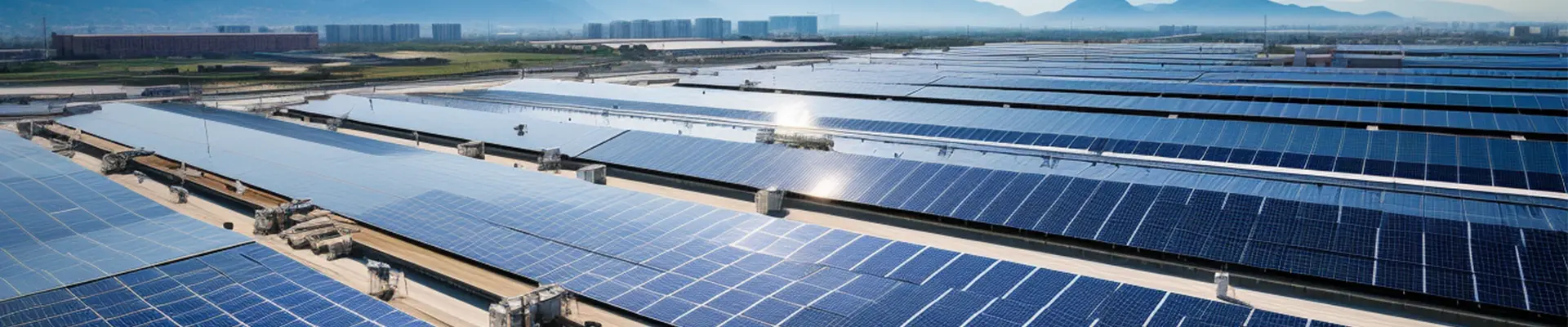
Which Solar Accessories Should You Choose to Make Your PV System Safer, Faster to Install, and Easier to Maintain?
Abstract: Solar projects rarely fail because of the panels alone. More often, small components—connectors, cables, grounding parts, clamps, labels, and protection devices—create downtime, safety risks, and rework. This guide breaks down the most practical Solar Accessories to prioritize, the common pain points buyers face (compatibility, corrosion, heat, UV exposure, inspection requirements, and supply consistency), and how to evaluate accessories for residential, commercial, and utility-scale systems. You’ll also find checklists, a comparison table, and field-tested tips that help procurement teams and installers avoid “hidden” costs over a system’s lifetime.
Table of Contents
- Outline
- Why Solar Accessories Matter More Than Most People Think
- The Most Common Buyer and Installer Pain Points
- Core Solar Accessories to Prioritize
- Quick Selection Table
- Quality Checklist Before You Place an Order
- Choosing Accessories by Site Scenario
- Maintenance-Friendly Accessories That Reduce Truck Rolls
- Sourcing and Documentation That Make Inspections Easier
- FAQ
- Closing Notes
Outline
- How small parts create big performance and safety outcomes
- Real-world friction points: mismatched connectors, corrosion, UV cracking, inspection failures, and supply gaps
- A practical breakdown of must-have Solar Accessories
- A table to match accessory choices to environment, risk, and installation speed
- A procurement checklist focused on durability, traceability, and consistency
- Scenario-based guidance: rooftop, coastal, high-heat, cold, and utility sites
- Maintenance-focused picks that reduce failures over 25+ years
- FAQ and buyer tips to avoid costly rework
Why Solar Accessories Matter More Than Most People Think
If panels are the “headline,” Solar Accessories are the “plumbing and wiring” that decide whether a PV system is a joy to install—or a permanent troubleshooting project. Accessories determine:
- Electrical integrity: stable connections, low resistance, reduced arcing risk, and predictable performance.
- Mechanical reliability: wind uplift resistance, vibration tolerance, and long-term structural stability.
- Environmental survival: UV, salt fog, humidity, freeze-thaw cycles, sand abrasion, and thermal expansion.
- Inspection and handover: labeling, grounding continuity, and documentation that makes compliance smoother.
When accessories are selected “last minute” or chosen solely by unit price, the result is often a quiet budget leak: extra labor minutes per module, unexpected replacements, warranty disputes, and avoidable downtime. Over a 20–30 year operating period, accessories that cost a little more upfront frequently save the most money.
The Most Common Buyer and Installer Pain Points
Let’s call them out clearly—these are the issues that show up repeatedly across projects:
- Connector mismatch: mixing connector types or suppliers without a verified compatibility plan can lead to high resistance, heating, and failure.
- Corrosion surprises: coastal and industrial environments punish incorrect alloys, poor plating, and untreated fasteners.
- UV and heat aging: cable ties, conduits, and insulation that look fine on day one can crack, chalk, or deform after harsh exposure.
- Grounding and bonding gaps: missing bonding jumpers, incorrect lugs, or inconsistent grounding hardware can delay commissioning.
- “Small part” stock-outs: a missing clip, end cap, or label can stop an installation line.
- Inconsistent tolerances: clamps that don’t fit rails cleanly slow crews and increase the chance of damaged modules.
- Documentation fatigue: unclear part numbers, missing test reports, and weak traceability make handover harder than it needs to be.
A strong accessories strategy addresses these pain points before the first pallet arrives on site.
Core Solar Accessories to Prioritize
Not every project needs every accessory category, but most systems benefit from a disciplined approach in these areas:
-
Connectors and junction components
- PV connectors (commonly MC4-style), branch connectors, and extension leads
- Weather-sealing considerations: gaskets, IP-rated housings, and proper crimp tooling
- Procurement tip: standardize to a verified connector ecosystem to reduce mismatch risk
-
PV cables and cable management
- UV-resistant PV wire, grounding wire, and protective conduit where required
- Cable clips, UV-rated ties, edge clips, and routing guides to prevent abrasion
- Field reality: neat cable routing reduces hot spots, animal damage, and maintenance time
-
Mounting hardware add-ons
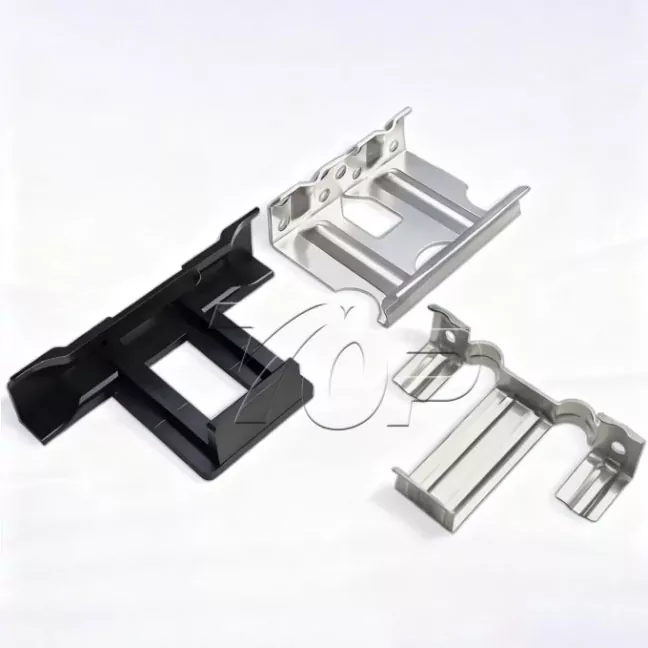
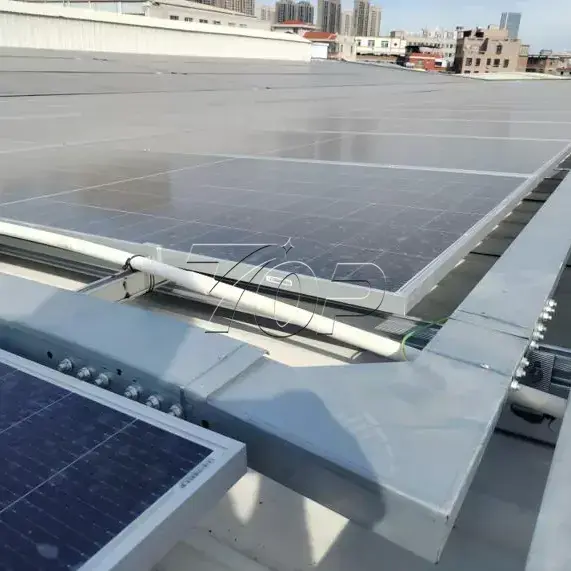
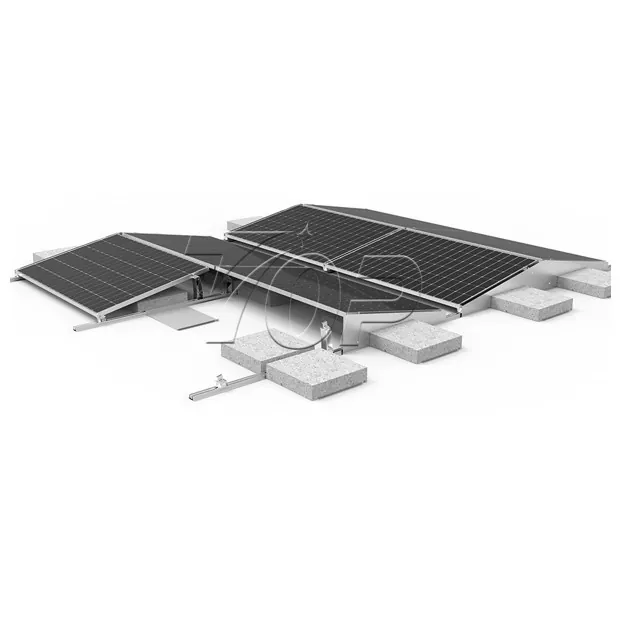
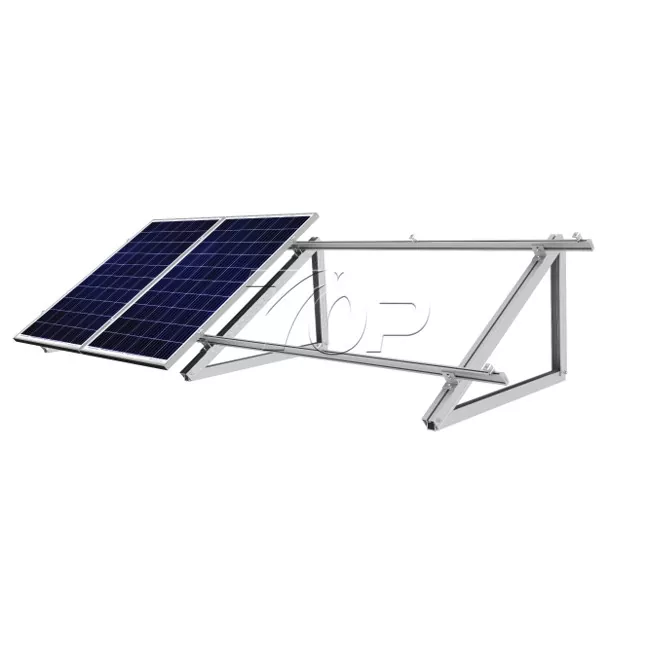
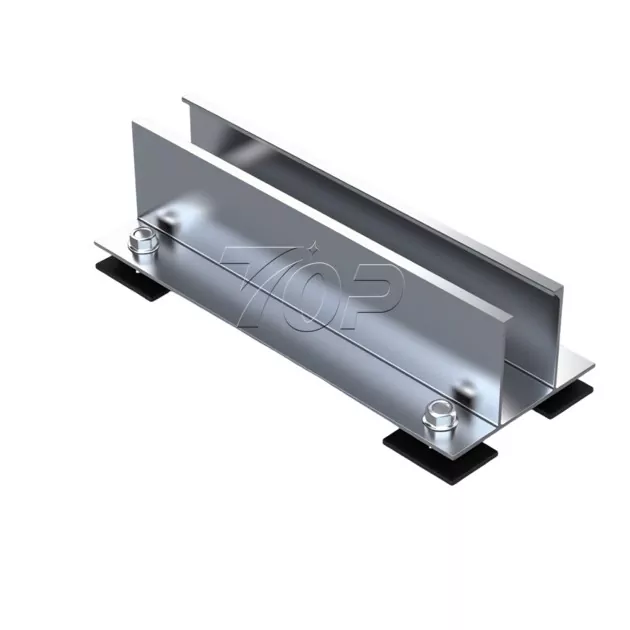
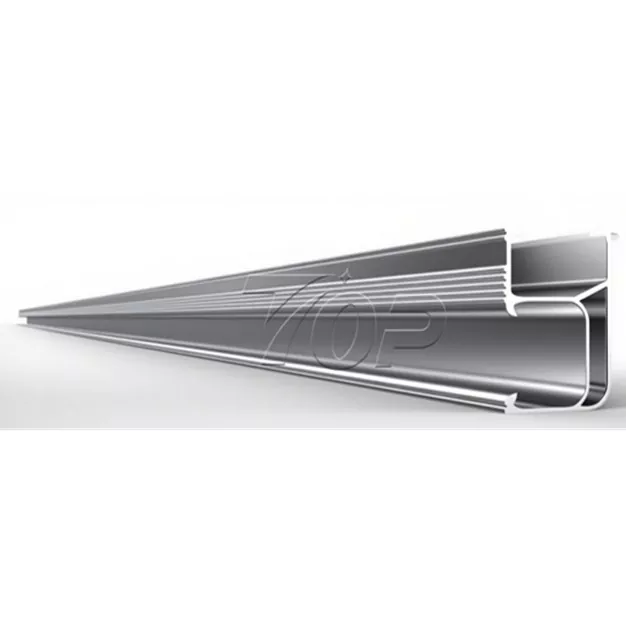
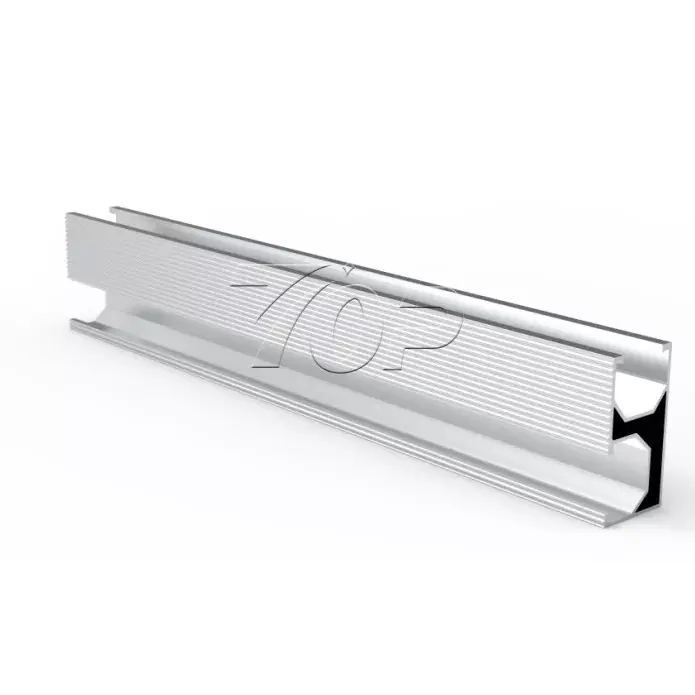
- Mid clamps, end clamps, rail splices, end caps, and fasteners
- Material choice matters: stainless steel vs. aluminum compatibility and corrosion management
- Time saver: pre-kitted clamp sets per module count reduce sorting on site
-
Grounding and bonding
- Grounding lugs, bonding jumpers, serrated washers, and grounding clips
- Continuity planning: ensure bonding across rails, modules, and equipment enclosures
- Inspection tip: consistent labeling and continuity documentation accelerates sign-off
-
Surge and protection devices
- Surge protection devices (SPD) for DC/AC side where needed
- Fuses, fuse holders, and disconnect components depending on design
- Risk lens: lightning-prone regions and long cable runs deserve extra attention
-
Monitoring and safety add-ons
- Rapid shutdown components (where mandated), optimizers, and monitoring accessories
- Signage and labels for emergency response and maintenance clarity
- Outcome: fewer mistakes during servicing and faster troubleshooting
-
Weatherproof enclosures and cable entry
- Junction boxes, combiner box accessories (as applicable), glands, and grommets
- Dust and water management: avoid “pretty on paper” parts that fail on rooftops
Solar Accessories aren’t just a shopping list—they’re a system-level risk control. Treat them like critical components, not afterthoughts.
Quick Selection Table
| Project Condition | Accessory Priorities | What to Look For | What to Avoid |
|---|---|---|---|
| Coastal / Salt Fog | Fasteners, clamps, grounding hardware | Corrosion-resistant alloys, consistent plating, compatible metals | Mixed metals without isolation, low-grade screws |
| High Heat Rooftops | Cable management, connectors, insulation | UV stability, heat-rated materials, secure strain relief | Non-UV ties, brittle plastics, weak gaskets |
| High Wind Zones | Clamps, rail splices, fasteners | Stable torque behavior, tight tolerances, uplift-focused hardware | Soft metals, inconsistent clamp fit |
| Utility / Large Arrays | Kitting, labeling, grounding continuity | Traceable part numbers, consistent batches, bulk packaging strategy | Random substitutions, unclear documentation |
| Cold / Freeze-Thaw | Seals, cable jackets, enclosures | Crack resistance, stable sealing performance, durable jackets | Plastics that become brittle, poor gasket design |
Quality Checklist Before You Place an Order
Here’s a practical checklist you can use with any supplier of Solar Accessories—it’s designed to prevent the most expensive mistakes:
- Compatibility plan: confirm connector families, crimp standards, and mating rules—don’t rely on assumptions.
- Material transparency: request clear material specs for clamps, bolts, washers, and grounding parts.
- Environmental resistance: validate UV resistance for plastics and ties, and corrosion strategy for metal parts.
- Dimensional consistency: ask about tolerance control and how fit is verified for rails and clamps.
- Traceability: ensure batch marking, part numbers, and documentation that can be tied to shipments.
- Packaging logic: accessories should arrive in a way that supports installation flow (kitting, labeling, counts).
- Tooling guidance: for connectors and lugs, confirm recommended tools and crimp verification methods.
- Spare strategy: define a small percentage of spares for high-risk items to prevent site downtime.
One small “weak link” can turn into a recurring failure. A checklist like this helps you buy calm, not chaos.
Choosing Accessories by Site Scenario
Different sites punish different parts of your system. If you’re optimizing for the real world, tailor your Solar Accessories to the environment and workflow:
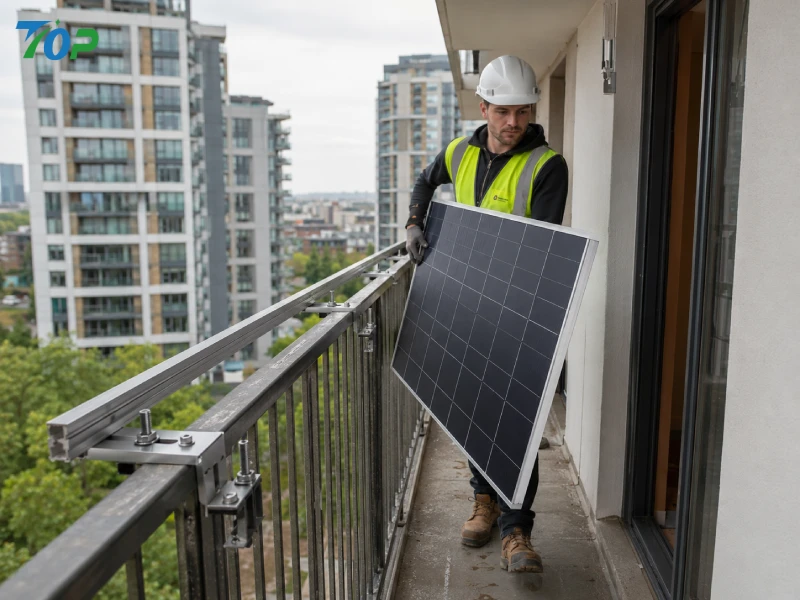
- Residential rooftops: prioritize clean cable routing, strong labeling, and accessories that reduce install time. Homeowners care about neatness and long-term reliability.
- Commercial rooftops: think in maintenance cycles—choose durable clips, predictable connector systems, and grounding hardware that makes inspections painless.
- Ground-mount and utility: standardization matters most. The right kitting, labeling, and consistent part supply reduces labor variation across crews.
- Agricultural sites: consider additional abrasion, dust, and animal exposure. Strong cable management and protective routing can dramatically reduce repairs.
- Coastal/industrial sites: take corrosion personally. Your fasteners and bonding parts should not be a “maybe.”
Even when the electrical design is correct, the wrong accessory choices can trigger repeated service calls. Matching accessories to conditions is one of the easiest ways to protect project margins.
Maintenance-Friendly Accessories That Reduce Truck Rolls
Many teams budget for replacement inverters, but forget that small accessories often cause the “mystery faults.” To reduce recurring service trips, focus on:
- Strain relief and cable protection: secure routing prevents micro-movements that loosen connections over time.
- Clearly visible labeling: faster fault isolation, fewer accidental disconnects, and smoother handovers between teams.
- Durable grounding components: consistent bonding reduces intermittent issues that are hard to diagnose.
- Weatherproof sealing integrity: gaskets, glands, and entries that keep water out prevent corrosion and short circuits.
When accessories are chosen with maintenance in mind, operations teams spend less time “hunting” and more time optimizing performance.
Sourcing and Documentation That Make Inspections Easier
It’s not just what you buy—it’s how it arrives, how it’s labeled, and how easy it is to prove what it is. This is where many accessory programs fall apart.
When working with a supplier such as Xiamen Topfencesolar Co., Ltd., the most valuable outcomes often come from process discipline:
- Clear part identification: stable naming and consistent SKUs across shipments.
- Project-friendly packaging: kitted accessories by array, roof section, or module count.
- Consistent supply: fewer last-minute substitutions that create compatibility and inspection headaches.
- Practical documentation: paperwork that helps your team, not paperwork that merely exists.
The “best” Solar Accessories are the ones your crews can install quickly, inspectors can approve confidently, and operations teams can maintain without surprises.
FAQ
Q: Are all PV connectors interchangeable if they look the same?
A: No. Similar appearance does not guarantee compatibility. Mating different connector families can increase resistance and heating risk. Standardize your connector ecosystem and follow verified compatibility rules.
Q: What causes accessory failures most often—water or heat?
A: Both, but heat and UV exposure quietly degrade plastics and cable jackets, while water intrusion accelerates corrosion and electrical faults. Good sealing and UV-stable materials reduce both risks.
Q: How do I choose accessories for coastal projects?
A: Prioritize corrosion strategy: metal selection, plating quality, and avoiding mixed-metal contact without isolation. Fasteners and bonding hardware deserve special scrutiny.
Q: What’s the simplest way to speed up installation with Solar Accessories?
A: Kitting and consistency. When clamps, fasteners, and cable clips arrive in logical counts with clear labels, crews spend less time sorting and more time installing.
Q: Do cable clips really matter that much?
A: Yes. Poor routing can cause abrasion, water pooling, and animal damage. Strong cable management reduces nuisance faults and improves long-term reliability.
Q: What should I request from a supplier before placing a large order?
A: Ask for material specs, consistency controls, part traceability, packaging plans, and practical guidance for tools and installation. This reduces rework risk and makes inspections smoother.
Closing Notes
If you want a solar project to feel “easy,” don’t leave Solar Accessories to the end. The right accessories reduce installation friction, protect performance, and prevent the kind of small failures that become expensive habits.
Whether you’re standardizing parts across multiple projects or building a custom accessory kit for a specific environment, Xiamen Topfencesolar Co., Ltd. can help you align accessory choices with real-world installation and maintenance needs—so your team spends less time reworking and more time delivering reliable PV systems. Ready to simplify your next project? Contact us to discuss the right Solar Accessories for your application.
Related News
- The Global EPC Sourcing Checklist: Managing Lead Times and Logistics for Solar Mounting Systems
- BIPV & Commercial Rooftops: Solving Waterproofing and Structural Integrity Challenges in Urban Solar
- Navigating Solar Certifications: Why UL 2703 and International Standards Matter for Project Bankability
- Maximizing Yield with Bifacial Modules: How to Select the Optimal Tracker for Enhanced Energy Output
- Wind Load and Coastal Engineering: Ensuring Your Ground-Mounted Solar Array Survives Extreme Weather
- Aluminum vs. Galvanized Steel: Choosing the Right Solar Mounting Structure for High-Corrosivity Environments
Leave me a message