Lightweight Solar Panels for Balcony Installations: Engineering Advantages, Structural Safety & EPC Buying Guide
Why Lightweight Solar Panels Are Transforming Balcony PV Installations
As urban solar adoption accelerates across Europe and Asia, lightweight solar panels for balcony installations are rapidly becoming one of the most practical photovoltaic solutions for apartment buildings, high-rise residential projects, and compact urban spaces. Compared with traditional glass photovoltaic modules, lightweight balcony solar systems offer significant advantages in structural safety, installation efficiency, waterproof reliability, and transportation convenience.
For EPC contractors and professional installers, balcony PV projects often involve complex engineering challenges. Limited load-bearing capacity, difficult high-rise logistics, wind vibration risks, and long-term waterproof performance can directly affect installation quality and after-sales maintenance costs. At the same time, solar distributors and wholesalers must evaluate certification compliance, material durability, and inventory versatility before committing to large-volume procurement.
Whether you are sourcing balcony solar mounting systems for apartment projects, evaluating non-penetrating balcony solar brackets, or comparing lightweight PV modules with conventional glass panels, understanding the engineering realities behind balcony solar installations is essential for reducing project risk and improving long-term profitability.
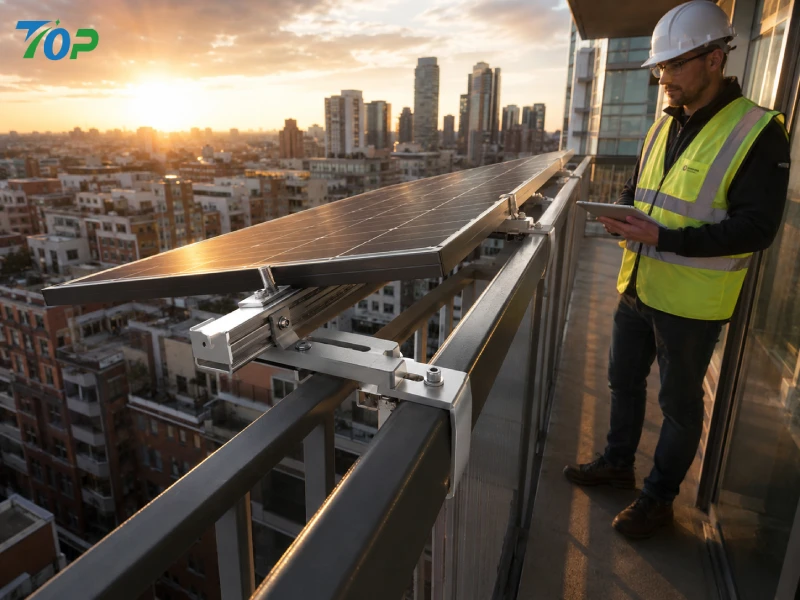
What Are Lightweight Solar Panels for Balcony Applications?
Lightweight solar panels are photovoltaic modules specifically engineered to reduce overall module weight while maintaining stable power generation performance and structural durability. Unlike traditional double-glass or framed glass solar panels, lightweight photovoltaic modules often use composite materials, polymer surfaces, or flexible structures to minimize dead load and improve installation flexibility.
In balcony PV applications, reducing system weight is especially important because residential balconies and apartment railings were not originally designed to support heavy rooftop solar systems. Excessive static load can create long-term structural stress, increase safety concerns, and complicate project approval processes.
For this reason, lightweight balcony solar systems are increasingly used in urban photovoltaic projects where installation simplicity, structural safety, and waterproof reliability are priorities.
Definition of Lightweight PV Modules
Traditional residential solar modules commonly weigh between 18kg and 25kg per panel depending on module size and glass structure. In contrast, lightweight solar panels for balcony applications can reduce module weight significantly through alternative encapsulation materials and frameless engineering designs.
Several lightweight photovoltaic technologies are currently used in balcony solar projects:
- Composite lightweight monocrystalline solar modules
- Flexible photovoltaic panels
- Thin-film solar modules
- Glass-free balcony PV modules
- ETFE-coated lightweight solar panels
Among these options, lightweight monocrystalline modules are currently the preferred solution for many EPC contractors because they offer a balanced combination of efficiency, durability, and reduced structural load.
Why Weight Matters in Balcony Solar Installations
Weight reduction is not simply a transportation advantage. In balcony photovoltaic engineering, module weight directly affects:
- Balcony structural safety
- Wind load behavior
- Mounting bracket requirements
- Installation labor efficiency
- Long-term building stress
- Waterproof system complexity
Older apartment buildings are particularly sensitive to additional static loads. Many residential balconies were designed only for normal occupancy use and light furniture placement. Adding conventional glass photovoltaic modules may require additional structural review or reinforcement, increasing both project complexity and installation cost.
By using lightweight photovoltaic modules, EPC contractors can reduce structural pressure while simplifying balcony mounting design. This improves installation feasibility in high-density urban projects where building modification options are limited.
Core Materials Used in Lightweight Balcony Solar Panels
The performance of lightweight balcony solar panels depends heavily on material engineering. High-quality lightweight PV modules typically incorporate advanced materials that maintain durability while minimizing total system weight.
Common materials include:
- ETFE Surface Layers: ETFE provides strong UV resistance, weather durability, and lightweight protection for flexible or composite solar modules.
- Polymer Composite Backsheets: These replace traditional heavy glass structures while improving flexibility and reducing transport weight.
- Aluminum Alloy Reinforcement: Lightweight anodized aluminum structures improve rigidity without adding excessive mass.
- Frameless Module Designs: Eliminating traditional aluminum frames reduces overall module weight and improves aesthetics for residential balcony installations.
For outdoor balcony applications, material quality directly affects corrosion resistance, waterproof stability, and long-term weather performance. This is especially important in coastal cities and humid urban environments where poor material selection can lead to accelerated degradation.
Typical Balcony PV Installation Scenarios
Lightweight photovoltaic systems are increasingly used across a wide range of urban residential applications. Common installation scenarios include:
- Apartment balcony railing solar systems
- High-rise residential façade installations
- Compact urban terraces
- Plug-and-play balcony solar kits
- Rental apartment solar systems
- Temporary or modular balcony photovoltaic projects
Among these scenarios, balcony railing installations remain one of the fastest-growing segments due to their simple deployment and reduced building modification requirements.
In many European markets, plug-and-play balcony solar systems have become especially popular because they allow residents to offset daytime electricity consumption without installing large rooftop arrays. Lightweight modules make these systems easier to transport, install, and secure safely on balcony structures.
Why EPC Contractors Prefer Lightweight Solar Panels for Balcony Projects
For professional solar installers and EPC contractors, the advantages of lightweight balcony solar systems extend far beyond lower module weight. Installation efficiency, structural safety, and long-term reliability all influence project profitability and customer satisfaction.
Unlike traditional rooftop solar systems, balcony photovoltaic installations are often performed in constrained urban environments where labor efficiency and installation simplicity are critical. High-rise logistics, narrow access routes, limited installation space, and strict residential safety requirements create unique engineering challenges.
Lightweight solar panels help solve many of these issues while reducing operational risks during project execution.
Faster Installation in High-Rise Residential Projects
One of the biggest advantages of lightweight photovoltaic modules is easier material handling during installation. Traditional glass solar panels are difficult to move through elevators, stairwells, and narrow apartment corridors, especially in high-rise buildings.
Lightweight modules simplify transportation and improve on-site installation efficiency by:
- Reducing lifting difficulty
- Improving single-person handling capability
- Reducing installer fatigue
- Minimizing crane or lifting equipment requirements
- Accelerating project completion schedules
For EPC contractors managing multiple residential installations simultaneously, these labor savings can significantly improve project margins.
In urban solar projects, installation speed also affects resident satisfaction. Faster balcony solar installation reduces noise disturbance, minimizes access disruptions, and lowers overall project coordination complexity.
Reduced Structural Risk for Apartment Buildings
Structural reliability is one of the most important concerns in balcony solar engineering. Excessive weight concentrated on railings or façade attachment points may create long-term stress risks, especially in older residential buildings.
Lightweight solar panels reduce these risks by minimizing:
- Dead load on balcony railings
- Long-term fatigue stress on anchoring points
- Façade structural pressure
- Potential cracking in concrete surfaces
- Mounting bracket stress concentration
This lower structural impact can simplify engineering review processes and improve acceptance rates for residential solar projects.
In many apartment projects, avoiding structural reinforcement is a major cost advantage. Lightweight balcony solar systems can help EPC contractors maintain compliance with residential building limitations while preserving installation flexibility.
Lower Waterproof Failure Risk
Waterproof reliability is one of the most overlooked factors in balcony photovoltaic installations. Improper waterproof design can result in long-term water leakage, corrosion, and costly after-sales maintenance disputes.
Traditional rooftop solar systems often rely on roof penetrations or complex anchoring systems. In contrast, lightweight balcony solar systems are more compatible with non-penetrating mounting structures that reduce waterproof risks.
Common waterproof advantages include:
- Reduced drilling requirements
- Clamp-based mounting compatibility
- Simplified sealing requirements
- Lower probability of waterproof membrane damage
- Improved drainage path management
For installers, reducing waterproof complexity directly lowers long-term warranty exposure and maintenance costs.
This is especially important in apartment projects where water leakage can affect neighboring residential units and create legal liability issues.
Improved Wind Load Performance in High-Rise Applications
Wind resistance is another critical factor in balcony solar engineering. High-rise residential buildings experience stronger wind uplift forces and turbulence compared with low-rise rooftop installations.
Lightweight photovoltaic systems can improve wind behavior when combined with properly engineered balcony mounting structures. Reduced module mass lowers overall stress on mounting hardware and helps stabilize aerodynamic performance.
However, lightweight modules alone do not guarantee wind safety. Proper engineering still requires:
- Secure fastening systems
- Wind-tested mounting brackets
- Anti-vibration clamp structures
- Accurate load calculations
- Reliable stainless steel fastening hardware
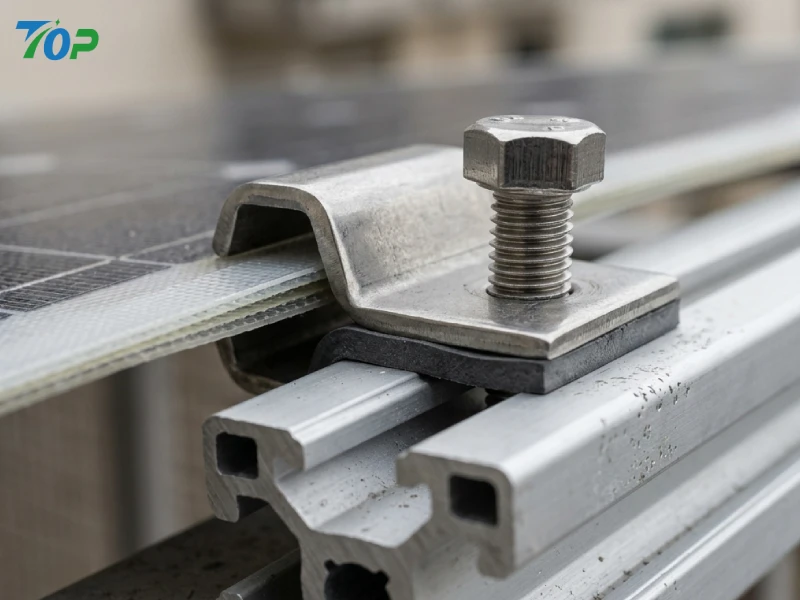
Professional EPC contractors increasingly prioritize balcony mounting systems that use SUS304 stainless steel clamps and anodized aluminum rails because these materials provide strong corrosion resistance and long-term fastening reliability.
In high-rise balcony environments, reducing vibration and preventing fastener loosening are essential for maintaining long-term structural stability.
Lightweight vs Traditional Glass Solar Panels for Balcony Use
For EPC contractors and solar distributors, choosing between lightweight photovoltaic modules and conventional glass solar panels is not simply a matter of product preference. The decision directly affects installation efficiency, project risk, transportation logistics, structural compliance, and long-term maintenance costs.
In balcony solar projects, especially those involving high-rise residential buildings, the engineering differences between lightweight modules and traditional framed glass panels become even more significant. While standard rooftop PV systems are typically installed on reinforced structures designed for long-term load distribution, balcony solar installations often operate within tighter structural limits and more restrictive installation environments.
Understanding the real-world engineering trade-offs between these two module types helps installers avoid design mistakes, reduce warranty risk, and improve project profitability.
Weight Comparison and Structural Impact
The most immediate difference between lightweight balcony solar panels and conventional photovoltaic modules is system weight.
A standard residential glass solar panel commonly weighs between 18kg and 25kg depending on module dimensions, frame structure, and glass thickness. Lightweight photovoltaic modules can reduce this weight substantially through alternative encapsulation materials and optimized structural design.
From an engineering perspective, reducing module weight provides several important advantages in balcony solar installations:
- Lower dead load applied to balcony railings
- Reduced structural fatigue over time
- Lower stress concentration at fastening points
- Improved compatibility with older apartment buildings
- Reduced reinforcement requirements
This becomes particularly important in retrofit projects where existing balcony structures may not have been designed to support heavy photovoltaic systems.
For example, older residential buildings in dense urban environments often have limited structural documentation available. In such cases, EPC contractors must take a conservative approach to load calculations. Lightweight solar panels for balcony projects provide greater flexibility because they minimize additional structural stress while simplifying approval procedures.
Weight reduction also improves safety during installation. Handling heavy glass modules on narrow balconies or elevated façades increases the risk of accidental impact damage, installer injury, or railing overload. Lightweight modules help reduce these operational risks during deployment.
Installation Efficiency Comparison
Installation efficiency has become one of the most important profitability factors for residential solar contractors. Labor shortages, rising installation costs, and tighter project schedules all increase the importance of simplified installation procedures.
Compared with traditional glass photovoltaic modules, lightweight balcony solar systems offer several installation advantages:
- Easier transportation through elevators and staircases
- Reduced need for lifting equipment
- Faster positioning and alignment
- Improved single-installer handling capability
- Reduced risk of glass breakage during installation
These advantages become especially valuable in high-rise apartment projects where rooftop crane access may be limited or prohibitively expensive.
For balcony solar installers, time savings during material transportation can significantly improve project efficiency. In many urban installations, transporting conventional glass solar modules through residential buildings can consume a substantial portion of total labor time. Lightweight modules reduce transportation complexity and allow faster deployment.
In addition, lightweight photovoltaic systems typically place less stress on mounting brackets during installation, reducing alignment difficulty and improving installation precision.
This is particularly beneficial for:
- Adjustable balcony mounting systems
- Clamp-based railing installations
- Façade-mounted solar structures
- Plug-and-play balcony PV kits
For EPC contractors managing large apartment deployment projects, even moderate installation time reductions can create meaningful improvements in labor utilization and overall project profitability.
Reliability and Durability Comparison
One common misconception in the solar market is that lighter photovoltaic modules are automatically less durable than traditional glass panels. In reality, long-term reliability depends more on engineering quality, material selection, and environmental suitability than on weight alone.
High-quality lightweight photovoltaic modules are specifically engineered for outdoor exposure and must withstand:
- UV radiation
- Rain and humidity
- Temperature cycling
- Wind vibration
- Mechanical stress
- Outdoor pollution exposure
Advanced lightweight balcony solar panels commonly use ETFE surface materials because ETFE offers strong UV resistance, weather durability, and surface flexibility. Composite backsheets and polymer encapsulation systems also help reduce cracking risks associated with mechanical vibration.
Traditional glass modules remain highly durable in many rooftop environments, but they may be more vulnerable to edge impact damage during transportation or installation in confined balcony spaces.
In balcony applications, long-term reliability also depends heavily on the surrounding mounting system. Even high-quality photovoltaic modules can experience premature issues if paired with poor-quality mounting brackets or corrosion-prone hardware.
For this reason, professional EPC contractors increasingly evaluate complete balcony PV system compatibility rather than focusing only on module specifications.
Key engineering considerations include:
- Fastening stability
- Wind-induced vibration resistance
- Corrosion resistance
- Thermal expansion compatibility
- Drainage management
- Waterproof sealing reliability
In coastal or high-humidity environments, the quality of stainless steel fasteners and aluminum mounting rails becomes especially important for long-term durability.
Transportation and Packaging Advantages
Transportation efficiency is a major operational factor for photovoltaic distributors and project developers, particularly in urban residential markets where logistics costs continue to rise.
Compared with traditional glass photovoltaic modules, lightweight solar panels for balcony projects typically offer:
- Lower freight weight
- Reduced transportation damage rates
- Simplified packaging requirements
- Easier manual handling
- Lower warehouse movement risk
Glass breakage remains one of the most common logistical problems in photovoltaic distribution. Standard glass modules require careful handling throughout shipping, unloading, storage, and site transportation. In contrast, lightweight composite modules generally provide better resistance to minor handling impacts.
For distributors managing international shipments, reducing cargo weight can also improve container utilization and reduce transportation costs.
This becomes particularly relevant in balcony PV markets where order volumes may involve smaller residential kits rather than large utility-scale pallet shipments.
In addition, lightweight balcony solar systems are often easier to store and organize in compact warehouses, improving inventory flexibility for distributors serving urban residential installers.
Cost Analysis Beyond Initial Purchase Price
Many procurement decisions focus too heavily on module purchase price alone. However, for EPC contractors, the real economic value of a balcony photovoltaic system depends on total project cost rather than component pricing in isolation.
Although some lightweight photovoltaic modules may have slightly higher unit prices compared with standard glass panels, the overall project economics can still be favorable due to operational savings in other areas.
Potential cost advantages include:
- Reduced installation labor hours
- Lower transportation costs
- Reduced structural reinforcement requirements
- Lower lifting equipment expenses
- Reduced waterproof maintenance risk
- Lower module breakage losses
In residential balcony projects, labor efficiency often has a larger financial impact than minor differences in module procurement pricing.
For example, reducing installation time per apartment unit can significantly improve profitability across large multi-unit deployment projects. Similarly, minimizing waterproof failures or post-installation structural issues can help contractors avoid expensive after-sales service costs.
Distributors also benefit from reduced transportation damage claims and more flexible inventory management when working with lightweight balcony solar systems.
Ultimately, the best photovoltaic solution depends on project-specific engineering requirements rather than simple price comparison.
Engineering Challenges in Balcony Solar Installations
Although lightweight photovoltaic systems simplify many aspects of balcony solar installation, engineering challenges still remain. Professional EPC contractors must evaluate structural behavior, waterproof reliability, wind resistance, and corrosion performance carefully before finalizing system design.
Unlike conventional rooftop solar projects, balcony photovoltaic systems operate in environments with tighter structural tolerances and greater exposure to human activity. Residential safety expectations are also significantly higher because balcony systems are installed directly adjacent to occupied living spaces.
For this reason, successful balcony PV projects require both high-quality components and well-planned engineering execution.
Wind Load Challenges in High-Rise Buildings
Wind load management is one of the most critical engineering considerations in balcony solar installations.
High-rise buildings create complex airflow behavior that differs substantially from low-rise rooftop environments. Wind acceleration around building corners, façade turbulence, and uplift pressure can all place significant stress on photovoltaic mounting systems.
Common wind-related risks include:
- Module vibration
- Fastener loosening
- Bracket deformation
- Noise generation during strong winds
- Long-term fatigue damage
Lightweight photovoltaic modules can help reduce some structural stress due to their lower mass, but proper mounting system engineering remains essential.
Professional balcony solar mounting systems should include:
- Wind-tested clamp structures
- Secure mechanical fastening points
- Anti-vibration design features
- Proper load distribution geometry
- Reliable stainless steel hardware
EPC contractors should also consider regional wind conditions during system design. Coastal cities and high-rise urban districts often require more conservative structural calculations due to increased wind exposure.
In engineering practice, inadequate fastening design is one of the most common causes of balcony photovoltaic system instability. Selecting high-quality mounting brackets and certified fastening hardware is therefore essential for long-term reliability.
Waterproofing Risks in Balcony Mounting Systems
Waterproof failure remains one of the highest-cost problems in residential solar installations. Even relatively small leaks can create serious long-term issues in apartment buildings, including interior water damage, corrosion, and disputes between neighboring residents.
Unlike rooftop solar systems, balcony PV installations are often located near doors, windows, drainage channels, and occupied living areas. This increases the importance of careful waterproof system design.
Common waterproofing mistakes include:
- Improper drilling locations
- Insufficient sealing around anchors
- Blocked drainage paths
- Poor bracket alignment
- Incompatible waterproof materials
Many professional installers now prefer non-penetrating balcony solar mounting systems whenever possible because they minimize the risk of damaging waterproof layers or concrete structures.
Clamp-based balcony mounting systems are particularly popular because they reduce drilling requirements while simplifying installation procedures.
However, even non-penetrating systems require proper engineering attention. Installers must ensure:
- Stable clamp pressure distribution
- Secure anti-slip design
- Adequate drainage clearance
- Long-term corrosion resistance
- Thermal expansion compatibility
Professional EPC contractors also increasingly use EPDM isolation pads and corrosion-resistant sealing materials to improve waterproof reliability and reduce galvanic corrosion risks.
Corrosion Risks in Outdoor Balcony Environments
Balcony photovoltaic systems operate in highly exposed outdoor environments where long-term corrosion resistance directly affects structural reliability and maintenance requirements. Compared with conventional rooftop solar systems, balcony installations are often more vulnerable to moisture accumulation, air pollution, salt spray exposure, and temperature fluctuation because of their proximity to exterior façades and residential drainage systems.
For EPC contractors and solar distributors, corrosion management should never be treated as a secondary consideration. Poor material selection can lead to premature fastening failure, bracket instability, surface oxidation, and increased warranty claims.
The most common corrosion risks in balcony solar projects include:
- Salt spray exposure in coastal cities
- Rainwater accumulation around mounting points
- Galvanic corrosion between dissimilar metals
- Surface oxidation on untreated aluminum
- Fastener degradation caused by humidity
To improve long-term durability, professional balcony solar mounting systems typically use:
- SUS304 stainless steel fasteners
- Anodized aluminum mounting rails
- EPDM isolation pads
- Anti-corrosion surface treatments
- Outdoor-rated fastening hardware
SUS304 stainless steel is widely used in balcony photovoltaic systems because it offers strong corrosion resistance while maintaining reliable mechanical strength in outdoor environments. In more aggressive coastal conditions, some projects may also require SUS316 stainless steel for enhanced salt spray resistance.
Anodized aluminum rails are equally important because untreated aluminum surfaces may gradually oxidize under long-term moisture exposure. High-quality anodization improves both corrosion resistance and surface durability while helping maintain structural integrity over time.
Another important engineering concern is galvanic corrosion. When different metals are placed in direct contact in humid environments, electrochemical reactions can accelerate material degradation. Professional balcony solar mounting systems often incorporate EPDM isolation pads or protective coatings to minimize this risk.
For long-term project reliability, installers should evaluate the entire mounting assembly rather than focusing only on individual hardware components.
Balcony Structure Irregularities and Installation Challenges
Unlike standardized utility-scale photovoltaic projects, residential balcony installations frequently involve irregular structural conditions. Balcony dimensions, railing geometries, façade materials, and installation clearances can vary significantly between buildings, even within the same apartment complex.
These irregularities create engineering and installation challenges that require flexible mounting solutions and careful site evaluation.
Common structural challenges include:
- Uneven railing dimensions
- Non-standard balcony shapes
- Limited installation space
- Curved or decorative railings
- Restricted fastening locations
- Obstacles such as air conditioning units or drainage systems
To address these issues, modern balcony solar mounting systems increasingly incorporate:
- Adjustable clamp structures
- Modular rail systems
- Flexible tilt adjustment brackets
- Multi-angle fastening components
- Compact installation geometries
Adjustable mounting flexibility is especially important for EPC contractors managing multi-building residential projects where installation conditions may vary between units.
A highly rigid mounting system with limited adjustment capability may increase installation time and complicate field alignment. In contrast, modular balcony mounting structures can improve installation efficiency while reducing the need for custom on-site modifications.
Professional installers should also evaluate balcony accessibility carefully before deployment. In some high-rise projects, narrow working areas and safety restrictions may influence mounting method selection and installation sequence planning.
Best Mounting Systems for Lightweight Balcony Solar Panels
The long-term performance of a balcony photovoltaic system depends not only on the solar module itself but also on the quality and engineering design of the mounting structure. Even high-efficiency lightweight solar panels can experience structural instability or waterproof problems if paired with poorly designed mounting hardware.
For this reason, EPC contractors increasingly prioritize balcony mounting systems that balance installation efficiency, structural reliability, corrosion resistance, and maintenance simplicity.
Non-Penetrating Balcony Clamp Mounting Systems
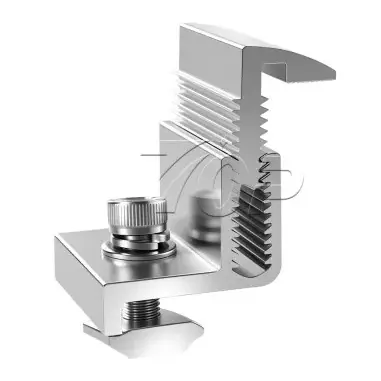
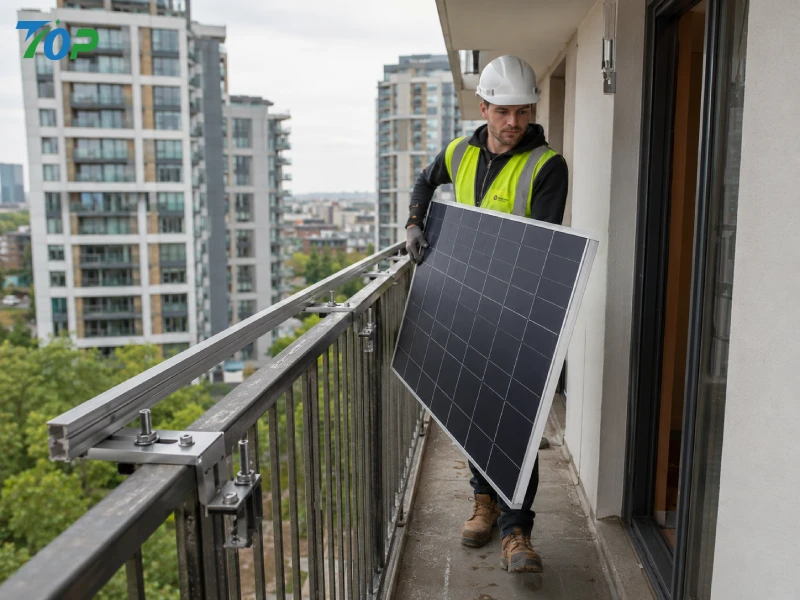
Non-penetrating clamp-based mounting systems have become one of the most popular solutions for lightweight balcony solar installations because they reduce waterproof risk while simplifying deployment.
Instead of drilling directly into building surfaces, clamp systems secure photovoltaic modules using mechanical fastening pressure applied to balcony railings or structural edges.
Key advantages include:
- Reduced waterproof damage risk
- Faster installation procedures
- Lower maintenance complexity
- Minimal building modification requirements
- Improved compatibility with rental apartments
However, proper clamp engineering is essential for long-term reliability. Poorly designed clamp systems may create uneven stress distribution or insufficient anti-slip performance under wind load conditions.
Professional-grade balcony clamp systems should include:
- Anti-slip mechanical locking structures
- High-strength aluminum brackets
- SUS304 stainless steel fasteners
- EPDM protective pads
- Adjustable pressure distribution design
For high-rise balcony projects, secure clamp geometry and vibration resistance are particularly important for maintaining structural stability during long-term outdoor exposure.
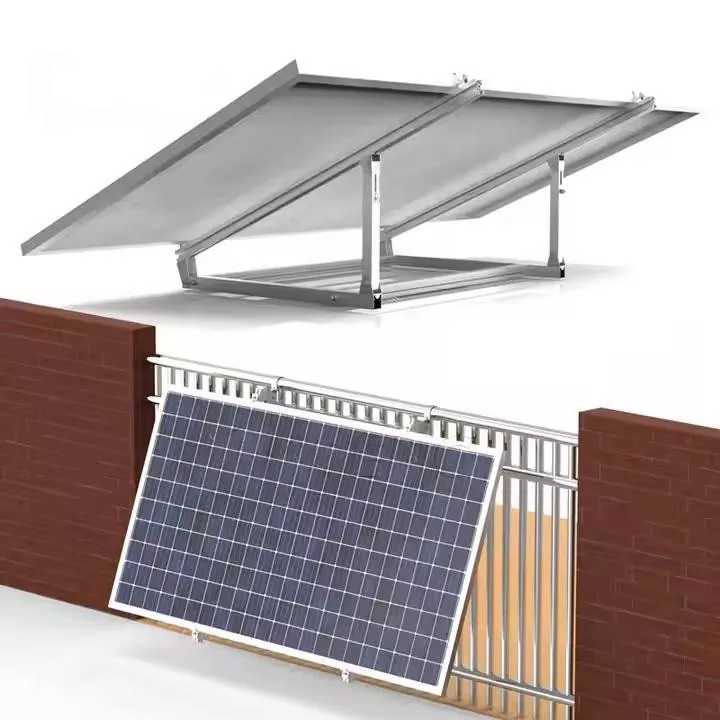
Wall-Mounted Balcony PV Systems
Wall-mounted photovoltaic systems are commonly used when balcony railing installation space is limited or when façade integration is preferred for aesthetic or structural reasons.
Compared with railing clamp systems, wall-mounted balcony solar structures generally provide:
- Improved structural rigidity
- Higher load distribution capacity
- Better tilt angle flexibility
- More stable wind resistance performance
However, wall-mounted systems also require more careful engineering because drilling and anchoring procedures directly affect building waterproof integrity and façade durability.
Professional installation considerations include:
- Anchor load calculations
- Concrete or wall material evaluation
- Waterproof sealing methods
- Thermal expansion management
- Drainage path protection
Improper anchoring techniques can create long-term waterproof problems or structural cracking. For this reason, EPC contractors should use certified anchoring systems and corrosion-resistant sealing materials suitable for outdoor photovoltaic applications.
Wall-mounted balcony solar systems are often preferred for permanent residential installations where maximum structural rigidity and long-term durability are priorities.
Adjustable Tilt Balcony Solar Brackets
Adjustable tilt brackets are increasingly used in balcony photovoltaic projects because they allow installers to optimize solar module orientation for improved power generation.
Unlike fixed vertical installations, tilt-adjustable balcony solar systems can improve sunlight capture efficiency by aligning module angles more effectively with seasonal solar conditions.
Key engineering benefits include:
- Improved energy production efficiency
- Greater installation flexibility
- Seasonal optimization capability
- Better self-cleaning performance during rain
However, tilt adjustment also increases structural complexity because wind uplift forces generally increase at steeper module angles.
As a result, adjustable bracket systems should incorporate:
- Reinforced structural supports
- Reliable locking mechanisms
- Wind-resistant geometry
- Anti-vibration fastening systems
For professional installers, balancing energy optimization with structural safety is critical when selecting tilt-adjustable balcony solar mounting systems.
Foldable and Plug-and-Play Balcony Solar Systems
The rapid growth of plug-and-play balcony photovoltaic systems is reshaping residential solar adoption in many urban markets, particularly in Europe.
These systems are designed for simplified installation and are commonly used in apartment environments where homeowners seek compact, user-friendly solar solutions.
Lightweight solar panels are especially suitable for plug-and-play balcony applications because they:
- Simplify transportation and handling
- Reduce installation difficulty
- Improve portability
- Lower structural load requirements
Foldable balcony photovoltaic systems also provide greater flexibility for temporary installations, rental apartments, and space-constrained environments.
Despite their simplified installation approach, professional engineering principles still remain essential. Even compact balcony solar systems must maintain:
- Stable structural fastening
- Reliable electrical safety
- Proper drainage clearance
- Wind-resistant mounting geometry
- Outdoor-rated materials
As urban residential solar demand continues to grow, plug-and-play balcony photovoltaic systems are expected to become an increasingly important segment of the distributed solar market.
Why SUS304 Stainless Steel Matters in Balcony Mounting Hardware
Fastening hardware quality is one of the most important yet most frequently underestimated aspects of balcony photovoltaic system reliability.
Low-quality fasteners may initially appear cost-effective, but long-term exposure to rain, humidity, thermal cycling, and wind vibration can quickly lead to corrosion, loosening, and structural instability.
SUS304 stainless steel has become the industry standard for many professional balcony solar mounting systems because it offers:
- Strong corrosion resistance
- Reliable mechanical strength
- Long-term outdoor durability
- Good vibration resistance
- Reduced maintenance requirements
In balcony environments, fasteners are continuously exposed to weather changes and mechanical movement. Poor-quality hardware may gradually lose fastening tension, increasing the risk of bracket instability or vibration noise.
Professional EPC contractors therefore increasingly prioritize certified mounting hardware with verified material specifications rather than relying on low-cost generic fasteners.
For long-term structural reliability, mounting systems should also incorporate:
- Precision clamp geometry
- Proper torque specifications
- Anti-loosening fastening structures
- Corrosion-resistant coatings
The quality of the smallest hardware components often determines the long-term durability of the entire balcony photovoltaic system.
Certifications and Compliance Requirements EPC Buyers Should Verify
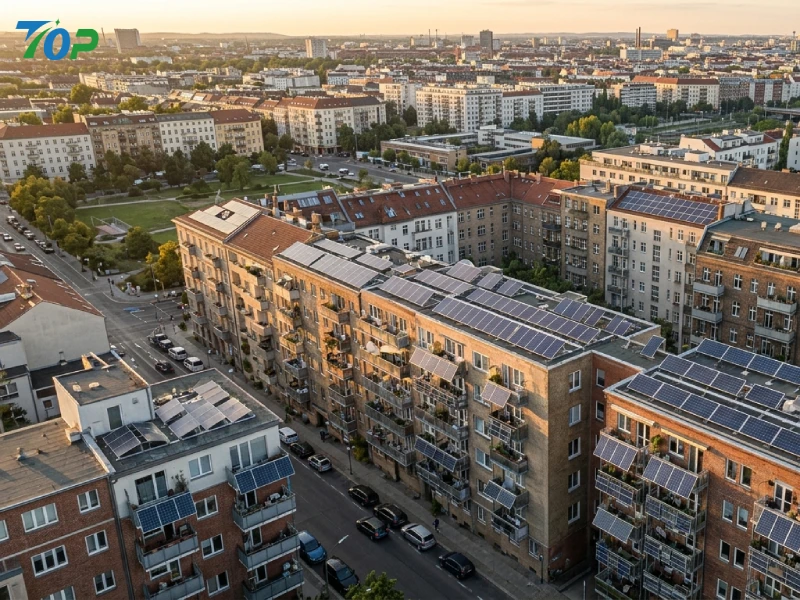
In residential photovoltaic projects, certifications are not simply marketing labels. For EPC contractors, project developers, and distributors, compliance verification is an important risk management process that directly affects structural safety, insurance acceptance, project approval, and long-term reliability.
Balcony solar installations are subject to stricter scrutiny in many markets because they are installed on occupied residential buildings where safety expectations are significantly higher.
Before procurement, professional buyers should evaluate both photovoltaic module certifications and mounting system testing documentation carefully.
Essential Solar Module Certifications
Professional lightweight solar panels for balcony installations should comply with internationally recognized photovoltaic standards.
Common certifications include:
- IEC 61215: Verifies long-term photovoltaic module performance and durability.
- IEC 61730: Focuses on photovoltaic module safety requirements.
- CE Certification: Demonstrates compliance with applicable European market regulations.
- TUV Certification: Indicates third-party testing and quality verification.
These certifications help verify that photovoltaic modules can withstand environmental stress, electrical operation requirements, and long-term outdoor exposure.
For EPC contractors, working with certified products can also simplify project approval and reduce compliance-related delays.
Structural Safety Testing for Mounting Systems
Mounting system certification is equally important because structural instability can create serious safety risks in residential environments.
Professional balcony solar mounting systems should undergo:
- Mechanical load testing
- Wind resistance testing
- Salt spray corrosion testing
- Fastening durability evaluation
- Outdoor weather exposure testing
Testing documentation helps EPC contractors verify that mounting systems can maintain long-term structural stability under realistic environmental conditions.
This is especially important for high-rise balcony projects where wind uplift and vibration exposure are significantly greater than standard rooftop installations.
Conclusion
As urban residential solar adoption continues to expand, lightweight solar panels for balcony installations are becoming an increasingly practical solution for apartment buildings, high-rise residential projects, and compact urban photovoltaic systems.
Compared with traditional glass photovoltaic modules, lightweight balcony solar systems offer important advantages in installation efficiency, structural safety, transportation convenience, and waterproof risk reduction. For EPC contractors, these benefits can translate into lower labor costs, reduced project complexity, and improved long-term reliability.
However, successful balcony photovoltaic installations still depend heavily on proper engineering design. Wind resistance, waterproof performance, corrosion protection, fastening reliability, and structural compatibility must all be carefully evaluated during project planning and procurement.
Professional installers and distributors should prioritize:
- Certified lightweight photovoltaic modules
- Structurally reliable mounting systems
- SUS304 stainless steel hardware
- Anodized aluminum rail systems
- Proven waterproof engineering solutions
- Manufacturers with real engineering support capability
As balcony solar markets continue to grow across Europe and Asia, EPC contractors increasingly require suppliers that can provide not only products, but also engineering-oriented support, installation reliability, and long-term project stability.
For professional balcony photovoltaic projects, selecting the right lightweight solar mounting solution is no longer only about reducing weight. It is about improving installation efficiency, minimizing operational risk, and building durable residential solar systems that can perform reliably for years in demanding urban environments.
Lightweight Balcony Solar Mounting Systems for High-Rise PV Projects
Planning a lightweight solar panel balcony installation for apartment buildings or urban residential projects? High-rise balcony PV systems require more than lightweight modules alone — structural stability, wind resistance, waterproof reliability, and corrosion protection are critical for long-term project safety. TOPFENCE provides engineered balcony solar mounting systems featuring non-penetrating clamp structures, SUS304 stainless steel hardware, anodized aluminum rails, and project-specific installation support for EPC contractors, distributors, and residential solar developers. Reduce installation complexity, improve structural reliability, and optimize lifecycle performance for modern balcony photovoltaic systems.
Request Balcony PV Mounting Solutions, Drawings & Bulk Pricing
Frequently Asked Questions About Lightweight Balcony Solar Systems
1. Why are lightweight solar panels better suited for balcony PV systems than traditional glass modules?
Lightweight solar panels reduce dead load on balcony railings and façades, making them more suitable for apartment buildings and high-rise residential projects where structural capacity is limited. Compared with traditional glass photovoltaic modules, lightweight balcony solar systems simplify transportation, improve installation efficiency, and reduce wind-induced structural stress. For EPC contractors, this often translates into lower labor costs, reduced reinforcement requirements, and fewer long-term maintenance risks.
2. What wind resistance factors should EPC contractors evaluate in high-rise balcony solar installations?
High-rise balcony photovoltaic systems are exposed to stronger wind uplift forces, turbulence, and vibration compared with conventional rooftop solar projects. EPC contractors should evaluate wind load calculations, fastening geometry, anti-vibration performance, clamp pressure distribution, and mounting bracket rigidity. Using SUS304 stainless steel fasteners, anodized aluminum rails, and wind-tested non-penetrating balcony clamp systems helps improve long-term structural stability in high-rise environments.
3. Are non-penetrating balcony solar mounting systems reliable for long-term residential use?
Professionally engineered non-penetrating balcony solar mounting systems can provide excellent long-term reliability when properly installed. High-quality clamp-based systems reduce waterproof damage risk by avoiding unnecessary drilling while maintaining secure mechanical fastening. For long-term residential projects, EPC installers should prioritize anti-slip clamp structures, corrosion-resistant materials, EPDM isolation pads, and certified fastening hardware to ensure structural safety over years of outdoor exposure.
4. Why is SUS304 stainless steel recommended for balcony photovoltaic mounting hardware?
Balcony solar mounting systems operate in highly exposed outdoor environments where humidity, rainwater, and urban pollution can accelerate corrosion. SUS304 stainless steel provides strong corrosion resistance, stable mechanical strength, and long-term fastening reliability. For coastal or high-humidity regions, high-quality stainless steel hardware significantly reduces the risk of fastener degradation, vibration loosening, and maintenance-related failures in balcony photovoltaic systems.
5. How do lightweight balcony solar systems improve installation efficiency for EPC contractors?
Lightweight photovoltaic modules are easier to transport through elevators, staircases, and narrow apartment corridors, especially in high-rise residential buildings. This reduces installer fatigue, lowers handling risks, and minimizes the need for cranes or lifting equipment. Combined with modular balcony solar mounting systems, lightweight panels can shorten installation time significantly and improve labor utilization across multi-unit residential solar projects.
6. What certifications should distributors and EPC buyers verify before sourcing balcony solar systems?
Professional buyers should verify both photovoltaic module certifications and mounting system testing documentation. Important certifications include IEC 61215, IEC 61730, CE, and TUV compliance for solar modules. Balcony mounting systems should also include wind load testing, mechanical load evaluation, and salt spray corrosion testing. Verified certifications help reduce procurement risk, simplify local permitting, and improve long-term project reliability.
7. What are the most common engineering mistakes in balcony solar installations?
Common engineering problems include improper clamp pressure distribution, insufficient wind resistance design, poor waterproof sealing, incorrect fastener selection, and inadequate corrosion protection. Some projects also overlook thermal expansion behavior and drainage path management. EPC contractors can reduce these risks by using certified balcony solar mounting systems, corrosion-resistant materials, and project-specific structural calculations instead of relying on generic installation methods.
8. How can distributors choose a reliable balcony solar mounting system manufacturer?
Distributors should evaluate whether the manufacturer provides real engineering support rather than only product supply. Important factors include material traceability, structural testing capability, OEM/ODM flexibility, production consistency, and experience with high-rise residential photovoltaic projects. Manufacturers that offer installation drawings, wind load calculations, corrosion-resistant hardware, and project-specific technical support are generally better suited for long-term EPC cooperation and large-volume balcony PV deployments.
Related News
- The Global EPC Sourcing Checklist: Managing Lead Times and Logistics for Solar Mounting Systems
- BIPV & Commercial Rooftops: Solving Waterproofing and Structural Integrity Challenges in Urban Solar
- Navigating Solar Certifications: Why UL 2703 and International Standards Matter for Project Bankability
- Maximizing Yield with Bifacial Modules: How to Select the Optimal Tracker for Enhanced Energy Output
- Wind Load and Coastal Engineering: Ensuring Your Ground-Mounted Solar Array Survives Extreme Weather
- Aluminum vs. Galvanized Steel: Choosing the Right Solar Mounting Structure for High-Corrosivity Environments
Leave me a message