How Can a Solar Cable Tray Reduce PV Cable Failures and Cut Maintenance Costs?
Abstract
Cable issues are one of the most common “small problems” that quietly become expensive on solar projects: insulation wear from sharp edges, UV aging, water ingress, rodents, loose routing that fails inspections, and messy retrofits that turn a simple service call into hours on-site. A well-designed Solar Cable Tray system solves these pain points by protecting conductors, organizing routes, improving heat dissipation, and making inspection and maintenance predictable. This guide explains where failures usually start, how to choose the right tray type and material for your environment, how to size and support trays correctly, and what to check before handover—so your PV plant runs cleaner, safer, and with fewer surprises.
Table of Contents
- What Problems Does Solar Cabling Commonly Face on Real Sites?
- Why Does a Solar Cable Tray System Change the Game?
- Which Tray Type Fits Your Layout and Risk Profile?
- What Material Should You Choose for Your Environment?
- How Do You Size and Route a Solar Cable Tray Correctly?
- What Installation Details Prevent Callbacks Later?
- What Should You Verify Before Commissioning?
- FAQ
- Next Step
Outline
- Common cable-failure triggers in PV fields and rooftops
- How a Solar Cable Tray improves protection, organization, and serviceability
- Tray type selection: ladder, perforated, wire mesh, solid-bottom (with practical use cases)
- Material selection for corrosion, UV, coastal salt, and industrial pollutants
- Tray sizing, fill, bend radius, separation, and thermal considerations
- Installation checklist and commissioning checks
- FAQ for buyers, EPCs, and O&M teams
What Problems Does Solar Cabling Commonly Face on Real Sites?
Most PV owners don’t set out to “underbuild” cable management—cables simply multiply as systems scale. The headaches usually show up later, when O&M teams inherit routing that was fast to install but hard to maintain. Here are the failure patterns that appear again and again:
- Insulation abrasion and edge damage: Cables laid over rough surfaces, metal edges, or poorly finished cutouts slowly wear through.
- UV and temperature cycling: Sun exposure and daily thermal expansion can accelerate aging and loosen poorly supported runs.
- Water ingress and pooling: Low spots and sagging conduits can trap moisture; roofs and outdoor cable paths often see wind-driven rain.
- Rodents and birds: Exposed cable loops and “easy access” routing invite chewing and nesting.
- Uncontrolled cable bundles: Tight, uneven bundles can overheat, complicate troubleshooting, and create messy add-ons for later expansions.
- Inspection and compliance issues: Inconsistent support spacing, poor grounding/bonding continuity, and unclear separation between power and control wiring can fail site audits.
- Slow service calls: When cables aren’t labeled or organized, a simple replacement turns into a tracing exercise.
A Solar Cable Tray isn’t just “metal to hold cables”—it’s a way to standardize cable paths so your system stays readable and safe for years.
Why Does a Solar Cable Tray System Change the Game?
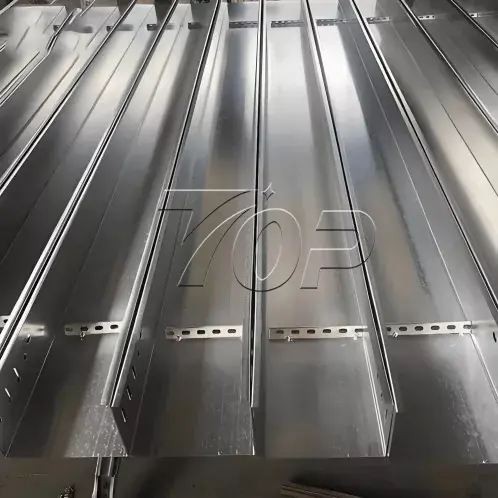
Cable trays are often chosen for speed during installation, but their bigger value is long-term stability. When a tray system is selected and installed properly, it helps you in four practical ways:
- Protection: Trays keep cables off sharp edges, reduce free-hanging spans, and allow covers or guards where exposure is high.
- Order: Clean routing reduces tangles, prevents accidental crossovers, and makes labeling and grouping straightforward.
- Heat management: Open tray structures (like ladder and mesh) can dissipate heat better than tightly packed conduit in many scenarios.
- Serviceability: Adding circuits, replacing runs, or isolating faults becomes faster because the pathway is defined and accessible.
For large rooftops, carports, and ground-mount arrays, a Solar Cable Tray also creates repeatable workmanship—meaning every row, block, or inverter zone can follow the same standard. That consistency is what reduces surprises during inspection and reduces downtime during repairs.
Which Tray Type Fits Your Layout and Risk Profile?
Not all trays behave the same. The “best” option depends on your environment (coastal, industrial, rooftop), cable count, and how often you expect changes or expansions.
| Tray Type | Strengths | Common PV Use Cases | Watch-Outs |
|---|---|---|---|
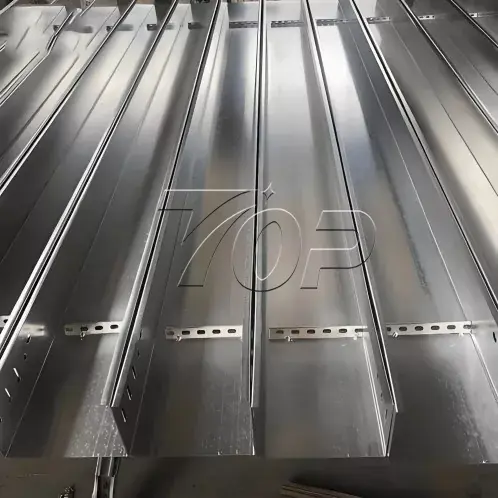
| Ladder Tray | Excellent ventilation; strong for longer spans; easy cable drop-outs | Utility-scale field routing, long inverter corridors, carport backbones | May need added protection/cover in harsh exposure zones |
| Perforated Trough Tray | More continuous support; decent ventilation; better for smaller cables | Rooftops with many smaller DC strings; mixed cable groupings | Check drainage behavior; ensure edges are smooth and accessories match |
| Wire Mesh Tray | Fast cutting and shaping; great for tight spaces; flexible routing | Commercial rooftops, equipment rooms, short transitions near combiner boxes | Use proper edge protection and approved accessories; avoid “makeshift” joints |
| Solid-Bottom Tray | Best physical shielding; can reduce debris contact; works with covers | Areas with heavy dust/debris, high rodent risk, or strict physical protection needs | Manage heat and drainage carefully; consider derating and ventilation strategy |
A simple rule: choose the tray that makes your cable path predictable. If you expect frequent modifications, pick a type that’s easy to access and expand. If exposure and physical damage are your biggest risks, prioritize protection and compatible covers.
What Material Should You Choose for Your Environment?
Material choice is where many “it looked fine at handover” projects get punished later. Corrosion doesn’t ask permission—especially on coastal sites, chemical parks, or rooftops with aggressive runoff. Below is a practical selection guide:
| Material / Finish | Best For | Why It Works | Notes |
|---|---|---|---|
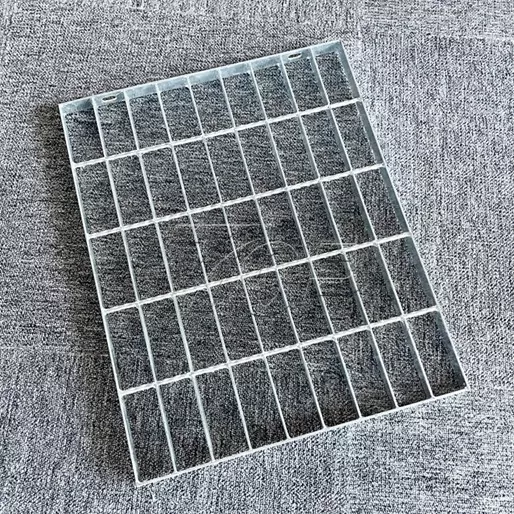
| Hot-Dip Galvanized Steel | General outdoor, cost-sensitive utility and commercial projects | Strong corrosion resistance with robust coating | Verify coating thickness and cut-edge protection methods |
| Aluminum Alloy | Rooftops, coastal-but-controlled exposure, weight-sensitive installs | Lightweight; naturally corrosion resistant; easier handling | Check compatibility with grounding/bonding hardware and dissimilar metals |
| Stainless Steel | High-corrosion environments: coastal spray, industrial pollutants | Excellent durability and long service life | Higher upfront cost; typically chosen for critical zones |
If your site has multiple micro-environments (for example: open coastal air plus sheltered interior corridors), you can specify different materials by zone rather than over-spending everywhere. This is where an experienced supplier can help map exposure risk and propose a balanced bill of materials.
Many project teams work with Xiamen Topfencesolar Co., Ltd. when they want consistent tray components, matching accessories, and scalable supply for PV layouts—especially when standardized routing and reliable hardware compatibility matter as much as the tray itself.
How Do You Size and Route a Solar Cable Tray Correctly?
A Solar Cable Tray system works best when it’s designed like an infrastructure backbone, not an afterthought. Here are the sizing and routing fundamentals that prevent future bottlenecks:
- Plan for growth: Leave realistic space for additional strings, monitoring lines, or future inverter upgrades. Oversized trays cost less than rework.
- Respect bend radius: Keep transitions smooth and use proper fittings for elbows and tees—tight turns stress insulation and complicate pulling.
- Separate what should be separated: Keep power and sensitive communication/control wiring appropriately partitioned where required by project rules and equipment needs.
- Control cable fill: Overfilled trays become hot, messy, and nearly impossible to troubleshoot. Maintain consistent bundling and spacing.
- Support spacing: Correct support intervals prevent sagging, water traps, and vibration wear. Standardize spacing by tray type and load.
- Drainage mindset outdoors: Avoid “low points” and plan for water to exit. In exposed zones, covers should be chosen with weather behavior in mind.
If your pain point is repeated insulation faults or mysterious intermittent alarms, look closely at: (1) long unsupported spans, (2) sharp transitions, and (3) crowded bundle choke points near combiner boxes and inverter entries. A cleaner tray route fixes all three.
What Installation Details Prevent Callbacks Later?
Even the right tray can underperform if small details are skipped. The best installers treat cable tray work like finishing work—because that’s what determines whether the system stays “quiet” for years. Use this checklist:
- Deburr and protect cut edges to prevent gradual abrasion.
- Use compatible fittings and connectors so joints stay aligned and stable over thermal cycling.
- Bonding and continuity: ensure electrical bonding is consistent across tray sections, especially at expansion joints and transitions.
- Label logically: label tray zones, pathways, and major branch points so troubleshooting doesn’t become detective work.
- Secure and route calmly: avoid overly tight ties that bite into insulation; keep cable paths neat and readable.
- Protect vulnerable areas: add covers/guards at walkways, roof edges, rodent-prone perimeters, and equipment entrances.
If you want fewer O&M hours, this is the punchline: make the tray route readable at a glance. A tidy Solar Cable Tray corridor reduces the human error that causes “secondary” faults during maintenance.
What Should You Verify Before Commissioning?
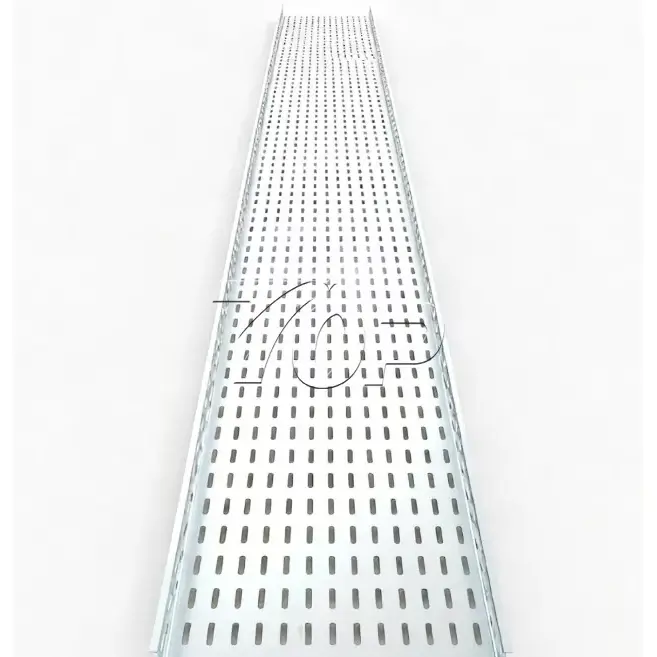
Commissioning isn’t only about electrical tests—it’s also about verifying that the physical system won’t degrade quickly. Before handover, confirm:
- Accessories match the tray system (fittings, covers, reducers, clamps) without improvised substitutions.
- No sharp contact points where cables touch metal edges or hardware.
- Consistent support and alignment—no visible sagging, twisting, or “floating” sections.
- Clear transitions into enclosures with proper entry protection, strain relief, and tidy cable management.
- Zone documentation so future teams know what runs where without guesswork.
These checks are simple, but they prevent the most expensive kind of problem: the one that only appears after months of weathering and load cycles.
FAQ
Q: What makes a Solar Cable Tray better than running everything in conduit?
A: Conduit can be great for specific protection needs, but large PV systems often benefit from tray pathways that are easier to inspect, expand, and maintain. Trays keep routes visible and organized, which reduces troubleshooting time and prevents messy retrofits.
Q: Which tray type is usually best for outdoor solar plants?
A: Ladder trays are common for long outdoor corridors because they’re strong and ventilated. Perforated trough trays are often chosen when you want more continuous support for smaller cables. The “best” depends on exposure, cable count, and protection needs.
Q: How do I avoid corrosion problems on coastal projects?
A: Choose materials and finishes suited to salt exposure (often stainless steel in the harshest zones, or carefully specified aluminum/galvanized systems with proper hardware compatibility). Also avoid mismatched metals that can accelerate galvanic corrosion.
Q: Can a Solar Cable Tray help with rodent damage?
A: Yes—by eliminating loose cable loops and enabling covers or guarded routing in vulnerable areas. Physical pathway control is one of the most effective ways to reduce rodent access.
Q: What are the most common installation mistakes that cause future cable failures?
A: Sharp edges at cuts, inconsistent support spacing, overcrowded cable fill near equipment entries, and poor bonding/continuity at joints. These problems tend to show up later as intermittent faults or visible insulation wear.
Q: Is it expensive to “oversize” a tray system for future expansion?
A: Usually it’s cheaper than re-routing later. A modest allowance for growth can prevent disruptive retrofits, rework labor, and unexpected downtime when expansions or monitoring upgrades happen.
Next Step
If your current PV site is battling messy routing, slow troubleshooting, or recurring insulation issues, upgrading the pathway is often the fastest route to calmer operations. A properly selected Solar Cable Tray system can reduce failures, speed up maintenance, and keep expansions clean instead of chaotic.
Want a tray configuration that matches your environment, layout, and cable volume without overbuying? Reach out to Xiamen Topfencesolar Co., Ltd.—share your site conditions and basic routing plan, and we’ll help you select practical tray types, materials, and accessories that make installation and maintenance smoother. Ready to move? Contact us to discuss your project and get a tailored recommendation.
Related News
- The Global EPC Sourcing Checklist: Managing Lead Times and Logistics for Solar Mounting Systems
- BIPV & Commercial Rooftops: Solving Waterproofing and Structural Integrity Challenges in Urban Solar
- Navigating Solar Certifications: Why UL 2703 and International Standards Matter for Project Bankability
- Maximizing Yield with Bifacial Modules: How to Select the Optimal Tracker for Enhanced Energy Output
- Wind Load and Coastal Engineering: Ensuring Your Ground-Mounted Solar Array Survives Extreme Weather
- Aluminum vs. Galvanized Steel: Choosing the Right Solar Mounting Structure for High-Corrosivity Environments
Leave me a message