How Can a Photovoltaic Carport Turn Parking Into Power?
Abstract
A Photovoltaic Carport helps you solve two problems at once: you need reliable parking protection, and you want predictable energy savings without sacrificing usable land. But customers often hesitate because of common headaches—high upfront cost, uncertain payback, permit delays, waterproofing concerns, and fear that the structure won’t hold up to wind, snow, or daily wear.
In this guide, I’ll walk through what makes a Photovoltaic Carport actually work in the real world, how to estimate returns without guessing, which design choices prevent leaks and maintenance surprises, and how to plan a smooth installation. You’ll also get a practical checklist, a comparison table, and an FAQ to help you move from “interesting idea” to “bankable project.”
────────────────────────────────────────
Table of Contents
- Outline
- What Pain Points Does a Photovoltaic Carport Solve?
- Is a Photovoltaic Carport the Right Fit for Your Site?
- What Design Choices Prevent Leaks, Rust, and Rework?
- How Do You Estimate Payback Without Overpromising?
- What Does a Low-Stress Installation Process Look Like?
- How Do You Keep It Performing for Years?
- What Should You Confirm Before You Sign Anything?
- FAQ
- Next Step
────────────────────────────────────────
Outline
- Clarify the real problems a Photovoltaic Carport can solve (and what it won’t solve).
- Assess site suitability: space, shading, drainage, traffic flow, and grid conditions.
- Pick design details that reduce risk: structure material, waterproofing strategy, panel layout, and corrosion protection.
- Estimate economics with “defensible math,” not wishful thinking.
- Plan installation to minimize business disruption and inspection delays.
- Operate and maintain for long-term performance with simple routines.
- Use a pre-sign checklist and FAQs to avoid common traps.
────────────────────────────────────────
What Pain Points Does a Photovoltaic Carport Solve?
Most customers don’t wake up wanting a new solar structure—they wake up wanting fewer headaches. A well-planned Photovoltaic Carport typically targets pain points in three buckets:
- Space pressure: Rooftops are crowded (HVAC, vents, skylights), and open land is expensive. A Photovoltaic Carport uses existing parking area without consuming new footprint.
- User comfort and asset protection: Shade reduces cabin heat, slows interior aging, and can protect vehicles from rain, hail, and UV exposure—especially valuable for workplaces, retail, hospitals, campuses, and transit lots.
- Energy cost volatility: If your electricity bills keep climbing, generating power on-site helps stabilize operating costs. For many sites, carport solar can also pair naturally with EV charging.
The hidden value is often brand and experience. Visitors notice shaded parking. Employees appreciate it. And if you’re adding EV chargers, a Photovoltaic Carport can make the “charging story” feel complete instead of bolted-on.
That said, it’s not magic. If your lot is heavily shaded, your utility interconnection is constrained, or your permitting process is unusually strict, you need a smarter plan—not a bigger sales pitch.
────────────────────────────────────────
Is a Photovoltaic Carport the Right Fit for Your Site?
Before you price anything, validate “fit.” Most costly mistakes happen because someone assumed the site was easy.
- Shading reality: Trees, tall buildings, signage, and even light poles can cut output more than people expect. A basic shading review (seasonal angle changes included) is essential.
- Parking geometry: Drive lanes, turning radii, fire lanes, accessible spaces, and loading zones can restrict column placement. “We’ll just put posts anywhere” is a classic rework trigger.
- Drainage and water path: Where does rain go today, and where will it go after you add a roof over cars? Water management is a design feature, not an afterthought.
- Underground constraints: Utilities, storm drains, and existing foundations can complicate piling or footings. Confirm early, not after fabrication.
- Electrical interconnection: The best structure is useless if your interconnection timeline is six months longer than your construction timeline. Confirm transformer capacity and utility requirements.
If you want fewer surprises, treat a Photovoltaic Carport like infrastructure: site survey, civil review, and electrical planning first; aesthetics and “extras” second.
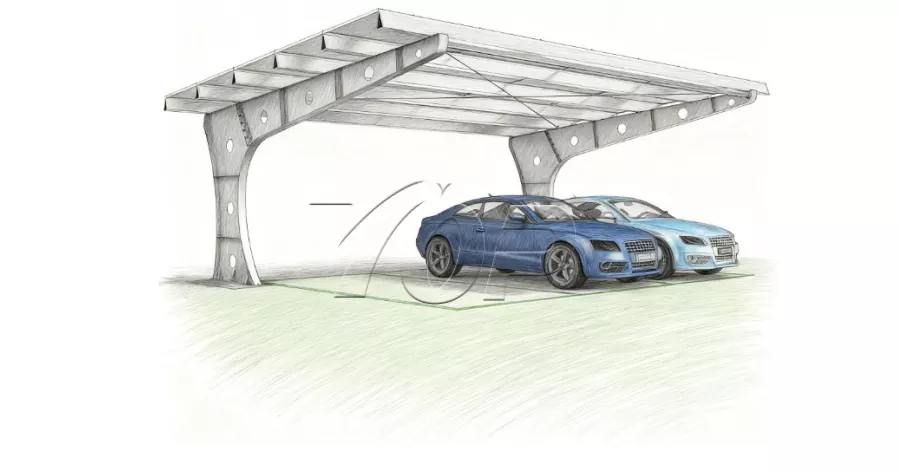
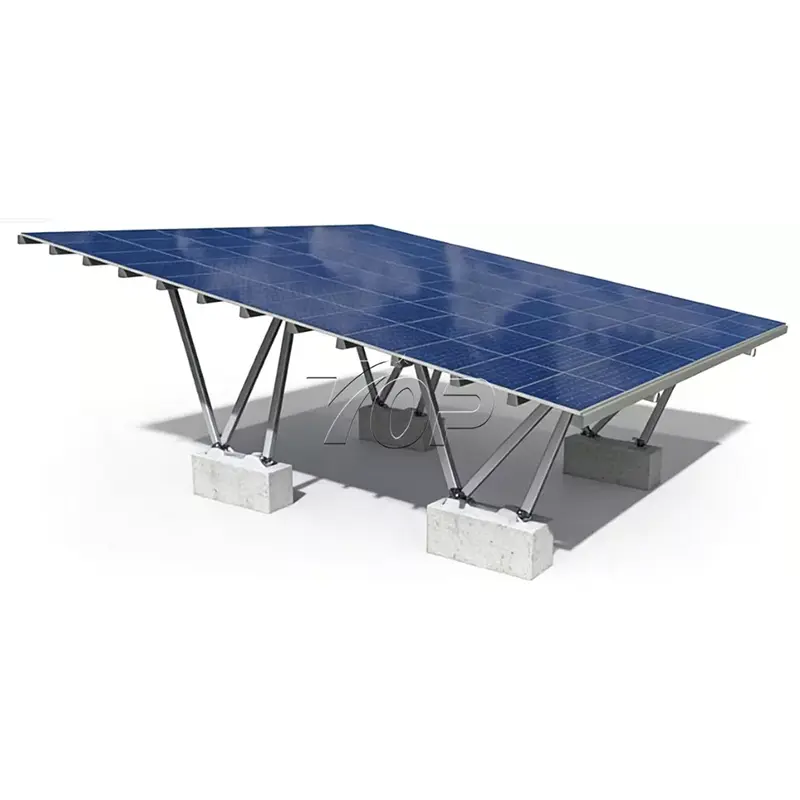
Many suppliers can support customization to match site realities—clearance height, single/double row, cantilever options, and material choices like galvanized steel or aluminum alloy. For example, Xiamen Topfencesolar Co., Ltd. provides customized PV carport structures designed around parking layouts rather than forcing a one-size grid.
────────────────────────────────────────
What Design Choices Prevent Leaks, Rust, and Rework?
A Photovoltaic Carport fails in predictable ways when design shortcuts show up. The good news is that most failures are preventable if you choose the right “boring details.”
| Design Area | What Customers Worry About | What “Good” Looks Like |
|---|---|---|
| Structural material | Rust, bending, short service life | Engineered steel or aluminum alloy selection, corrosion protection suitable for the environment (coastal, industrial, high humidity) |
| Waterproofing | Drips on cars, puddles, staining | Clear waterproofing strategy: either “waterproof roof” design with sealing and drainage, or “non-waterproof” design with managed drip lines and controlled runoff |
| Drainage | Flooding, icing, erosion | Gutter/downspout routing planned with site drainage, discharge locations that avoid pedestrian paths and entrances |
| Panel layout | Low output, hot spots | Orientation and tilt matched to site; avoid consistent shading from beams, signage, and poles |
| Foundation approach | Unexpected civil work | Early confirmation of soil conditions, underground utilities, and footing/pile method; stamped engineering where required |
Here are practical design decisions that reduce risk:
- Decide early: waterproof vs. non-waterproof. Some customers assume all carports are waterproof. If waterproofing matters to you, specify it from the beginning and confirm how seams, fasteners, and drainage are handled.
- Match corrosion protection to your environment. Coastal sites and chemical/industrial zones demand stronger corrosion planning. Material selection, coatings, and fastener choices all matter.
- Prioritize clearance and traffic safety. Adequate height for vans, service vehicles, and snowplows (where applicable) prevents operational conflict.
- Design for maintenance access. If a technician can’t safely reach modules, wiring, or gutters, maintenance gets postponed—then small issues become big ones.
If you treat the Photovoltaic Carport as “just a rack,” you’ll pay for it later. If you treat it as “a roof + a power plant,” you’ll build something that lasts.
────────────────────────────────────────
How Do You Estimate Payback Without Overpromising?
Customers are right to be skeptical of overly rosy savings claims. A trustworthy estimate uses conservative inputs and shows what changes the result.
Use this simple structure:
- Annual energy (kWh): based on realistic sunlight assumptions and shading.
- Value per kWh: your blended electricity cost (and whether you have demand charges).
- O&M allowance: cleaning, inspections, and occasional component replacement.
- Downtime and degradation: modules degrade slowly; inverters may need replacement depending on design.
| Input | Best Practice | Why It Matters |
|---|---|---|
| Electricity rate | Use your last 12 months of bills | Prevents “generic average rate” errors |
| Shading | Account for future growth (trees) and seasonal angles | Small shading can disproportionately reduce output |
| System sizing | Size to interconnection constraints and real load | A larger system isn’t always usable or approved |
| Maintenance | Budget an annual check and cleaning plan | Protects performance and avoids avoidable failures |
If EV charging is part of your plan, the conversation improves because you can link generation to a visible use case. Even then, be careful: charging patterns (time of day) affect how much solar is self-consumed versus exported.
A good supplier should help you build a realistic proposal: structure design, bill-of-materials transparency, and clear warranty boundaries. When you compare bids for a Photovoltaic Carport, ask each bidder to explain what assumptions drive payback—then test those assumptions.
────────────────────────────────────────
What Does a Low-Stress Installation Process Look Like?
A clean installation is mostly planning and sequencing. Here’s a practical workflow that reduces downtime and surprises:
- Site verification: confirm layout, underground utilities, soil conditions, and traffic routing.
- Engineering and permitting: complete structural calculations and drawings; align with local requirements.
- Utility interconnection: start early; it often becomes the schedule bottleneck.
- Phased construction plan: keep parts of the lot open; communicate closures with signage and dates.
- Foundation and columns: install with precision to avoid “holes don’t match steel” problems later.
- Structure assembly + electrical: coordinate crews so you don’t install twice or block access.
- Commissioning and handover: performance checks, documentation, and a maintenance plan your team can actually follow.
If you operate a business site (retail, logistics, hospital), the key is disruption management. A well-managed Photovoltaic Carport build should feel like controlled construction—not chaos. That means clear staging areas, predictable delivery times, and safety barriers that make sense for pedestrian flow.
Also: don’t ignore aesthetics. A clean, consistent beam line and tidy cable management matter because this structure sits in front of customers and employees every day.
────────────────────────────────────────
How Do You Keep It Performing for Years?
Long-term performance isn’t complicated—it’s disciplined. Treat your Photovoltaic Carport like any other facility asset.
- Quarterly visual checks: look for loose fasteners, standing water, cable wear, or damaged module corners.
- Cleaning plan: frequency depends on dust, pollen, and local weather. The goal is consistent output, not spotless glass.
- Drainage maintenance: gutters and downspouts should stay clear so water doesn’t backflow or spill onto walkways.
- Monitoring: basic monitoring helps you catch performance drops early (soiling, inverter issues, shading changes).
- Documentation: keep as-built drawings, parts lists, and warranty details organized for faster troubleshooting.
Many people underestimate how much peace of mind comes from clear documentation and a simple routine. When responsibilities are unclear, maintenance gets skipped. When maintenance gets skipped, small defects turn into costly repairs.
A reputable manufacturer should provide clear product information, engineering support where needed, and practical after-sales guidance. That’s why many buyers look for established suppliers such as Xiamen Topfencesolar Co., Ltd. when sourcing a Photovoltaic Carport structure for long-term projects.
────────────────────────────────────────
What Should You Confirm Before You Sign Anything?
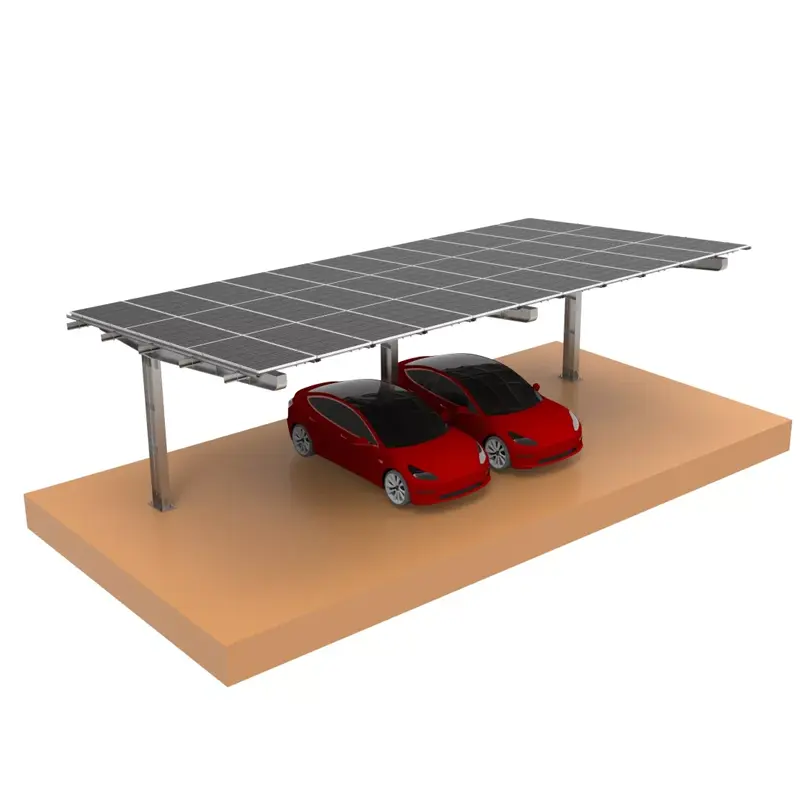
Use this checklist to protect yourself—especially when comparing multiple proposals for a Photovoltaic Carport.
- Scope clarity: Is waterproofing included? Are gutters and downspouts included? Who handles trenching and paving repair?
- Engineering deliverables: Are stamped drawings required, and who provides them?
- Foundation method: What happens if soil conditions differ from assumptions?
- Material and corrosion plan: Which material is used (steel or aluminum)? What coating/finish? What fasteners?
- Warranty boundaries: Structure vs. modules vs. electrical components—what is covered and for how long?
- Schedule realism: Does the plan include permitting and interconnection timelines, not just construction?
- Operations plan: Who cleans? Who inspects? What monitoring is included?
If a bidder can’t answer these quickly and clearly, that’s a signal. A Photovoltaic Carport is not a “buy it and forget it” product—it’s a long-term asset. Clarity now prevents friction later.
────────────────────────────────────────
FAQ
Is a Photovoltaic Carport always waterproof?
Not always. Some systems are designed as waterproof roofs; others prioritize ventilation and lower cost, allowing controlled water run-off. If dry parking is a must-have, specify waterproofing and confirm the drainage approach in writing.
How long does a Photovoltaic Carport typically last?
Many projects are planned around decades of service, but lifespan depends on engineering, environment, coatings, and maintenance. Coastal or industrial areas may require stronger corrosion strategies and more frequent inspections.
Will it disrupt my parking lot operations?
It doesn’t have to. The lowest-disruption projects use phased construction, clear traffic routing, and predictable closure schedules. Ask your installer for a site logistics plan before work begins.
Can I add EV chargers under a Photovoltaic Carport?
Yes, and it’s one of the most common reasons customers choose carports. The key is planning electrical capacity, conduit routing, and whether charging will be paired with monitoring or storage.
What are the most common reasons projects get delayed?
Permits, utility interconnection, underground surprises, and unclear scope (like waterproofing expectations) are frequent delay sources. Early site verification and clear documentation reduce risk dramatically.
How do I compare suppliers fairly?
Compare assumptions, not just price: material choice, corrosion plan, waterproofing, engineering support, installation scope, warranty boundaries, and the completeness of documentation.
────────────────────────────────────────
Next Step
If you’re considering a Photovoltaic Carport, the smartest move is to start with a site-first plan: layout constraints, shading reality, drainage, and interconnection. Once those are clear, design becomes straightforward—and your budget becomes defensible.
Xiamen Topfencesolar Co., Ltd. provides customizable Photovoltaic Carport structures to match different parking layouts, material preferences, and project goals—so you can move from concept to build.
Ready to turn your parking area into a reliable energy asset? Contact us today to discuss your site conditions, get a tailored solution, and receive a practical proposal you can actually act on—just hit contact us and we’ll help you map the next steps.
Related News
- The Global EPC Sourcing Checklist: Managing Lead Times and Logistics for Solar Mounting Systems
- BIPV & Commercial Rooftops: Solving Waterproofing and Structural Integrity Challenges in Urban Solar
- Navigating Solar Certifications: Why UL 2703 and International Standards Matter for Project Bankability
- Maximizing Yield with Bifacial Modules: How to Select the Optimal Tracker for Enhanced Energy Output
- Wind Load and Coastal Engineering: Ensuring Your Ground-Mounted Solar Array Survives Extreme Weather
- Aluminum vs. Galvanized Steel: Choosing the Right Solar Mounting Structure for High-Corrosivity Environments
Leave me a message