Industrial Perimeter Protection: The Dual Investment Value of Solar Fencing
Why Industrial Solar Fences Are Transforming Perimeter Security into Revenue-Generating Assets
For decades, perimeter fencing has been considered a necessary but non-productive expense for industrial facilities. Manufacturing plants, logistics centers, warehouses, data centers, and utility sites invest heavily in security infrastructure to protect assets, employees, and operations. However, traditional fencing systems provide only one function: physical protection.
Today, rising electricity costs, increasing pressure to meet sustainability targets, and the growing adoption of distributed renewable energy are changing how facility owners evaluate infrastructure investments. Instead of viewing perimeter fencing solely as a security measure, many industrial developers are now exploring how these assets can contribute directly to operational savings and long-term returns.
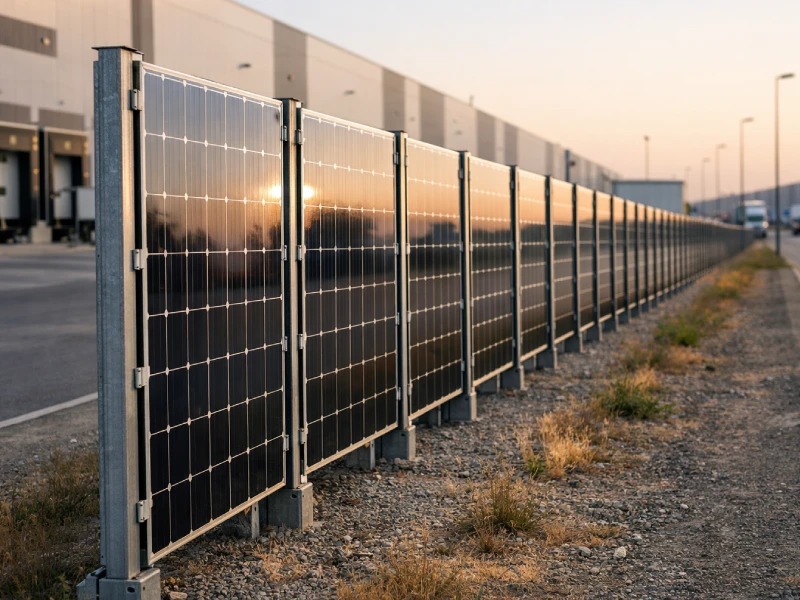
This is where the Industrial Solar Fence is creating a new category within both the solar and security industries. By integrating photovoltaic technology directly into perimeter fencing, industrial facilities can transform underutilized boundary space into a productive energy-generating asset while maintaining robust site protection.
Unlike conventional solar installations that require valuable rooftop or ground space, solar fence systems utilize existing perimeter boundaries. The result is a dual-purpose infrastructure solution capable of generating clean electricity while simultaneously serving as a physical security barrier.
For EPC contractors, solar installers, distributors, and industrial project developers, understanding the true investment value of industrial solar fencing is becoming increasingly important. Beyond electricity generation, these systems offer advantages in land utilization, ESG compliance, energy cost reduction, and infrastructure optimization.
In this guide, we examine why traditional industrial fences are becoming hidden cost centers, how photovoltaic fencing systems work, and why more industrial facilities are evaluating solar fences as part of their long-term energy and security strategies.
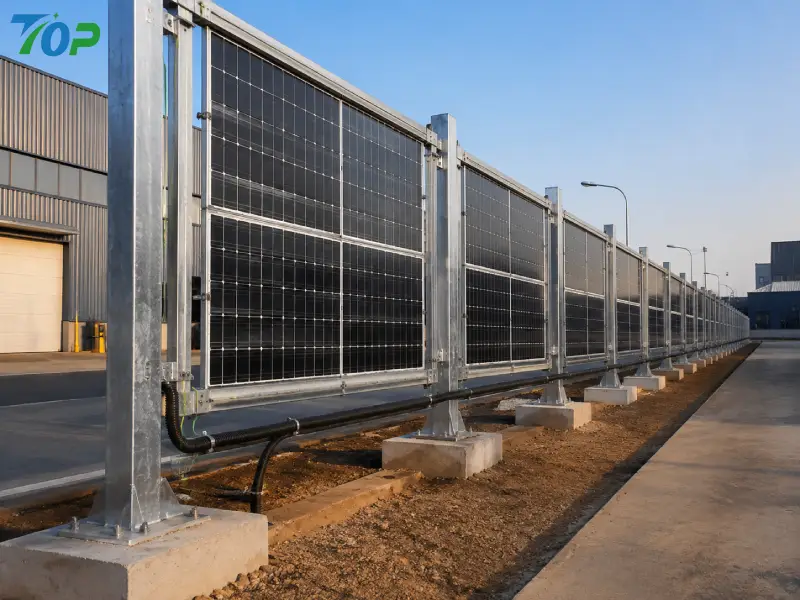
Why Traditional Industrial Fences Are Becoming a Hidden Cost Center
Most industrial facilities allocate a significant portion of their site development budget to perimeter protection. Fencing is often mandatory for safety, compliance, insurance requirements, and asset protection. Yet from a financial perspective, conventional fencing delivers little measurable return after installation.
As industrial operators become more focused on maximizing infrastructure efficiency, traditional perimeter fencing is increasingly viewed as a cost center rather than a value-generating asset.
Rising Security Expenditure Across Industrial Facilities
Industrial security requirements continue to evolve. Facilities today must address a broad range of risks including:
- Unauthorized access
- Equipment theft
- Material loss
- Operational disruption
- Liability concerns
- Regulatory compliance requirements
As a result, perimeter protection budgets have expanded significantly. Facilities often invest in:
- Steel fencing systems
- Access control infrastructure
- Surveillance equipment
- Lighting systems
- Monitoring technologies
While these investments improve security, they generally provide no direct financial return. The fence remains an expense throughout its service life.
From a lifecycle perspective, facility owners must account for:
- Initial installation costs
- Maintenance expenses
- Corrosion management
- Component replacement
- Future upgrades
This financial reality is driving interest in alternative perimeter solutions that can provide both security and economic value.
Perimeter Land That Generates No Return
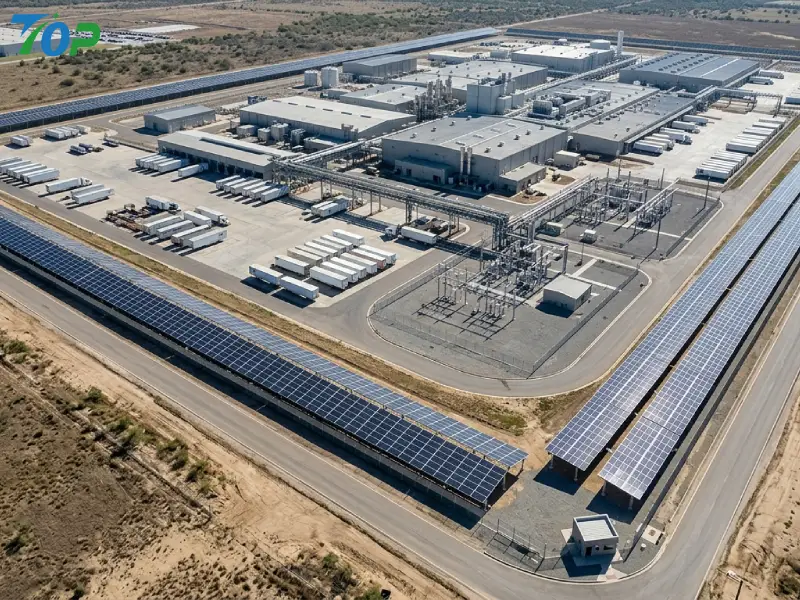
One of the most overlooked assets within industrial developments is perimeter space. Whether surrounding a manufacturing plant, logistics hub, warehouse complex, or utility facility, perimeter boundaries typically occupy hundreds or even thousands of linear meters.
Traditionally, this land performs only one role: defining the property boundary.
From an energy perspective, however, perimeter zones often represent untapped opportunities. Unlike production areas, parking lots, or storage zones, perimeter boundaries generally experience minimal operational activity. This makes them ideal locations for distributed photovoltaic infrastructure.
A conventional fence generates:
- No electricity
- No energy savings
- No carbon reduction benefits
- No operational revenue
By contrast, a properly engineered solar fence can convert the same perimeter footprint into a productive renewable energy asset without requiring additional land acquisition.
Why Factory Owners Are Looking Beyond Conventional Fencing
Several market trends are accelerating the adoption of solar-integrated perimeter infrastructure.
First, electricity prices remain a major concern for industrial operators. Energy-intensive facilities are increasingly seeking on-site generation solutions that reduce dependence on utility power.
Second, available rooftop space is often limited. Many facilities face challenges such as:
- Structural loading restrictions
- Roof penetrations
- HVAC equipment conflicts
- Future expansion requirements
- Aging roof structures
Third, sustainability goals continue to influence investment decisions. Industrial organizations are under increasing pressure from customers, investors, and regulators to demonstrate measurable carbon reduction initiatives.
A solar fence addresses all three challenges simultaneously by:
- Generating renewable electricity
- Utilizing otherwise idle perimeter space
- Supporting ESG objectives
- Maintaining required security functions
This combination of benefits explains why solar fencing is gaining attention among EPC firms, facility owners, and infrastructure developers worldwide.
What Is a Solar Fence and How Does It Work?
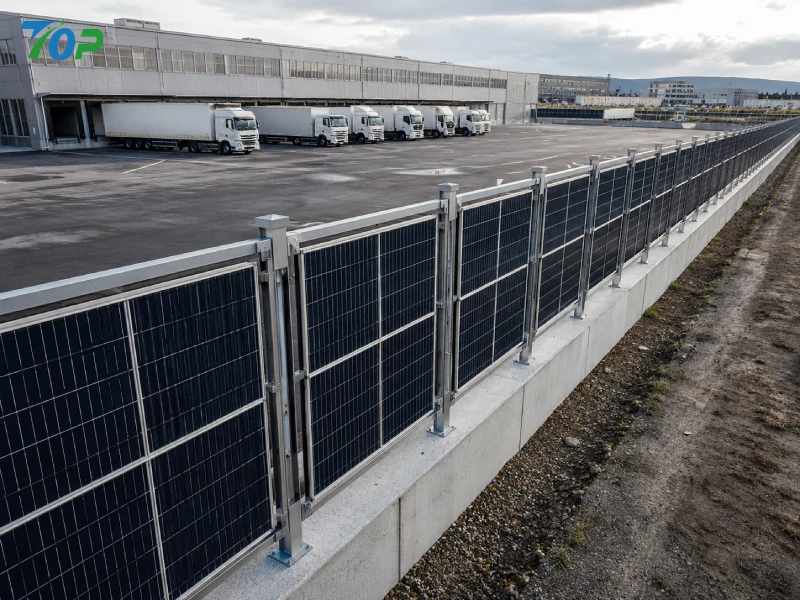
A solar fence, also known as a photovoltaic fence or PV fence system, combines perimeter security infrastructure with solar energy generation technology. Instead of installing photovoltaic modules on rooftops or dedicated ground-mounted structures, solar panels are integrated directly into the fence itself.
The result is a multifunctional structure capable of producing electricity while serving as a permanent security barrier.
Core Structure of a Photovoltaic Fence System
An industrial solar fence typically consists of several integrated engineering components.
- Structural fence posts
- Horizontal support rails
- Solar modules
- Mounting hardware
- Cable management systems
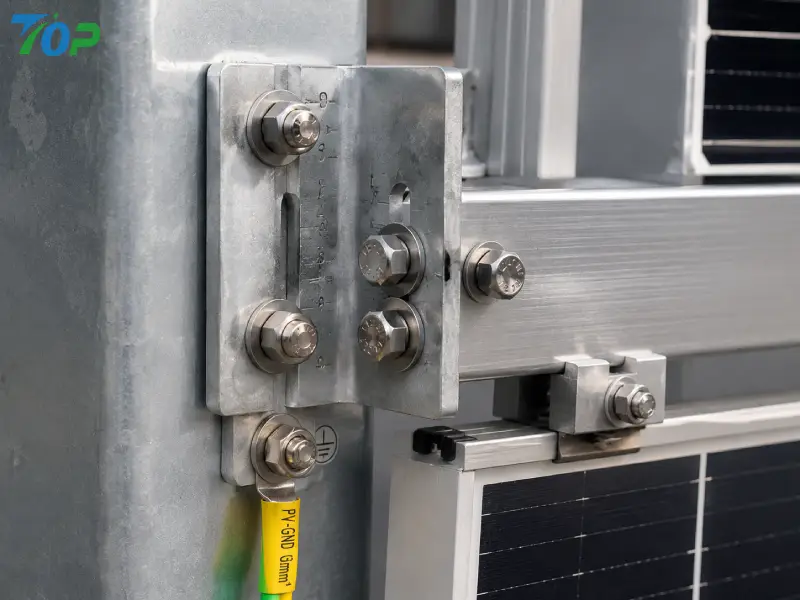
- Grounding components
- Inverters and electrical equipment
Unlike conventional fencing, these systems must satisfy both structural engineering and electrical performance requirements. The design must withstand environmental loads while ensuring reliable energy production over decades of operation.
For industrial applications, durability is particularly important. Many EPC contractors prioritize:
- Hot-dip galvanized steel supports
- Aluminum alloy mounting structures
- SUS304 stainless steel fasteners
- Corrosion-resistant surface treatments
These materials help minimize maintenance requirements while supporting long-term project bankability.
Single-Sided vs Bifacial Solar Fence
Industrial solar fence systems generally fall into two primary categories.
Single-Sided Solar Fence
Single-sided designs capture sunlight from one direction. These systems are often selected for locations where orientation can be optimized toward the dominant solar resource.
Advantages include:
- Lower initial investment
- Simplified electrical design
- Straightforward installation
- Reduced module costs
Bifacial Solar Fence
Bifacial solar fencing utilizes modules capable of generating electricity from both the front and rear surfaces.
These systems can harvest:
- Direct sunlight
- Reflected sunlight
- Diffuse solar radiation
For industrial facilities with reflective ground surfaces such as concrete, light-colored gravel, or paved areas, bifacial technology can improve overall energy yield compared to conventional monofacial solutions.
Many EPC contractors increasingly evaluate bifacial solar fences due to their ability to improve energy density along limited perimeter lengths.
Typical Power Output Per Linear Meter
One of the most common questions facility owners ask is how much electricity a solar fence can generate.
Actual performance depends on module selection, fence height, orientation, shading conditions, and geographic location. However, typical engineering estimates are shown below.
| Fence Type | Typical Power Density |
|---|---|
| Traditional Security Fence | 0 W/m |
| Single-Sided Solar Fence | 120–180 W/m |
| Bifacial Solar Fence | 150–220 W/m |
These values provide a useful starting point during early-stage project planning. Detailed production modeling should always be conducted during project engineering to account for site-specific variables.
For example, a 500-meter industrial perimeter equipped with a 180 W/m solar fence could theoretically support approximately 90 kW of installed photovoltaic capacity. Depending on local solar resources, this capacity may contribute significantly to annual electricity consumption reduction.
The Dual Investment Value of Solar Fencing
The strongest argument for industrial solar fencing is that it transforms a traditionally passive asset into a productive infrastructure investment.
Rather than forcing facility owners to choose between security and energy generation, solar fencing combines both objectives within a single system.
Value #1 – Industrial Security Protection
Security remains the primary function of any perimeter fence.
Industrial solar fences are engineered to provide physical site protection while accommodating photovoltaic components. Depending on project requirements, systems may incorporate:
- Anti-climb designs
- Heavy-duty steel structures
- Tamper-resistant hardware
- Controlled access integration
- Surveillance compatibility
For manufacturing facilities and logistics centers, perimeter protection helps reduce exposure to theft, vandalism, and unauthorized access.
Unlike standalone solar arrays that may require separate fencing infrastructure, solar fence systems combine both functions into a single engineered solution.
Value #2 – Long-Term Electricity Generation
The second investment return comes from renewable energy production.
Every kilowatt-hour generated by the solar fence has the potential to offset purchased electricity from the grid. Over the system's operational lifetime, these savings can accumulate into substantial financial benefits.
Potential applications include:
- Facility self-consumption
- Peak demand reduction
- Battery charging
- Grid export where regulations permit
Unlike many security investments that provide only indirect value, solar fencing creates a measurable economic return through electricity generation.
This characteristic fundamentally changes how perimeter infrastructure can be evaluated within industrial capital expenditure planning.
Value #3 – ESG and Carbon Reduction Benefits
While security enhancement and electricity generation often drive the initial investment decision, Environmental, Social, and Governance (ESG) performance has become an increasingly important factor for industrial facility owners, multinational manufacturers, and logistics operators.
Across Europe, North America, Australia, and many emerging industrial markets, customers and investors are placing greater emphasis on measurable sustainability initiatives. Large manufacturers are frequently required to disclose carbon reduction efforts within annual sustainability reports, while supply chain partners increasingly evaluate environmental performance during supplier selection.
An industrial solar fence contributes to these objectives in several ways:
- Generating renewable electricity on-site
- Reducing dependence on fossil-fuel-based grid power
- Supporting Scope 2 emissions reduction initiatives
- Improving facility sustainability metrics
- Demonstrating visible commitment to renewable energy adoption
Unlike rooftop solar systems that are often hidden from public view, perimeter solar fencing is highly visible. Employees, customers, investors, and visitors can immediately recognize the facility's investment in renewable infrastructure.
For industrial parks, logistics hubs, and manufacturing campuses, this visibility creates additional branding value while reinforcing corporate sustainability commitments.
From a lifecycle perspective, a properly engineered photovoltaic fence system can continue generating clean electricity for decades, making it both a security asset and a long-term contributor to carbon reduction goals.
Solar Fence vs Rooftop Solar: Which Delivers Better ROI?
One of the most common questions asked by EPC contractors and facility owners is whether a solar fence can compete economically with a conventional rooftop solar installation.
The answer depends on project objectives, site constraints, available roof area, structural conditions, and energy consumption patterns.
Rather than viewing the two solutions as direct competitors, many successful industrial projects treat them as complementary assets. However, understanding the differences is essential during project planning.
Comparing Infrastructure Utilization
Traditional rooftop solar systems require available roof space with sufficient structural capacity. In many industrial facilities, these requirements create limitations that reduce project feasibility.
Common challenges include:
- Insufficient roof load capacity
- Aging roof membranes
- Complex roof geometries
- Mechanical equipment conflicts
- Future expansion plans
- Roof waterproofing concerns
Solar fencing avoids many of these constraints because it utilizes existing perimeter infrastructure rather than relying on building structures.
| Evaluation Factor | Rooftop Solar | Industrial Solar Fence |
|---|---|---|
| Uses Existing Roof Area | Yes | No |
| Requires Roof Structural Assessment | Usually | No |
| Provides Site Security Function | No | Yes |
| Requires Additional Land | No | No |
| Visible ESG Demonstration | Limited | High |
| Maintenance Accessibility | Moderate | Excellent |
| Dual Infrastructure Value | No | Yes |
Installation Complexity Comparison
Many industrial operators assume rooftop solar is always easier to install. In reality, this is not necessarily true.
Rooftop projects frequently involve:
- Structural engineering reviews
- Roof warranty evaluations
- Waterproofing considerations
- Restricted installation access
- Worker fall-protection requirements
- Operational disruptions
Solar fence projects generally shift engineering efforts toward:
- Foundation design
- Wind load analysis
- Cable routing
- Perimeter integration
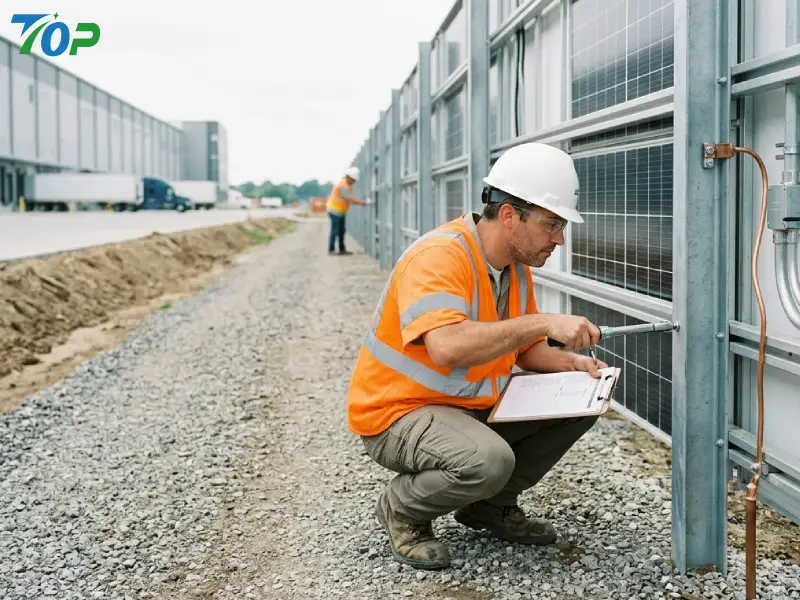
For EPC contractors, this often results in simpler maintenance access after project completion. Technicians can inspect modules, wiring, and mounting components directly from ground level without requiring specialized rooftop safety procedures.
Long-Term ROI Considerations
Evaluating ROI solely on installed cost per watt can lead to misleading conclusions.
A comprehensive investment assessment should consider:
- Electricity generation
- Security infrastructure savings
- Land utilization efficiency
- Maintenance costs
- Asset lifespan
- Operational flexibility
For facilities that already require perimeter fencing, the security value provided by the solar fence becomes part of the overall economic equation.
In other words, the facility is not simply purchasing a photovoltaic system—it is investing in infrastructure that simultaneously fulfills multiple operational functions.
This dual-purpose value proposition is one of the primary reasons industrial solar fencing continues to attract attention from project developers and facility owners.
Engineering Considerations Before Installing an Industrial Solar Fence
Successful industrial solar fence projects depend heavily on engineering quality. While solar fencing may appear similar to traditional perimeter barriers, the addition of photovoltaic modules significantly changes structural behavior, load distribution, and electrical requirements.
Experienced EPC contractors understand that long-term performance is determined not only by module quality but also by proper structural and electrical design.
Wind Load Design Requirements
Wind loading is often the most critical structural consideration for solar fence installations.
Unlike conventional mesh fencing, photovoltaic modules present a large solid surface area to the wind. This increases the forces acting on posts, rails, foundations, and connection points.
Several factors influence wind loading:
- Regional wind speed requirements
- Terrain category
- Fence height
- Module dimensions
- Module spacing
- Site elevation
In many international projects, structural calculations reference standards such as:
- EN 1991 (Eurocode Wind Actions)
- ASCE 7 (United States)
- AS/NZS 1170 (Australia and New Zealand)
One common mistake is assuming that a conventional security fence structure can simply be upgraded with solar panels. In reality, the addition of PV modules may increase structural loads significantly.
Professional engineering analysis should always verify:
- Post bending capacity
- Connection strength
- Foundation stability
- Overall structural deflection
- Dynamic vibration behavior
Foundation Selection: Choosing the Right Support System
The foundation system serves as the load transfer mechanism between the solar fence and the ground. Foundation selection should be based on geotechnical conditions, environmental loads, project schedule, and installation cost.
Concrete Foundations
Concrete footings remain one of the most common foundation solutions for industrial solar fencing.
Advantages include:
- High structural capacity
- Excellent long-term stability
- Broad soil compatibility
- Proven engineering performance
However, concrete foundations require excavation, curing time, and greater labor input.
Ground Screw Foundations
Ground screw systems are increasingly popular for industrial projects seeking faster installation.
Benefits include:
- Minimal site disturbance
- Rapid deployment
- Reduced concrete consumption
- Improved sustainability profile
Ground screws can be particularly attractive for temporary facilities or projects requiring future relocation flexibility.
Driven Pile Foundations
Large industrial developments and utility-scale projects frequently utilize driven steel piles.
Advantages include:
- Fast installation speed
- Excellent scalability
- Strong structural performance
- Cost efficiency for long fence runs
Final selection should always be based on site-specific geotechnical investigations rather than generalized assumptions.
Drainage and Waterproof Design
Water management is one of the most underestimated aspects of solar fence engineering.
Many project failures originate not from modules or structural components, but from inadequate protection of electrical systems exposed to long-term environmental conditions.
A properly designed solar fence should incorporate:
- Weather-resistant cable routing
- Drainage pathways
- UV-resistant conduit systems
- Corrosion-resistant junction boxes
- Appropriate IP-rated electrical components
Particular attention should be given to low-lying areas where standing water may occur during heavy rainfall.
For coastal installations, additional corrosion protection measures may be necessary due to salt exposure.
Cable Routing and Maintenance Access
Maintenance accessibility has a direct impact on operational costs throughout the system lifecycle.
During project design, EPC contractors should evaluate:
- Future inspection requirements
- Module replacement procedures
- Inverter access routes
- Cable protection strategies
- Grounding system inspection points
Poor cable management can create several long-term risks:
- Mechanical damage
- Rodent intrusion
- Water ingress
- Maintenance difficulties
- Electrical safety concerns
Professional solar fence systems typically integrate concealed cable pathways that improve aesthetics while enhancing protection.
Bifacial Gain Optimization
For projects utilizing bifacial modules, maximizing rear-side energy production can significantly improve overall system performance.
Several factors influence bifacial gain:
- Ground reflectivity (albedo)
- Fence orientation
- Module height above ground
- Row spacing
- Surrounding obstacles
Light-colored gravel, concrete surfaces, and reflective paving materials generally improve rear-side energy collection compared with dark soil or vegetation.
During project development, advanced energy modeling can help determine whether the additional investment in bifacial technology is justified by the expected increase in annual generation.
Real-World ROI Example: 500-Meter Solar Fence Around a Manufacturing Facility
To better understand the economic potential of industrial solar fencing, consider a hypothetical manufacturing facility seeking to upgrade its perimeter security while reducing electricity costs.
The following example is intended for educational purposes only. Actual project economics will vary depending on local regulations, solar irradiation, energy pricing, engineering specifications, and installation costs.
Project Assumptions
| Parameter | Value |
|---|---|
| Fence Length | 500 meters |
| Power Density | 180 W/m |
| Total Installed Capacity | 90 kW |
| Application | Manufacturing Facility |
| Module Type | Bifacial Solar Modules |
Under these assumptions, the facility converts an existing perimeter boundary into a 90-kW distributed photovoltaic asset without consuming additional land.
Potential Annual Energy Production
Annual generation depends primarily on local solar resources.
For many industrial locations in Central Europe, annual production for a well-designed 90-kW system may fall within a broad range of approximately 80,000 to 120,000 kWh per year depending on orientation, climate conditions, shading, and system efficiency.
A detailed project feasibility study should always include site-specific energy simulations before final investment decisions are made.
Operational Value Creation
The generated electricity may be utilized in several ways:
- Direct facility consumption
- Peak demand reduction
- Battery charging integration
- Export under local utility programs
In addition to electricity savings, the facility receives continued value from:
- Perimeter security infrastructure
- Reduced carbon emissions
- Improved ESG reporting metrics
- Enhanced renewable energy visibility
This combination of direct and indirect benefits is what distinguishes industrial solar fencing from many conventional infrastructure investments.
Common Mistakes EPC Contractors Make When Specifying Solar Fence Systems
As industrial solar fencing becomes more widely adopted, many EPC contractors are encountering the technology for the first time. While the concept appears straightforward, successful project execution requires careful consideration of structural, electrical, operational, and maintenance factors.
Some of the most expensive project failures originate not from poor equipment quality, but from avoidable specification and design mistakes made during the early planning stages.
Understanding these common pitfalls can help EPC teams reduce project risk, improve long-term system reliability, and avoid costly post-installation modifications.
Mistake #1: Treating a Solar Fence Like a Conventional Security Fence
One of the most frequent errors is assuming that a standard perimeter fence can simply be upgraded by attaching solar panels.
In reality, photovoltaic modules fundamentally change how the structure behaves under environmental loads.
Compared with traditional mesh fencing, solar modules introduce:
- Higher wind pressure
- Greater structural loading
- Additional vibration forces
- Increased foundation requirements
- Electrical safety considerations
A fence originally designed only for security purposes may not possess sufficient structural capacity to support photovoltaic components safely throughout its intended service life.
Industrial solar fence projects should therefore be engineered as integrated energy infrastructure rather than modified security barriers.
Mistake #2: Underestimating Wind-Induced Vibration
Many engineers focus exclusively on static wind loads while overlooking dynamic effects.
In exposed industrial environments, repetitive wind loading can generate vibration cycles that gradually weaken structural connections over time.
Particular attention should be given to:
- Post-to-foundation connections
- Rail attachment points
- Module clamps
- Fastener integrity
- Long-span fence sections
Engineering reviews should evaluate both ultimate load resistance and long-term fatigue performance.
This is especially important in coastal regions, open industrial zones, logistics parks, and elevated sites where wind exposure is typically higher.
Mistake #3: Ignoring Future Maintenance Requirements
Many projects are optimized for installation speed but fail to consider maintenance accessibility over the next twenty to thirty years.
Common maintenance activities include:
- Module inspections
- Electrical testing
- Cable replacement
- Grounding verification
- Module cleaning
- Component upgrades
Poorly designed systems can dramatically increase maintenance costs throughout the project lifecycle.
Experienced EPC contractors prioritize maintenance access during the design phase rather than treating it as an afterthought.
Mistake #4: Using Low-Grade Fasteners and Hardware
Fasteners represent a small percentage of total project cost but have a significant impact on long-term reliability.
In harsh industrial environments, inferior hardware may suffer from:
- Corrosion
- Loss of clamping force
- Premature failure
- Structural instability
For this reason, many professional solar fence projects specify SUS304 stainless steel fasteners or equivalent corrosion-resistant hardware.
Although the initial material cost may be slightly higher, the long-term reduction in maintenance and replacement expenses typically justifies the investment.
Mistake #5: Neglecting Cable Protection
Electrical cable damage remains one of the most common causes of long-term performance issues in outdoor photovoltaic systems.
Potential threats include:
- UV exposure
- Mechanical abrasion
- Rodent activity
- Water ingress
- Accidental impact
Proper cable management should include durable conduit systems, protected routing paths, and strategic inspection points to support future maintenance activities.
A professionally engineered photovoltaic fence system should treat cable protection as a critical design requirement rather than a secondary installation detail.
What Distributors Should Evaluate When Sourcing Solar Fence Systems
For distributors, wholesalers, and project procurement teams, selecting the right solar fence manufacturer extends beyond pricing considerations.
The quality of the underlying engineering, materials, certification portfolio, and supply chain capabilities often determines whether a project achieves long-term success.
Understanding the most important evaluation criteria can help distributors reduce warranty risk while improving customer satisfaction.
Structural Material Verification
Material quality forms the foundation of any reliable industrial solar fencing system.
Procurement teams should verify:
- Steel grade specifications
- Galvanization thickness
- Aluminum alloy composition
- Fastener material certification
- Surface treatment standards
Common materials used in high-performance solar fencing include:
- Hot-dip galvanized steel
- Aluminum alloy structural components
- SUS304 stainless steel hardware
These materials provide strong resistance to corrosion, weathering, and environmental degradation across diverse installation environments.
Required Certifications and Compliance Standards
Industrial customers increasingly demand evidence of product quality and compliance.
Depending on project location and customer requirements, distributors should evaluate whether suppliers can support relevant certifications and documentation.
Examples may include:
- TÜV certification support
- CE compliance documentation
- ISO manufacturing systems
- Material traceability records
- Structural calculation reports
- Quality inspection documentation
Comprehensive documentation often plays a decisive role during project approval and procurement processes.
Container Loading Efficiency
Shipping efficiency can significantly influence total project costs, particularly for international distributors.
Well-designed solar fence systems often feature:
- Modular packaging
- Optimized component dimensions
- High container utilization rates
- Reduced transportation costs
Even modest improvements in loading efficiency can generate meaningful savings across large-volume procurement programs.
SKU Standardization and Inventory Management
Inventory complexity represents a hidden cost for many distributors.
A supplier offering highly standardized components may provide advantages such as:
- Reduced warehouse requirements
- Simplified inventory management
- Faster order fulfillment
- Lower safety stock requirements
- Improved forecasting accuracy
For distributors serving multiple markets, component standardization can significantly improve operational efficiency.
Why EPC Contractors Choose TopFenceSolar for Industrial Solar Fence Projects
In industrial infrastructure projects, product selection is rarely based on price alone. EPC contractors and project developers must evaluate technical performance, installation efficiency, long-term durability, documentation quality, and supplier support capabilities.
These requirements are particularly important for solar fencing because the system must simultaneously function as both a structural security asset and an energy-generation platform.
Engineered for Wind Resistance, Corrosion Protection, and Long-Term Durability
Industrial environments present unique engineering challenges.
Depending on project location, solar fence systems may face:
- High wind speeds
- Heavy rainfall
- Industrial pollution
- Coastal salt exposure
- Large temperature fluctuations
TopFenceSolar focuses on engineering solutions that address these conditions through material selection, structural optimization, and long-term durability considerations.
By emphasizing corrosion-resistant materials and robust structural design, the objective is to minimize lifecycle maintenance while maximizing project reliability.
Pre-Engineered Components That Improve Installation Efficiency
Installation efficiency remains one of the most important priorities for EPC contractors.
Labor shortages, project schedules, and installation costs all place pressure on construction teams to complete projects quickly without compromising quality.
Pre-engineered component systems can help achieve these objectives by:
- Reducing field fabrication
- Minimizing installation errors
- Accelerating assembly processes
- Improving construction consistency
- Reducing project timelines
For large industrial projects involving hundreds or thousands of meters of perimeter fencing, installation efficiency can have a substantial impact on overall project economics.
Flexible OEM and Project Customization Support
Industrial projects rarely follow a one-size-fits-all approach.
Different sites may require:
- Custom fence heights
- Project-specific module layouts
- Unique foundation solutions
- Regional compliance adaptations
- Specialized security requirements
Customization capabilities can therefore become an important competitive advantage during project bidding and execution.
Comprehensive Technical Documentation Support
Engineering documentation often determines how efficiently projects move from concept to approval.
Professional project support may include:
- Technical drawings
- Installation manuals
- Material specifications
- Structural calculations
- Quality inspection reports
- Compliance documentation
These resources can help EPC teams streamline project planning, procurement, and execution activities.
Future Trends in Industrial Solar Fencing
The industrial solar fencing market remains in its early stages compared with conventional rooftop and ground-mounted photovoltaic systems.
However, several industry trends suggest strong long-term growth potential.
Integration with Smart Security Infrastructure
Future perimeter systems are likely to combine renewable energy generation with advanced monitoring technologies.
Potential integrations include:
- CCTV systems
- Motion detection sensors
- Thermal monitoring equipment
- Access control platforms
- AI-powered surveillance solutions
These technologies can transform perimeter fencing into a multifunctional infrastructure platform that supports both energy and security objectives.
Solar Fence and Energy Storage Integration
Battery energy storage systems are becoming increasingly attractive for industrial facilities seeking greater energy independence.
Combining solar fencing with energy storage can support:
- Peak demand management
- Backup power applications
- Energy arbitrage strategies
- Improved self-consumption rates
As battery costs continue to evolve, integrated solutions may become a more common feature of industrial developments.
Growing Adoption of Bifacial Technologies
Bifacial modules continue to gain market share across the broader photovoltaic industry.
For solar fence applications, bifacial technology offers unique advantages because both sides of the module can be exposed to useful solar radiation throughout the day.
Advances in module efficiency may further improve the energy density achievable along industrial perimeters.
Conclusion: Why Solar Fencing Is a Strategic Infrastructure Investment
Industrial infrastructure is increasingly expected to deliver more than a single function. Facility owners are under constant pressure to improve operational efficiency, reduce energy costs, strengthen security, and support sustainability initiatives.
The industrial solar fence addresses all of these objectives within a single integrated solution.
Unlike conventional perimeter fencing, which remains a long-term expense, a photovoltaic fence transforms boundary infrastructure into a productive asset capable of generating renewable electricity throughout its operational lifespan.
For EPC contractors, solar installers, distributors, and project developers, solar fencing represents an opportunity to unlock additional value from land and infrastructure that would otherwise remain underutilized.
When properly engineered, a solar fence can provide:
- Reliable perimeter security
- Long-term electricity generation
- Improved land-use efficiency
- Enhanced ESG performance
- Reduced operational costs
- Strong long-term infrastructure value
As industrial energy strategies continue to evolve, solar fencing is positioned to become an increasingly important component of future-ready industrial developments.
For EPC contractors, distributors, and industrial project owners evaluating their next perimeter infrastructure investment, the question is no longer whether a fence should provide security.
The question is whether that same fence should also generate value every day for the next several decades.
Frequently Asked Questions About Industrial Solar Fence Systems
Q1. Can a solar fence replace a traditional security fence?
Yes. Properly engineered solar fence systems are designed to provide perimeter protection while simultaneously generating electricity.
Q2. How much power can a solar fence generate per meter?
Typical power density ranges from approximately 120–220 W per linear meter depending on module type, fence height, and system design.
Q3. Are bifacial solar fences worth the additional investment?
In many industrial environments, bifacial modules can improve overall energy yield by capturing reflected and diffuse sunlight from both sides of the module.
Q4. How long does an industrial solar fence typically last?
Structural components are commonly designed for service lives exceeding twenty years, while photovoltaic modules often carry performance warranties extending 25 years or more.
Q5. Can solar fences withstand high wind conditions?
When properly engineered according to applicable design standards and site conditions, solar fences can be designed to withstand significant wind loads.
Q6. What foundation options are available?
Common foundation solutions include concrete footings, ground screws, and driven steel piles depending on geotechnical conditions and project requirements.
Q7. What maintenance is required?
Typical maintenance includes visual inspections, module cleaning where necessary, electrical testing, and periodic verification of structural connections.
Q8. Can solar fences be integrated with CCTV systems?
Yes. Many industrial projects integrate solar fencing with surveillance cameras, access control systems, and perimeter monitoring technologies.
Q9. What certifications should EPC buyers request?
Requirements vary by project, but buyers commonly evaluate compliance documentation, material certifications, quality management systems, and structural engineering reports.
Q10. How is solar fence ROI calculated?
ROI assessments typically consider installation costs, electricity generation, energy savings, security infrastructure value, maintenance expenses, and expected system lifespan.
Q11. Is industrial solar fencing suitable for logistics centers?
Yes. Logistics facilities often possess extensive perimeter boundaries, making them strong candidates for solar fence deployment.
Q12. Can solar fences support future battery integration?
In many cases, yes. Properly designed photovoltaic fence systems can be incorporated into broader energy strategies that include battery storage and energy management systems.
Turn Your Industrial Perimeter Into a Revenue-Generating Solar Asset
Still relying on traditional fencing that only provides security? An industrial solar fence combines perimeter protection and renewable energy generation in a single infrastructure investment. Whether you're planning a manufacturing plant, logistics center, warehouse, data center, or industrial park project, TOPFENCE helps EPC contractors, developers, and distributors deploy engineered photovoltaic fencing systems designed for wind resistance, corrosion protection, installation efficiency, and long-term ROI. Our team provides project-specific structural design support, customized layouts, material recommendations, and bulk supply solutions to help maximize both security performance and energy returns.
Request Solar Fence Design, ROI Analysis & Project Quotation
Related News
- Vertical Bifacial Modules in Solar Fence Systems: A Study of Light-Guiding Performance and Energy Yield Optimization
- Why Agrivoltaics Is the Best Solution to Land-Use Conflicts
- Integrated Solar Fencing: The Perfect Combination of Aesthetics, Security, and Renewable Energy
- Customized Solar Mounting Services for Extreme Climate Conditions: Engineering PV Structures for Wind, Snow, Corrosion and Terrain Challenges
- Solar Fence vs Traditional Fence: Which Delivers Better Long-Term Value for Solar Projects?
- Industrial Maintenance Walkways for Factory Roofs: Compliance Standards, Structural Safety, and Solar-Compatible EPC Design Guide
Leave me a message