Blogs

Why Is an Asphalt Shingle Roof Mounting System the Safest Choice for Solar?

2026-01-27 0 Leave me a message

Article Summary

If you’re planning a solar project on an asphalt shingle roof, the mounting system is the make-or-break detail that decides whether your array stays watertight, wind-resistant, and warranty-friendly for the long haul. This guide explains what an Asphalt Shingle Roof Mounting System really needs to do, the common failure points that cause leaks or callbacks, and the practical checklist you can use to choose a solution that protects your roof while keeping installation efficient. You’ll also find a comparison table, field-proven buying criteria, and a clear FAQ to help you avoid costly surprises.


Outline

  1. Define the real risks on asphalt shingles (water intrusion, wind uplift, roof wear).
  2. Break down what a high-quality mounting system should guarantee.
  3. Explain the core parts: roof attachments, flashing/seals, rails, clamps, grounding.
  4. Provide a purchase-ready checklist (materials, certifications, roof compatibility, warranties).
  5. Show a comparison table and practical installation notes.
  6. Answer common buyer questions in a straightforward FAQ.

What Problems Are Buyers Trying to Solve

Asphalt shingles are everywhere because they’re affordable and easy to service—but they’re also unforgiving when penetrations are done casually. Most “solar roof problems” aren’t caused by panels; they’re caused by shortcuts at the roof interface. A properly designed Asphalt Shingle Roof Mounting System is basically a risk-control tool.

  • Leak anxiety: Buyers worry that lag screws through decking will become long-term water paths if flashing and sealing are inconsistent.
  • Wind uplift and storm exposure: Poorly engineered attachments can loosen, especially with freeze/thaw cycles, roof movement, and gust loads.
  • Roof warranty conflict: Some roof warranties can be impacted by non-approved penetrations or missing flashing details.
  • Uneven rooftops and layout headaches: Shingle roofs aren’t perfectly flat; rafter spacing isn’t always predictable; installers need adjustability.
  • Corrosion and mixed-metal issues: Coastal or industrial environments can turn “standard hardware” into a maintenance problem.
  • Unclear accountability: When leaks happen, owners get stuck between roofer, installer, and supplier unless responsibilities are clear.

The good news is that these pain points are predictable—and that means they’re avoidable if you choose a system designed specifically for shingles rather than “one-size-fits-all” roof hardware.


What a Mounting System Must Do on Shingles

Asphalt Shingle Roof Mounting System

A dependable Asphalt Shingle Roof Mounting System isn’t just rails and clamps. It’s a set of engineered promises. If you’re evaluating vendors, make sure the system can honestly deliver all of the following:

  • Create a watertight roof interface: This typically means flashing that integrates with the shingle layers (not just a blob of sealant).
  • Transfer loads into structure: Attachments should fasten into rafters/trusses (or approved structural members), not just sheathing.
  • Resist movement over time: Thermal expansion, vibration, and minor roof flex should not loosen the assembly.
  • Allow precise alignment: Micro-adjustments help achieve clean array geometry without stressing shingles or forcing hardware.
  • Stay durable in your environment: Material selection must match climate, salt exposure, humidity, and pollution.
  • Support safe grounding: Bonding/grounding should be straightforward and consistent across all rails and module frames.

If a supplier can’t describe how their design handles these fundamentals, they’re not selling a system—they’re selling parts.


Key Components and How They Work Together

Most shingle-roof solar arrays share a similar architecture. The differences that matter are hidden in the details: flashing geometry, attachment hardware, and how the rail system tolerates real-world roofs.

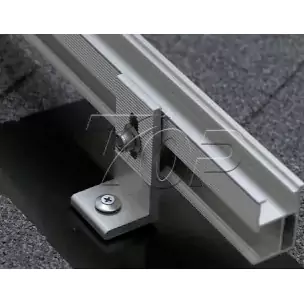
  • Roof attachment (lag/structural screw + base): The attachment is the load path. Look for robust bases that sit flat and distribute force without crushing shingle layers.
  • Flashing or integrated waterproofing: This is your leak-prevention core. A well-designed flashing should shed water naturally with the roof’s slope and shingle overlap.
  • Sealing interface: Sealant should support the flashing—not replace it. A good approach uses compression and proper surface contact to reduce reliance on sealant longevity.
  • Rail (or rail-less structure): Rails simplify alignment and load distribution. Rail-less can reduce material but requires confident layout control and consistent attachment spacing.
  • Module clamps and end caps: Clamps should match module frame specs and allow repeatable torque without slipping or frame damage.
  • Bonding/grounding hardware: A consistent bonding method reduces troubleshooting and inspection issues.

When these parts are designed as one system, installation gets faster and the roof stays protected. When they’re mixed from different sources, small incompatibilities become expensive callbacks.

Xiamen Topfencesolar Co., Ltd. supports shingle-roof solar projects with purpose-built mounting solutions designed to balance roof protection, installation efficiency, and long-term reliability—especially in projects where “no leaks” is not negotiable.


Selection Checklist for Procurement and Project Owners

Use this checklist to evaluate any Asphalt Shingle Roof Mounting System before you commit. It’s written to protect both project performance and roof integrity.

  • Roof compatibility: Confirm it is explicitly designed for asphalt shingles (not only “sloped roofs” in general).
  • Water management approach: Prefer flashing that integrates with shingle courses and uses gravity-driven drainage.
  • Structural fastening: Ask what fasteners are used, what substrate they require, and how installers verify rafter hit rate.
  • Material and corrosion resistance: Check aluminum grade, stainless steel type, coatings, and isolation methods for dissimilar metals.
  • Adjustability: Confirm vertical and lateral adjustment ranges for uneven roofs and alignment correction.
  • Hardware standardization: Fewer unique bolts and parts usually means fewer installation errors.
  • Documentation and training: Clear instructions reduce installer variability and help inspections go smoothly.
  • Quality control: Look for traceability, consistent machining, and packaging that prevents mixed-part confusion onsite.
  • Warranty clarity: Ensure product warranty terms are straightforward and that responsibilities are clearly defined.

Comparison Table

Buyer Concern What to Look For What to Avoid Practical Result
Leaks over time Flashing that sits correctly under shingles and sheds water naturally Sealant-only “fixes” without a true water-shedding design Lower callback risk and better roof protection
Storm and wind uplift Structural fastening into rafters and tested load paths Fastening into sheathing only or inconsistent rafter engagement More stable array in high winds
Installer speed Standardized hardware and forgiving adjustability Too many unique parts and tight tolerances Faster installs with fewer mistakes
Corrosion concerns Appropriate aluminum/stainless selection plus isolation for mixed metals Unknown grades or direct contact between incompatible metals Better longevity, fewer replacements
Inspection readiness Clear instructions, torque guidance, and grounding consistency Ambiguous bonding methods and undocumented steps Smoother approvals and commissioning

If two systems look similar in photos, the table above is where you’ll spot the real difference: how they manage water, how they carry loads, and how consistently they can be installed.


Installation Notes That Prevent Leaks and Callbacks

Even the best Asphalt Shingle Roof Mounting System can fail if the roof interface is rushed. These are the practical behaviors that separate a clean project from a painful one:

  • Rafter targeting is non-negotiable: Use reliable locating methods and document the approach. Missed rafters can lead to loosening and water issues.
  • Respect the shingle layers: Shingles are a water-shedding system. Flashing should integrate with that logic, not fight it.
  • Use sealant as support, not as the plan: Sealant ages. A design that relies on geometry and compression tends to be more dependable.
  • Maintain consistent torque: Over-tightening can deform parts and under-tightening can allow movement. Consistency matters.
  • Keep array layout stress-free: If installers “force” rails into position, you may be building stored stress into the system.
  • Plan cable routes and roof penetrations early: Fewer penetrations with cleaner routes reduces risk and looks more professional.

A simple rule of thumb: if the roof looks calmer after installation than before, your installer is doing it right. If shingles look lifted, crushed, or oddly tensioned, that’s a warning sign.


Maintenance and Long-Term Reliability
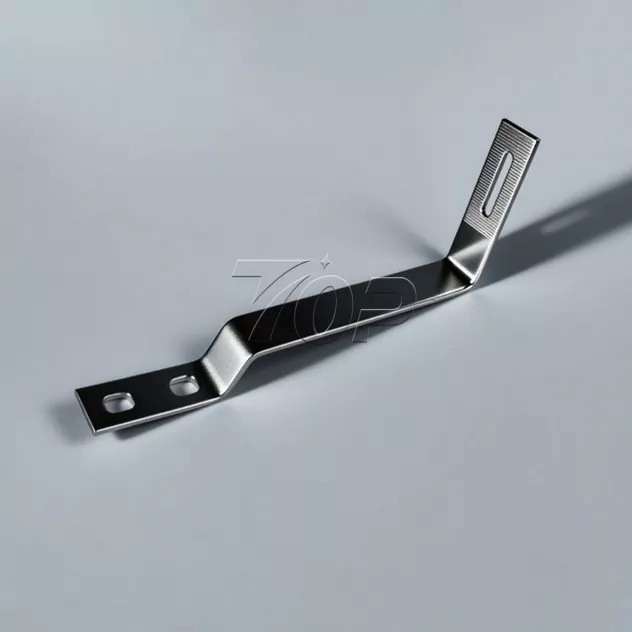
Asphalt Shingle Roof Mounting System

Shingle-roof solar is often marketed as “low maintenance,” which is mostly true—if the mounting system is chosen and installed properly. To keep things predictable:

  • Inspect after major storms: Not because failure is expected, but because early detection is cheap.
  • Check for visible shingle disturbance: Any lifting around attachments deserves attention.
  • Look for corrosion early in harsh environments: Surface changes can signal material mismatch or coating damage.
  • Confirm clamp tightness at intervals: Especially in the first year as the roof and hardware settle.

The goal is not constant monitoring. The goal is confidence: your roof stays dry, your array stays solid, and your system output stays stable.
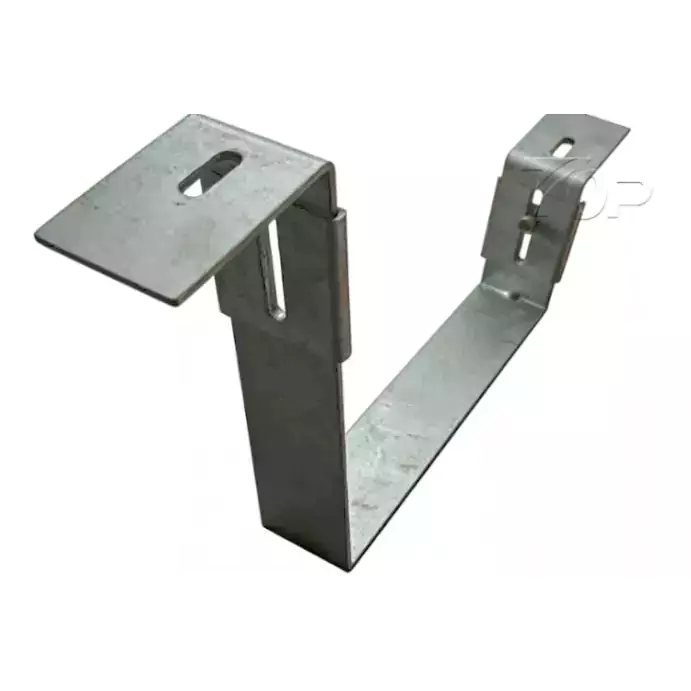
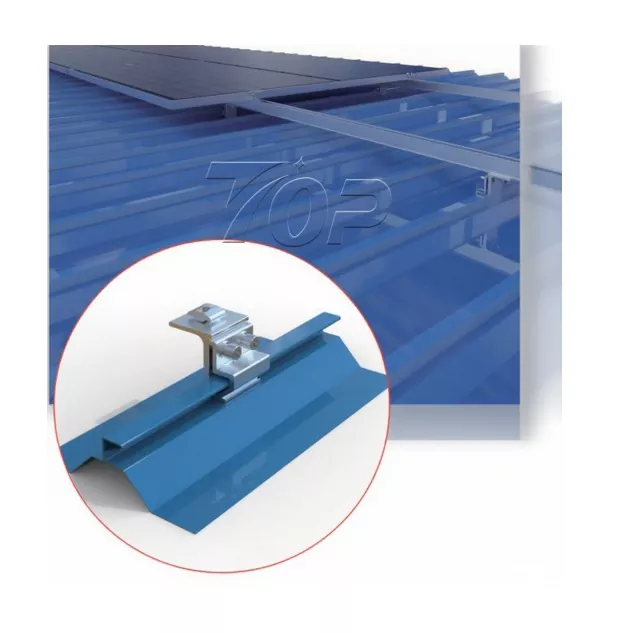
FAQ

Q: Can an Asphalt Shingle Roof Mounting System be truly watertight?

A: Yes—when it uses proper flashing integration and consistent installation. The most reliable designs manage water with geometry and shingle overlap, not sealant alone.

Q: Will solar mounting automatically void my roof warranty?

A: Not automatically, but it depends on your roof manufacturer’s terms and whether penetrations are flashed correctly. A system designed specifically for shingles and installed to documented procedures reduces disputes.

Q: What’s the biggest mistake buyers make when selecting a shingle-roof mounting system?

A: Choosing based on price or photos instead of water management and structural fastening details. Two systems can look similar but behave very differently over time.

Q: How do I know the system can handle strong winds?

A: Ask how loads transfer to rafters, what fastening method is used, and what documentation is available for design loads. Wind resistance is primarily about attachment quality and spacing discipline.

Q: Is rail-less always better for asphalt shingles?

A: Not always. Rail-less can reduce material, but rails often make alignment easier and distribute loads more evenly. The “best” choice depends on roof geometry, installer skill, and project priorities.

Q: What materials should I prioritize in coastal areas?

A: Corrosion-resistant combinations and isolation between dissimilar metals. If the supplier can’t clearly state material grades and protection strategy, treat that as a risk.


Next Steps

If your priority is a clean-looking array that stays secure through storms while keeping the roof dry year after year, treat the mounting system as an engineering decision—not a commodity. A well-chosen Asphalt Shingle Roof Mounting System protects your roof, reduces installation variability, and helps your project stay quiet (the good kind of quiet).

Want help matching the right shingle-roof mounting approach to your roof structure, climate, and project scale? Reach out to Xiamen Topfencesolar Co., Ltd. and contact us to discuss your requirements and get a practical recommendation.

Related News
Leave me a message
X
We use cookies to offer you a better browsing experience, analyze site traffic and personalize content. By using this site, you agree to our use of cookies. Privacy Policy
Reject Accept