
Industry News
 13 2026-05
 City Privacy Barrier Redefined: The Rise of Solar Privacy Fencing as a Smart Urban Solution
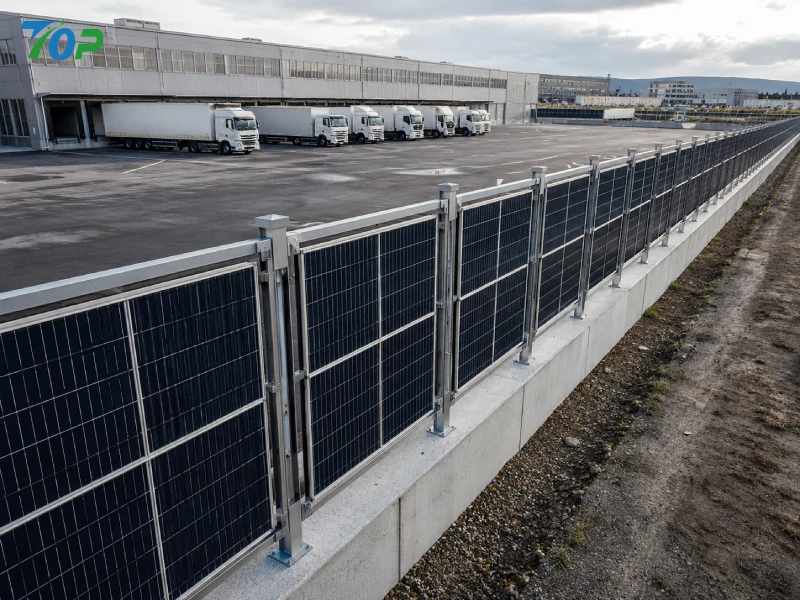
Solar privacy fencing is an innovative B2B infrastructure solution that combines perimeter security with photovoltaic power generation. As urban and industrial spaces become more constrained, EPC contractors and developers are increasingly adopting solar privacy fencing to maximize land-use efficiency without expanding rooftop or ground-mounted PV systems. Using AL6005-T5 aluminum structures, SUS304 stainless steel fasteners, and modular PV mounting systems, these solutions provide long-term durability, fast installation, and compliance with TÜV and IEC standards. For distributors and wholesale buyers, solar privacy fencing offers scalable commercial opportunities, strong ROI potential, ESG advantages, and reduced operational energy costs across industrial, commercial, and smart city projects.
 12 2026-05
 Solar PV Mounting System Corrosion Resistance Ratings: From C3 to C5
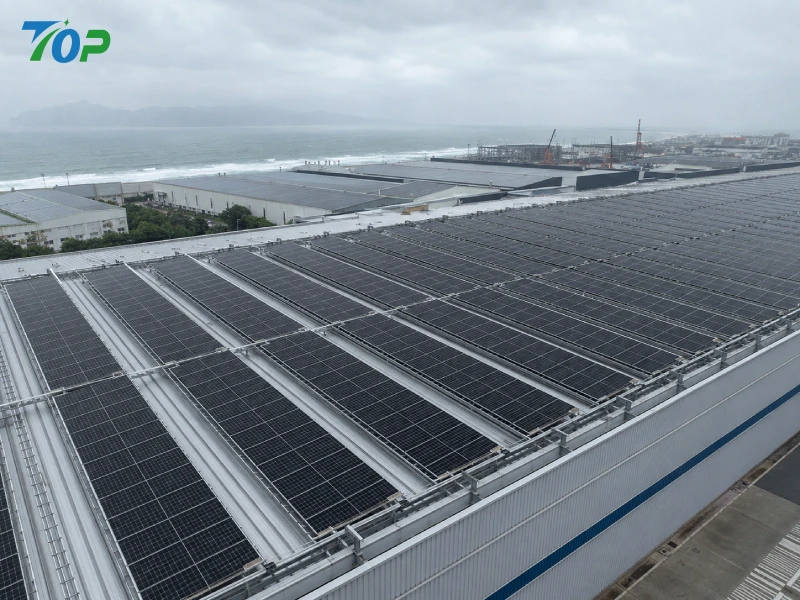
Choosing the correct solar mounting system corrosion resistance level is critical for long-term photovoltaic project reliability. This guide compares C3, C4, and C5 corrosion ratings, explaining how environmental conditions such as salt spray, humidity, industrial pollution, and coastal exposure affect PV mounting structures. Designed for EPC contractors, solar installers, and distributors, the article explores anti-corrosion materials, galvanized steel vs aluminum systems, stainless steel fasteners, and certification standards. It helps B2B buyers reduce maintenance costs, improve waterproof reliability, extend system lifespan, and select the most cost-effective corrosion-resistant solar mounting solution for commercial, industrial, agricultural, and marine photovoltaic projects.
 11 2026-05
 How Vertical Solar Systems Reduce Farm Carbon Footprint
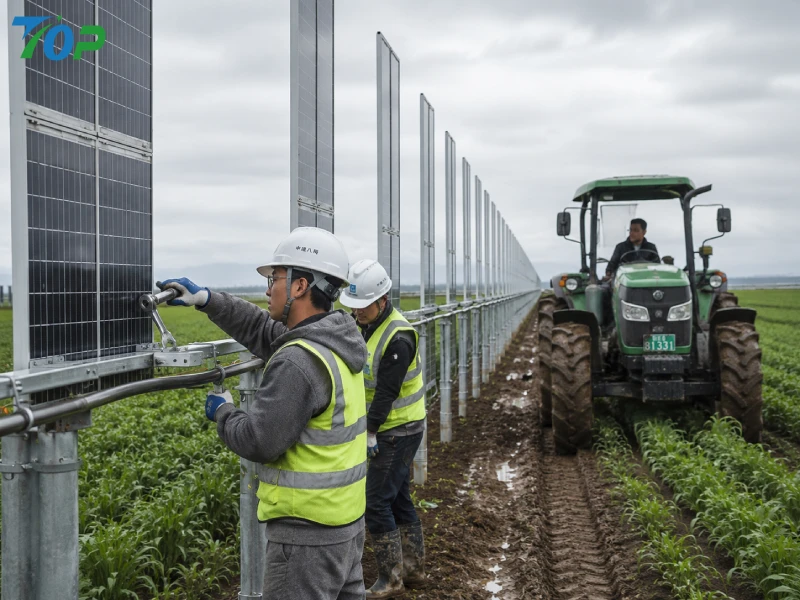
Vertical solar systems for farms are becoming a leading agrivoltaic solution for reducing agricultural carbon emissions while preserving valuable farmland. Unlike traditional ground-mounted PV systems, vertical solar installations support crop production, livestock grazing, and renewable energy generation simultaneously. This guide explains how vertical agrivoltaic systems improve land efficiency, reduce diesel dependency, and support long-term farm sustainability. It also explores key engineering factors including bifacial PV optimization, waterproof cable management, corrosion-resistant materials, and EPC-friendly installation design. For EPC contractors, solar installers, and PV distributors, vertical solar systems offer faster deployment, lower maintenance costs, and strong commercial potential in the growing agricultural renewable energy market.
 08 2026-05
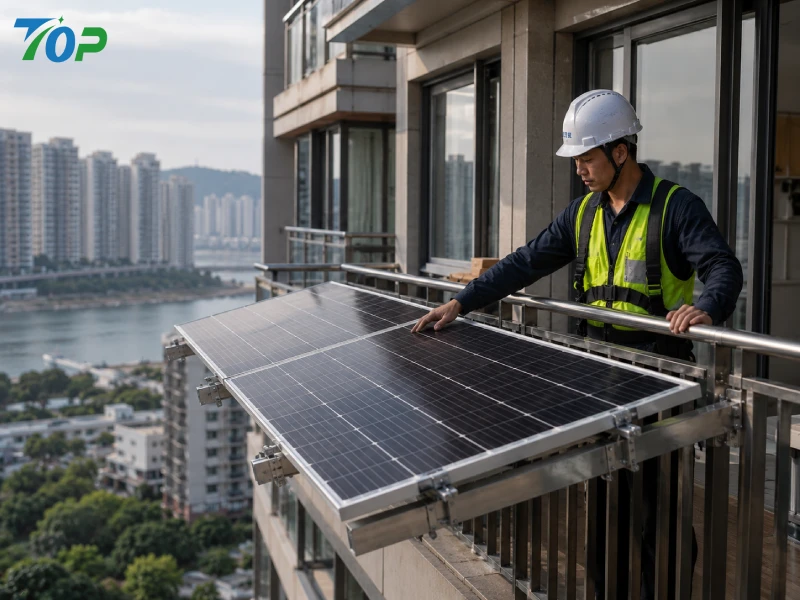
 Best Balcony Solar Hooks 2026: Complete Buyer’s Guide for EPCs, Installers & Solar Distributors
As balcony photovoltaic systems expand across Europe and urban residential markets, EPC contractors and solar distributors face growing pressure to improve installation speed, waterproof reliability, and long-term structural safety. This guide explores the best balcony solar hooks 2026, including SUS304 stainless steel mounting solutions, adjustable hook systems, and non-penetrating balcony PV designs. Learn how professional installers reduce labor costs, minimize corrosion risks, and simplify inventory management with universal solar mounting systems. Designed for B2B buyers, this article provides practical procurement insights, engineering considerations, and supplier evaluation strategies to improve project profitability and long-term photovoltaic system performance.
 07 2026-05
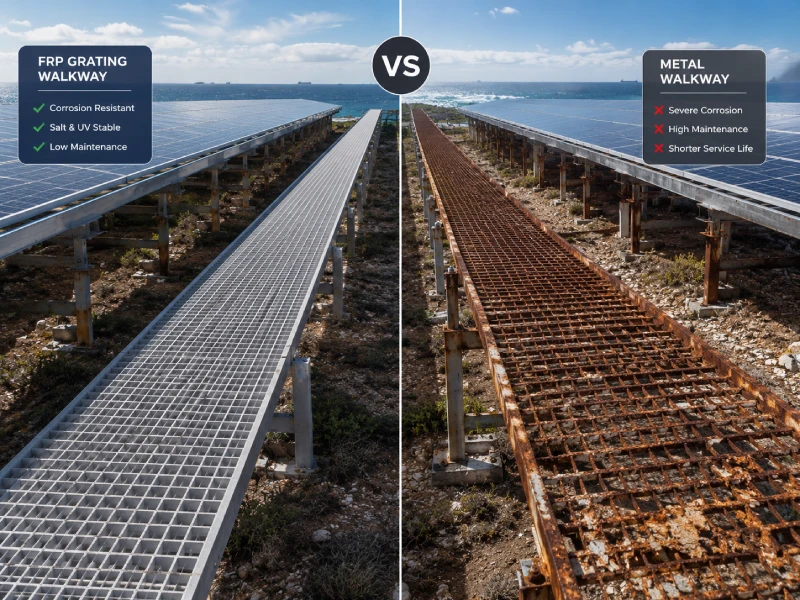
 Why FRP Grating is the Best Material for PV O&M Walkways (FRP Solar Grating vs Metal)
In utility-scale and commercial solar projects, material selection for O&M walkways directly impacts installation efficiency, maintenance cost, and long-term ROI. This article delivers a technical comparison of FRP solar grating vs metal, helping EPC contractors and distributors evaluate performance, corrosion resistance, and lifecycle value. By addressing real-world challenges such as coastal corrosion, rooftop waterproofing, and labor efficiency, it provides actionable insights for smarter procurement decisions. For B2B buyers, this guide highlights how FRP grating reduces total cost of ownership while improving system reliability—making it a strategic upgrade over traditional metal solutions.
 06 2026-05
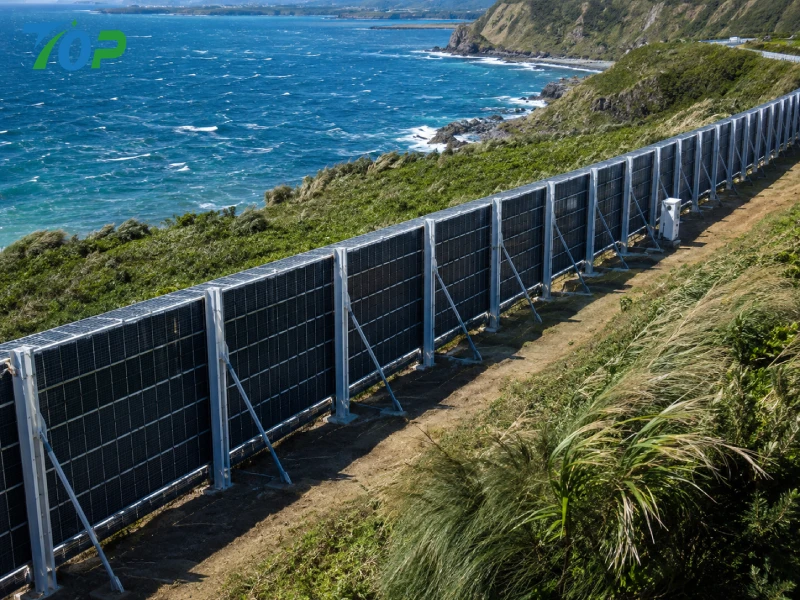
 High-Wind Region PV Fence Reinforcement: Engineering Guide for EPC Contractors & Installers
In high-wind regions, inadequate solar fencing design can lead to structural failure, increased maintenance costs, and unstable ROI. This guide explores advanced PV fence reinforcement strategies, including wind load optimization, material selection, and foundation engineering tailored for EPC contractors and solar distributors. By addressing real-world installation challenges and procurement considerations, this article provides actionable solutions to enhance system durability, reduce lifecycle costs, and improve project bankability. Designed for B2B decision-makers, it bridges engineering precision with commercial value, helping you deploy reliable, high-performance photovoltaic fencing systems in demanding environments.