
Industry News
 29 2026-04
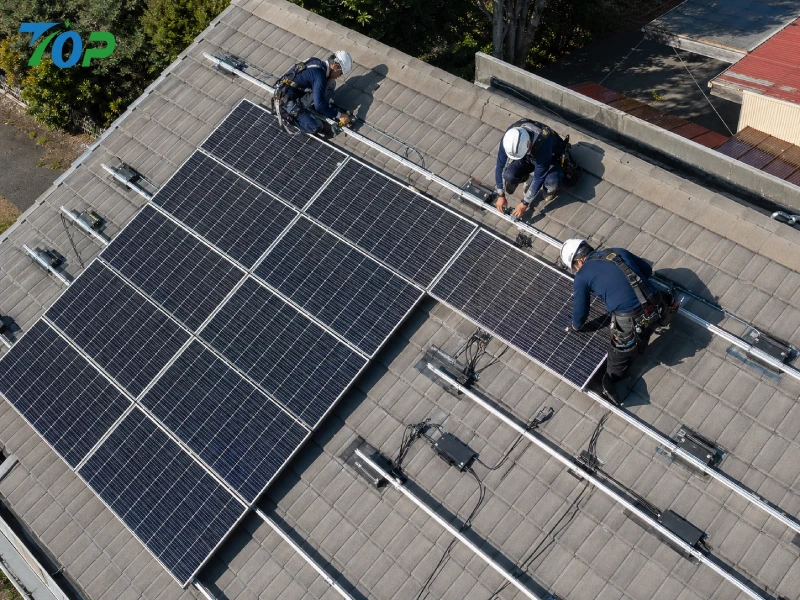
 Why Plug-in Solar (Plug & Play PV) Is Transforming Distributed Energy: Policy, Technical Standards & B2B Engineering Guide
Plug-in solar systems are reshaping the distributed PV market through rapid installation, simplified grid connection, and reduced labor costs. This B2B analysis evaluates system architecture, engineering standards, and global policies, comparing ROI and efficiency with traditional PV systems.
The guide addresses technical constraints like export limits and power ceilings, while offering strategic insights on bulk procurement, certification, and cost optimization. It serves as a decision-making framework for EPCs and distributors seeking scalable, compliant, and cost-efficient solar deployment.
 28 2026-04
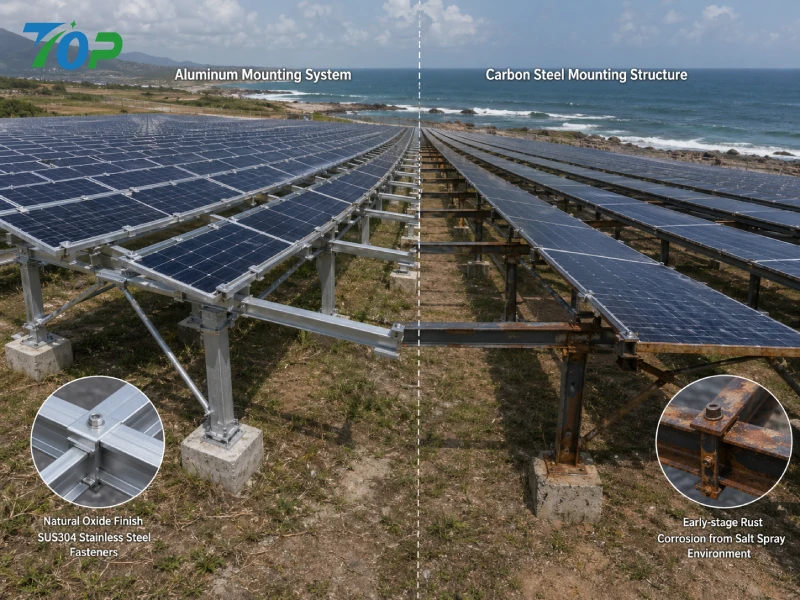
 Aluminum vs Carbon Steel: Which Solar Mounting System Is Better for Coastal Environments?
This guide compares aluminum and carbon steel solar mounting systems for coastal environments, analyzing corrosion resistance, structural performance, and lifecycle ROI. It provides EPC contractors and distributors with practical material strategies to mitigate salt spray risks and optimize cost-efficiency for maritime PV projects.
 24 2026-04
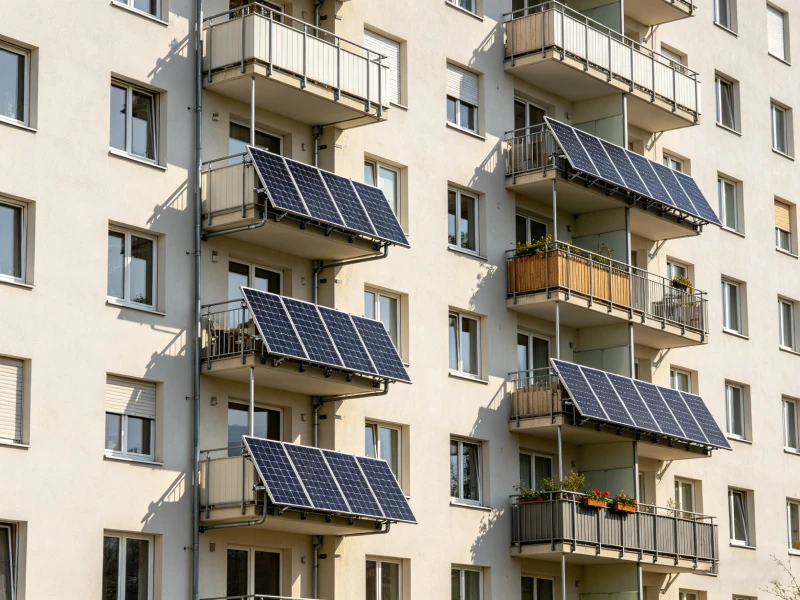
 DIY Balcony Solar Kit Installation: 15-Minute Fast Setup Guide for EPCs and Installers
As urban solar demand accelerates, EPC contractors and distributors are under increasing pressure to reduce installation time, control labor costs, and improve structural reliability in balcony PV projects. Traditional mounting systems often create inefficiencies in installation workflows and long-term maintenance risks. This article explains how DIY balcony solar kit installation systems enable faster deployment through modular, pre-engineered designs that can reduce installation time to as little as 15 minutes. It highlights how standardized structures improve safety, consistency, and project ROI. For EPC contractors and solar distributors, this guide provides a practical evaluation framework covering materials, certification standards, and total cost of ownership, helping decision-makers adopt scalable and cost-efficient balcony solar solutions.
 22 2026-04
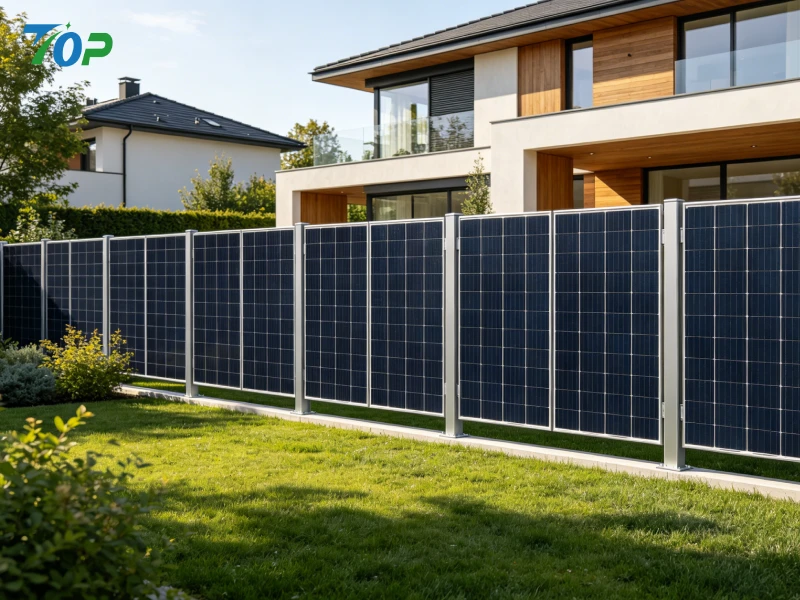
 Solar Fence System Case Study in Europe: Real ROI, Installation Efficiency & Measured Performance for EPC Contractors
As rooftop limits and rising costs challenge PV projects, this solar fence system case study shows how a European villa achieved higher ROI, faster installation, and scalable value for EPCs and distributors.
 20 2026-04
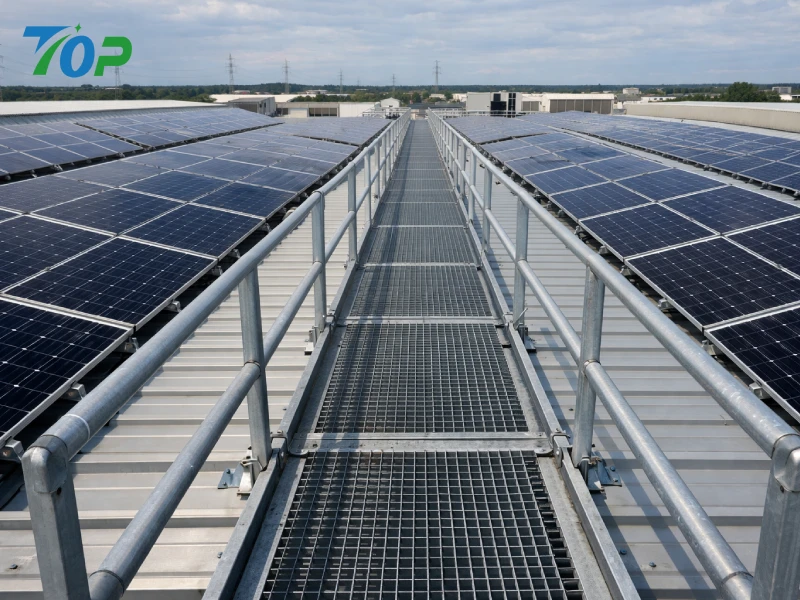
 The Importance of Solar Walkway Systems in Commercial and Industrial Roof Safety
As commercial and industrial rooftop solar projects continue to scale, ensuring safe and efficient access has become a critical challenge for EPC contractors and system owners. High-density PV layouts often compromise maintenance pathways, increasing risks of worker accidents, module damage, and long-term operational inefficiencies.
This article explores how implementing a professional solar walkway system can significantly improve rooftop safety, streamline installation workflows, and reduce lifecycle maintenance costs. By analyzing key technical specifications, material options, and integration strategies, it provides practical insights for optimizing both performance and durability.
For B2B buyers, distributors, and project developers, solar walkways are not just a safety feature—they are a strategic investment that enhances system reliability, minimizes operational risks, and ultimately improves project ROI.
 16 2026-04
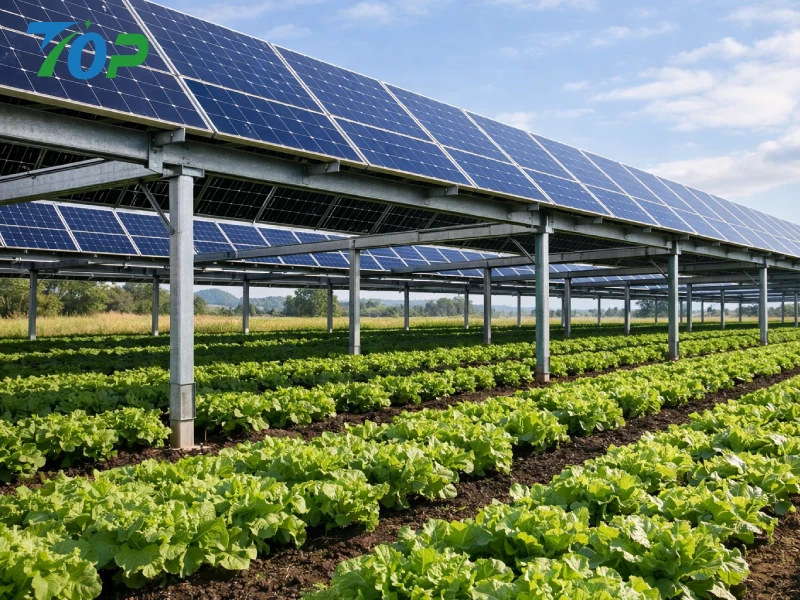
 Agrivoltaics: How to Grow High-Yield Crops Under Solar Panels
Agrivoltaics is rapidly transforming how land is utilized by combining solar energy generation with agricultural production. As land costs rise and renewable energy targets tighten, developers and agricultural investors are seeking solutions that deliver both efficiency and long-term returns. This article explores how agrivoltaics systems enable crops to grow under solar panels, focusing on crop selection, system design, and yield optimization strategies.
It also provides practical insights into improving land-use efficiency, reducing operational risks, and maximizing ROI through optimized solar mounting structures. For B2B stakeholders, including EPC contractors and project developers, this guide offers a clear framework for implementing agrivoltaics solutions that balance energy output with agricultural productivity. Whether planning a new project or optimizing an existing system, this guide helps decision-makers unlock the full commercial potential of agrivoltaics.