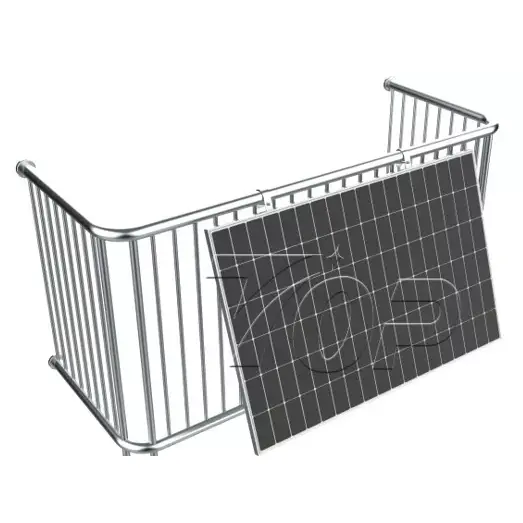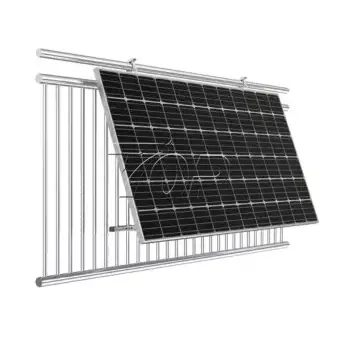
DIY Balcony Solar Kit Installation: 15-Minute Fast Setup Guide for EPCs and Installers
Why Installation Efficiency Is Now a Critical KPI for EPC Contractors
In today’s solar industry, EPC contractors and professional installers are under increasing pressure from rising labor costs, stricter structural compliance requirements, and shrinking project margins. At the same time, urban residential demand for balcony photovoltaic systems is growing rapidly due to policy incentives, high electricity prices, and the push for decentralized energy solutions. Under these conditions, improving installation efficiency is no longer optional—it is directly tied to project ROI and competitiveness.
The traditional approach to balcony PV deployment is often time-consuming, labor-intensive, and highly dependent on installer experience. This creates variability in project timelines and increases the risk of structural or waterproofing failures. As a result, many EPC firms are actively searching for faster, more standardized solutions such as DIY balcony solar kit installation systems that simplify on-site work while maintaining engineering reliability.
This article helps EPC contractors, solar installers, and distributors evaluate how DIY balcony solar kit installation systems can reduce installation time to as little as 15 minutes, while improving structural safety, reducing after-sales risk, and optimizing total project ROI. We will break down the limitations of traditional systems, analyze the engineering behind fast-install mounting kits, and provide actionable insights for procurement and deployment decisions.
For distributors and wholesalers, the challenge is equally significant. Managing multiple SKUs, ensuring certification compliance, and maintaining cost efficiency across different markets requires a more standardized product approach. A modular balcony solar mounting system not only simplifies logistics but also improves inventory turnover and scalability.
As the industry shifts toward plug-and-play PV solutions, DIY balcony solar kit installation is becoming a key trend that aligns installation efficiency with structural engineering best practices. Understanding this transition is essential for any B2B player aiming to stay competitive in the evolving solar market.
Why Traditional Balcony Solar Installations Are Still Inefficient
Complex Installation Processes Increase Labor Cost
Traditional balcony solar mounting systems typically require multiple installation steps, including drilling, rail alignment, bracket fixing, and waterproof sealing. These processes demand a wide range of tools and skilled labor, which significantly increases installation time and cost.
In many real-world projects, installation time per unit can range from 30 minutes to over 2 hours depending on site conditions. This variability makes it difficult for EPC contractors to standardize workflows and accurately estimate labor costs. Additionally, reliance on skilled technicians limits scalability, especially in regions facing labor shortages.
From a project management perspective, inefficient installation directly impacts scheduling and delays system commissioning. This reduces capital efficiency and delays revenue generation for project owners.
Structural Stability Concerns in High-Rise Balcony Applications
Balcony solar systems are often installed in high-rise environments where wind loads are significantly higher than ground-mounted systems. Traditional mounting structures frequently lack proper engineering validation, leading to uneven load distribution and potential structural instability.
Inadequate design can result in bracket deformation, loosening of fasteners, or even system detachment under extreme weather conditions. These risks are particularly critical in coastal regions and typhoon-prone areas, where wind uplift forces must be carefully calculated and mitigated.
Without standardized structural calculations and tested designs, EPC contractors face increased liability and potential warranty claims, which negatively impact long-term profitability.
Waterproofing Failures and Long-Term Maintenance Risks
One of the most common issues in traditional balcony solar installations is waterproofing failure caused by drilling into structural surfaces. Improper sealing can lead to water leakage, structural damage, and costly repairs over time.
Many conventional systems rely on manual sealing methods that vary in quality depending on installer skill. This inconsistency increases the likelihood of long-term maintenance issues and customer complaints, particularly in residential applications where aesthetics and durability are critical.
For EPC contractors, these failures translate into higher after-sales service costs and reputational risk, especially in competitive B2B markets.
Fragmented Supply Chain and Inventory Inefficiency
Traditional balcony mounting solutions often require multiple customized components, leading to complex procurement processes and inefficient inventory management. Distributors must stock various brackets, rails, fasteners, and accessories to accommodate different project requirements.
This fragmentation increases operational complexity and ties up working capital in slow-moving inventory. It also creates inconsistencies in product quality and compatibility, which can delay project execution.
In contrast, a standardized DIY balcony solar kit installation system offers a unified solution that reduces SKU complexity and improves supply chain efficiency, making it more attractive for large-scale distribution and EPC deployment.
Hidden Costs and Risks Behind Inefficient Balcony Solar Installations
Installation Delays Directly Erode EPC Project ROI
For EPC contractors operating in competitive bid environments, installation efficiency is not just an operational metric—it is a direct determinant of profitability. Traditional balcony PV systems, with installation times ranging from 30 to 120 minutes per unit, introduce significant variability into project timelines. When multiplied across multi-unit residential deployments, this inefficiency translates into substantial labor overruns.
For example, in a 500-unit apartment deployment, even a 20-minute excess installation time per unit results in over 166 additional labor hours. This directly increases project costs and reduces margin flexibility during tender bidding. In contrast, standardized DIY balcony solar kit installation systems compress installation time to approximately 15 minutes, enabling predictable scheduling and improved workforce allocation.
Furthermore, delayed installation impacts downstream processes such as system commissioning, grid connection approvals, and final project handover. These delays extend the revenue realization cycle for investors and reduce overall project IRR (Internal Rate of Return), making efficiency a critical financial parameter.
After-Sales Liability from Structural and Material Failures
One of the most underestimated risks in balcony PV systems is long-term structural failure. Many traditional mounting systems lack rigorous wind load validation and rely on generic aluminum profiles with inconsistent material quality. Under high wind conditions—particularly in coastal or high-rise environments—these systems are prone to deformation, loosening, or fatigue failure.
In addition, the use of non-certified fasteners or low-grade stainless steel increases the risk of corrosion over time. Once corrosion initiates, structural integrity degrades rapidly, leading to safety hazards and costly maintenance interventions. For EPC contractors, these failures translate into warranty claims, legal liabilities, and reputational damage.
By contrast, engineered DIY balcony solar kit installation systems utilize certified materials such as SUS304 or SUS316 stainless steel combined with anodized aluminum alloys, ensuring long-term corrosion resistance and structural stability under defined load conditions.
Compliance Risks and Certification Gaps
Global solar markets are increasingly regulated, with strict requirements for structural safety, material certification, and installation standards. Balcony PV systems that fail to meet TÜV, CE, or equivalent certification standards may be rejected during inspection or fail to qualify for insurance coverage.
For EPC contractors, non-compliance introduces significant project risk. Delays in approval can halt project progress, while retrofitting non-compliant systems adds unexpected cost. In some cases, entire installations may need to be dismantled and replaced.
A properly designed DIY balcony solar kit installation system addresses these concerns by integrating compliance into the product design phase, ensuring that all components meet internationally recognized standards and simplifying the approval process for project developers.
Operational Inefficiency for Distributors and Wholesalers
From a supply chain perspective, fragmented product systems create inefficiencies in inventory management. Distributors must maintain multiple SKUs to accommodate different balcony types, module sizes, and regional installation requirements. This increases storage costs, reduces inventory turnover, and complicates logistics.
Additionally, inconsistent product specifications across suppliers can lead to compatibility issues, resulting in project delays and increased return rates. A modular DIY balcony solar kit installation approach standardizes components, enabling distributors to streamline inventory, reduce procurement complexity, and improve fulfillment efficiency.
15-Minute DIY Balcony Solar Kit Installation System
Engineering Principles Behind a True 15-Minute Installation System
A genuine fast-install balcony solar system is not simply a simplified version of traditional mounting—it is the result of deliberate engineering optimization across structure, materials, and assembly workflow. The goal is to eliminate unnecessary installation steps while maintaining or improving structural performance.
Key design principles include pre-assembled components, snap-fit mechanical connections, and minimized reliance on specialized tools. Instead of on-site customization, the system is designed for repeatability, allowing installers to follow a standardized process regardless of project scale.
This approach ensures that DIY balcony solar kit installation is not only faster but also more consistent, reducing variability between installation teams and improving overall quality control.
Step-by-Step 15-Minute Installation Workflow
The installation process is engineered to minimize complexity and maximize efficiency. A typical workflow includes:
Step 1: Positioning and Alignment (2–3 minutes)
The mounting brackets are positioned on the balcony railing or surface using pre-calibrated alignment guides. No drilling is required, eliminating the need for structural penetration.
Step 2: Bracket Fixation (3–5 minutes)
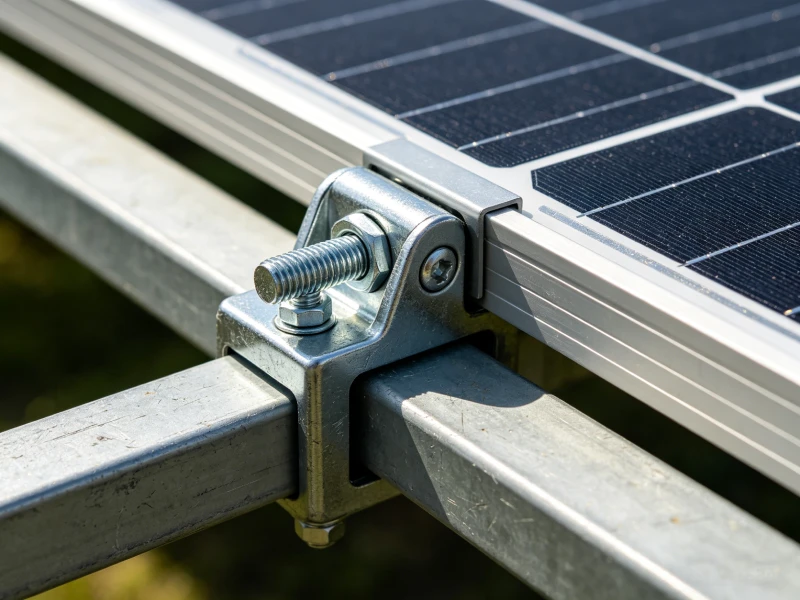
Clamp-based or hook-based fixation systems secure the brackets in place. These systems are designed to distribute load evenly and prevent localized stress points.
Step 3: Rail Installation (3–4 minutes)
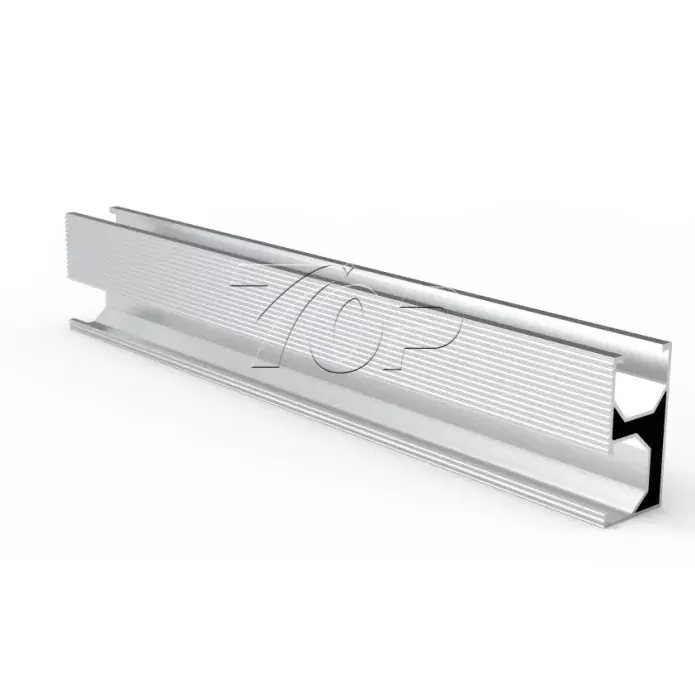
Pre-cut rails are attached using snap-lock or bolt-assisted connections. The design ensures correct spacing and alignment without manual measurement.
Step 4: PV Module Mounting (4–5 minutes)
Solar panels are secured using pre-torqued mid and end clamps. Torque control is simplified to ensure consistent fastening force.
Step 5: Final Safety Inspection (1–2 minutes)
Installers perform a quick inspection to verify structural stability, alignment, and fastening integrity.
This streamlined workflow enables full system installation within approximately 15 minutes under standard conditions, significantly improving labor efficiency.
Non-Drilling Design and Waterproof Integrity
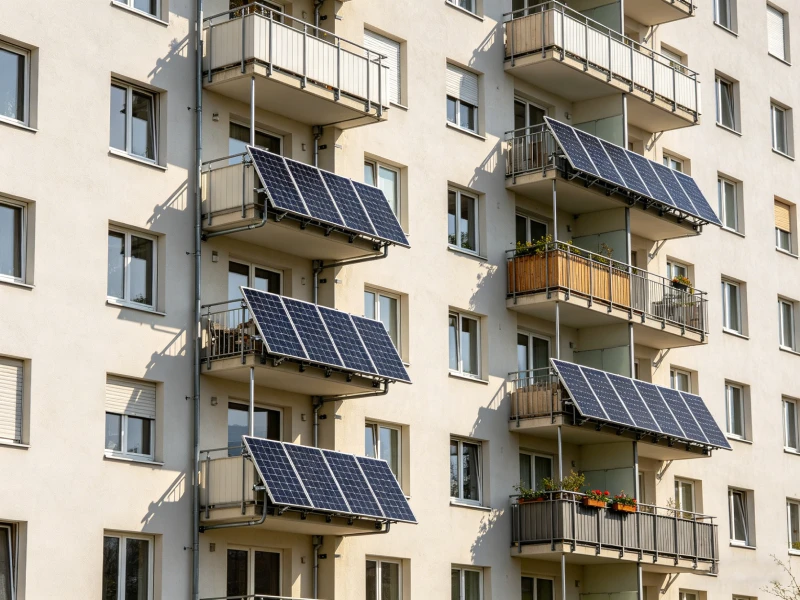
One of the defining features of advanced DIY balcony solar kit installation systems is the elimination of drilling. By using clamp-based or hook-based mounting methods, the system avoids penetration of structural surfaces, preserving waterproof integrity.
This design not only reduces installation time but also eliminates one of the primary causes of long-term maintenance issues—water leakage. For residential applications, this is particularly important, as property damage from improper sealing can lead to costly disputes and repairs.
Additionally, non-drilling systems are easier to remove or reposition, providing flexibility for temporary installations or rental properties.
Structural Optimization for High-Wind Environments
High-rise balcony installations must account for significant wind uplift forces. Advanced systems incorporate aerodynamic design features, optimized tilt angles, and reinforced connection points to enhance stability.
Load distribution is carefully engineered to prevent stress concentration, while anti-slip and anti-vibration features improve system resilience under dynamic conditions. These design elements ensure that the system maintains structural integrity even in challenging environments.
Technical Parameters of Balcony Solar Mounting System
Material Specifications and Corrosion Resistance
High-quality materials are essential for long-term performance. Standard configurations include:
- Aluminum Alloy: 6005-T6 or 6063-T5 (high strength-to-weight ratio)
- Fasteners: SUS304 or SUS316 stainless steel
- Surface Treatment: Anodized coating ≥10–15 μm for corrosion resistance
These materials ensure durability in outdoor environments, including coastal regions with high humidity and salt exposure.
Load Capacity and Wind Resistance Performance
Structural performance is defined by the system’s ability to withstand static and dynamic loads. Typical parameters include:
- Static Load Capacity: Designed according to regional building codes
- Wind Resistance: Engineered for high-wind zones (e.g., ≥34–46 m/s depending on design)
- Tilt Angle Range: Adjustable between 10°–30° for optimal energy yield
All parameters should be supported by structural calculation reports and, where applicable, third-party testing.
Module Compatibility and System Flexibility
A key advantage of modular systems is compatibility with a wide range of PV modules. Typical support includes:
- Module Power Range: 400W–600W
- Frame Thickness: 30–40 mm
- Universal Rail Interface for cross-brand compatibility
This flexibility allows EPC contractors and distributors to standardize mounting solutions across different projects and suppliers.
Certification and Quality Assurance Standards
Compliance with international standards is critical for project approval and long-term reliability. Key certifications include:
- TÜV certification for structural safety
- CE marking for European market compliance
- ISO 9001 certification for manufacturing quality control
These certifications provide assurance to EPC contractors, investors, and regulatory authorities that the system meets required performance and safety standards.
Traditional Systems vs 15-Minute DIY Balcony Solar Kit Installation
Installation Efficiency Comparison
| Factor | Traditional System | DIY 15-Min System |
|---|---|---|
| Installation Time | 30–120 minutes | ~15 minutes |
| Tools Required | Multiple specialized tools | Minimal tools |
| Labor Skill Requirement | High | Low–Medium |
Structural Reliability Comparison
| Factor | Traditional System | DIY Kit System |
|---|---|---|
| Wind Resistance | Inconsistent | Engineered and validated |
| Material Quality | Variable | SUS304 + anodized aluminum |
| Failure Risk | Higher | Reduced through modular design |
Total Cost of Ownership (TCO) Analysis
While the upfront cost of modular systems may be comparable to traditional solutions, the total cost of ownership is significantly lower due to reduced labor, lower maintenance frequency, and fewer warranty claims.
For EPC contractors, this translates into higher project margins and improved bid competitiveness. For distributors, it means faster inventory turnover and reduced operational complexity.
Ultimately, the DIY balcony solar kit installation model delivers value not only through installation speed but also through long-term reliability and cost efficiency, making it a strategic choice for modern solar deployment.
Professional Installation Recommendations – Engineering Best Practices for EPC Contractors
Standardizing Installation Procedures for Scalable Deployment
For EPC contractors managing multi-unit or multi-site balcony PV deployments, standardization is the foundation of efficiency and quality control. Even with advanced DIY balcony solar kit installation systems, inconsistent installation practices can lead to performance deviations and long-term reliability issues.
To ensure uniform results across projects, contractors should establish standardized installation protocols, including torque specifications for fasteners, predefined bracket positioning guidelines, and inspection checklists. These procedures reduce dependency on individual installer experience and enable scalable workforce training.
In addition, adopting digital tools such as installation SOP documentation, mobile inspection apps, and photo-based verification can further enhance quality assurance and traceability. This is particularly important for large EPC firms handling geographically distributed projects.
Pre-Installation Structural Assessment and Load Verification
Before deploying any balcony solar system, a thorough structural assessment of the installation site is essential. This includes evaluating the load-bearing capacity of balcony railings or slabs, identifying potential stress points, and verifying compliance with local building codes.
Although DIY balcony solar kit installation systems are designed for ease of use, they must still operate within defined structural limits. EPC contractors should review engineering documentation such as load calculation reports and wind resistance data provided by the manufacturer.
In high-rise or coastal environments, additional considerations such as wind exposure category, building height, and surrounding structures must be factored into system selection and installation strategy.
Material Handling and Anti-Corrosion Measures
Proper handling of materials during installation is critical to maintaining long-term system performance. Even high-quality components such as anodized aluminum rails and stainless steel fasteners can be compromised by improper storage or handling.
Installers should avoid direct contact between dissimilar metals that may cause galvanic corrosion, ensure that protective coatings are not damaged during assembly, and verify that all fasteners are securely tightened according to specified torque values.
For projects in coastal or high-humidity regions, selecting systems that use SUS316 fasteners and enhanced anodization treatments can further improve corrosion resistance and extend system lifespan.
Post-Installation Inspection and Maintenance Strategy
Although modular systems significantly reduce maintenance requirements, a structured post-installation inspection protocol remains essential. EPC contractors should conduct initial inspections immediately after installation and schedule periodic checks to verify structural integrity and fastening conditions.
Key inspection points include clamp tightness, rail alignment, and any signs of material fatigue or corrosion. Establishing a preventive maintenance schedule not only reduces the likelihood of system failure but also enhances customer satisfaction and long-term service contracts.
Procurement Decision Framework – How to Evaluate Balcony Solar Kit Systems
Key Technical Criteria for Product Selection
When selecting a DIY balcony solar kit installation system, EPC contractors and distributors should evaluate products based on a comprehensive set of technical criteria rather than focusing solely on price.
- Structural Engineering Validation: Availability of load calculation reports and wind resistance testing data
- Material Quality: Use of certified aluminum alloys (6005-T6 / 6063-T5) and stainless steel (SUS304 / SUS316)
- Installation Efficiency: Verified installation time and workflow simplicity
- Compatibility: Support for a wide range of PV module sizes and frame thicknesses
- Corrosion Resistance: Anodization thickness and environmental durability
These factors directly influence system reliability, installation cost, and long-term performance.
Commercial Considerations for EPC and Distribution Businesses
Beyond technical specifications, procurement decisions must also consider commercial factors that impact overall business performance.
- Pricing Structure: Tiered pricing for bulk orders and project-based quotations
- Lead Time: Manufacturing capacity and delivery reliability
- Inventory Efficiency: SKU standardization and ease of storage
- After-Sales Support: Availability of technical assistance and warranty coverage
A well-balanced evaluation ensures that selected products align with both project requirements and business objectives.
Total Cost of Ownership (TCO) as a Decision Metric
Focusing solely on upfront product cost can be misleading. A more accurate approach is to evaluate the total cost of ownership, which includes installation labor, maintenance expenses, and potential warranty claims.
In many cases, a slightly higher initial investment in a high-quality DIY balcony solar kit installation system results in significant savings over the project lifecycle due to reduced labor time and lower failure rates.
For EPC contractors, this translates into improved project margins and reduced operational risk. For distributors, it enhances customer satisfaction and repeat business.
What Defines a Reliable Solar Mounting Manufacturer
Engineering Capability and Technical Support
A qualified supplier should provide more than just products—they should offer comprehensive engineering support. This includes structural calculation services, customized design solutions for specific projects, and detailed technical documentation such as CAD drawings and installation manuals.
For EPC contractors handling complex projects, access to engineering expertise is critical for ensuring compliance and optimizing system performance.
Manufacturing Standards and Quality Control
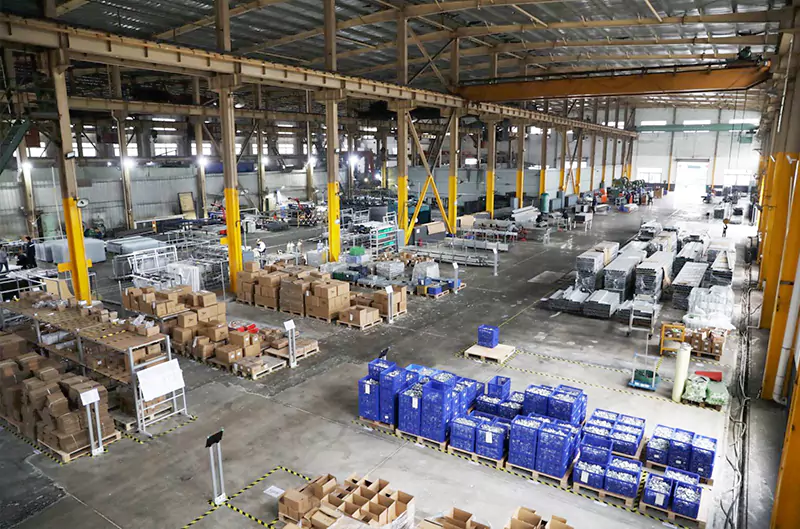
Manufacturing quality directly impacts product consistency and reliability. Reputable suppliers operate under ISO-certified quality management systems and implement strict quality control processes throughout production.
Key indicators of manufacturing excellence include precision machining, consistent anodization quality, and rigorous testing of components before shipment.
Certification and Global Compliance
Suppliers should provide products that meet international certification standards such as TÜV and CE. These certifications are essential for project approval in many markets and serve as a benchmark for product quality and safety.
Working with certified suppliers reduces compliance risk and simplifies the approval process for EPC projects.
Supply Chain Stability and Scalability
For large-scale deployments, supply chain reliability is a critical factor. Suppliers must demonstrate the ability to handle bulk orders, maintain consistent lead times, and support global logistics requirements.
A stable supply chain ensures that projects can proceed without delays, which is essential for maintaining client trust and meeting contractual deadlines.
Bulk Orders, Samples, and Engineering Support
Factory-Direct Supply Advantages
Working directly with manufacturers offers several advantages for EPC contractors and distributors. These include competitive pricing, consistent product quality, and direct access to technical support.
Factory-direct partnerships also enable customization options, allowing clients to adapt DIY balcony solar kit installation systems to specific project requirements.
Sample Request and Field Testing
Before committing to large-scale procurement, it is recommended to request sample kits for evaluation. Field testing allows contractors to verify installation efficiency, structural performance, and compatibility with selected PV modules.
This step reduces procurement risk and ensures that the system meets project expectations.
Bulk Pricing and Project-Based Quotation
For large EPC projects, suppliers typically offer tiered pricing structures based on order volume. Requesting a project-specific quotation allows contractors to optimize cost while ensuring that all technical requirements are met.
Distributors can also benefit from bulk pricing by improving margin potential and enhancing competitiveness in regional markets.
Engineering Consultation and Procurement Support
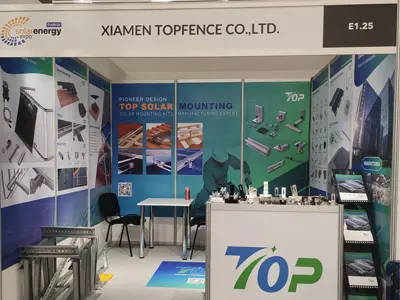
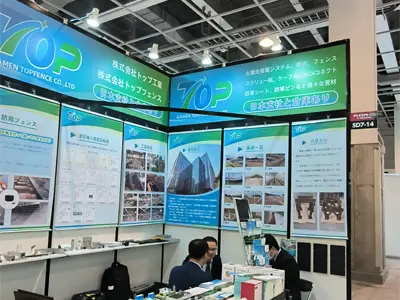
As a professional solar mounting system manufacturer, TOPFENCE specializes in engineering-driven balcony and distributed photovoltaic mounting solutions designed for EPC contractors, installers, and global distributors. With in-house manufacturing capability and strict quality control systems, we ensure consistent product performance, structural reliability, and scalable supply for large-volume projects.
For EPC contractors seeking to improve installation efficiency and reduce project risk, adopting a standardized DIY balcony solar kit installation system from a reliable manufacturer is a strategic step toward higher project ROI and lower operational complexity.
TOPFENCE provides full engineering support including structural calculation reports, CAD drawings, installation manuals, and system design optimization. We also offer sample kits for on-site validation and technical evaluation before bulk procurement.
With strong OEM/ODM capability, stable production capacity, and global export experience, we support distributors and EPC partners in scaling balcony solar deployment efficiently across residential and commercial markets.
Submit your project requirements to receive a fast quotation, customized engineering solution, and manufacturer-direct technical support from TOPFENCE to ensure successful deployment in your target market.
The Future of Balcony Solar Installation Is Modular, Fast, and Scalable
As the solar industry continues to evolve, the demand for efficient, reliable, and scalable installation solutions will only increase. Traditional balcony mounting systems, with their complexity and variability, are no longer sufficient to meet the needs of modern EPC contractors and distributors.
The shift toward DIY balcony solar kit installation represents a fundamental transformation in how photovoltaic systems are deployed in urban environments. By combining engineering precision with installation simplicity, these systems enable faster project delivery, lower costs, and improved long-term performance.
For B2B stakeholders, adopting modular balcony solar solutions is not just a technical upgrade—it is a strategic decision that enhances competitiveness, reduces risk, and drives sustainable growth in an increasingly demanding market.
15-Minute Balcony Solar Kit for EPC Projects
Reduce installation time and labor cost with a modular balcony PV mounting system designed for fast deployment, structural stability, and consistent engineering compliance.
Request Engineering Support & Pricing
Frequently Asked Questions (FAQ) – DIY Balcony Solar Kit Installation for EPC and Distributors
Q1: How fast can a DIY balcony solar kit installation be completed in real EPC projects?
In optimized conditions, a standardized DIY balcony solar kit installation can be completed in approximately 15–25 minutes per unit. The actual time depends on balcony structure type, installer experience, and pre-assembled component readiness. Compared to traditional systems requiring drilling and manual rail alignment, this significantly reduces labor time and improves project throughput for EPC contractors.
Q2: Is drilling required for balcony solar mounting systems?
Most modern balcony solar mounting systems are designed as non-drilling or minimal-drilling solutions using railing clamps or hook-based structures. This avoids structural damage to the building, reduces waterproofing risks, and simplifies installation approval in residential projects.
Q3: Can balcony solar kits withstand high wind loads in high-rise environments?
Yes. Engineering-grade systems are designed based on regional wind load standards, typically ranging from 34 m/s to 46 m/s depending on project location. Structural stability is ensured through aluminum alloy rails, SUS304 stainless steel fasteners, and optimized load distribution across balcony railing or slab anchoring points.
Q4: What materials are used in professional balcony solar mounting systems?
High-quality systems typically use 6005-T6 or 6063-T5 aluminum alloy for structural rails and SUS304 or SUS316 stainless steel for fasteners. These materials provide corrosion resistance, mechanical strength, and long-term durability in outdoor environments, including coastal and high-humidity regions.
Q5: Are DIY balcony solar kits compatible with all PV modules?
Most modular balcony solar systems are designed to support mainstream PV module sizes, typically ranging from 400W to 600W. They are compatible with standard frame thicknesses of 30–40 mm, allowing EPC contractors and distributors to use a wide range of module suppliers without changing mounting infrastructure.
Q6: What certifications should EPC contractors check before procurement?
EPC contractors should verify structural and manufacturing certifications such as TÜV testing for mechanical safety, CE marking for compliance in regulated markets, and ISO 9001 quality management certification. These ensure that the system meets international engineering and safety standards.
Q7: How does a DIY balcony solar kit reduce overall project cost?
The main cost reduction comes from reduced installation labor, simplified tool requirements, and shorter project timelines. In large-scale deployments, even small reductions in installation time per unit significantly improve EPC margins and reduce total project execution cost.
Q8: Is this system suitable for large-scale EPC or distributor procurement?
Yes. Modular balcony solar mounting systems are specifically designed for scalable deployment. They reduce SKU complexity, simplify logistics, and support bulk procurement models. EPC contractors and distributors benefit from standardized components, faster installation cycles, and improved supply chain efficiency.
Related News
- The Global EPC Sourcing Checklist: Managing Lead Times and Logistics for Solar Mounting Systems
- BIPV & Commercial Rooftops: Solving Waterproofing and Structural Integrity Challenges in Urban Solar
- Navigating Solar Certifications: Why UL 2703 and International Standards Matter for Project Bankability
- Maximizing Yield with Bifacial Modules: How to Select the Optimal Tracker for Enhanced Energy Output
- Wind Load and Coastal Engineering: Ensuring Your Ground-Mounted Solar Array Survives Extreme Weather
- Aluminum vs. Galvanized Steel: Choosing the Right Solar Mounting Structure for High-Corrosivity Environments
Leave me a message