Blogs

The EPC’s Guide to Reducing Labor Costs: How Intelligent Solar Mounting Design Speeds Up Installation

2026-06-24 0 Leave me a message

Why Solar Mounting Design Matters for EPC Project Efficiency and Cost Control

For solar EPC contractors, improving project profitability is no longer only about reducing equipment costs. Installation efficiency, construction workflow, and long-term reliability have become critical factors that determine project success. An intelligent solar mounting system helps EPC companies optimize installation processes, reduce unnecessary labor operations, and improve overall PV project execution efficiency.


As solar deployment continues to expand across commercial, industrial, and utility-scale applications, EPC teams are facing increasing pressure to deliver projects faster while maintaining structural safety and quality standards. A well-engineered solar mounting structure can directly influence construction time, workforce requirements, and the risk of installation-related issues.


Many EPC contractors focus heavily on module pricing and inverter selection, but the mounting system often determines how efficiently the entire installation process runs. A properly designed PV mounting solution can simplify onsite work, improve installation consistency, and support smoother project delivery.

EPC technician installing aluminum solar mounting rails and panel clamps on an industrial rooftop PV system

Where Solar Installation Labor Costs Really Come From

Labor cost is one of the most controllable factors in solar project construction. However, reducing installation expenses does not simply mean using fewer workers. For EPC companies, the real goal is to improve productivity by creating a more efficient installation workflow.

In many solar projects, hidden labor costs come from unexpected installation challenges rather than the basic assembly process. These challenges may include complicated component layouts, repeated adjustments, unclear installation procedures, and additional onsite modifications.

A mounting system that is difficult to install can increase the time required for each stage of construction. When multiplied across hundreds or thousands of solar modules, small inefficiencies can create significant impacts on project schedules and construction resources.

Component Complexity Increases Solar Installation Time

One of the common challenges faced by EPC teams is managing excessive mounting components. Traditional PV mounting structures may require multiple accessories, different fasteners, and various connection methods, which increases the complexity of onsite assembly.

During installation, workers need to identify the correct parts, confirm positioning, and complete each connection according to engineering requirements. If the component design is not optimized, installation teams may spend additional time organizing materials instead of progressing with module installation.

A modern solar mounting design focuses on simplifying the construction process through standardized components and optimized connection methods. This approach helps reduce unnecessary installation steps and allows EPC contractors to improve workforce efficiency.

For large-scale solar projects, installation speed depends not only on the number of workers available but also on how effectively each worker can complete their assigned tasks. A streamlined mounting structure supports a more predictable construction process.

Poor Mounting Design Creates Hidden EPC Construction Costs

The lowest product price does not always represent the lowest project cost. For EPC contractors, the total installation cost includes material handling, labor hours, equipment usage, construction coordination, and potential rework.

A poorly designed solar mounting system may create additional challenges during installation. For example, if components require onsite adjustment or additional preparation, installers may need extra time to complete tasks that could have been avoided through better engineering design.

These hidden factors can affect project schedules and increase pressure on construction teams. In competitive EPC environments, the ability to complete projects efficiently becomes an important advantage.

An optimized PV mounting structure considers installation conditions before materials reach the project site. By improving component compatibility, connection design, and installation sequence, EPC contractors can create a smoother construction workflow.

Installation Errors Increase Long-Term Project Risk

Installation quality has a direct impact on the long-term performance of solar projects. Even when the mounting structure itself meets engineering requirements, incorrect installation procedures can create avoidable risks.

Common installation challenges may include improper fastening, misalignment between components, and inconsistent assembly practices. These issues can lead to additional inspection work, correction activities, or future maintenance concerns.

A reliable solar mounting solution should support installers by making correct installation procedures easier to follow. Clear component design, practical connection methods, and accurate engineering documentation all contribute to better project outcomes.

For EPC companies, reducing rework is just as important as improving installation speed. A system that supports consistent installation helps protect project quality while reducing unnecessary labor involvement.

How Intelligent Solar Mounting Design Improves EPC Installation Efficiency

The concept of an intelligent solar mounting system goes beyond advanced materials or individual components. It represents a complete engineering approach that considers design, manufacturing, transportation, installation, and long-term operation.

For EPC contractors, intelligent mounting design means creating a system that matches real construction requirements. The goal is to make installation simpler, safer, and more predictable while maintaining structural performance.

A professional solar mounting structure should be designed around actual project conditions, including module specifications, roof characteristics, environmental factors, and installation procedures.

Pre-Engineered PV Mounting Structures Simplify Construction

Pre-engineered mounting structures help EPC teams reduce uncertainty before installation begins. Instead of solving structural or compatibility issues onsite, engineers can optimize the mounting solution during the design stage.

A well-prepared mounting system typically considers:

  • Solar module dimensions and frame requirements
  • Wind and environmental load conditions
  • Roof or ground installation requirements
  • Worker installation sequence
  • Transportation and storage efficiency

This engineering approach helps reduce unnecessary decisions during construction. Installers can follow a clearer workflow, which improves installation consistency across different project sites.

For EPC contractors managing multiple solar projects, standardized and well-designed mounting solutions also make training easier. Teams can adapt more quickly because the installation process follows a repeatable structure.

Modular Solar Mounting Systems Reduce Installation Steps

Modular design has become an important direction in modern PV mounting engineering. By using standardized rails, optimized clamps, and compatible accessories, modular systems allow installers to complete projects with fewer complicated procedures.

A modular solar mounting solution provides several practical benefits:

  • Faster material identification during installation
  • Simplified assembly processes
  • Reduced dependence on customized onsite solutions
  • Improved project scalability

For EPC companies, these advantages can translate into better workforce utilization and smoother project scheduling.

The purpose of modular mounting is not simply to reduce the number of parts. It is to create a more efficient relationship between product design and construction requirements.

Key Features of Labor-Saving Solar Mounting Systems

For EPC contractors, installation efficiency is determined by every engineering detail of a solar mounting solution. A mounting structure is not simply a supporting frame for photovoltaic modules. It is a complete construction system that influences manpower allocation, installation sequence, quality control, and project delivery.

A well-designed intelligent solar mounting system focuses on reducing unnecessary installation operations while maintaining structural reliability. The best mounting solutions help installers complete their work more efficiently by improving component compatibility, simplifying assembly procedures, and reducing onsite uncertainty.

When evaluating solar mounting products, EPC teams should consider not only the technical specifications but also how the system performs during real construction activities.

Universal Solar Panel Mounting Clamps Improve Project Flexibility

Solar panel mounting clamps are small components, but they have a significant influence on installation efficiency. In large PV projects, thousands of connection points must be completed accurately, which means even minor improvements in clamp design can affect the overall construction workflow.

A universal solar mounting clamp design helps EPC contractors and distributors simplify project management by improving compatibility with different module configurations.

Key factors EPC buyers should evaluate include:

  • Compatibility with common solar module frame thicknesses
  • Stable connection performance under environmental conditions
  • Simple installation procedures
  • Reliable fastening without unnecessary adjustments

A properly engineered clamp system reduces the time installers spend checking component matching and adjusting connections.

For distributors and wholesalers, standardized mounting accessories can also improve inventory efficiency. Instead of managing many specialized parts, a more flexible product range helps simplify storage planning and procurement coordination.

This is especially valuable for international solar markets where EPC contractors may work on different project types, including commercial rooftops, industrial facilities, and ground-mounted solar installations.

Adjustable Mounting Structures Adapt to Real Installation Conditions

Solar installation environments are rarely identical. Even projects with similar system capacities may face different structural conditions, including roof layouts, terrain variations, weather exposure, and construction limitations.

An adjustable PV mounting structure allows installers to better adapt to real project conditions without excessive onsite modification.

For rooftop solar applications, adjustable designs can help address:

  • Different roof geometries
  • Installation angle requirements
  • Uneven mounting surfaces
  • Complex attachment locations

For ground-mounted systems, flexibility in structural configuration can improve installation efficiency when dealing with terrain differences.

The purpose of adjustability is not to replace engineering calculations. Instead, it provides EPC teams with practical installation flexibility while maintaining compliance with structural requirements.

A professional solar mounting design balances flexibility with reliability. Too much complexity can slow installation, while insufficient adaptability may create construction challenges.

Pre-Assembled Solar Mounting Components Improve Installation Workflow

Pre-assembled components are another effective approach to improving solar construction efficiency. By completing certain assembly processes before delivery, manufacturers can reduce the amount of preparation required at the project site.

For EPC teams, this means installers can focus more on installation tasks rather than component preparation.

Benefits of pre-assembled mounting components include:

  • Reduced onsite assembly workload
  • Clearer installation procedures
  • Lower risk of missing small accessories
  • Improved construction organization

This approach is particularly useful for projects with strict construction schedules. When installation teams receive clearly organized components, the overall workflow becomes easier to manage.

From an engineering perspective, the goal of pre-assembly is not simply convenience. It is about transferring complexity from the construction site to a controlled manufacturing environment where quality can be managed more effectively.

Reducing Rework Through Reliable Solar Mounting Engineering

Reducing installation time is important, but EPC contractors also need to consider what happens after the system is completed. A solar project that installs quickly but requires frequent correction work may create additional operational costs.

A reliable solar mounting system should support both installation efficiency and long-term performance.

Engineering quality affects:

  • Structural stability
  • Connection reliability
  • Weather resistance
  • Maintenance requirements

Structural Accuracy Helps Prevent Installation Problems

The accuracy of mounting components directly affects installation quality. When rails, brackets, clamps, and fasteners are manufactured according to precise engineering requirements, installers can achieve more consistent assembly results.

Important engineering considerations include:

  • Component dimensional accuracy
  • Connection point alignment
  • Load distribution design
  • Material performance consistency

These factors help reduce problems caused by installation uncertainty.

For EPC companies, consistent installation quality is valuable because it reduces the need for repeated inspections and corrective work.

A professional PV mounting structure should support installers rather than create additional challenges.

Waterproof Solar Mounting Design Protects Rooftop PV Projects

For rooftop solar installations, waterproof performance is one of the most important concerns for EPC contractors and project owners.

A solar mounting system does not only need to hold modules securely. It must also work together with the roof structure to minimize potential risks related to water penetration.

Effective waterproof solar mounting design considers:

  • Roof attachment methods
  • Sealing component selection
  • Drainage pathways
  • Fastener protection
  • Long-term outdoor exposure

A well-designed mounting solution helps maintain roof integrity while providing stable module support.

For commercial and industrial rooftop projects, preventing waterproofing problems is especially important because repair activities can interrupt facility operations.

EPC contractors should evaluate how mounting components interact with different roofing materials and whether the supplier provides suitable technical documentation for project applications.

Material Quality and Certification: What EPC Buyers Should Evaluate

Material selection is a key factor influencing the service life and reliability of solar mounting structures. Since PV systems are designed for long-term outdoor operation, mounting materials must withstand environmental exposure throughout the project lifecycle.

A high-quality solar mounting solution combines proper material selection, engineering design, and manufacturing control.

Why SUS304 Stainless Steel Matters in Solar Mounting Applications

SUS304 stainless steel is widely recognized for its corrosion resistance and durability in outdoor applications.

For solar mounting systems, material performance affects:

  • Resistance to environmental exposure
  • Mechanical reliability
  • Long-term structural performance
  • Maintenance requirements

SUS304 components are often considered for applications where corrosion resistance is important, such as coastal environments, humid regions, and industrial areas.

However, material selection should always match actual project conditions. Different environments may require different engineering considerations, including structural loads, exposure levels, and installation requirements.

Certification and Quality Control Reduce Procurement Risks

For EPC contractors and distributors, purchasing decisions involve more than selecting a product. They also involve evaluating supplier reliability and quality management capabilities.

Important evaluation factors include:

  • Material documentation
  • Product testing information
  • Manufacturing quality control procedures
  • Technical support capability

Certifications such as TUV-related testing and quality documentation can provide additional confidence during procurement and project approval processes.

A reliable solar mounting supplier should be able to provide technical information that supports engineering review, installation planning, and project execution.

For EPC companies working on large solar projects, supplier transparency helps reduce procurement uncertainty and improves cooperation efficiency.

Close-up view of solar panel clamp fixing on aluminum mounting rail during PV installation

How EPC Contractors Should Select a Solar Mounting System Supplier

Choosing the right solar mounting supplier is an important decision for EPC companies because the mounting structure influences not only installation speed but also project execution quality.

Many procurement teams evaluate solar mounting products mainly through unit price comparisons. However, a professional EPC approach should consider the complete project lifecycle, including installation efficiency, engineering support, material reliability, and long-term service requirements.

A reliable supplier should provide more than hardware. They should support EPC contractors with engineering solutions that help transform design requirements into practical construction results.

Evaluate Total Installation Cost, Not Only Product Price

The lowest purchasing price does not always create the lowest project cost.

For EPC contractors, the actual cost of a mounting system includes multiple factors:

  • Material procurement cost
  • Transportation and logistics requirements
  • Installation labor hours
  • Construction complexity
  • Maintenance considerations
  • Potential rework risks

A mounting solution with a slightly higher initial value may provide better project economics if it improves installation efficiency and reduces construction difficulties.

This is why engineering-focused EPC companies increasingly evaluate solar mounting solutions from a total project value perspective.

A well-designed PV mounting structure can help reduce unnecessary installation steps, improve workforce productivity, and create a more predictable construction process.

Engineering Support Is Critical for Large Solar Projects

Large-scale solar projects involve many variables, and successful installation requires coordination between design teams, procurement teams, and construction teams.

A professional mounting supplier should be able to support EPC customers through different project stages, including:

  • Technical requirement confirmation
  • Mounting structure selection
  • Installation guidance
  • Engineering communication
  • Project-specific adaptation

This engineering support helps prevent misunderstandings between product specifications and onsite construction requirements.
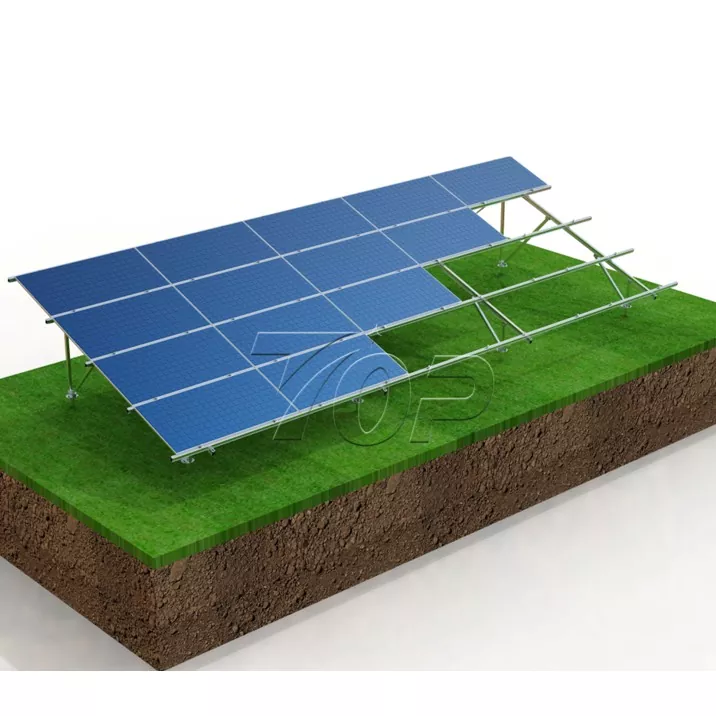
For international EPC projects, communication efficiency is especially important. Clear technical documentation and responsive engineering support allow project teams to make decisions faster.

Manufacturing Capability Improves Project Confidence

The quality of a solar mounting system depends not only on design but also on manufacturing consistency.

EPC contractors should evaluate whether a supplier has:

  • Stable production processes
  • Material quality management
  • Manufacturing inspection procedures
  • Technical experience with different PV applications

A supplier with strong manufacturing capability can better support large-volume procurement and long-term project cooperation.

TopFenceSolar focuses on engineered solar mounting solutions designed around practical installation requirements. By combining product development, manufacturing control, and application experience, the company supports EPC partners in achieving more efficient PV deployment.

Engineering Evaluation Example: Improving PV Installation Efficiency Through Better Mounting Design

Every solar project has different installation conditions. Instead of applying the same mounting approach to every application, EPC contractors need solutions that match specific engineering requirements.

The following example represents a general engineering evaluation framework that can be applied when reviewing a PV mounting solution.

Project Situation Assessment

Before selecting a mounting structure, EPC teams typically evaluate several project factors:

  • Installation environment
  • Module configuration
  • Structural requirements
  • Weather exposure conditions
  • Construction schedule

Understanding these factors helps determine the most suitable mounting approach.

For example, rooftop projects may prioritize waterproof performance and roof compatibility, while ground-mounted projects may focus more on structural configuration and installation efficiency.

Engineering Challenges

During solar installation, common challenges may include:

  • Limited construction timeframes
  • Different installation conditions across sites
  • Need for consistent workmanship
  • Coordination between multiple project teams

An effective mounting design helps address these challenges before they become construction problems.

This is where intelligent mounting concepts become valuable. The objective is to make the installation process clearer, more organized, and easier to execute.

Mounting Design Approach

A professional mounting solution considers the entire installation workflow, from material delivery to final module fixing.

Key design considerations include:

  • Optimized component structure
  • Logical installation sequence
  • Compatible accessories
  • Reliable connection methods
  • Suitable material selection

When these elements work together, EPC contractors can improve construction efficiency while maintaining structural performance.

The Future of EPC Solar Construction: Smarter Mounting, Faster Deployment

The solar industry is moving toward higher efficiency at every stage of project development. For EPC companies, future competitiveness will depend not only on technical capability but also on the ability to deliver projects faster and more reliably.

Solar mounting systems are becoming an increasingly important part of this transformation.

Digital Engineering Will Improve Solar Mounting Planning

Digital design tools and engineering workflows are helping solar companies improve project preparation.

Future solar mounting solutions may increasingly integrate:

  • Digital project modeling
  • Improved design coordination
  • More accurate material planning
  • Better installation preparation

These approaches help EPC teams identify potential challenges earlier and improve construction organization.

Standardized Mounting Solutions Will Support Global Solar Expansion

As solar projects expand worldwide, standardized mounting solutions will become more important.

EPC companies operating across different regions need systems that can balance:

  • Installation efficiency
  • Structural reliability
  • Environmental adaptability
  • Procurement convenience

A standardized yet flexible mounting approach allows project teams to maintain efficiency while adapting to different applications.

Frequently Asked Questions About Solar Mounting Installation Efficiency

Q1. How does solar mounting design affect installation time?

Solar mounting design affects installation time through component organization, connection methods, adjustment requirements, and overall construction workflow.

A well-engineered mounting structure helps installers complete tasks more efficiently by reducing unnecessary operations and improving installation consistency.

Q2. What makes a PV mounting system easier to install?

A PV mounting system becomes easier to install when it has clear component organization, practical connection methods, compatible accessories, and installation-friendly engineering design.

The goal is to simplify construction while maintaining structural requirements.

Q3. Why should EPC contractors consider pre-engineered mounting solutions?

Pre-engineered solutions help EPC teams reduce uncertainty during installation.

By optimizing the design before materials reach the project site, contractors can improve workflow planning, reduce onsite adjustments, and support more consistent construction quality.

Q4. Why is stainless steel important for solar mounting applications?

Stainless steel materials such as SUS304 are commonly considered for solar applications because of their corrosion resistance and durability in outdoor environments.

Material selection should always match project conditions, including climate, exposure level, and structural requirements.

Engineer inspecting waterproof roof attachment points on a commercial PV mounting structure

Conclusion: Intelligent Solar Mounting Design Helps EPC Companies Build Faster and Smarter

For EPC contractors, reducing labor costs requires more than simply lowering material expenses. The real opportunity comes from improving the entire installation process.

An intelligent solar mounting system helps create a more efficient connection between engineering design and construction execution.

By selecting mounting solutions that prioritize installation efficiency, structural reliability, and long-term performance, EPC companies can improve project delivery confidence.

Key advantages include:

  • More efficient installation workflow
  • Reduced construction complexity
  • Improved project consistency
  • Lower risk of installation-related issues
  • Better long-term system reliability

TopFenceSolar provides engineered solar mounting solutions designed for professional PV applications. With a focus on practical design, quality manufacturing, and EPC project requirements, TopFenceSolar helps partners develop more efficient solar installations.

For EPC contractors, distributors, and solar project developers looking for reliable mounting solutions, selecting the right engineering partner is an important step toward building successful PV projects.

Reduce EPC Installation Costs with Intelligent Solar Mounting Solutions

Looking to improve solar installation efficiency and reduce labor costs for your PV projects? An intelligent solar mounting system helps EPC contractors simplify installation workflows, minimize onsite adjustments, and improve long-term project reliability. TOPFENCE provides engineered solar mounting solutions with optimized components, durable materials, and technical support for commercial, industrial, and large-scale solar applications. Work with our engineering team to evaluate your mounting design, improve construction efficiency, and develop reliable PV project solutions.

Request Solar Mounting Design Support & Bulk Pricing


Related News
Leave me a message
X
We use cookies to offer you a better browsing experience, analyze site traffic and personalize content. By using this site, you agree to our use of cookies.Privacy Policy
RejectAccept