Vertical Solar in Snowy Regions: Engineering Advantages of Vertical PV Systems in Winter Conditions
Why Vertical Solar Systems Are Gaining Attention in Snowy Regions
As global solar deployment expands into northern Europe, Canada, Japan, and other cold-climate regions, one engineering challenge continues to affect photovoltaic system performance: snow accumulation. For EPC contractors, solar installers, and commercial project developers, winter energy instability can significantly reduce system efficiency, increase maintenance complexity, and create long-term structural concerns. This is exactly why vertical solar systems are receiving increasing attention in modern commercial and utility-scale photovoltaic projects.
Unlike traditional low-tilt rooftop arrays, vertical photovoltaic systems are specifically designed to reduce snow retention, improve winter irradiance utilization, and simplify maintenance access in harsh weather environments. In many snow-prone regions, vertical bifacial solar installations are becoming a practical engineering solution for improving seasonal energy stability while reducing structural and operational risks.
For professional installers and EPC firms, the discussion is no longer simply about maximizing annual production under ideal laboratory conditions. The real challenge is designing photovoltaic systems capable of maintaining reliable generation performance under real-world environmental stress, including snow load, freeze-thaw cycles, low winter sun angles, and difficult maintenance conditions.
This article provides an engineering-focused analysis of why vertical solar systems offer meaningful advantages in snowy regions. It explores snow-shedding behavior, bifacial energy gain, structural reliability, installation considerations, and practical EPC-level design factors that influence long-term project performance.
What Is Vertical Solar PV and Why Is It Different?
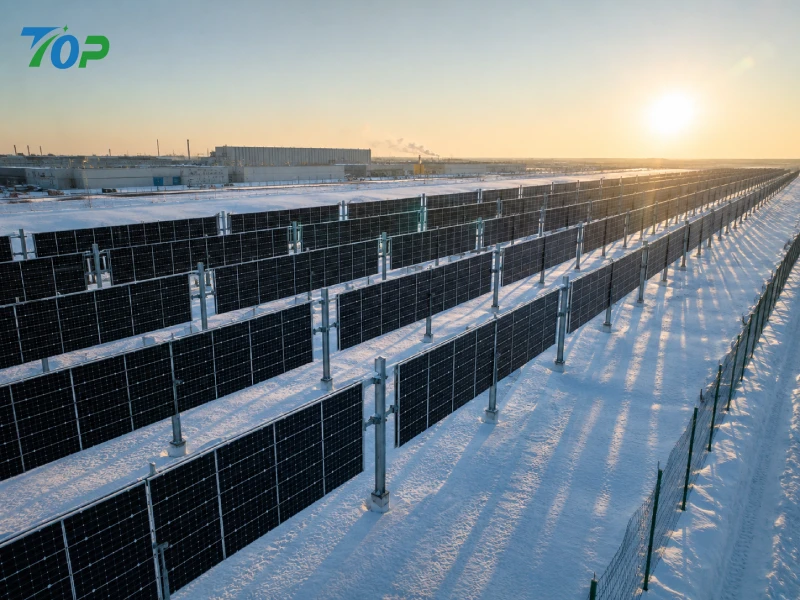
A vertical photovoltaic system refers to a solar installation where modules are mounted at a steep angle, typically between 70° and 90° relative to the ground. Unlike conventional tilted solar arrays that prioritize maximum midday summer production, vertical PV systems are designed to optimize space utilization, reduce environmental loading issues, and improve operational performance under specific site conditions.
In snowy regions, this design philosophy becomes especially important. Conventional rooftop arrays often experience prolonged snow coverage after winter storms because snow accumulates on the module surface and melts slowly at shallow tilt angles. Vertical solar arrays, by comparison, naturally minimize snow buildup due to gravity-assisted shedding and reduced horizontal surface exposure.
Modern vertical solar projects commonly utilize bifacial photovoltaic modules combined with east-west orientation layouts. This configuration allows the system to generate electricity from both the front and rear sides of the module while also capturing reflected light from snow-covered ground surfaces.
The result is a photovoltaic architecture that is fundamentally different from conventional south-facing low-tilt systems.
Definition of Vertical Solar Systems
A vertical solar installation typically includes the following structural characteristics:
- Module tilt angle between 70° and 90°
- East-west bifacial panel orientation
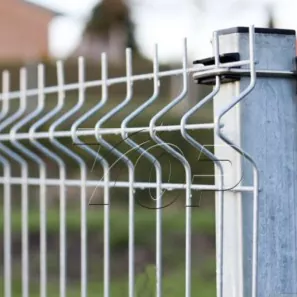
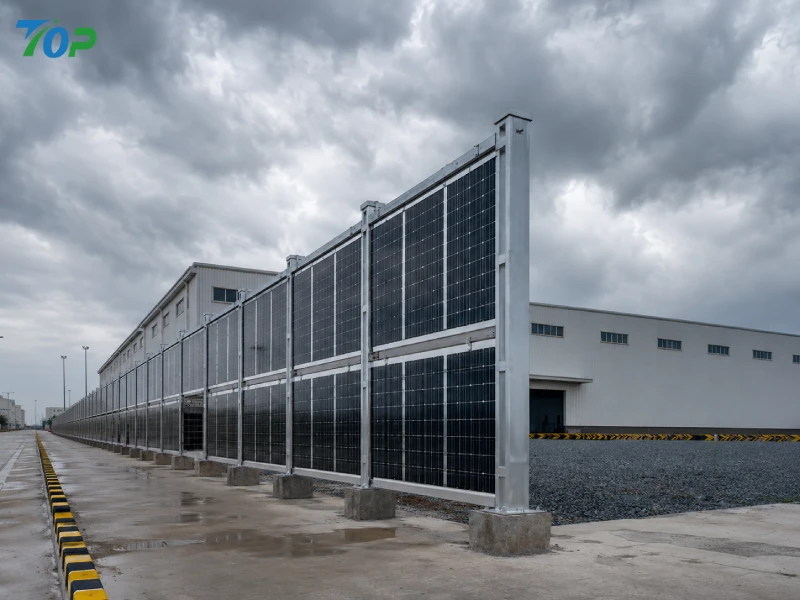
- Ground-mounted or fence-mounted structure design
- Reduced horizontal snow accumulation area
- Higher structural accessibility for inspection and maintenance
These systems are increasingly used in:
- Commercial fence solar projects
- Agrivoltaic installations
- Industrial perimeter power systems
- Transportation infrastructure solar applications
- Utility-scale bifacial PV farms in northern climates
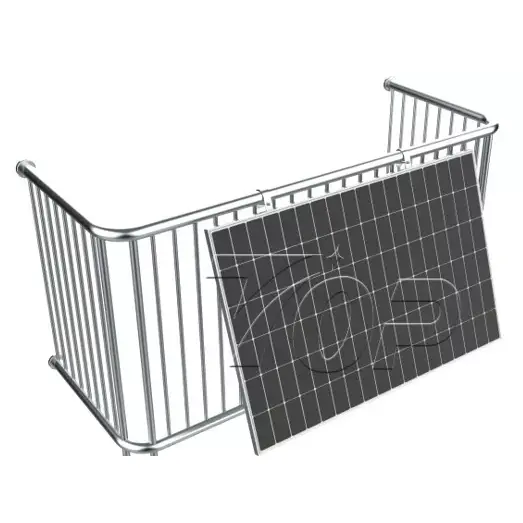
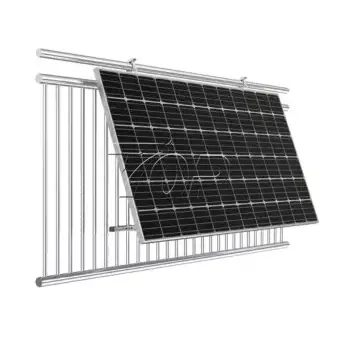
In many modern installations, vertical solar structures also serve dual-use purposes. Fence-mounted photovoltaic systems, for example, can simultaneously provide perimeter security and distributed energy generation without requiring additional land occupation.
How Vertical PV Differs From Conventional Tilted Solar Arrays
The engineering behavior of vertical photovoltaic systems differs significantly from traditional rooftop or low-tilt ground-mounted arrays.
| Comparison Factor | Traditional Tilted Solar | Vertical Solar System |
|---|---|---|
| Typical Installation Angle | 15°–40° | 70°–90° |
| Snow Accumulation | High | Low |
| Winter Recovery Speed | Often slow after snowfall | Generally faster |
| Roof Waterproofing Complexity | Higher | Lower in ground-mounted applications |
| Maintenance Accessibility | Limited on rooftops | Easier access |
| Bifacial Energy Utilization | Moderate | High potential in snowy environments |
This difference is especially important for EPC contractors evaluating long-term project reliability rather than simply comparing peak summer production values.
In real-world commercial projects, winter downtime, maintenance labor, waterproofing claims, and structural fatigue can affect total project profitability more significantly than theoretical peak energy output.
Why Vertical Bifacial Solar Is Gaining Attention in Cold-Climate Markets
The growth of vertical bifacial photovoltaic systems is not driven by marketing trends alone. Several practical industry developments are accelerating adoption in snowy regions.
First, electricity demand during winter continues to rise in many developed economies due to electrified heating systems, EV charging infrastructure, and distributed energy transition policies. This increases the importance of stable cold-season photovoltaic generation.
Second, many commercial and industrial sites face land-use limitations. Vertical solar installations allow project developers to utilize unused perimeter areas, transportation corridors, agricultural boundaries, and industrial fencing infrastructure.
Third, maintenance and operational efficiency are becoming increasingly important for EPC firms. Systems that reduce snow removal requirements and simplify inspection procedures can improve long-term project economics.
Finally, bifacial photovoltaic technology has matured significantly in recent years. Modern bifacial modules are now capable of efficiently utilizing reflected irradiance from high-albedo surfaces such as snow, making vertical configurations more attractive in northern climates.
For engineering-focused solar developers, vertical solar systems are increasingly evaluated as a specialized design solution for environments where conventional rooftop arrays face operational limitations.
Why Snow Severely Reduces Conventional Solar Performance
Snow is one of the most underestimated environmental challenges in photovoltaic engineering. While many solar project models focus heavily on annual irradiance values, actual winter operational performance often depends more on environmental recovery behavior than theoretical solar resource calculations.
Conventional low-tilt solar systems are particularly vulnerable because snow accumulation directly blocks irradiance from reaching photovoltaic cells. In commercial systems, this can lead to prolonged periods of low generation, especially after heavy snowfall or repeated freeze-thaw cycles.
For EPC contractors and system operators, the consequences extend beyond temporary production loss. Snow-related operational issues can influence maintenance cost, structural stress, installation lifespan, and customer satisfaction.
Snow Coverage Causes Major Winter Generation Losses
Photovoltaic modules require direct exposure to sunlight to generate electricity efficiently. When snow covers the glass surface, irradiance transmission drops dramatically. Even partial snow coverage can reduce total string output because shaded cells affect current flow throughout the connected circuit.
This issue becomes more severe in conventional low-angle arrays where snow remains trapped on the module surface for extended periods.
Several engineering factors contribute to this behavior:
- Lower tilt angles reduce gravitational snow shedding
- Snow compacts and adheres to cold glass surfaces
- Module frames can trap snow near lower edges
- Repeated melting and refreezing increase ice adhesion
In large commercial arrays, even limited snow coverage on lower module sections may create mismatch losses across the entire string. This means the performance reduction is not always proportional to the visible snow-covered area.
For example, a partially obstructed module may reduce current flow for adjacent modules connected within the same electrical string. As a result, the entire system output can decline disproportionately during winter events.
This is one reason why winter photovoltaic modeling should consider not only solar irradiance data but also snow retention behavior and post-snow recovery characteristics.
Snow Load Creates Long-Term Structural Reliability Risks
Beyond electrical performance loss, accumulated snow also creates significant structural loading concerns for photovoltaic systems.
In traditional rooftop arrays, snow weight generates downward pressure on rails, clamps, roof attachments, and supporting structures. Wet snow is especially problematic because its density can increase substantially compared with fresh dry snow.
Over time, repeated snow loading and freeze-thaw cycles may contribute to:
- Rail deformation
- Fastener fatigue
- Clamp loosening
- Roof membrane stress
- Waterproofing deterioration
- Microstructural corrosion at connection points
In cold-climate regions, freeze-thaw expansion presents an additional concern. Water intrusion around roof penetrations may freeze and expand repeatedly, potentially increasing waterproofing failure risks if installation quality or sealing materials are inadequate.
This is why experienced EPC contractors increasingly prioritize structural engineering validation rather than evaluating mounting systems solely on component cost.
Proper snow-load design should include:
- Site-specific environmental calculations
- Wind and snow combined loading analysis
- Material expansion considerations
- Corrosion-resistant fastening systems
- Long-term waterproofing reliability
For snow-prone commercial projects, mounting structure reliability often becomes just as important as module efficiency itself.
Winter Maintenance Is More Expensive Than Many Developers Expect
One of the most overlooked operational realities in snowy photovoltaic installations is winter maintenance complexity.
When conventional rooftop systems experience heavy snow accumulation, maintenance teams often face difficult decisions:
- Wait for natural melting and accept production loss
- Perform manual snow removal at increased labor cost
- Use specialized equipment under hazardous winter conditions
Each option introduces practical operational challenges.
Manual snow removal on rooftops may increase:
- Worker safety risks
- Insurance liability exposure
- Potential module surface damage
- Maintenance scheduling delays
- Additional operational downtime
In commercial and industrial projects, winter access restrictions can also complicate routine inspection procedures. Ice accumulation around rooftops, ladders, walkways, and cable routes may delay maintenance activities during critical operational periods.
For EPC contractors responsible for long-term service agreements, these operational realities directly influence lifecycle maintenance cost and customer satisfaction.
This is one of the primary reasons why project developers in snowy regions are increasingly exploring alternative photovoltaic configurations such as vertical solar systems that naturally minimize snow-related maintenance burdens.
The Real Engineering Advantages of Vertical Solar in Snowy Regions
For EPC contractors and commercial solar developers, the value of a photovoltaic system is ultimately determined by operational stability under real environmental conditions. In snowy climates, this means evaluating how quickly a system recovers after snowfall, how effectively it manages structural loading, and how efficiently it continues generating electricity during extended winter periods.
This is where vertical solar systems demonstrate meaningful engineering advantages compared with conventional low-tilt photovoltaic arrays.
Rather than relying solely on peak summer irradiance optimization, vertical bifacial photovoltaic systems are designed to improve winter functionality, reduce environmental interference, and simplify long-term operational management.
In many northern commercial projects, these practical advantages are becoming increasingly important as energy users prioritize year-round reliability instead of theoretical maximum annual production under ideal weather conditions.
Natural Snow Shedding Improves System Availability
One of the most significant advantages of vertical photovoltaic systems in snowy environments is their ability to naturally reduce snow accumulation.
Traditional rooftop arrays installed at shallow tilt angles often retain snow for extended periods because the snow layer rests directly on the module surface. When temperatures remain below freezing, melting occurs slowly, especially under cloudy winter conditions with limited solar heating.
Vertical solar arrays behave differently.
Because the module surface is positioned close to perpendicular relative to the ground, gravity continuously limits snow retention on the panel face. Instead of accumulating evenly across the glass surface, snow is more likely to slide away or accumulate only temporarily along lower frame sections depending on local weather conditions.
This engineering behavior creates several practical operational advantages:
- Faster post-snow energy recovery
- Reduced duration of irradiance blockage
- Lower risk of compacted snow adhesion
- Improved winter system availability
- Reduced manual snow-clearing requirements
Importantly, vertical solar systems do not completely eliminate snow-related losses. Heavy snowstorms, ice accumulation, wind-driven snow drift, and prolonged freezing temperatures can still affect system performance.
However, compared with conventional low-angle arrays, vertical configurations generally reduce the amount of time that photovoltaic surfaces remain obstructed after snowfall events.
For commercial operators, this difference can be operationally significant because winter downtime often occurs during periods of high electricity demand and elevated utility pricing.
From an EPC perspective, improving system recovery behavior is frequently more valuable than simply maximizing ideal-condition laboratory output.
Bifacial Vertical Solar Can Utilize Snow Reflection More Effectively
Another important advantage of vertical bifacial photovoltaic systems is their ability to capture reflected irradiance from snow-covered ground surfaces.
Fresh snow possesses a relatively high albedo effect, meaning it reflects a substantial portion of incoming sunlight rather than absorbing it. Conventional monofacial rooftop systems often fail to fully utilize this reflected light because their rear surfaces are inactive and their geometry limits backside exposure.
Bifacial vertical solar systems operate differently.
When modules are installed vertically with east-west orientation, both sides of the photovoltaic panel remain exposed to reflected ground irradiance throughout the day. Under snowy conditions, the reflective environment surrounding the array can improve rear-side energy contribution.
This effect becomes especially important during winter when:
- The sun angle is lower
- Ground snow coverage is widespread
- Diffuse reflected irradiance increases
- Conventional arrays experience prolonged snow obstruction
In properly engineered vertical bifacial systems, rear-side energy contribution depends on multiple design factors:
- Module height above ground
- Row spacing configuration
- Ground reflectivity conditions
- Seasonal shading behavior
- Module bifaciality coefficient
- Local snow coverage duration
This is why experienced EPC firms increasingly treat bifacial optimization as a full-system engineering process rather than merely selecting bifacial modules.
Poor spacing design or excessive row shading may significantly reduce rear-side performance gains even when high-quality bifacial modules are used.
For commercial developers evaluating cold-climate projects, snow albedo utilization represents one of the key reasons vertical bifacial solar systems are attracting increased engineering attention.
Vertical East-West Arrays Improve Winter Generation Distribution
Conventional south-facing photovoltaic systems are typically optimized for midday solar production. While this approach performs well during summer, it may not align perfectly with electricity demand patterns during winter months.
In cold-climate regions, electricity demand often peaks during morning and evening periods due to:
- Heating system operation
- Commercial startup loads
- Residential energy consumption increases
- Electric vehicle charging behavior
Vertical east-west photovoltaic systems provide a different production profile.
Because one side of the array faces east while the other faces west, electricity generation is distributed more evenly across the day rather than concentrating primarily around midday.
This configuration can improve:
- Morning generation availability
- Late afternoon production
- Grid interaction stability
- Commercial self-consumption potential
- Distributed generation smoothing
In winter environments where sunlight duration is already limited, capturing useful generation during low-angle morning and evening sunlight can provide operational benefits for certain commercial applications.
From a grid management perspective, this flatter production profile may also reduce extreme midday generation peaks that increasingly challenge local distribution infrastructure in high-PV penetration markets.
As utility operators continue modernizing distributed energy networks, production timing characteristics are becoming more important in photovoltaic system evaluation.
Reduced Ice and Dirt Accumulation Lowers Maintenance Frequency
Winter photovoltaic performance is influenced not only by snow coverage but also by contamination behavior after repeated freeze-thaw cycles.
Traditional low-tilt arrays often experience:
- Dirty meltwater residue
- Ice accumulation along lower module frames
- Standing moisture
- Debris buildup
- Uneven drying patterns
These conditions may gradually reduce irradiance transmission and increase maintenance frequency.
Vertical photovoltaic systems naturally reduce some of these contamination mechanisms because water and debris are less likely to remain on steep module surfaces.
The near-vertical orientation allows:
- Improved water drainage
- Reduced standing moisture
- Lower dirt retention
- Easier visual inspection
- Simplified cleaning procedures
For large commercial installations, maintenance accessibility is an important operational factor.
Ground-mounted vertical arrays often allow technicians to inspect module surfaces, connectors, and structural components without complex rooftop access equipment. This can improve maintenance efficiency while reducing labor exposure to hazardous winter conditions.
For EPC companies responsible for long-term service agreements, easier inspection access may help reduce operational response time and simplify routine maintenance scheduling.
Structural Advantages for EPC Contractors and Installers
In snowy regions, photovoltaic system reliability depends heavily on structural engineering quality. While module efficiency often receives the most marketing attention, experienced EPC contractors understand that long-term project success frequently depends more on mounting stability, environmental durability, and installation quality.
This is particularly true in cold-climate environments where snow load, wind pressure, thermal expansion, and freeze-thaw cycles continuously stress photovoltaic support structures.
Vertical solar systems introduce several structural characteristics that may simplify installation challenges and reduce certain environmental risks when properly engineered.
Reduced Snow Load Simplifies Structural Design Requirements
One of the primary structural benefits of vertical photovoltaic systems is the reduced accumulation of static snow load on module surfaces.
In conventional rooftop arrays, snow may remain on panels for extended periods, creating continuous downward force on:
- Mounting rails
- Mid clamps
- End clamps
- Roof attachment points
- Support beams
- Waterproofing interfaces
In heavy snow regions, this prolonged loading may increase structural fatigue over time, particularly if installation quality or material selection is inadequate.
Vertical solar arrays reduce this issue because snow accumulation on the panel face is typically much lower.
As a result, certain projects may experience:
- Lower sustained structural pressure
- Reduced rail bending stress
- Less long-term fastener fatigue
- Lower probability of snow-related deformation
However, professional engineering review remains essential.
Vertical systems are still exposed to:
- Wind uplift forces
- Lateral snow drift pressure
- Dynamic environmental loading
- Local code compliance requirements
This is why experienced mounting system manufacturers typically perform project-specific structural calculations based on:
- Regional snow load data
- Wind speed conditions
- Foundation type
- Terrain exposure
- Module dimensions
- Soil conditions
For EPC contractors, selecting structurally validated mounting systems is often more important than achieving minimal initial material cost.
Ground-Mounted Vertical PV Minimizes Roof Waterproofing Risks
Roof waterproofing failures remain one of the most common long-term concerns in commercial photovoltaic installations.
Traditional rooftop solar systems frequently require multiple roof penetrations for:
- Anchoring brackets
- Structural reinforcement
- Cable routing
- Electrical conduit installation
In snowy climates, freeze-thaw expansion may gradually increase waterproofing vulnerability around these penetration points if sealing materials deteriorate over time.
Ground-mounted vertical solar systems avoid many of these risks entirely because they eliminate direct interaction with sensitive roof membrane structures.
This creates several operational advantages for EPC contractors:
- Reduced leakage liability exposure
- Simplified structural planning
- Easier maintenance access
- Lower rooftop safety risk
- More flexible installation scheduling
For industrial and commercial facilities with aging roofs or limited load capacity, vertical fence-mounted photovoltaic systems may provide an alternative distributed generation solution without requiring major rooftop structural modifications.
This is particularly valuable for retrofit projects where roof lifespan and waterproofing reliability remain major customer concerns.
Why Material Selection Matters in Snow and Freeze-Thaw Environments
In harsh winter environments, photovoltaic mounting system durability depends heavily on material quality and corrosion resistance.
Repeated moisture exposure, temperature cycling, road salt contamination, and freeze-thaw expansion can accelerate degradation if structural materials are not properly selected.
For snow-region photovoltaic systems, professional EPC contractors commonly evaluate:
- Galvanized steel coating quality
- Aluminum alloy corrosion resistance
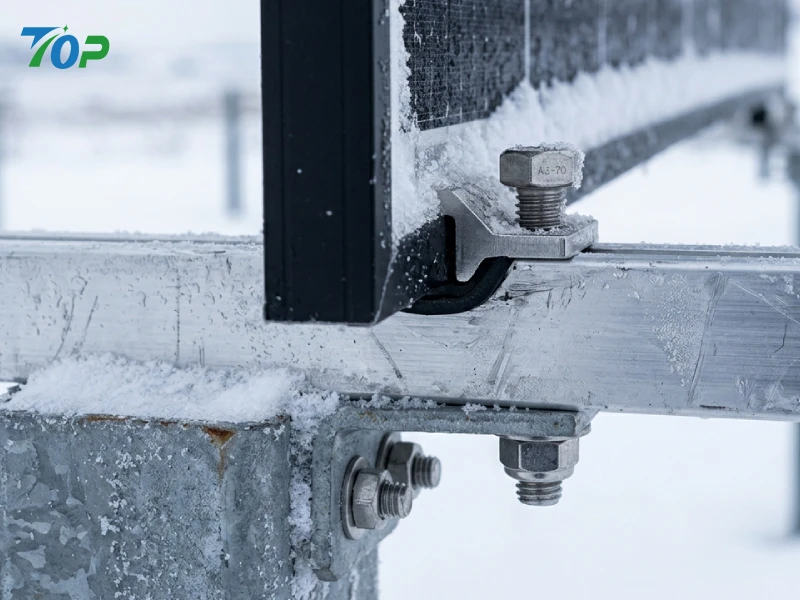
- SUS304 stainless steel fasteners
- Mechanical fatigue performance
- Long-term environmental durability
SUS304 stainless steel fasteners are widely used in high-quality mounting systems because they provide strong corrosion resistance under outdoor environmental exposure.
Similarly, hot-dip galvanized steel structures are frequently selected for ground-mounted vertical photovoltaic systems due to their structural strength and weather resistance.
However, material selection alone is not sufficient.
Proper engineering validation should also consider:
- Coating thickness consistency
- Connection point protection
- Galvanic corrosion prevention
- Drainage design
- Thermal expansion compatibility
Professional EPC buyers and distributors increasingly request verification through:
- TUV certification
- Salt spray testing
- Mechanical load testing
- Structural calculation reports
- Material traceability documentation
These engineering validation processes are important not only for regulatory compliance but also for reducing long-term project risk and improving commercial reliability.
For mounting system manufacturers, demonstrating real engineering capability increasingly matters more than relying solely on generic product marketing language.
Best Use Cases for Vertical Solar in Snowy Regions
Not every photovoltaic project requires a vertical configuration. However, in certain environmental and operational scenarios, vertical solar systems may provide meaningful advantages compared with conventional rooftop or low-tilt ground-mounted installations.
Understanding where vertical photovoltaic systems perform best is important for EPC contractors evaluating project suitability, installation efficiency, and long-term operational reliability.
Commercial Fence Solar Systems
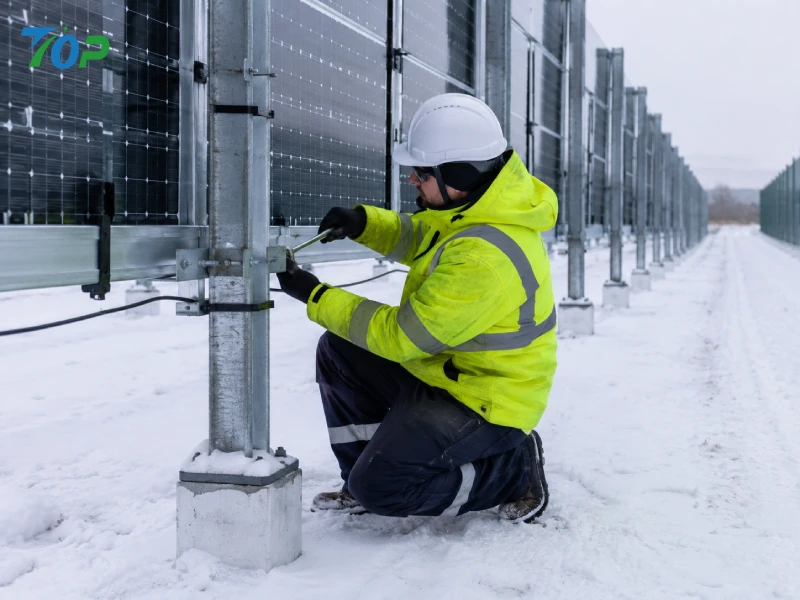
One of the fastest-growing applications for vertical photovoltaic technology is commercial fence solar infrastructure.
In industrial parks, logistics facilities, factories, and infrastructure corridors, perimeter fencing already occupies substantial linear space. Integrating photovoltaic modules directly into fencing structures allows project developers to combine:
- Site security
- Boundary definition
- Distributed power generation
- Land-use optimization
This dual-function design becomes especially attractive in snowy regions because fence-mounted vertical solar systems naturally minimize snow accumulation on module surfaces.
Compared with rooftop installations, fence solar systems may also simplify:
- Maintenance access
- Visual inspection
- Snow management
- Future system expansion
For industrial customers with limited roof availability or aging roof structures, vertical fence solar installations may provide an alternative pathway for distributed photovoltaic deployment.
Agrivoltaic Projects in Northern Agricultural Regions
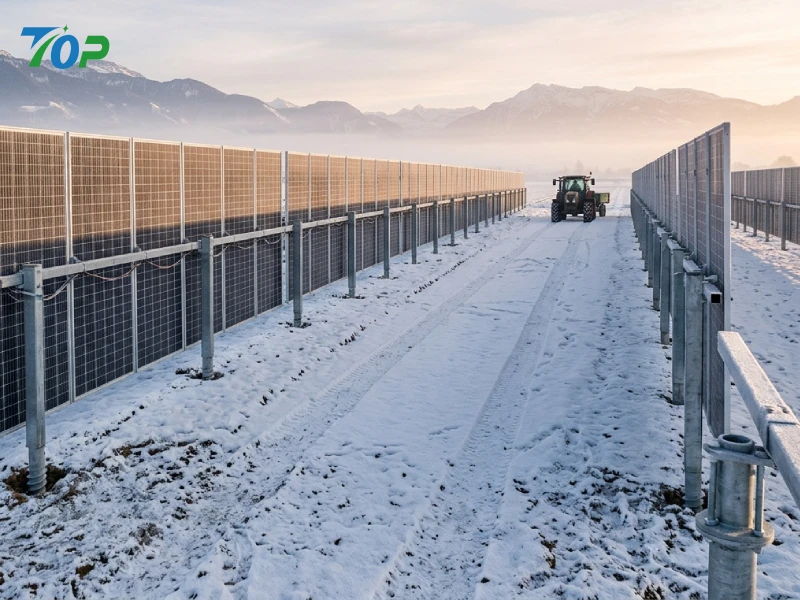
Agrivoltaics continues to expand globally as agricultural operators seek ways to combine food production and renewable energy infrastructure.
In northern agricultural regions with significant snowfall, vertical photovoltaic systems may offer several practical advantages compared with conventional low-tilt solar arrays.
Because vertical arrays occupy narrower ground footprints and allow greater spacing flexibility, they may:
- Reduce shading on crops
- Improve machinery accessibility
- Simplify snow movement across fields
- Support dual-use agricultural land management
Additionally, vertical east-west configurations may better align with certain agricultural operational patterns by reducing concentrated midday shading.
For EPC contractors involved in agrivoltaic project development, proper row spacing, soil condition assessment, and equipment access planning remain critical engineering considerations.
Infrastructure and Transportation Solar Applications
Transportation and public infrastructure projects are becoming another important application area for vertical photovoltaic systems in snowy regions.
Highways, rail corridors, sound barriers, industrial buffer zones, and utility infrastructure boundaries often contain long linear spaces that are difficult to utilize efficiently with conventional solar layouts. Vertical photovoltaic systems provide a practical solution because they can integrate power generation into existing infrastructure footprints without requiring significant additional land occupation.
In cold-climate regions, this approach offers several operational advantages.
- Reduced snow accumulation on module surfaces
- Improved maintenance accessibility along infrastructure routes
- Lower interference with snow-clearing operations
- More flexible installation geometry in narrow corridors
- Potential integration with noise barriers or fencing systems
For transportation authorities and infrastructure EPC contractors, maintenance safety is especially important. Ground-accessible vertical solar systems may simplify inspection procedures compared with rooftop or elevated structures located in hazardous winter environments.
Additionally, many transportation corridors already experience high winter ground reflectivity due to persistent snow coverage. This creates favorable conditions for bifacial vertical photovoltaic generation when row spacing and orientation are properly engineered.
However, infrastructure projects also introduce unique engineering considerations, including:
- Vehicle-induced wind pressure
- Snow drift accumulation patterns
- Road salt corrosion exposure
- Impact resistance requirements
- Electrical safety compliance near transportation systems
For this reason, transportation photovoltaic projects typically require stronger emphasis on structural verification, corrosion protection, and long-term environmental durability.
Industrial Sites With Limited Roof Load Capacity
Many existing industrial buildings were not originally designed to support large rooftop photovoltaic systems.
Older factories, warehouses, logistics facilities, and agricultural buildings often face structural limitations related to:
- Roof load-bearing capacity
- Aging waterproofing membranes
- Limited reinforcement feasibility
- Complex rooftop equipment layouts
- Operational interruption concerns during installation
In snowy regions, these challenges become even more significant because accumulated snow already places seasonal stress on roofing structures.
Adding conventional rooftop photovoltaic systems may increase:
- Total dead load
- Structural reinforcement costs
- Waterproofing risks
- Maintenance complexity
Vertical solar systems provide an alternative distributed generation strategy for these facilities.
Instead of relying exclusively on rooftops, project developers can utilize:
- Facility perimeter fencing
- Unused boundary zones
- Parking area divisions
- Logistics corridor edges
- Ground-level infrastructure spaces
For industrial EPC contractors, this flexibility may help simplify retrofit planning while reducing the need for extensive structural roof modifications.
In many retrofit projects, installation practicality and long-term operational risk reduction are more valuable than pursuing maximum rooftop module density.
Vertical Solar vs Traditional Tilted Solar in Snowy Regions
Choosing between vertical photovoltaic systems and conventional tilted arrays requires more than comparing theoretical annual energy yield values.
In snowy environments, project success depends on balancing multiple engineering and operational factors, including:
- Winter generation stability
- Structural reliability
- Installation practicality
- Maintenance requirements
- Snow management complexity
- Long-term operational cost
For EPC firms and commercial developers, these factors directly influence lifecycle project economics and customer satisfaction.
Winter Performance Comparison
Traditional south-facing low-tilt photovoltaic systems are typically optimized for annual irradiance maximization. Under ideal snow-free conditions, this design often produces strong summer energy performance.
However, in snowy climates, winter operational conditions may differ substantially from theoretical production models.
Conventional arrays frequently experience:
- Extended snow coverage
- Slow post-snow recovery
- Reduced low-angle winter irradiance capture
- Higher mismatch losses during partial obstruction
Vertical solar systems approach winter performance differently.
Rather than maximizing midday summer generation alone, vertical east-west bifacial systems emphasize:
- Faster snow-shedding behavior
- More stable winter availability
- Improved morning and evening production
- Enhanced bifacial utilization under snowy conditions
The result is a different seasonal production profile.
In many northern environments, vertical systems may demonstrate improved operational consistency during winter months even if annual peak summer production differs from traditional south-facing installations.
For commercial customers concerned about cold-season electricity demand, this seasonal reliability can be highly valuable.
Importantly, actual project performance depends heavily on:
- Local climate conditions
- System orientation
- Snowfall patterns
- Ground reflectivity
- Row spacing optimization
- Electrical design quality
Professional photovoltaic engineering analysis remains essential when evaluating site-specific project suitability.
Installation and Maintenance Comparison
Installation efficiency is one of the most important considerations for EPC contractors operating in challenging winter environments.
Traditional rooftop solar installations often involve:
- Complex roof attachment procedures
- Waterproofing coordination
- Height-related safety management
- Restricted rooftop access
- Structural reinforcement assessment
In snowy regions, these challenges may become more complicated due to:
- Ice-covered surfaces
- Limited winter working windows
- Snow-related safety risks
- Freeze-sensitive sealing materials
Ground-mounted vertical photovoltaic systems simplify several aspects of installation and maintenance.
Compared with rooftop projects, vertical solar installations may offer:
- Easier equipment access
- Simplified structural inspection
- Reduced roof penetration requirements
- Improved worker safety conditions
- More flexible maintenance scheduling
Additionally, vertical arrays often allow technicians to visually inspect modules, fasteners, and electrical components directly from ground level without requiring specialized rooftop access systems.
For long-term operations and maintenance providers, this accessibility may reduce inspection time and simplify routine service procedures.
Maintenance efficiency becomes increasingly important as photovoltaic portfolios continue scaling across commercial and industrial sectors.
Long-Term Operational Considerations for EPC Investors
Commercial photovoltaic systems are long-term infrastructure assets. As a result, lifecycle operational stability often matters more than short-term installation cost optimization.
For EPC investors and project developers, long-term operational evaluation should consider:
- Environmental durability
- Maintenance predictability
- Structural fatigue resistance
- Service accessibility
- Seasonal generation consistency
- Warranty risk exposure
In snowy climates, maintenance unpredictability can significantly affect total project cost over time.
Repeated snow removal, difficult winter inspections, rooftop leakage repairs, and structural fatigue issues may increase operational complexity if systems are not properly designed for local environmental conditions.
Vertical solar systems are not universally superior for every application. However, in projects where winter reliability, structural simplicity, and maintenance accessibility are prioritized, vertical photovoltaic configurations may provide important operational advantages.
For EPC firms managing large distributed energy portfolios, reducing maintenance uncertainty is often a key factor in long-term project planning.
Key Engineering Design Considerations for Vertical PV in Snowy Climates
Although vertical photovoltaic systems offer important advantages in snowy regions, successful project performance depends heavily on proper engineering design.
Poor layout planning, inadequate structural analysis, or improper material selection can reduce system reliability regardless of mounting orientation.
For EPC contractors and photovoltaic developers, understanding the key engineering variables behind vertical solar performance is essential for achieving long-term operational success.
Module Orientation and Row Spacing Optimization
Most vertical bifacial photovoltaic systems utilize east-west orientation because this configuration allows both sides of the module to participate in electricity generation throughout the day.
However, orientation alone is not sufficient.
Proper row spacing is critical for maximizing bifacial energy contribution while minimizing inter-row shading.
In snowy environments, spacing design should consider:
- Winter sun elevation angles
- Ground snow reflectivity
- Seasonal shadow length
- Snow drift accumulation patterns
- Maintenance vehicle access requirements
Insufficient row spacing may significantly reduce rear-side irradiance utilization even when bifacial modules are installed.
Conversely, excessive spacing may increase land-use requirements without proportional energy gains.
This balance requires project-specific optimization rather than relying on generic installation assumptions.
Foundation Design in Freeze-Thaw Soil Conditions
Foundation engineering is especially important in snowy regions because freeze-thaw cycles can significantly affect ground stability.
When soil moisture freezes, expansion occurs. As temperatures rise, thawing causes contraction and movement. Over time, repeated cycles may influence:
- Foundation alignment
- Structural stability
- Pile displacement
- Long-term mechanical stress distribution
For vertical photovoltaic systems, foundation design commonly considers:
- Frost depth conditions
- Soil bearing capacity
- Drainage characteristics
- Groundwater behavior
- Seasonal thermal movement
Depending on project conditions, EPC contractors may utilize:
- Driven piles
- Concrete foundations
- Ground screws
- Hybrid support systems
However, not all foundation solutions are equally suitable for severe freeze-thaw environments.
Ground screw systems, for example, may require additional engineering verification under certain soil conditions involving deep frost penetration or unstable moisture content.
Proper geotechnical evaluation remains essential before finalizing foundation design strategies.
Wind Load and Snow Drift Analysis
Although vertical solar systems reduce snow accumulation on module surfaces, they remain exposed to substantial environmental loading forces.
In particular, vertical structures may experience:
- Higher lateral wind pressure
- Wind-induced vibration effects
- Localized snow drift accumulation
- Dynamic environmental loading combinations
As a result, professional structural analysis should evaluate both snow and wind conditions together rather than independently.
Engineering assessment may include:
- Regional design code compliance
- Terrain exposure analysis
- Computational structural modeling
- Connection point stress evaluation
- Foundation overturning resistance
In mountainous or open-field regions, snow drift behavior may also affect lower structural components even when module surfaces remain relatively clear.
For this reason, experienced photovoltaic engineers carefully evaluate site-specific environmental interactions before determining final structure geometry.
Electrical Design Considerations in Low-Temperature Conditions
Cold-climate photovoltaic systems must also address several electrical engineering challenges beyond structural design.
Low temperatures may influence:
- Cable flexibility
- Connector sealing performance
- Conduit expansion behavior
- Inverter startup conditions
- Condensation management
For vertical solar systems installed in snowy regions, electrical layouts should prioritize:
- Weather-resistant cable routing
- Proper drainage design
- Connector protection from ice exposure
- Accessible inspection pathways
- Long-term environmental sealing reliability
In ground-mounted systems, cable management should also minimize the risk of:
- Snowplow damage
- Standing water exposure
- Rodent interference
- Mechanical abrasion
For EPC contractors, electrical reliability in winter environments directly affects operational continuity and long-term maintenance efficiency.
How EPC Contractors Evaluate Vertical Solar Mounting Suppliers
As vertical photovoltaic systems become more widely adopted in snowy regions, EPC contractors are increasingly selective when evaluating mounting structure suppliers.
Price alone is rarely the deciding factor in professional commercial projects.
Instead, experienced buyers typically focus on:
- Engineering reliability
- Structural validation capability
- Installation efficiency
- Material consistency
- Technical support quality
- Long-term operational risk reduction
For mounting system manufacturers, demonstrating real engineering competence is becoming increasingly important in competitive B2B photovoltaic markets.
Questions Professional EPC Buyers Typically Ask
Professional EPC firms often evaluate suppliers through highly practical engineering questions rather than generic marketing claims.
Common evaluation topics include:
- Has the structure been validated for regional snow-load conditions?
- Are structural calculation reports available?
- What corrosion protection standards are used?
- Are SUS304 fasteners included?
- Can the structure adapt to uneven terrain?
- Is installation guidance provided?
- What testing standards support the product?
- How are wind and snow loads jointly evaluated?
These questions reflect the reality that mounting systems directly influence long-term photovoltaic reliability.
For snowy-region projects, engineering documentation and structural transparency are often more valuable than aggressive product marketing.
Why Engineering Support Matters More Than Component Pricing Alone
In commercial photovoltaic projects, the lowest initial material cost does not necessarily produce the lowest total project cost.
Insufficient engineering support may increase:
- Installation delays
- Structural rework
- Maintenance complexity
- Permitting difficulties
- Long-term warranty exposure
For EPC contractors operating in harsh winter environments, engineering responsiveness can significantly influence project execution efficiency.
Reliable mounting system suppliers typically provide support involving:
- Structural calculations
- Layout optimization recommendations
- Material traceability
- Installation documentation
- Snow-load engineering review
- Technical coordination assistance
As photovoltaic systems continue scaling into more complex environments, engineering collaboration between EPC contractors and mounting manufacturers becomes increasingly important.
What Distributors Look for in Vertical Solar Inventory
Photovoltaic distributors and wholesalers evaluate vertical solar mounting systems from a different operational perspective than EPC contractors.
In addition to engineering reliability, distributors typically prioritize:
- SKU standardization
- Inventory compatibility
- Logistics efficiency
- Consistent material quality
- Packaging reliability
- Bulk procurement stability
Modular vertical photovoltaic mounting systems with flexible compatibility may help distributors simplify inventory management while supporting multiple project types.
For growing cold-climate photovoltaic markets, suppliers capable of combining:
- Engineering support
- Stable manufacturing quality
- Corrosion-resistant materials
- Scalable production capability
are increasingly positioned to build stronger long-term partnerships within the EPC and commercial distribution ecosystem.
Future Trends of Vertical Solar in Cold-Climate Markets
As photovoltaic deployment expands into more environmentally challenging regions, vertical solar systems are likely to continue evolving as a specialized solution for cold-climate applications.
Several industry trends are contributing to this growth.
- Expansion of bifacial photovoltaic technology
- Increasing focus on winter energy reliability
- Growth of agrivoltaic infrastructure
- Development of distributed commercial energy systems
- Demand for multi-functional solar installations
In northern markets, vertical photovoltaic systems are increasingly viewed not simply as an alternative mounting angle, but as part of a broader infrastructure integration strategy.
Future development may include:
- Fence-integrated power generation systems
- Transportation corridor solar infrastructure
- Agricultural boundary photovoltaic installations
- Microgrid and energy storage integration
- Improved bifacial optimization software
However, long-term success will continue depending on engineering quality rather than conceptual novelty.
For EPC contractors and photovoltaic manufacturers, practical reliability, structural durability, and operational efficiency will remain the primary drivers of market adoption.
Conclusion
Snowy environments present unique operational and structural challenges for photovoltaic systems. Conventional low-tilt arrays often experience prolonged snow coverage, increased maintenance difficulty, and higher structural stress during winter conditions.
In many cold-climate applications, vertical solar systems provide a practical engineering alternative that addresses several of these limitations.
Through improved snow-shedding behavior, enhanced bifacial utilization, easier maintenance accessibility, and reduced roof-related risks, vertical photovoltaic systems are becoming increasingly relevant for:
- Commercial fence solar projects
- Industrial distributed generation systems
- Agrivoltaic infrastructure
- Transportation corridor applications
- Cold-climate utility-scale developments
At the same time, successful project performance still depends heavily on proper engineering design, including:
- Structural calculation accuracy
- Material durability
- Foundation design quality
- Wind and snow-load analysis
- Electrical protection planning
For EPC contractors, distributors, and commercial developers, the future of cold-climate photovoltaic deployment is unlikely to rely on a single universal system design.
Instead, the most effective projects will increasingly combine:
- Environment-specific engineering
- Operational practicality
- Long-term reliability
- Maintenance efficiency
- Site-adapted photovoltaic architecture
As cold-region solar markets continue evolving, vertical bifacial photovoltaic systems are expected to play an increasingly important role in improving winter energy resilience and supporting more reliable distributed renewable infrastructure.
Frequently Asked Questions About Vertical Solar in Snowy Regions
1. Is vertical solar more effective than traditional tilted solar in snowy climates?
In many snowy regions, vertical solar systems can maintain more stable winter performance because their near-vertical installation angle naturally reduces snow accumulation on the module surface. Traditional low-tilt arrays may remain partially covered after heavy snowfall, which can reduce generation for extended periods.
Vertical bifacial photovoltaic systems also benefit from snow-reflected irradiance, especially in environments with high ground albedo during winter. However, actual performance depends on engineering factors such as module spacing, bifacial optimization, local snowfall patterns, and wind conditions.
2. What are the biggest engineering challenges when installing vertical solar systems in snow regions?
The most important engineering considerations include:
- Wind load resistance
- Freeze-thaw foundation stability
- Snow drift accumulation
- Corrosion protection
- Bifacial shading optimization
- Long-term structural fatigue
Although vertical photovoltaic systems reduce snow accumulation on module surfaces, they are exposed to higher lateral wind pressure compared with conventional low-tilt systems. Proper structural calculations, foundation engineering, and material selection are critical for long-term reliability.
3. Why are bifacial modules commonly used in vertical photovoltaic systems?
Vertical photovoltaic systems are commonly combined with bifacial modules because both sides of the panel can generate electricity throughout the day. In snowy environments, sunlight reflected from snow-covered ground surfaces can significantly improve rear-side irradiance contribution.
This makes bifacial technology particularly suitable for vertical east-west solar configurations where winter albedo conditions are favorable.
4. Which applications are most suitable for vertical solar systems?
Vertical solar systems are especially suitable for:
- Industrial fence solar projects
- Agrivoltaic applications
- Transportation infrastructure corridors
- Commercial distributed generation
- Industrial sites with limited roof load capacity
- Cold-climate ground-mounted photovoltaic systems
These applications benefit from easier maintenance access, reduced snow accumulation, and improved land-use flexibility compared with traditional rooftop systems.
5. What materials are recommended for vertical solar mounting systems in harsh winter environments?
Professional EPC contractors typically prioritize corrosion-resistant materials for snowy and high-humidity environments, including:
- Hot-dip galvanized steel structures
- SUS304 stainless steel fasteners
- High-strength aluminum alloy rails
- UV-resistant cable management components
- Anti-corrosion sealing materials
Material durability is particularly important in regions exposed to freeze-thaw cycles, moisture accumulation, and road salt corrosion.
6. How do EPC contractors evaluate vertical solar mounting suppliers?
Experienced EPC firms typically evaluate suppliers based on engineering capability rather than price alone.
Key evaluation criteria often include:
- Structural calculation support
- Snow-load and wind-load validation
- TUV or third-party certifications
- Material traceability
- Installation efficiency
- Technical support responsiveness
- Long-term corrosion resistance
For snowy-region projects, reliable structural engineering support is often more important than achieving the lowest initial material cost.
7. Can vertical solar systems reduce long-term maintenance costs?
In many commercial applications, vertical solar systems may help reduce maintenance complexity because:
- Snow clears more easily from panel surfaces
- Ground-level access simplifies inspection
- Less rooftop work is required
- Water and dirt accumulation are reduced
- Winter servicing becomes safer and faster
However, long-term operational cost still depends on overall engineering quality, installation standards, and environmental conditions.
8. Are vertical solar systems suitable for large-scale commercial and utility projects?
Yes. Vertical photovoltaic systems are increasingly being adopted in utility-scale and commercial infrastructure projects, particularly in regions with heavy snowfall or land-use constraints.
Large-scale applications may include:
- Industrial park perimeter solar systems
- Railway and highway infrastructure
- Agrivoltaic developments
- Commercial microgrid projects
- Cold-region distributed energy systems
For large-scale deployments, project success depends heavily on site-specific engineering optimization, including row spacing, structural design, electrical layout, and environmental load analysis.
Build Reliable Vertical Solar Systems for Snowy Regions
Planning a vertical solar project in cold-climate or heavy snow environments? Conventional low-tilt PV systems often face snow accumulation, difficult winter maintenance, and long-term structural stress. TOPFENCE provides engineered vertical bifacial solar mounting solutions designed for snowy regions, featuring hot-dip galvanized steel structures, SUS304 fasteners, optimized snow-load resistance, and EPC-friendly installation design. From industrial fence solar systems to agrivoltaic and infrastructure projects, our engineering team supports distributors, EPC contractors, and commercial developers with customized structural calculations, project-specific layouts, and scalable manufacturing solutions for long-term photovoltaic reliability.
Request Vertical Solar Design, Structural Calculations & Bulk Pricing
Related News
- The Global EPC Sourcing Checklist: Managing Lead Times and Logistics for Solar Mounting Systems
- BIPV & Commercial Rooftops: Solving Waterproofing and Structural Integrity Challenges in Urban Solar
- Navigating Solar Certifications: Why UL 2703 and International Standards Matter for Project Bankability
- Maximizing Yield with Bifacial Modules: How to Select the Optimal Tracker for Enhanced Energy Output
- Wind Load and Coastal Engineering: Ensuring Your Ground-Mounted Solar Array Survives Extreme Weather
- Aluminum vs. Galvanized Steel: Choosing the Right Solar Mounting Structure for High-Corrosivity Environments
Leave me a message