Blogs

Common PV Installation Mistakes and How to Avoid Roof Damage in Solar Projects

2026-05-21 0 Leave me a message

Why Roof Protection Is a Critical Engineering Requirement in PV Installation Systems

In modern photovoltaic projects, common PV installation mistakes are no longer simple construction issues. They are structural engineering risks that directly affect roof integrity, system reliability, and long-term project performance. For EPC contractors, solar installers, and distributors of solar mounting systems, roof protection must be treated as a core engineering requirement rather than an optional installation detail.


With the rapid global expansion of rooftop PV systems, especially in commercial and industrial applications, installation-related roof damage has become a frequent issue. In most cases, these problems are not caused by PV modules themselves but by incorrect mounting system design, improper installation methods, or insufficient understanding of roof load behavior under wind, thermal expansion, and long-term mechanical stress.


From an EPC perspective, roof damage introduces significant hidden costs, including repair work, warranty claims, system downtime, and reputational risk. Therefore, preventing roof damage is not only a technical requirement but also a critical factor in maintaining project profitability and long-term operational stability.

A reliable solar mounting system, combined with standardized installation procedures and engineering-grade materials, is essential to ensure both electrical performance and structural safety throughout the project lifecycle.
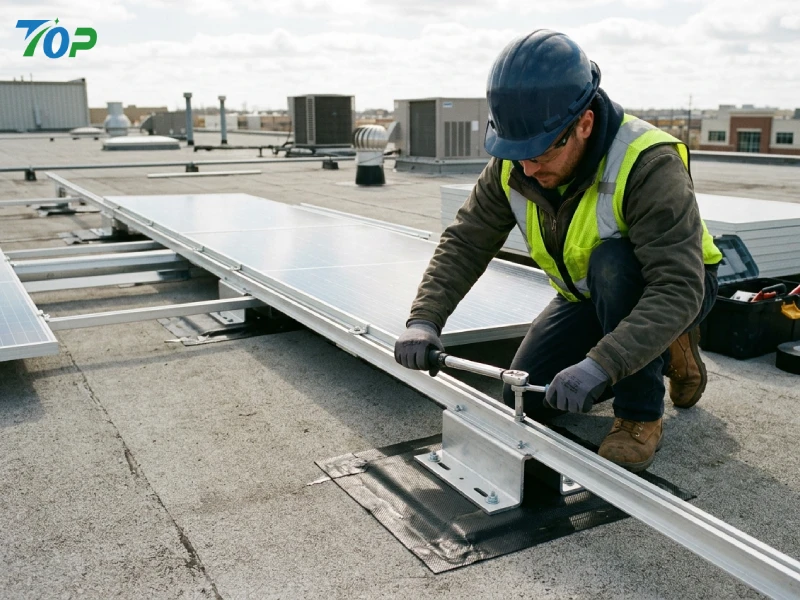
Engineer tightening solar mounting bolts with torque wrench

Engineering Perspective: Why Roof Damage Occurs in PV Installation Projects

To prevent roof damage effectively, it is necessary to understand the engineering root causes rather than focusing only on surface-level installation errors. In real-world EPC projects, roof damage usually results from multiple combined factors across design, material selection, and installation execution.

1. Insufficient Roof Structural Assessment Before Installation

One of the most common causes of PV installation roof damage is the lack of proper structural assessment before system design. Many projects assume uniform roof strength without evaluating actual load-bearing capacity, roof aging conditions, or material limitations.

From an engineering perspective, every roof must be evaluated for both static loads (system weight) and dynamic loads (wind uplift and environmental forces). Without this analysis, stress concentration may occur, leading to deformation or long-term structural fatigue.

2. Incorrect Selection of Solar Mounting Systems Based on Roof Type

One of the most critical engineering mistakes in rooftop PV projects is the mismatch between roof structure type and solar mounting system design. Different roof types have fundamentally different mechanical behaviors, waterproofing constraints, and load-bearing characteristics. Therefore, using a universal mounting solution without engineering adaptation significantly increases the risk of roof damage, structural instability, and long-term system failure.

From an EPC engineering perspective, selecting a solar mounting system is not a standard procurement action—it is a structural compatibility decision that directly determines system safety, waterproof reliability, and lifecycle performance.

2.1. Tile Roof Systems (Ceramic / Concrete Tiles)

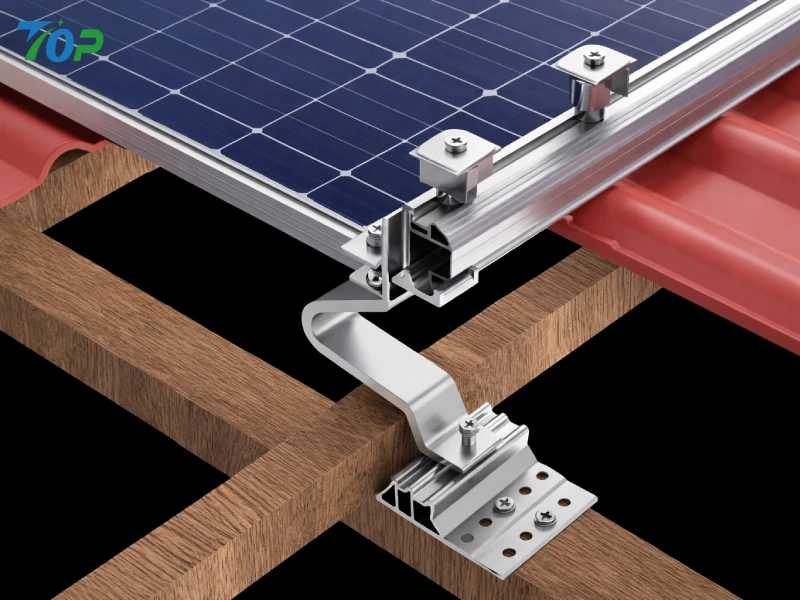
Tile roofs require hook-based mounting systems that anchor into the roof structure beneath the tiles without relying on tile-bearing load. The system typically uses stainless steel roof hooks combined with aluminum rails.

Engineering priority:

  • Avoid tile breakage by distributing load to rafters, not tiles
  • Use adjustable hooks to adapt to uneven tile surfaces
  • Maintain waterproof integrity by minimizing tile displacement


Incorrect installation on tile roofs often leads to cracked tiles, hidden water ingress, and long-term leakage beneath the roof layer.

2.2. Metal Roof Systems (Trapezoidal / Standing Seam)

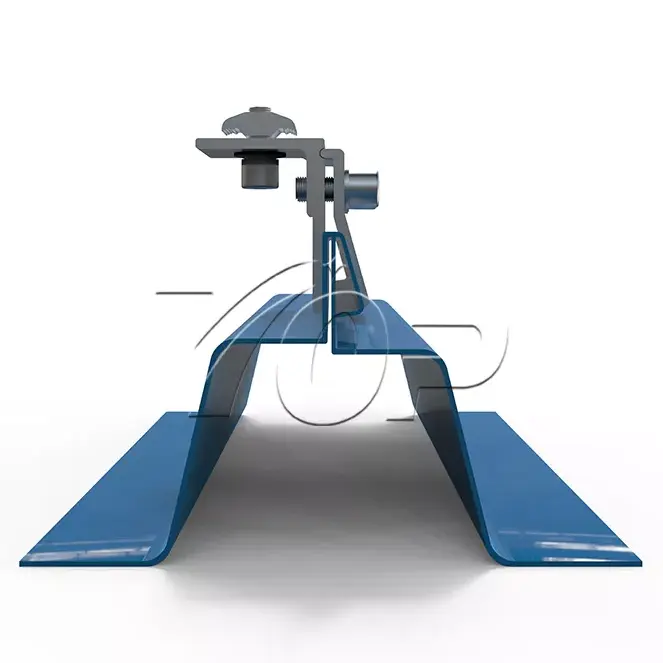
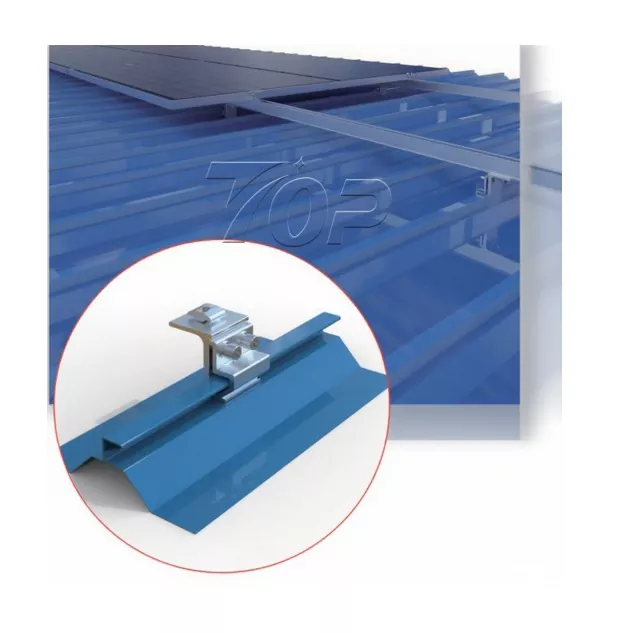
Metal roofs typically use clamp-based non-penetrating systems or controlled penetration systems depending on roof profile. Standing seam roofs allow seam clamps, while trapezoidal roofs often require self-tapping screws with sealing washers.

Engineering priority:

  • Preserve roof waterproof layer whenever possible
  • Use corrosion-resistant clamps (SUS304 recommended)
  • Account for thermal expansion of metal sheets


Failure to properly match mounting systems with metal roof profiles can result in leakage, fastener loosening, or long-term fatigue cracking due to thermal movement.

2.3. Flat Concrete Roof Systems

Flat concrete roofs generally use ballasted systems or anchored base plate systems depending on structural load capacity. Ballasted systems avoid roof penetration, while anchored systems use chemical anchors or expansion bolts.

Engineering priority:

  • Evaluate roof load capacity before choosing ballast systems
  • Ensure wind uplift resistance through structural anchoring design
  • Use waterproof sealing if penetration is required


Improper load calculation in flat roof systems can result in excessive structural stress or insufficient wind resistance, especially in high-wind regions.

2.4 Engineering Conclusion: Why System Selection Is a Structural Safety Decision

Selecting a solar mounting system is not only a procurement choice but a core engineering decision that defines how the entire photovoltaic system interacts with the building structure.

A mismatch between roof type and mounting system design can lead to:

  • Roof waterproof failure
  • Structural deformation under wind load
  • Accelerated corrosion and material fatigue
  • Increased long-term maintenance cost


For EPC contractors, correct system selection is the foundation of project reliability, installation efficiency, and lifecycle cost control.


Selecting a solar mounting system is therefore not just a procurement decision, but a structural safety decision that directly affects system reliability.

3. Lack of Standardized Installation Workflow

Many installation teams rely on experience rather than standardized engineering procedures. This often leads to inconsistent torque application, improper rail alignment, and missing waterproof verification steps.

Without standardized workflow control, even high-quality materials may fail due to improper installation practices. This is one of the most frequently overlooked causes of roof-related issues in PV projects.

Top PV Installation Mistakes That Lead to Roof Damage

The following installation errors are commonly observed in EPC projects and represent the most critical risk factors for roof damage. These issues are not theoretical—they are field-proven engineering failures.

Incorrect Roof Penetration and Waterproofing Methods

Improper roof penetration is a major cause of long-term leakage in solar installations. The issue is often not the penetration itself, but the lack of proper waterproof design such as flashing systems, EPDM sealing layers, or engineered gasket integration.

Over-reliance on sealants without mechanical waterproof structures increases the risk of water ingress, especially under thermal expansion and contraction cycles.

Structural Load Mismanagement in Mounting Systems

Uneven load distribution is another key cause of roof deformation. When mounting systems concentrate stress at specific points instead of distributing it evenly, long-term structural fatigue becomes more likely.

This issue becomes even more critical in regions with high wind loads or coastal environments.

Use of Low-Quality or Non-Certified Hardware

Material quality directly impacts system durability. The use of non-SUS304 fasteners or poorly treated aluminum components increases corrosion risk, especially in humid or coastal conditions.

Corrosion not only reduces structural strength but may also cause roof surface staining and long-term degradation.

Rail Misalignment and Installation Tolerance Errors

Even small rail alignment errors can lead to uneven stress distribution across PV modules. Over time, this may increase the risk of micro-cracks and reduce system efficiency.

Proper alignment is therefore a structural requirement, not just an aesthetic one.

Engineering Principles for Preventing Roof Damage in PV Systems

Preventing roof damage requires a shift from installation-based thinking to engineering-driven system design. The following principles represent core best practices in modern EPC solar projects.

Principle 1: Load Must Be Evenly Distributed

Solar mounting systems must ensure mechanical loads are evenly distributed across the roof surface to avoid localized stress concentration.

Principle 2: Waterproofing Must Be Structurally Integrated

Waterproof protection should not rely solely on sealants. Instead, it must be integrated into the mounting system design using flashing kits, EPDM interfaces, and engineered sealing structures.

Principle 3: Installation Must Follow Standardized Engineering Procedures

Torque control, alignment verification, and post-installation inspection must be standardized to ensure field execution matches engineering design requirements.
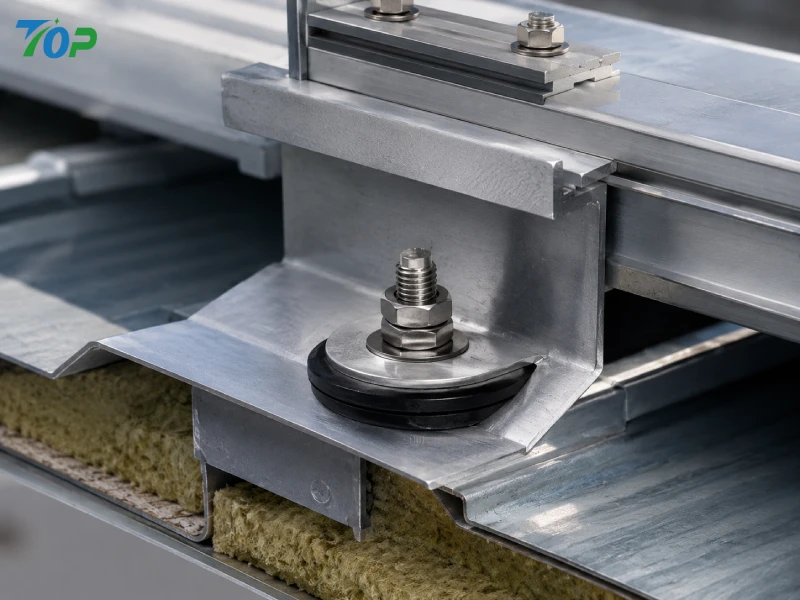
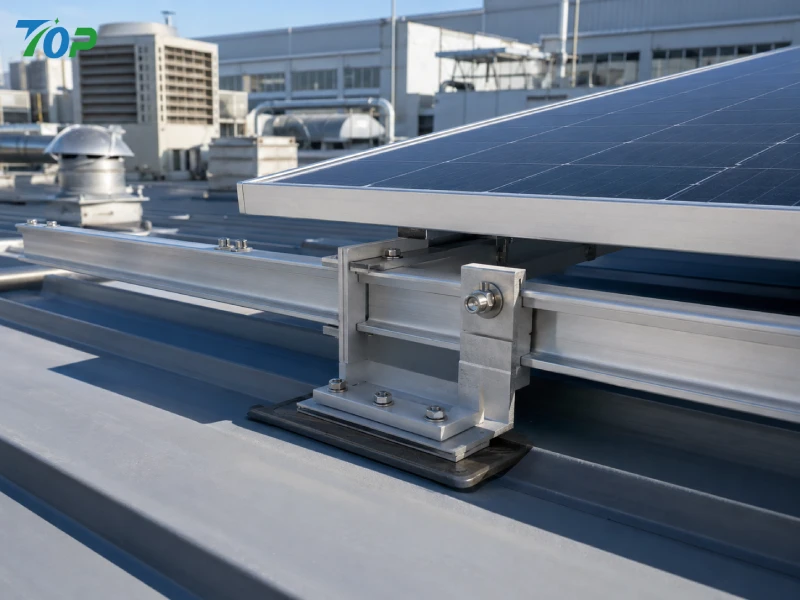
Waterproof solar roof penetration with EPDM sealing system

Engineering Best Practices to Eliminate Roof Damage Risk in PV Installation Projects

While common PV installation mistakes often originate from field execution errors, the most effective way to eliminate roof damage risk is to shift the entire project approach toward engineering-driven system design. For EPC contractors and solar installers, this means moving from reactive troubleshooting to proactive structural planning.

A well-designed solar installation system does not rely on individual installer experience alone. Instead, it depends on standardized engineering workflows, certified mounting components, and clearly defined installation control parameters that ensure consistency across all project stages.

1. Standardized Roof Assessment Before PV System Design

A professional EPC workflow always begins with a detailed roof assessment. This step is often underestimated, yet it determines the structural safety of the entire PV system.

Key engineering checks include roof load-bearing capacity, roof material condition, waterproofing integrity, and structural aging level. These factors directly influence the selection of solar mounting systems and installation methods.

Without this step, even high-quality mounting systems cannot guarantee roof protection because the foundation conditions are unknown or unstable.

2. Use of Certified Solar Mounting Systems for Structural Safety

Certified solar mounting systems play a critical role in reducing structural failure risk. Standards such as mechanical load testing, corrosion resistance validation, and wind resistance simulation ensure that the system performs reliably under real-world conditions.

For EPC contractors, certification is not just a compliance requirement—it is a risk control mechanism. It reduces project liability, improves installation predictability, and enhances long-term system reliability.

In professional procurement processes, certified systems are preferred because they reduce uncertainty in large-scale deployment projects, especially for commercial and industrial rooftops.

3. Structural Load Optimization and Wind Resistance Engineering

One of the most critical engineering aspects of rooftop PV systems is load distribution. A properly designed solar mounting system ensures that mechanical forces are evenly distributed across the roof surface, preventing localized stress accumulation.

Wind uplift resistance is especially important in coastal and high-wind regions. If the system is not designed to handle uplift forces, it can gradually loosen structural connections and eventually cause roof damage.

Advanced mounting systems use distributed anchoring strategies and aerodynamic structural layouts to reduce wind pressure impact while maintaining installation efficiency.

4. Installation Torque Control and Engineering Quality Assurance

Torque control is one of the most frequently ignored engineering requirements in PV installation projects. Incorrect torque application can lead to either over-compression (damaging roof structure) or under-tightening (causing instability).

Professional EPC workflows require torque wrench usage with defined standards for each connection point. This ensures consistency across all installers and eliminates variability caused by manual installation differences.

In addition, post-installation inspection is required to verify alignment, waterproof sealing integrity, and structural stability before system activation.

5. Waterproof-First Solar Mounting System Design Philosophy

Waterproofing should never be treated as a secondary step in solar installation. Instead, it must be embedded into the structural design of the mounting system itself.

Modern engineering-grade systems integrate flashing kits, EPDM sealing layers, and controlled penetration points to ensure long-term water resistance under thermal expansion conditions.

This approach significantly reduces long-term leakage risks compared to traditional sealant-dependent installation methods.

How EPC Contractors Can Reduce Total Lifecycle Risk Through Mounting System Selection

Beyond installation quality, the selection of the solar mounting system has a direct impact on total project lifecycle cost. EPC contractors who focus only on initial procurement cost often face higher maintenance expenses and increased roof repair risks over time.

Lifecycle Cost vs Initial Procurement Cost

Low-cost mounting systems may reduce upfront investment but often result in higher long-term service costs due to corrosion, structural instability, or waterproof failure.

Engineering-grade systems, while slightly higher in initial cost, significantly reduce maintenance frequency and extend system lifespan, improving overall project ROI.

Reducing EPC Liability Through System Standardization

Standardized mounting systems simplify installation training, reduce human error, and improve consistency across multiple project sites.

This is particularly important for EPC companies managing large-scale distributed rooftop portfolios where installation variability can create significant operational risk.

Inventory and Procurement Optimization for Distributors

From a distributor perspective, universal-compatible mounting systems reduce SKU complexity and improve inventory turnover efficiency.

This also ensures that downstream installers can adapt the same system across different roof types, improving supply chain flexibility.

TopFenceSolar Engineering Perspective: Building Reliable Rooftop PV Mounting Systems

From an engineering standpoint, a high-reliability solar mounting system must balance three key requirements: structural safety, waterproof durability, and installation efficiency. This balance defines the long-term performance of rooftop PV systems.

Material Engineering Standards for Long-Term Durability

High-quality mounting systems typically use anodized aluminum structures combined with SUS304 stainless steel fasteners to ensure corrosion resistance in harsh environments, including coastal and high-humidity regions.

This material combination reduces galvanic corrosion risk and ensures long-term mechanical stability under environmental stress.

Design Adaptability Across Different Roof Types

A professional-grade mounting system must support multiple roof types, including tile roofs, metal roofs, and flat concrete roofs. This adaptability reduces project design complexity and improves EPC installation efficiency.

Flexible bracket structures and modular rail systems allow installers to adjust configurations without compromising structural integrity.

Engineering Focus on Installation Efficiency and Safety

In real-world EPC projects, installation speed must be balanced with structural safety. A well-designed mounting system reduces installation steps while maintaining precise engineering control over load distribution and waterproofing performance.

PV mounting system structural load transfer on industrial rooftop

Engineering Best Practices to Eliminate Roof Damage Risk in PV Installation Projects

While common PV installation mistakes often originate from field execution errors, the most effective way to eliminate roof damage risk is to shift the entire project approach toward engineering-driven system design. For EPC contractors and solar installers, this means moving from reactive troubleshooting to proactive structural planning.

A reliable photovoltaic system is not achieved through installation experience alone. It depends on standardized engineering workflows, certified solar mounting systems, and strict installation quality control across every project stage.

Standardized Roof Assessment Before PV System Design

Every professional EPC project must begin with a complete roof assessment. This step determines whether the roof can safely support a solar PV system over its full lifecycle.

Key evaluation points include structural load-bearing capacity, roof material condition, waterproofing integrity, and long-term aging behavior. These parameters directly affect the choice of solar mounting system and installation method.

Without proper assessment, even high-quality mounting systems may fail due to unsuitable structural conditions beneath the PV array.

Use of Certified Solar Mounting Systems for Structural Safety

Certified solar mounting systems provide verified performance under mechanical load, corrosion exposure, and wind resistance conditions. For EPC contractors, this certification acts as a technical risk control tool rather than a formal requirement.

Standards such as mechanical load testing and corrosion resistance validation ensure the system performs reliably under real installation environments, reducing unexpected structural failures.

In large-scale projects, certified systems reduce uncertainty and improve consistency across multiple installation teams and sites.

Structural Load Optimization and Wind Resistance Engineering

One of the most important engineering principles in rooftop PV systems is load distribution. Proper design ensures that mechanical forces are evenly spread across the roof instead of concentrated at specific anchor points.

Wind uplift is a critical factor in system safety, especially in coastal and high-wind regions. If not properly accounted for, it can gradually loosen mounting connections and compromise roof integrity over time.

Advanced mounting systems use distributed anchoring layouts to reduce localized stress and improve long-term structural stability.

Installation Torque Control and Engineering Quality Assurance

Torque control is often underestimated in PV installation projects, yet it is critical to structural safety. Incorrect torque can either damage roof materials or cause unstable mounting connections.

Professional EPC standards require the use of torque wrenches with defined torque values for each connection point. This ensures consistent installation quality regardless of installer experience.

Post-installation inspection is also essential to verify alignment accuracy, structural stability, and waterproof sealing performance before system commissioning.

Waterproof-First Solar Mounting System Design Philosophy

Waterproof protection should be integrated into the structural design of the mounting system, not treated as an after-installation task.

Modern engineering-grade systems use flashing kits, EPDM sealing layers, and controlled penetration points to maintain long-term waterproof reliability under thermal expansion and contraction.

This structural approach significantly reduces the risk of long-term roof leakage compared to sealant-dependent installation methods.

How EPC Contractors Can Reduce Lifecycle Risk Through Mounting System Selection

Mounting system selection has a direct impact on total lifecycle cost. EPC contractors who focus only on initial procurement cost often face higher maintenance and repair expenses over time.

Lifecycle Cost vs Initial Procurement Cost

Low-cost mounting systems may reduce upfront investment but often lead to higher long-term service costs due to corrosion, structural loosening, or waterproof failure.

Engineering-grade systems improve long-term ROI by reducing maintenance frequency and extending system lifespan.

Reducing EPC Liability Through System Standardization

Standardized mounting systems reduce installation variability, simplify training requirements, and improve execution consistency across multiple projects.

This is particularly important for EPC companies managing large distributed rooftop portfolios.

Procurement Efficiency for Distributors and Wholesalers

For distributors, universal-compatible mounting systems simplify inventory management and reduce SKU complexity.

This improves supply chain efficiency and allows faster response to diverse project requirements.

TopFenceSolar Engineering Perspective: Reliable Rooftop PV Mounting Systems

A high-performance solar mounting system must balance structural safety, waterproof durability, and installation efficiency. These three factors define the long-term reliability of rooftop PV systems.

Material Engineering for Long-Term Durability

High-quality mounting systems typically combine anodized aluminum structures with SUS304 stainless steel fasteners. This combination improves corrosion resistance and ensures stability in humid or coastal environments.

It also reduces galvanic corrosion risk and maintains structural integrity over long-term environmental exposure.

Adaptability Across Roof Types

Professional mounting systems must be compatible with tile roofs, metal roofs, and flat concrete roofs.

Modular bracket designs and adjustable rail systems allow EPC teams to adapt installation configurations without compromising structural performance.

Engineering Focus on Installation Efficiency

Efficient installation is achieved by reducing unnecessary steps while maintaining precise control over structural and waterproofing requirements.

This balance helps EPC contractors improve project delivery speed without sacrificing safety or reliability.

Reduce Roof Damage Risks with Engineering-Grade PV Mounting Systems

Still facing challenges with common PV installation mistakes such as roof leakage, improper mounting, or structural instability? In EPC solar projects, these issues often lead to costly maintenance, system failures, and long-term roof damage. TopFenceSolar provides engineering-grade solar mounting systems designed with optimized load distribution, SUS304 corrosion-resistant hardware, and integrated waterproofing solutions to ensure long-term roof protection and installation reliability. Our systems are built to help EPC contractors, installers, and distributors reduce lifecycle risk and improve project ROI in commercial and industrial rooftop applications.

Request Engineering Support & EPC Project Consultation


Frequently Asked Questions: PV Installation Mistakes and Roof Damage Prevention

Q1: What are the most common PV installation mistakes that cause roof damage?

The most common PV installation mistakes include improper roof penetration sealing, incorrect solar mounting system selection, lack of torque control during installation, and poor load distribution design. These issues often lead to roof leakage, structural stress, or long-term waterproof failure in rooftop PV systems.

Q2: How can EPC contractors prevent roof leakage in solar installations?

EPC contractors can prevent roof leakage by integrating waterproofing into the mounting system design, using EPDM sealing components, ensuring correct flashing installation, and following standardized torque-controlled installation procedures. Proper roof assessment before installation is also essential.

Q3: Why is solar mounting system selection critical for roof safety?

The solar mounting system directly determines how mechanical loads are distributed across the roof. A poorly selected system can create stress concentration points, leading to roof deformation or structural damage. Engineering-grade systems ensure load balance and long-term stability.

Q4: Is roof penetration always risky in PV installation projects?

Roof penetration is not inherently risky if properly engineered. The risk comes from poor sealing, lack of flashing systems, or improper installation techniques. When combined with EPDM waterproofing and structural sealing design, penetration systems can remain fully reliable.

Q5: What role does torque control play in PV installation quality?

Torque control ensures that all fasteners are tightened to consistent engineering standards. Over-tightening can damage roof materials, while under-tightening can cause structural instability. Proper torque application is critical for long-term system reliability and safety.

Q6: How does wind load affect rooftop solar mounting systems?

Wind load creates uplift pressure on PV modules, which can loosen mounting structures over time if not properly designed. Engineering-grade mounting systems use distributed anchoring and structural reinforcement to resist wind uplift forces, especially in coastal and high-wind regions.

Q7: What materials are recommended for long-term solar mounting durability?

High-quality solar mounting systems typically use anodized aluminum structures combined with SUS304 stainless steel fasteners. This combination provides strong corrosion resistance, especially in humid, coastal, or industrial environments.

Q8: How can EPC companies reduce lifecycle costs in PV installation projects?

EPC companies can reduce lifecycle costs by using certified solar mounting systems, standardizing installation procedures, minimizing installation errors, and selecting corrosion-resistant materials. These measures reduce maintenance frequency and prevent long-term roof damage.

Related News
Leave me a message
X
We use cookies to offer you a better browsing experience, analyze site traffic and personalize content. By using this site, you agree to our use of cookies. Privacy Policy
Reject Accept