Integrated Solar Fencing: The Perfect Combination of Aesthetics, Security, and Renewable Energy
What Is Integrated Solar Fencing and Why It Is Transforming Industrial Infrastructure
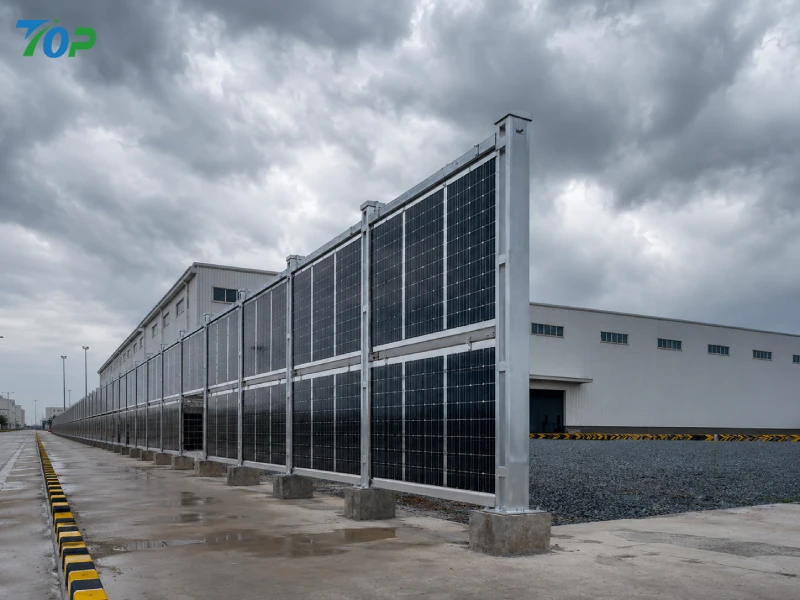
As industrial facilities, logistics parks, commercial campuses, and public infrastructure projects continue pursuing renewable energy goals, the demand for infrastructure that serves more than one purpose is growing rapidly. Integrated Solar Fencing is emerging as one of the most practical solutions because it combines perimeter protection, electricity generation, and architectural design within a single system. Unlike conventional fencing that occupies valuable space without creating economic value, Integrated Solar Fencing transforms boundary areas into productive energy assets while maintaining security requirements.
For EPC contractors, solar installers, and project developers, the concept is attractive for another reason: land utilization efficiency. Every square meter of a project site represents an investment. When a fence can simultaneously function as a security barrier and a photovoltaic power generation system, the return on infrastructure spending improves significantly. This dual-purpose approach is one of the key reasons why solar fence systems are gaining attention across industrial, commercial, agricultural, and utility-scale applications.
Why Traditional Fencing Is No Longer Enough
For decades, perimeter fencing has been viewed primarily as a security component. Its role was simple: define property boundaries, restrict unauthorized access, and protect valuable assets. While these functions remain important, modern project owners increasingly expect infrastructure investments to deliver measurable economic returns.
At the same time, three major trends are reshaping how industrial and commercial facilities evaluate site infrastructure:
- Rising electricity costs in many global markets
- Increasing pressure to reduce carbon emissions
- Growing emphasis on land-use efficiency
Traditional fencing addresses only one challenge—security. It contributes nothing to energy production, sustainability objectives, or operational savings. As a result, many project owners are beginning to ask a different question:
"If a fence must be installed anyway, why not make it generate electricity?"
This simple question is driving the adoption of photovoltaic fencing systems worldwide.
In industrial parks where available rooftop area is limited, solar fencing creates an additional opportunity to install photovoltaic capacity without occupying operational land. In logistics facilities where perimeter lengths may extend hundreds or even thousands of meters, the potential energy-generating surface becomes surprisingly significant.
The concept aligns particularly well with modern ESG strategies. Investors, customers, and regulatory authorities increasingly evaluate companies based on environmental performance. Installing a solar perimeter fence provides a visible demonstration of sustainability efforts while simultaneously reducing electricity consumption from the grid.
What Makes Solar Fencing Different from Conventional Solar Installations?
When discussing solar power projects, most people immediately think of rooftop systems or ground-mounted solar farms. Integrated solar fencing occupies a unique position between these two approaches.
Unlike rooftop photovoltaic systems, solar fences do not depend on roof structural capacity. Many older industrial buildings were never designed to support the additional dead loads and wind loads associated with photovoltaic installations. Structural reinforcement can significantly increase project costs.
Unlike traditional ground-mounted solar arrays, solar fencing does not require dedicated land acquisition. The installation is integrated directly into infrastructure that already serves an essential purpose.
This distinction creates several practical advantages.
| System Type | Primary Function | Additional Land Required | Security Function | Visual Impact |
|---|---|---|---|---|
| Traditional Fence | Security | No | Yes | Limited |
| Rooftop Solar | Energy Generation | No | No | Low Visibility |
| Ground-Mounted Solar | Energy Generation | Yes | No | Moderate |
| Integrated Solar Fencing | Security + Energy Generation | No | Yes | High Architectural Value |
For project developers evaluating infrastructure ROI, the ability to combine multiple functions into a single investment often creates a stronger business case than standalone systems.
What Is Integrated Solar Fencing?
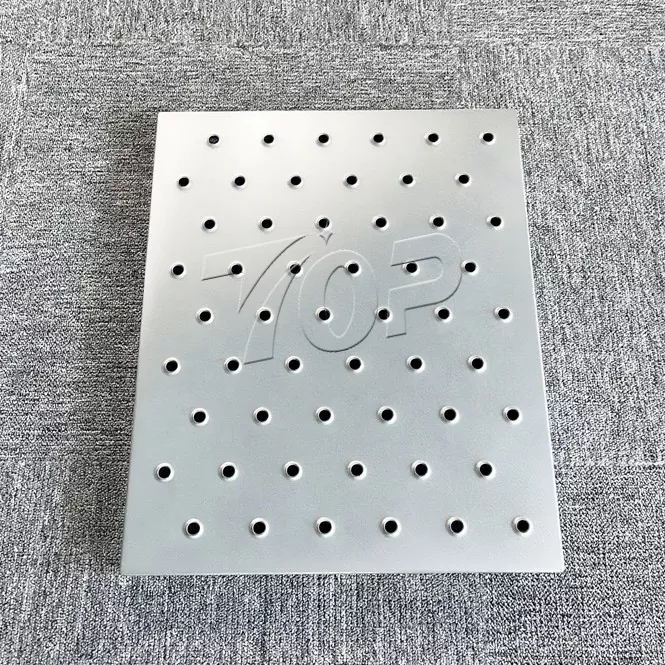
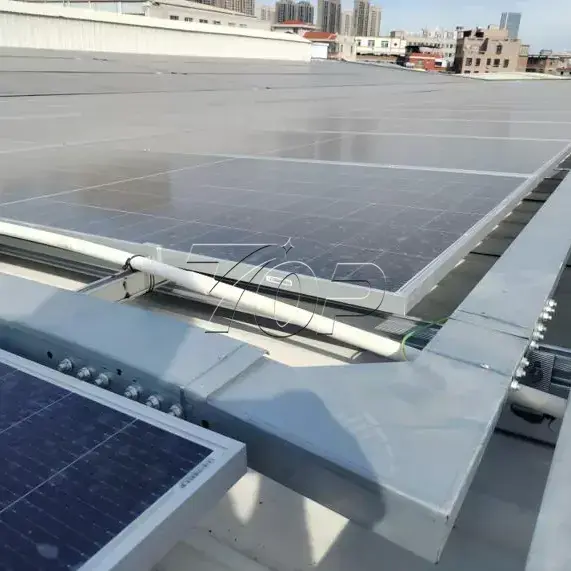
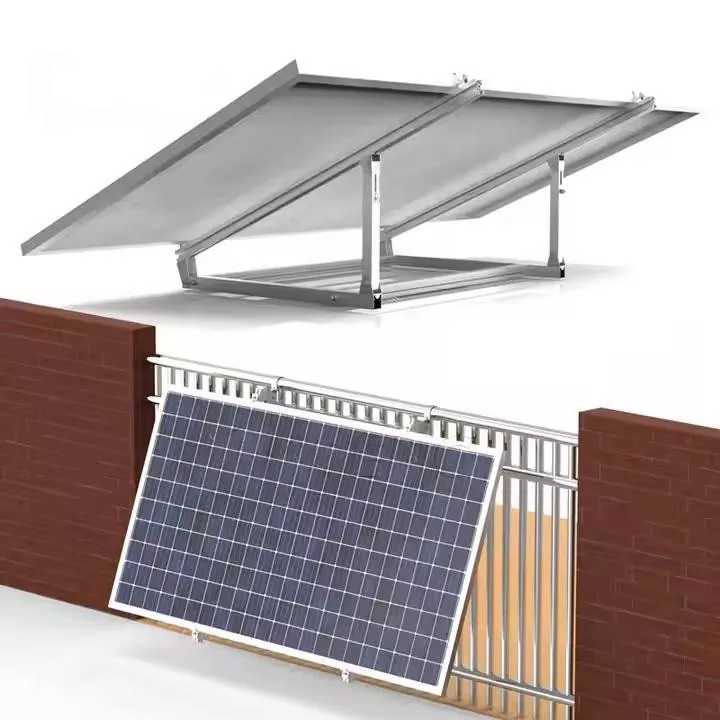
Integrated Solar Fencing refers to a perimeter barrier system that incorporates photovoltaic modules directly into the fence structure. Instead of using conventional mesh panels, metal sheets, or decorative materials, the fence itself becomes an active power-generating surface.
The design can vary depending on project requirements, local regulations, and architectural preferences. Some systems utilize opaque photovoltaic modules for maximum energy production, while others employ semi-transparent solar glass to balance aesthetics and functionality.
Core Components of a Solar Fence System
Although designs differ among manufacturers, most commercial solar fence systems include several essential components.
Photovoltaic Modules
Solar modules are the energy-generating element of the system. Depending on project objectives, developers may select:
- Monofacial solar panels
- Bifacial solar modules
- Glass-glass photovoltaic modules
- Semi-transparent solar panels
- Building-integrated photovoltaic panels
Bifacial technology is becoming increasingly popular because vertical fence installations can benefit from reflected light on both sides of the module.
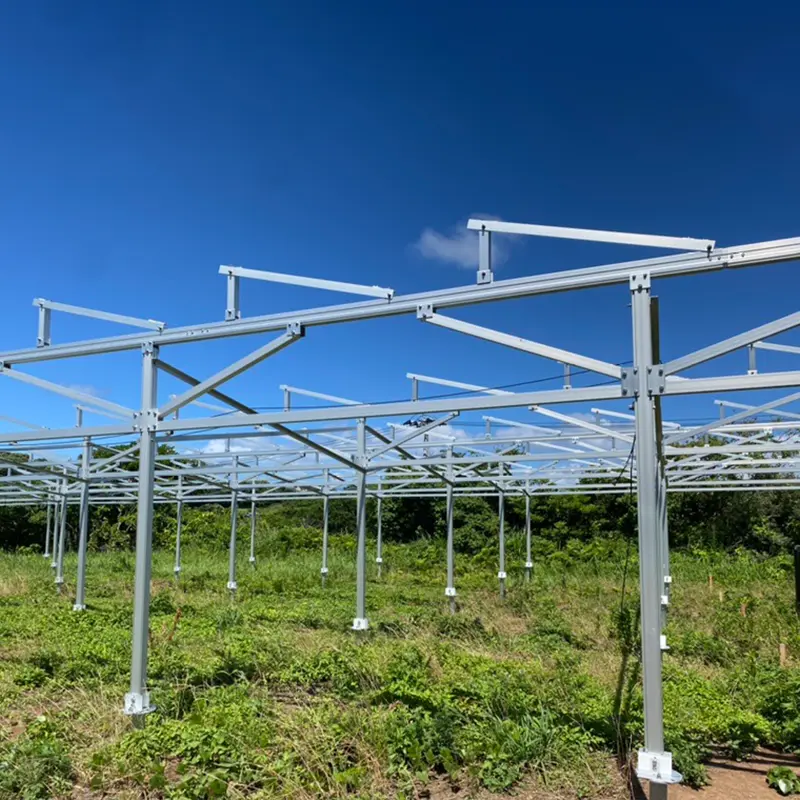
Structural Framework
The fence structure must withstand both static and dynamic loads throughout its service life. Typical materials include:
- Hot-dip galvanized steel
- Anodized aluminum alloy
- Structural steel posts
Material selection depends on environmental conditions, corrosion risks, design loads, and maintenance expectations.
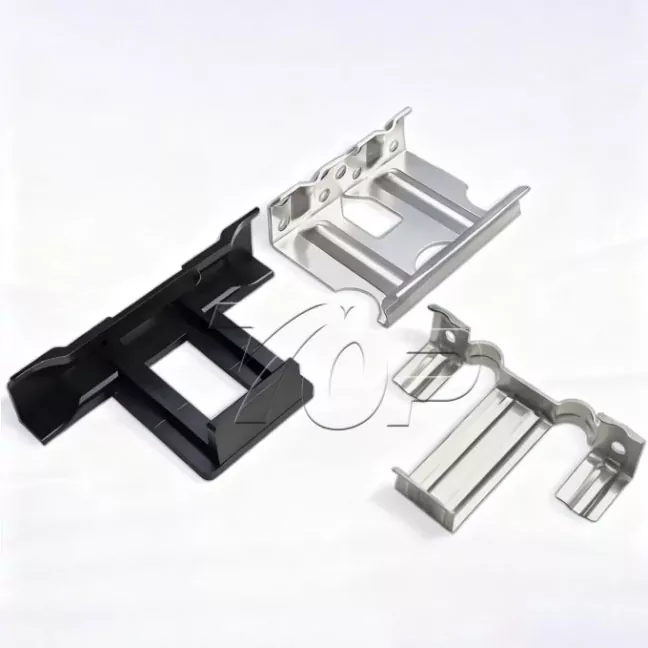
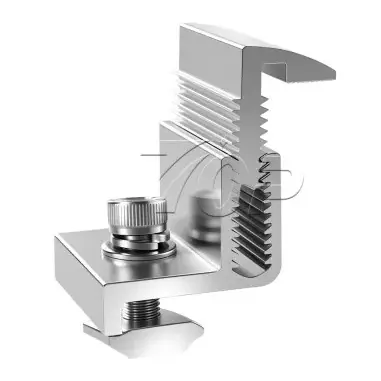
Fastening System
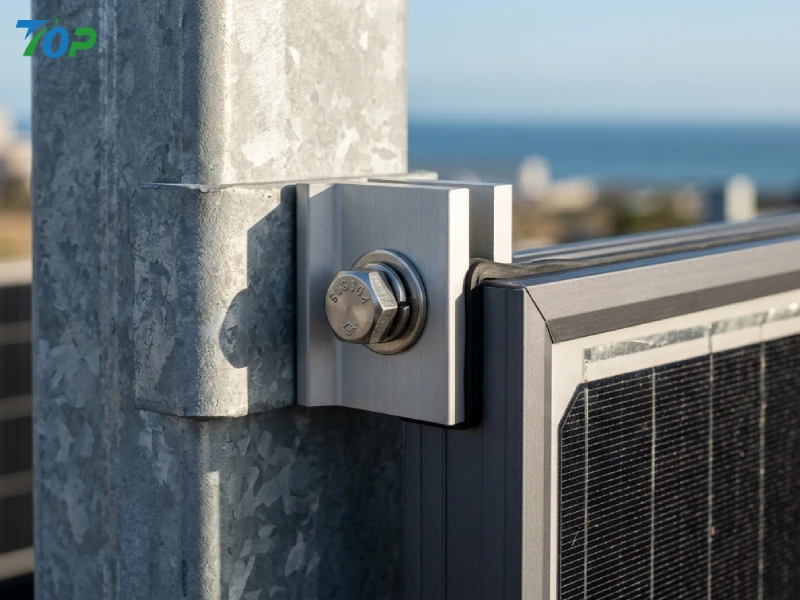
Fasteners are often overlooked during project planning but play a critical role in long-term reliability. High-quality solar fence systems generally use SUS304 stainless steel hardware as a minimum requirement. Coastal environments may require SUS316 stainless steel components to provide enhanced corrosion resistance.
Electrical Components
- String inverters
- Microinverters
- DC cabling
- Monitoring systems
- Grounding equipment
- Protection devices
Proper cable management is particularly important because fence-mounted systems are exposed to public-facing environments where mechanical protection and aesthetics must both be considered.
How Integrated Solar Fencing Generates Electricity
From an engineering perspective, solar fencing follows the same photovoltaic principles as conventional solar installations.
Sunlight strikes the photovoltaic cells inside the solar modules. The cells convert solar radiation into direct current (DC) electricity through the photovoltaic effect. The generated DC power is then transmitted through electrical conductors to an inverter, where it is converted into alternating current (AC) electricity suitable for facility use or grid export.
The energy flow can be summarized as:
Sunlight → Solar Modules → DC Electricity → Inverter → Facility Consumption or Utility Grid
The simplicity of this process often surprises property owners who initially assume solar fencing is fundamentally different from conventional photovoltaic systems. In reality, the primary distinction lies in structural integration rather than electrical operation.
Common Solar Fence Configurations
Not all solar fence projects are designed the same way. Site conditions, energy objectives, security requirements, and architectural preferences influence the final configuration.
Vertical Solar Fencing
Vertical installations represent the most common design approach.
The modules are installed perpendicular to the ground, functioning as standard fence panels while generating electricity.
Advantages include:
- Simple construction
- Lower structural complexity
- Reduced visual intrusion
- Improved resistance to snow accumulation
- Easier maintenance access
Vertical photovoltaic fencing is particularly attractive for industrial parks and logistics facilities where long perimeter lengths are available.
Tilted Solar Fencing
Some projects incorporate tilted modules to increase annual energy production.
By optimizing module orientation toward the sun, tilted systems can improve energy yield compared with fully vertical installations. However, the structural design becomes more demanding because wind loads typically increase as module inclination grows.
EPC contractors must carefully evaluate whether the additional energy production justifies the increased structural requirements.
Bifacial Solar Fencing
Bifacial modules have become one of the most interesting developments in solar fence design.
Unlike traditional panels that collect sunlight only on the front surface, bifacial modules can capture reflected radiation from both sides.
This characteristic is particularly beneficial for vertical fence applications because:
- Morning sunlight may illuminate one side
- Afternoon sunlight may illuminate the opposite side
- Ground-reflected light contributes additional generation
- Seasonal energy production becomes more balanced
Actual energy gains vary depending on albedo conditions, module spacing, orientation, and local climate. In favorable environments, bifacial technology can provide meaningful improvements in annual energy output.
Semi-Transparent Solar Fencing
For projects where aesthetics are a primary concern, semi-transparent photovoltaic panels offer a unique solution.
These systems allow partial light transmission while still generating electricity. They are frequently specified for:
- Commercial developments
- Corporate campuses
- Public infrastructure projects
- Architectural landscaping applications
Although energy production may be lower compared with fully opaque modules, the visual appeal often creates additional value that cannot be measured solely through electricity generation metrics.
Why Solar Fencing Is Becoming a Fast-Growing Infrastructure Solution
The increasing popularity of commercial solar fencing is not simply the result of environmental awareness. Adoption is being driven by practical business considerations.
Facility owners today expect every infrastructure investment to contribute toward operational efficiency, sustainability objectives, or long-term financial performance.
Solar fencing meets all three requirements simultaneously.
Maximizing Land Utilization Efficiency
Land availability has become one of the biggest constraints affecting distributed solar development.
Many industrial facilities have already utilized available rooftop space. Others face structural limitations that prevent rooftop installations altogether.
Meanwhile, perimeter boundaries remain largely unused.
A facility with 1,000 meters of perimeter fencing may possess thousands of square meters of vertical surface area capable of supporting photovoltaic generation. Converting this space into an energy-generating fence creates additional solar capacity without interfering with daily operations.
For project developers, this represents a valuable opportunity to increase total installed capacity while avoiding land acquisition costs.
Supporting ESG and Carbon Reduction Goals
Environmental commitments are no longer limited to multinational corporations. Businesses of all sizes are under increasing pressure to demonstrate measurable sustainability progress.
Solar fencing provides a highly visible renewable energy investment that can contribute to:
- Carbon reduction targets
- ESG reporting initiatives
- Green building certifications
- Corporate sustainability programs
Unlike rooftop systems that may be hidden from public view, a photovoltaic fence visibly communicates environmental commitment to employees, customers, investors, and local communities.
Engineering Design Principles Behind a Reliable Solar Fence
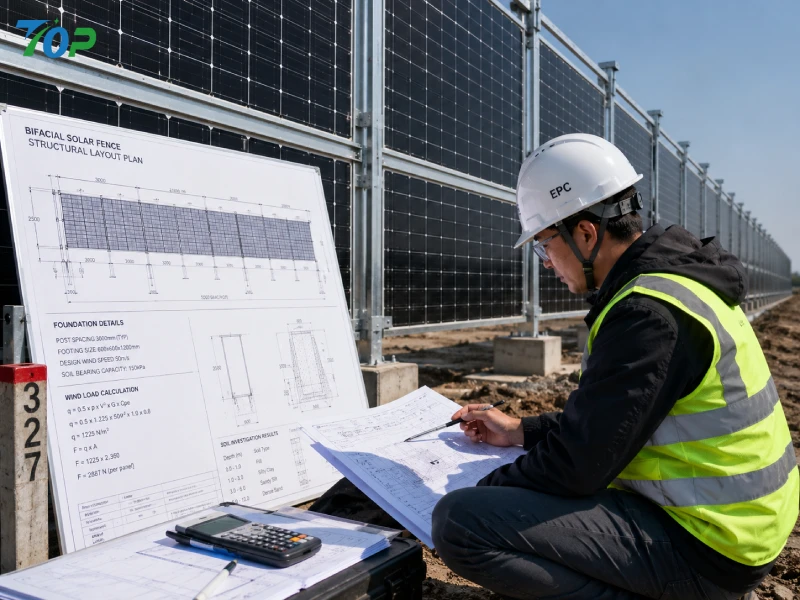
One of the most common misconceptions about integrated solar fencing is that it is simply a conventional fence with solar panels attached. In reality, a properly engineered solar fence is a structural system that must simultaneously satisfy security requirements, power-generation objectives, environmental exposure conditions, and long-term durability expectations.
For EPC contractors, the engineering phase often determines whether a project will remain trouble-free for decades or become a source of costly maintenance issues. While solar modules typically receive most of the attention during procurement, the supporting structure, foundation design, fastening system, and environmental resistance strategy are equally important.
A solar fence is expected to remain operational for 25 years or more. During that period, it may experience typhoon winds, seasonal storms, temperature fluctuations, UV exposure, corrosion, soil movement, and mechanical impacts. Engineering decisions made during the design stage directly influence lifecycle cost, maintenance frequency, and overall project ROI.
Wind Load Design Considerations
Among all structural challenges, wind loading is usually the most critical factor in solar fence design.
Unlike rooftop solar systems, which are often shielded by building geometry, fence-mounted photovoltaic modules are fully exposed to wind forces. Because solar modules present a relatively large surface area, they can behave similarly to a continuous sail when subjected to strong winds.
This effect becomes particularly significant in:
- Coastal regions exposed to typhoons
- Open industrial zones
- Logistics parks with minimal wind barriers
- Airports and transportation corridors
- High-altitude installations
Why Wind Pressure Is More Complex Than Many Buyers Assume
Wind loading is not determined solely by maximum wind speed. Engineers must evaluate multiple factors including:
- Basic design wind speed
- Terrain category
- Topographic effects
- Exposure classification
- Panel orientation
- Fence height
- Module spacing
- Local building code requirements
For example, a solar fence installed in a sheltered industrial park may experience significantly different wind forces compared with an identical system installed along an exposed coastal highway.
Even when the photovoltaic modules are identical, structural requirements can vary dramatically.
Common Wind Load Standards Used Worldwide
Depending on project location, engineers typically reference internationally recognized standards such as:
- ASCE 7 (United States)
- Eurocode EN 1991 (Europe)
- AS/NZS 1170 (Australia and New Zealand)
- Japanese Building Standard Law
- Local municipal building regulations
Professional solar fence manufacturers should be capable of adapting structural calculations to the applicable code requirements of the destination market.
Engineering Strategies for Improving Wind Resistance
Several design techniques are commonly employed to improve structural stability under high wind conditions.
One approach involves optimizing module spacing. Small gaps between panels can help reduce pressure differentials while maintaining overall fence integrity.
Another strategy is increasing post section strength. Larger structural members improve resistance to bending moments generated by wind forces.
Foundation depth also plays a critical role. Even if above-ground components remain intact, inadequate foundations can result in tilting, settlement, or complete structural failure during extreme weather events.
Advanced manufacturers increasingly utilize finite element analysis (FEA) and structural simulation software to evaluate load distribution before production begins. This engineering-first approach helps identify potential weaknesses before installation.
Typhoon and Hurricane Design Considerations
In regions exposed to tropical storms, structural redundancy becomes especially important.
Projects located in Southeast Asia, Japan, coastal China, the Gulf Coast, and parts of Oceania often require enhanced design measures such as:
- Increased post embedment depth
- Heavier structural profiles
- Additional reinforcement brackets
- Higher-grade fasteners
- Stronger foundation systems
The cost increase associated with these upgrades is typically small compared with the financial consequences of structural failure. For industrial facilities where downtime can be extremely expensive, investing in proper wind-load engineering often produces the lowest lifecycle cost.
Foundation Design Requirements
A solar fence is only as reliable as the foundation supporting it.
Unfortunately, foundation design is sometimes treated as a secondary consideration during early project planning. This can create significant problems later in the project lifecycle.
Unlike traditional fencing, photovoltaic fence systems are subjected to higher overturning forces because of the additional wind pressure acting on the solar modules.
As a result, foundation selection should always be based on engineering analysis rather than installation convenience alone.
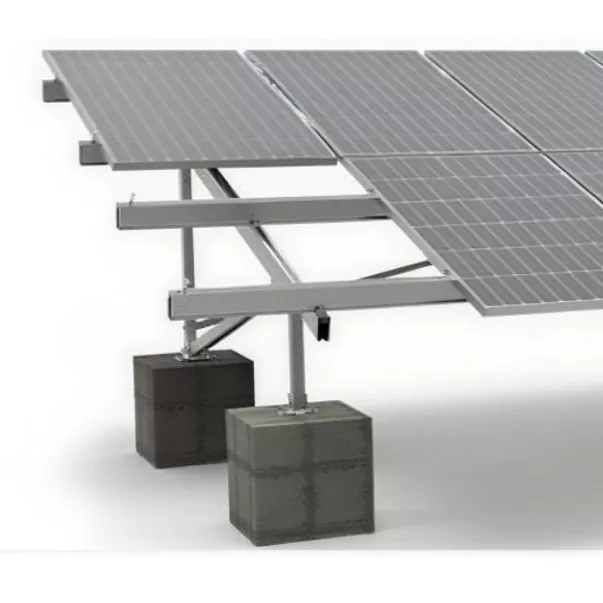
Concrete Footing Foundations
Concrete foundations remain one of the most widely used solutions for commercial solar fencing projects.
Advantages include:
- High structural stability
- Excellent load-bearing capacity
- Long service life
- Compatibility with various soil conditions
Concrete footings are often preferred for:
- Industrial facilities
- Public infrastructure
- High-wind locations
- Permanent installations
The primary disadvantage is increased installation time due to excavation and curing requirements.
Ground Screw Foundations
Ground screw systems have gained popularity because they can significantly reduce construction schedules.
These foundations are mechanically installed into the soil without requiring large concrete pours.
Key benefits include:
- Faster installation
- Reduced site disturbance
- Lower labor requirements
- Improved sustainability profile
However, ground screws may not be suitable for every soil condition. Proper geotechnical assessment remains essential.
Driven Pile Foundations
For utility-scale or highly demanding projects, driven steel piles may provide the most economical solution.
Driven piles are commonly used when:
- Long fence runs are required
- Installation speed is critical
- Ground conditions permit pile driving
- Large-scale deployment is planned
Pile systems often offer an excellent balance between structural performance and installation efficiency.
Soil Conditions Matter More Than Many Buyers Realize
Identical fence designs can perform very differently depending on soil characteristics.
Before finalizing foundation design, engineers should evaluate:
- Soil bearing capacity
- Groundwater conditions
- Frost depth
- Settlement potential
- Corrosion risks
A geotechnical investigation may add modest upfront cost, but it can prevent major structural issues during operation.
Corrosion Resistance for Long-Term Durability
Corrosion is one of the most underestimated threats affecting outdoor photovoltaic infrastructure.
Many solar projects are expected to operate for 25 to 30 years. Over such long periods, environmental exposure can gradually weaken structural components if appropriate material selection is not implemented from the beginning.
Corrosion-related failures rarely occur immediately. Instead, they often develop slowly, eventually resulting in expensive repairs, safety concerns, and reduced asset value.
Challenges in Coastal Environments
Coastal installations face particularly demanding conditions.
Salt particles carried by sea air can accelerate corrosion rates dramatically. Components located within a few kilometers of the coastline may experience significantly greater exposure compared with inland installations.
Typical coastal applications include:
- Ports
- Logistics terminals
- Coastal industrial parks
- Airport infrastructure
- Seaside commercial developments
For these projects, material selection becomes a critical engineering decision rather than simply a procurement consideration.
Hot-Dip Galvanized Steel
Hot-dip galvanized steel remains one of the most widely used materials for solar fence support structures.
The zinc coating provides sacrificial protection, helping prevent corrosion of the underlying steel.
Advantages include:
- Excellent mechanical strength
- Proven outdoor durability
- Cost-effectiveness
- Wide global availability
Galvanized steel is particularly attractive for projects requiring robust structural performance under demanding wind conditions.
Aluminum Alloy Structures
Aluminum has become increasingly popular within the photovoltaic industry due to its favorable strength-to-weight ratio.
Benefits include:
- Natural corrosion resistance
- Reduced transportation costs
- Simplified installation
- Attractive appearance
For many commercial solar fencing projects, aluminum structures provide an effective balance between durability and installation efficiency.
SUS304 and SUS316 Stainless Steel Fasteners
Fasteners represent a relatively small percentage of total project cost, yet they often determine long-term reliability.
Inferior hardware can lead to:
- Rust staining
- Connection failures
- Maintenance challenges
- Reduced structural integrity
SUS304 stainless steel is generally considered the minimum acceptable standard for high-quality solar fence installations.
For highly corrosive environments, SUS316 stainless steel offers superior resistance due to its molybdenum content.
The incremental cost increase is usually small relative to the overall project investment, making higher-grade fasteners a worthwhile consideration for long-life assets.
Electrical Safety and Compliance
While structural integrity receives considerable attention, electrical safety is equally important.
Because solar fence systems are often located in publicly accessible areas, electrical design must prioritize both operational performance and user protection.
Grounding Systems
Proper grounding helps reduce risks associated with fault currents and lightning events.
All conductive structural components should be electrically bonded in accordance with applicable electrical standards.
An effective grounding system can:
- Improve safety
- Protect equipment
- Reduce downtime
- Enhance system reliability
Lightning Protection
In regions with high lightning activity, additional protective measures may be required.
Depending on local regulations and risk assessments, projects may incorporate:
- Surge protection devices
- Dedicated lightning conductors
- Enhanced grounding networks
- Equipment protection systems
The objective is not merely regulatory compliance but long-term operational resilience.
Cable Routing and Protection
Fence-mounted photovoltaic systems often require longer cable runs than rooftop installations.
Exposed cabling can create multiple challenges:
- Mechanical damage
- UV degradation
- Vandalism risks
- Maintenance difficulties
Best practices typically include:
- UV-resistant cable materials
- Protected conduit systems
- Secure attachment methods
- Clearly documented cable routes
Thoughtful cable management improves both safety and aesthetics.
Fire Safety Considerations
Although photovoltaic systems have demonstrated strong safety records globally, fire protection remains an important design consideration.
Engineers should evaluate:
- Component certification
- Cable quality
- Connection integrity
- Isolation capability
- Emergency shutdown requirements
Using certified components from reputable suppliers helps reduce operational risks throughout the system lifecycle.
Solar Fence Energy Production Analysis
Ultimately, a solar fence must justify its investment through measurable energy production and financial returns.
While aesthetics and security contribute important value, electricity generation remains a primary driver behind project adoption.
One of the first questions asked by investors, EPC firms, and facility owners is simple:
“How much electricity can a solar fence actually produce?”
The answer depends on several interacting variables, which will be examined in detail in the next section.
Factors Affecting Energy Yield
Unlike conventional rooftop systems where orientation and tilt are often optimized, solar fencing operates within practical constraints imposed by site boundaries.
As a result, energy production depends heavily on project-specific conditions.
Key factors include:
- Fence orientation
- Geographic latitude
- Solar irradiation levels
- Module efficiency
- System losses
- Shading conditions
- Bifacial gain potential
Accurate yield estimation requires detailed project analysis rather than relying on generic assumptions. Professional energy modeling allows project developers to evaluate realistic production expectations before investment decisions are made.
Vertical vs. Tilted Solar Fence Yield Comparison
One of the most frequently discussed topics during project planning is whether solar fence modules should be installed vertically or at a tilt angle. The answer depends on the project's priorities, site limitations, maintenance strategy, and financial objectives.
From a purely theoretical energy-production perspective, modules installed at an optimized tilt angle generally produce more electricity annually than vertical installations. This occurs because the module surface can capture solar radiation more directly throughout the year.
However, solar fencing is fundamentally different from a conventional ground-mounted photovoltaic system. Energy yield is only one part of the decision-making process.
A vertical solar fence often offers significant practical advantages:
- Lower structural loads
- Reduced wind pressure
- Simplified foundation requirements
- Easier cleaning and maintenance
- Better compatibility with security fencing functions
- Improved performance in snowy climates due to reduced snow accumulation
In contrast, tilted solar fencing may provide higher annual energy generation but often requires:
- Stronger support structures
- Deeper foundations
- Higher material consumption
- Additional engineering analysis
- More installation labor
For many industrial and logistics projects, the decision is not based solely on maximizing kilowatt-hours. Instead, developers evaluate the balance between energy production, structural complexity, project cost, and long-term maintenance.
In real-world applications, vertical solar fences frequently deliver the most attractive lifecycle economics because the reduction in structural costs can offset part of the energy-production difference.
Why Bifacial Modules Are Becoming Increasingly Popular
Bifacial photovoltaic technology has emerged as one of the most important developments influencing modern solar fence design.
Traditional monofacial panels generate electricity only from sunlight striking the front surface. Bifacial modules, by contrast, can convert solar radiation received on both the front and rear sides of the panel.
This characteristic aligns exceptionally well with fence-mounted installations.
Because solar fences are typically installed vertically, sunlight conditions vary throughout the day:
- Morning sunlight may illuminate one side of the fence.
- Afternoon sunlight may illuminate the opposite side.
- Ground-reflected radiation contributes additional energy production.
- Diffuse light can be captured from multiple directions.
As a result, bifacial modules often reduce some of the energy-production disadvantages traditionally associated with vertical installations.
Actual bifacial gain depends on several variables:
- Ground reflectivity (albedo)
- Module height above grade
- Module spacing
- Site orientation
- Climate conditions
Highly reflective surfaces such as light-colored concrete, gravel, or snow can significantly improve rear-side energy collection.
For many commercial solar fencing projects, bifacial technology represents one of the most effective methods of increasing annual production without increasing fence length or structural footprint.
Expected Annual Energy Output
It is important to avoid unrealistic production claims when evaluating solar fence projects.
Actual performance depends on geographic location, system design, module technology, and environmental conditions.
For example, a solar fence installed in Southern Europe, the Middle East, Australia, or the southwestern United States will generally produce more electricity than an identical system located in Northern Europe or regions with lower solar irradiation.
As a broad industry reference:
- High-irradiation regions may achieve annual yields exceeding 1,400–1,800 kWh per installed kW.
- Moderate-irradiation regions often achieve approximately 1,000–1,400 kWh per installed kW.
- Lower-irradiation regions may achieve 800–1,100 kWh per installed kW.
These ranges are intended only as preliminary guidance. Professional energy simulations remain essential for accurate project forecasting.
Experienced EPC contractors typically perform detailed solar resource analysis before finalizing system sizing and investment projections.
Cost Analysis and ROI of Integrated Solar Fencing
While sustainability goals are important, most commercial and industrial project owners ultimately evaluate solar fencing through a financial lens.
The key question is straightforward:
Will the system generate sufficient economic value to justify the investment?
Answering this question requires a realistic understanding of project costs, energy savings, maintenance requirements, and expected system lifespan.
Major Cost Components
The total investment associated with an integrated solar fencing project generally includes several categories.
Structural System
- Fence posts
- Support rails
- Brackets
- Fastening hardware
Foundation System
- Concrete foundations
- Ground screws
- Driven piles
- Site preparation work
Photovoltaic Components
- Solar modules
- Inverters
- Monitoring equipment
- Cabling and protection devices
Installation Costs
- Labor
- Equipment rental
- Electrical commissioning
- Project management
The relative contribution of each category varies depending on project scale and location.
Unlike rooftop solar systems, solar fencing includes a larger structural component because the fence itself serves both security and energy-generation functions.
Solar Fence vs. Traditional Fence: Lifecycle Value Comparison
| Factor | Traditional Fence | Integrated Solar Fence |
|---|---|---|
| Security Function | Yes | Yes |
| Electricity Generation | No | Yes |
| Operational Savings | No | Yes |
| Carbon Reduction Benefits | No | Yes |
| ESG Contribution | No | Yes |
| Potential Revenue Generation | No | Yes |
Although the initial investment is higher, the solar fence continues generating value throughout its operational life.
Viewed from a lifecycle perspective rather than initial cost alone, the economics become considerably more attractive.
Typical ROI Calculation Methodology
Professional investors rarely evaluate projects using equipment costs alone.
Instead, they assess:
- Annual electricity production
- Electricity price offset
- Utility incentives
- Net-metering opportunities
- Maintenance expenses
- Asset lifespan
For example, a facility with high daytime electricity consumption may directly consume most generated power onsite, maximizing savings through avoided electricity purchases.
Where local regulations permit grid export, additional revenue streams may also be available.
Typical Payback Periods
Payback periods vary substantially among markets because electricity prices, solar resources, incentives, and installation costs differ from country to country.
For many commercial and industrial projects, realistic payback periods commonly fall within the range of approximately 6 to 12 years.
Projects with:
- High electricity tariffs
- Strong solar irradiation
- Favorable policy incentives
- Long perimeter lengths
often achieve faster returns.
Because quality solar fencing systems can remain operational for more than 25 years, a substantial period of net financial benefit frequently follows the payback stage.
Best Applications for Solar Fence Systems
Industrial Manufacturing Facilities
Manufacturing facilities often possess extensive perimeter boundaries and substantial daytime electricity demand.
These characteristics make them particularly suitable for photovoltaic fencing installations.
Benefits include:
- Reduced energy costs
- Improved ESG performance
- Enhanced site security
- Visible sustainability initiatives
Logistics Warehouses and Distribution Centers
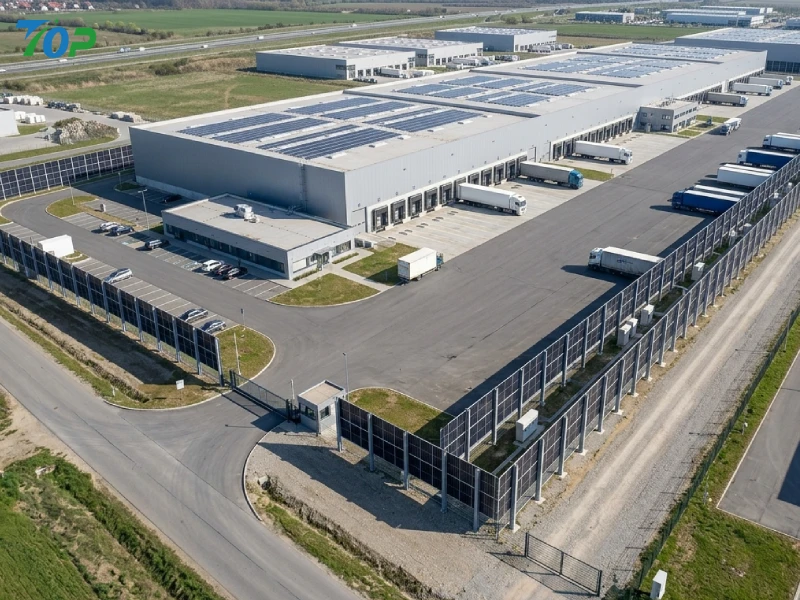
Large logistics parks frequently contain hundreds or thousands of meters of perimeter fencing.
Because warehouse roofs may already be partially occupied by equipment, skylights, or existing solar arrays, solar fencing offers an additional pathway for renewable energy deployment.
This application has become increasingly attractive as logistics operators pursue carbon-neutral supply chain strategies.
Solar Farms and Renewable Energy Parks
Even dedicated solar farms require perimeter protection.
Replacing conventional fencing with energy-generating fencing enables project owners to increase total production while maintaining security requirements.
The additional generation may be modest relative to the primary solar array, but it can still contribute meaningful long-term value.
Data Centers
Data centers represent one of the fastest-growing electricity-consuming sectors globally.
These facilities typically emphasize:
- Energy efficiency
- Security
- Sustainability reporting
- Infrastructure resilience
Integrated solar fencing aligns naturally with these objectives.
Airports and Transportation Infrastructure
Airports, railway facilities, and transportation corridors often feature extensive boundary systems.
Solar fencing can transform these long perimeter stretches into productive energy-generating assets while maintaining security and access control requirements.
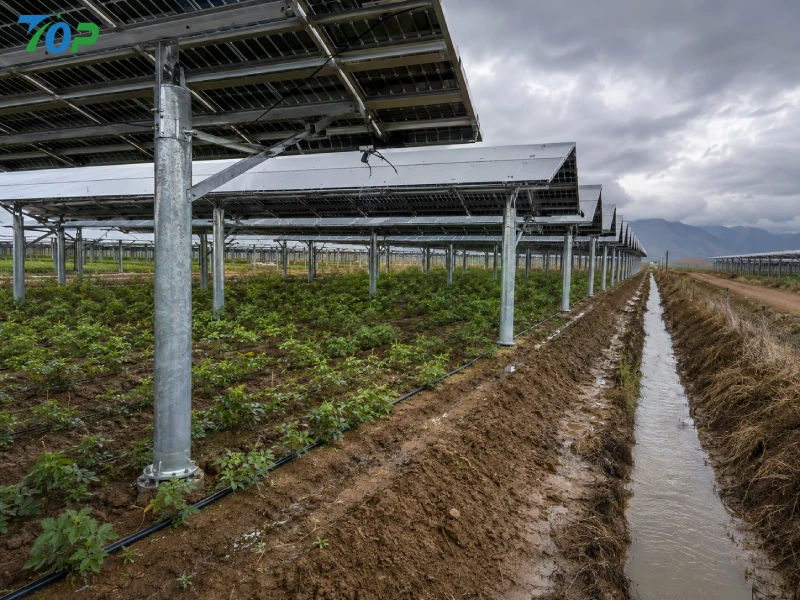
Agricultural and Agrivoltaic Projects
Agricultural operations increasingly seek methods of combining food production and renewable energy generation.
Solar fencing can provide:
- Livestock containment
- Property demarcation
- Renewable electricity generation
- Improved land-use efficiency
This multifunctional approach supports broader agrivoltaic development strategies.
Real-World Project Planning Checklist for EPC Contractors
Successful projects begin long before equipment arrives on-site.
Experienced EPC contractors generally evaluate several critical factors during the planning stage.
Site Assessment Checklist
- Available fence length
- Boundary orientation
- Solar access conditions
- Shading analysis
- Grid connection availability
- Future expansion plans
Structural Assessment Checklist
- Design wind speed
- Terrain classification
- Soil conditions
- Corrosion exposure level
- Foundation requirements
Electrical Assessment Checklist
- System capacity targets
- Monitoring requirements
- Protection equipment selection
- Interconnection requirements
- Maintenance accessibility
Completing these assessments early can significantly reduce project risks and avoid costly design revisions later.
How to Choose the Right Solar Fence Manufacturer
Not all suppliers possess the same engineering capabilities.
For EPC contractors, manufacturer selection should extend beyond product pricing.
The lowest initial quotation does not necessarily result in the lowest lifecycle cost.
Engineering Support Capabilities
A qualified manufacturer should be capable of providing:
- Structural calculations
- Wind-load analysis
- Foundation recommendations
- Installation drawings
- Project-specific engineering support
Engineering support often becomes especially valuable when projects involve unusual site conditions or strict regulatory requirements.
Manufacturing Strength
Buyers should evaluate:
- Production capacity
- Quality-control procedures
- Material traceability systems
- Manufacturing experience
Consistent quality is essential when supplying large-scale commercial projects.
Certification Requirements
Reputable manufacturers typically provide documentation supporting compliance with relevant standards, including:
- ISO 9001 quality management systems
- Material test reports
- IEC-related component certifications
- TÜV certification where applicable
Proper documentation simplifies project approvals and reduces procurement risk.
Why EPC Contractors Are Prioritizing Engineering Support Over Product Price
Across the photovoltaic industry, a noticeable shift is occurring.
Experienced EPC firms increasingly recognize that engineering quality has a greater impact on project profitability than marginal differences in component pricing.
Poorly engineered systems may result in:
- Installation delays
- Structural failures
- Unexpected maintenance
- Warranty disputes
- Rework expenses
These hidden costs can quickly exceed any upfront savings achieved through low-cost procurement.
As a result, many project developers now prioritize suppliers capable of delivering complete engineering support rather than simply shipping hardware.
This trend is particularly evident in projects exposed to challenging environmental conditions such as coastal regions, typhoon zones, and industrial environments with elevated corrosion risks.
Future Trends in Integrated Solar Fencing
Continued Growth of Bifacial Technology
Bifacial modules are expected to play an increasingly important role in future solar fence deployments due to their compatibility with vertical installations.
Smart Solar Fencing
Emerging technologies are enabling fence systems to integrate:
- Remote monitoring
- Security sensors
- Access control systems
- Real-time performance analytics
These capabilities transform fencing from passive infrastructure into intelligent site assets.
Expansion of Building-Integrated Photovoltaics
As cities seek more efficient use of available space, multifunctional photovoltaic infrastructure is expected to become increasingly common.
Solar fencing represents a practical extension of this broader trend.
Frequently Asked Questions
Q1. Are solar fences worth the investment?
For many commercial and industrial projects, solar fences can provide long-term financial value by combining security infrastructure with renewable energy generation, reducing electricity costs over time.
Q2. How long does an integrated solar fence last?
High-quality systems using corrosion-resistant materials and certified photovoltaic modules are commonly designed for service lives exceeding 25 years.
Q3. Can solar fencing withstand typhoons or hurricanes?
Yes, provided the system is engineered according to local wind-load requirements and supported by properly designed foundations and structural components.
Q4. What is the average ROI of a solar fencing project?
ROI varies depending on energy prices, solar resources, installation costs, and incentives. Many commercial projects achieve payback within approximately 6 to 12 years.
Q5. Do bifacial modules improve solar fence performance?
In many situations, bifacial modules can increase annual energy production by utilizing reflected and rear-side solar radiation, making them particularly attractive for vertical fence applications.
Q6. How much maintenance is required?
Maintenance requirements are generally low and typically include periodic inspections, cleaning when necessary, and routine electrical system checks.
Conclusion
Integrated Solar Fencing is no longer a niche concept. It has evolved into a practical infrastructure solution capable of delivering security, renewable energy generation, improved land-use efficiency, and long-term financial value within a single system.
For industrial facilities, logistics parks, transportation infrastructure, renewable energy developments, and commercial projects, solar fencing offers an opportunity to transform perimeter boundaries into productive assets rather than passive expenses.
The success of any solar fencing project ultimately depends on more than photovoltaic modules alone. Structural engineering, wind-load analysis, foundation design, corrosion protection, and long-term reliability all play critical roles in determining project performance.
As the market continues to mature, project developers and EPC contractors are increasingly prioritizing engineering expertise, lifecycle value, and supplier reliability over lowest-cost procurement strategies.
For organizations evaluating a future solar fence system, the most effective starting point is a project-specific engineering assessment. Understanding local environmental conditions, structural requirements, energy-production potential, and ROI expectations enables informed investment decisions and helps ensure long-term project success.
Build Reliable Integrated Solar Fencing with Engineering-Driven Design Support
Planning an Integrated Solar Fencing project for an industrial facility, logistics park, solar farm, airport, or commercial development? Long-term performance depends on far more than photovoltaic modules alone. Wind load resistance, foundation engineering, corrosion protection, structural calculations, and installation efficiency all directly affect project safety, lifecycle cost, and ROI. TOPFENCE provides customized solar fence systems engineered for demanding environments, featuring hot-dip galvanized steel structures, AL6005-T5 aluminum components, SUS304/SUS316 stainless steel fasteners, bifacial module compatibility, and project-specific wind-load design support. Reduce engineering risk, simplify EPC execution, and maximize the long-term value of your perimeter solar infrastructure.
Request Solar Fence Design, Structural Calculations & EPC PricingRelated News
- The Global EPC Sourcing Checklist: Managing Lead Times and Logistics for Solar Mounting Systems
- BIPV & Commercial Rooftops: Solving Waterproofing and Structural Integrity Challenges in Urban Solar
- Navigating Solar Certifications: Why UL 2703 and International Standards Matter for Project Bankability
- Maximizing Yield with Bifacial Modules: How to Select the Optimal Tracker for Enhanced Energy Output
- Wind Load and Coastal Engineering: Ensuring Your Ground-Mounted Solar Array Survives Extreme Weather
- Aluminum vs. Galvanized Steel: Choosing the Right Solar Mounting Structure for High-Corrosivity Environments
Leave me a message