Why Do Solar Panel Roof Mounts Matter More Than the Panels?
Abstract
Solar Panel Roof Mounts are the quiet “make-or-break” part of a rooftop system. The mounts decide whether your installation stays watertight, survives harsh wind and snow loads, looks clean, and remains serviceable for decades. In this guide, I’ll walk through roof types, load paths, waterproofing strategies, corrosion resistance, component choices, and a practical selection checklist. You’ll also get a comparison table, field-friendly installation tips, and FAQs that address the most common concerns homeowners, commercial building managers, and installers run into.
Table of Contents
- What pain points do Solar Panel Roof Mounts solve?
- Which roof type do you have and why does it change everything?
- How do good mounts handle wind, snow, and structural safety?
- How do you prevent roof leaks without “over-sealing”?
- Which materials and coatings actually last on a roof?
- Rail-based or rail-less and how do you decide?
- What’s the selection checklist before you buy?
- What installation details separate “fine” from “bulletproof”?
- How do you keep Solar Panel Roof Mounts serviceable for 25+ years?
- FAQ
Outline
- Define the biggest rooftop solar failures and why mounts are often the root cause.
- Match the mounting approach to roof material and roof age.
- Understand load handling and why “attach to structure” matters.
- Choose waterproofing methods that work with your roof system (not against it).
- Select durable materials, fasteners, and corrosion protection for your environment.
- Compare mounting architectures and pick the one that fits your constraints.
- Use a pre-purchase checklist, then install with field-proven details.
- Plan inspection and maintenance so the system stays safe and easy to service.
What pain points do Solar Panel Roof Mounts solve?
When people talk about rooftop solar, they obsess over panel wattage and inverters. Fair. But most real-world headaches don’t start in the electronics—they start where metal meets roof. The job of Solar Panel Roof Mounts is to connect your solar array to the building in a way that is safe, watertight, and durable. If the mounts are wrong (or installed carelessly), you’ll see the same repeating pain points:
- Roof leaks caused by poor flashing, incorrect sealants, or hardware installed in the wrong location.
- Structural risk from attachments that don’t hit rafters/purlins or that overload weak roof sections.
- Wind uplift failures where clamps/rails shift, fasteners loosen, or the load path is incomplete.
- Corrosion from mixed metals, coastal air, industrial pollution, or standing water around feet.
- Ugly layouts due to misalignment, inconsistent rail heights, or poor roof-plane adaptation.
- Maintenance nightmares when the system is hard to access, impossible to re-tighten, or requires removing multiple modules for one small fix.
The good news: nearly all of these are preventable if you choose the right mounting system for your roof, environment, and local code requirements, and then treat installation as a precision job—not a “close enough” DIY experiment.
Which roof type do you have and why does it change everything?
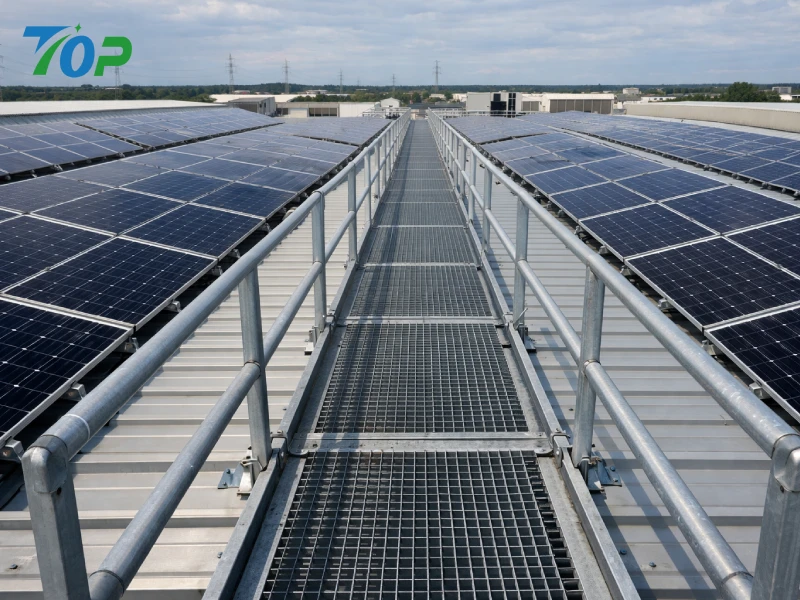
“Rooftop” sounds like one category, but it’s not. Your roof material and structure dictate the attachment method, waterproofing approach, and even what kind of hardware is safe to use. Here’s the practical way to think about it:
- Asphalt shingle: Typically uses flashed lag screws into rafters. The “flashing-first” mindset is non-negotiable.
- Tile roofs (clay/concrete): Often use tile hooks or replacement tiles with integrated mounts. The goal is to avoid cracking tiles and to keep water paths predictable.
- Metal standing seam: Frequently uses seam clamps with no roof penetrations, which can be a big win for waterproofing and speed.
- Trapezoidal/corrugated metal: Uses L-feet, hanger bolts, or specialized brackets; correct fastener sealing and purlin alignment matter a lot.
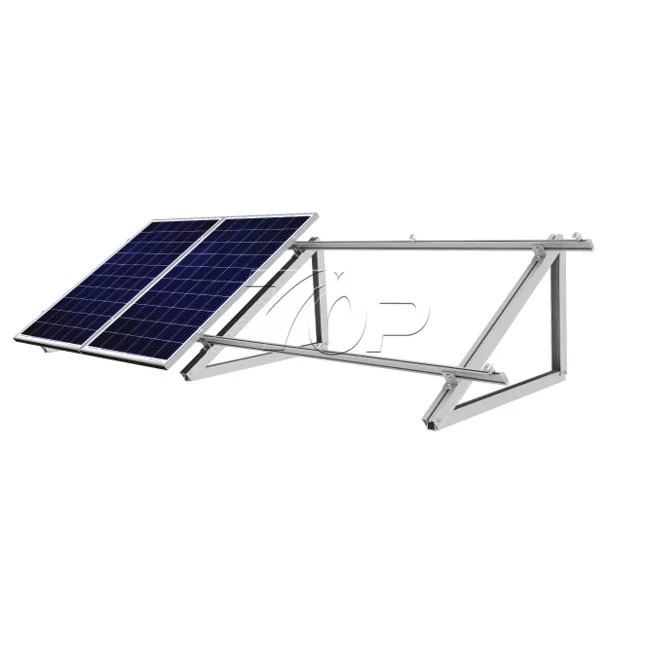
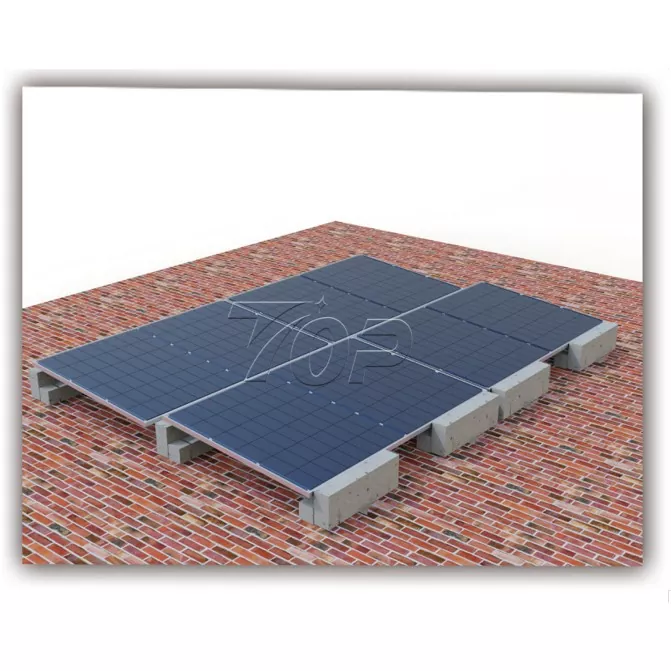
- Flat roofs: Usually use ballast systems or mechanically attached solutions, with careful attention to membrane protection and wind uplift.
If your roof is older, brittle, or already near the end of its service life, the best “mounting upgrade” is often re-roofing (or at least targeted roof repair) before installing Solar Panel Roof Mounts. It’s painful up front, but it’s far cheaper than removing and reinstalling an array a few years later because the roof failed first.
How do good mounts handle wind, snow, and structural safety?
A strong mounting system is basically a clean story of how forces move: panel → clamp → rail (or rail-less support) → roof attachment → structural member → building. If any step is weak, loads concentrate and failures get dramatic fast.
- Wind uplift: Wind can try to peel modules off the roof. The mounts must resist uplift, not just gravity.
- Snow load: In cold regions, the system must handle downward loading and sliding snow forces.
- Thermal movement: Rails expand/contract. Good systems allow controlled movement without loosening over time.
- Edge zones: Roof edges and corners often see higher wind pressure; attachment spacing may need to be tighter there.
If you’re an installer or building owner, don’t be shy about asking for documentation: layout drawings, attachment spacing logic, and hardware specs. Serious manufacturers (including Xiamen Topfencesolar Co., Ltd.) generally support their Solar Panel Roof Mounts with clear system documentation so you can match your design to real site conditions.
How do you prevent roof leaks without “over-sealing”?
Leaks are the number-one fear for rooftop solar buyers—and the fear is justified. But the fix isn’t “use more sealant.” Over-sealing can trap water, accelerate rot, and make future repairs messy. The smarter approach is to use the roof’s own waterproofing logic:
- Flash first, seal second: Flashing directs water away even if a sealant ages.
- Penetrate in the right spot: Attachments should land where structure exists and where flashing can integrate correctly.
- Respect the water path: Don’t create dams with hardware that forces water sideways.
- Use compatible materials: Sealants, membranes, and coatings should be compatible with the roof type.
For standing seam metal roofs, clamp-based mounts can reduce penetrations altogether. For shingle roofs, flashed attachments are common. For tile, hooks and careful tile management keep the water-shedding pattern intact. The best Solar Panel Roof Mounts are designed around these realities, not “generic roof assumptions.”
Which materials and coatings actually last on a roof?
Roof environments are brutal: UV exposure, temperature cycling, moisture, and airborne salt or chemicals. Material choice is not a minor detail—it’s longevity insurance. Here’s a practical comparison:
If you’re near the coast or in an industrial area, corrosion becomes the silent budget killer. In those cases, selecting higher-grade fasteners and well-finished aluminum components for your Solar Panel Roof Mounts is usually worth it.
Rail-based or rail-less and how do you decide?
This is where buyers often get stuck because both options can work. The better question is: what constraints matter most for your site—roof unevenness, installation speed, aesthetics, maintenance access, or budget?
Rail-based Solar Panel Roof Mounts tend to be best when:
- You need easier leveling on uneven roofs.
- You want flexible module layouts and clean alignment.
- You value straightforward maintenance and rework options.
Rail-less / shared-rail approaches can shine when:
- Speed and reduced material volume are priorities.
- You’re working with a roof type and layout that supports consistent attachment points.
- You want a lower profile look (depending on design).
If you’re deciding for a commercial project, also consider inspection and service workflows. A system that saves one hour on install but costs four hours on a future repair isn’t a real saving. Strong Solar Panel Roof Mounts are not just “installed”—they’re lived with for decades.
What’s the selection checklist before you buy?
Before you choose Solar Panel Roof Mounts, run this checklist. It prevents the classic “we ordered the wrong kit” problem and keeps your design aligned with real roof conditions:
- Roof type and condition: shingle, tile, standing seam, corrugated metal, flat membrane; plus age and known leak history.
- Structural attachment plan: confirm rafter/purlin spacing and how you will hit structure consistently.
- Local loads: wind zone, snow exposure, edge/corner pressures, and roof height considerations.
- Waterproofing method: flashing strategy or penetration-free approach; compatibility with existing roof details.
- Corrosion environment: coastal salt, industrial pollution, high humidity, or chemical exposure.
- Module dimensions: clamp zones and frame heights vary; ensure mount/clamp compatibility.
- Aesthetic and clearance needs: desired standoff for cooling, cable routing, and roof drainage.
- Service plan: how you’ll access mid-array components without dismantling half the system.
- Documentation: component specs, installation guides, and a clear bill of materials.
What installation details separate “fine” from “bulletproof”?
Even the best hardware can fail if installation is sloppy. Here are details that consistently reduce callbacks and long-term risk:
- Hit structure every time: don’t “hope” you caught a rafter—verify layout and use appropriate locating methods.
- Torque discipline: under-torque loosens over time; over-torque strips threads or crushes seals. Use calibrated tools when possible.
- Consistent rail height: small misalignments create stress points and make modules hard to seat evenly.
- Cable management: secure cables away from sharp edges and ponding zones; UV resistance matters.
- Edge-zone spacing: tighten attachment spacing near roof edges/corners if your design requires it.
- Don’t trap water: avoid creating pockets where debris and moisture accumulate around mount feet.
One more tip: treat the roof as a system. Solar Panel Roof Mounts should work with the roof’s drainage and ventilation patterns, not sabotage them.
How do you keep Solar Panel Roof Mounts serviceable for 25+ years?
The best time to plan maintenance is before you install. A simple, realistic plan keeps small issues from turning into expensive failures:
- Annual visual check: look for loose hardware, rail movement, clamp misalignment, and cable wear.
- After extreme weather: inspect for uplift signs, shifted modules, and damaged seals.
- Keep drainage paths clear: remove leaves/debris that can hold moisture around mount feet.
- Document changes: any roof repair, module swap, or inverter service should be recorded for future reference.
If you’re choosing a manufacturer, prioritize systems that make re-tightening and module removal straightforward. When mounts are designed thoughtfully, long-term ownership becomes calm and predictable—which is exactly what you want.
FAQ
Q: Do Solar Panel Roof Mounts always require roof penetrations?
A: Not always. Standing seam metal roofs often use seam clamps with no penetrations. Many other roofs do require penetrations, but proper flashing and compatible sealing methods can keep them reliably watertight.
Q: What’s the biggest cause of leaks in rooftop solar?
A: Poor flashing integration and incorrect placement of attachments. Using the right flashing for the roof type and installing it correctly is more important than adding extra sealant.
Q: Are rail-less systems less durable than rail-based systems?
A: Not inherently. Durability depends on load handling, hardware quality, and correct installation. Rail-based systems often offer easier leveling and service access, while rail-less designs can reduce materials and speed up installs on suitable roofs.
Q: How do I choose mounts for a coastal building?
A: Focus on corrosion resistance: quality aluminum rails, appropriate-grade stainless fasteners, and avoiding mixed-metal contact that can accelerate corrosion. Also keep an eye on design details that prevent standing water around mount points.
Q: Can I install Solar Panel Roof Mounts on an old roof?
A: You can, but it’s often risky. If the roof is near end-of-life, consider re-roofing first. Otherwise, you may pay twice—once to install the solar array and again to remove and reinstall it for roof replacement.
Conclusion
Panels get the spotlight, but Solar Panel Roof Mounts decide whether your project stays safe, clean, and leak-free for the long haul. If you match the mounting approach to your roof type, respect structural load paths, choose durable materials, and install with discipline, you’ll avoid the most common failures that frustrate buyers and installers alike.
If you want help selecting a roof-mounting solution that fits your roof material, site conditions, and long-term maintenance needs, reach out to Xiamen Topfencesolar Co., Ltd.—we’ll help you choose the right configuration and keep your rooftop solar project simple. Contact us today to discuss your requirements and get a tailored recommendation.
Related News
- The Global EPC Sourcing Checklist: Managing Lead Times and Logistics for Solar Mounting Systems
- BIPV & Commercial Rooftops: Solving Waterproofing and Structural Integrity Challenges in Urban Solar
- Navigating Solar Certifications: Why UL 2703 and International Standards Matter for Project Bankability
- Maximizing Yield with Bifacial Modules: How to Select the Optimal Tracker for Enhanced Energy Output
- Wind Load and Coastal Engineering: Ensuring Your Ground-Mounted Solar Array Survives Extreme Weather
- Aluminum vs. Galvanized Steel: Choosing the Right Solar Mounting Structure for High-Corrosivity Environments
Leave me a message