How can a Solar Farm stay profitable while avoiding the most common project headaches?
Article Abstract
A Solar Farm looks simple from a distance: panels, sunlight, and steady output. On the ground, it’s a real-world infrastructure project with real-world friction—permits, land constraints, weather, theft risk, wildlife, drainage, access roads, maintenance schedules, and the never-ending question of “what will this cost over 25+ years?”
This guide breaks down the pain points that quietly derail timelines and margins, then turns them into practical decisions you can make early—before a small oversight becomes a budget line item. You’ll also learn how perimeter planning and access control can reduce loss events, protect equipment, and simplify operations, including how suppliers like Xiamen Topfencesolar Co., Ltd. typically support site-ready fencing packages for utility-scale and C&I projects.
- What usually goes wrong in Solar Farm projects and why
- How to reduce permitting and construction delays with better early planning
- How to prevent theft, vandalism, and wildlife damage without overbuilding
- What to consider for fencing, gates, and access routes that won’t fight your O&M team
- A simple decision framework you can reuse from feasibility to commissioning
Contents
- Outline at a Glance
- The pain points that hit Solar Farm budgets first
- Site, design, and constructability choices that prevent delays
- Security and loss prevention without overcomplicating the build
- Fencing and gates: what actually matters in day-to-day operations
- Operations realities: O&M-friendly layouts and routines
- A practical checklist you can use tomorrow
- FAQ
- Next steps
Outline at a Glance
- Identify the “silent” project risks that don’t show up in glossy proposals
- Reduce schedule surprises through land, drainage, and access planning
- Design for real weather, real soil, and real people doing maintenance
- Build a security posture that matches the site’s actual risk profile
- Choose fencing and gates that protect assets without slowing O&M work
- Finalize a commissioning-ready checklist to align teams and vendors
The pain points that hit Solar Farm budgets first
Most Solar Farm projects don’t fail because the sun “stops working.” They struggle because of avoidable friction in planning and execution. If you’re responsible for investment decisions, EPC coordination, or long-term operations, these are the pain points that most often appear early and compound later.
| Pain point | What’s usually causing it | What to do early |
|---|---|---|
| Permitting delays | Incomplete studies, unclear access plans, underestimated community concerns | Run stakeholder mapping, confirm setbacks, plan access routes, document drainage and visual mitigation |
| Change orders during construction | Soil surprises, drainage rework, underestimated grading, late security decisions | Do thorough geotech, design drainage, lock perimeter strategy before mobilization |
| Theft/vandalism and downtime | Easy entry points, poor visibility, weak gate management | Plan fencing, gates, signage, and access control as part of the base scope |
| Underperforming output | Mismatch between design assumptions and actual soiling, shading, or maintenance constraints | Design for cleaning access, vegetation control, and realistic row spacing |
Here’s the pattern: a Solar Farm is predictable in physics, but unpredictable in logistics. Your job is to turn “unpredictable” into “planned for.” That starts with site realities.
Site, design, and constructability choices that prevent delays
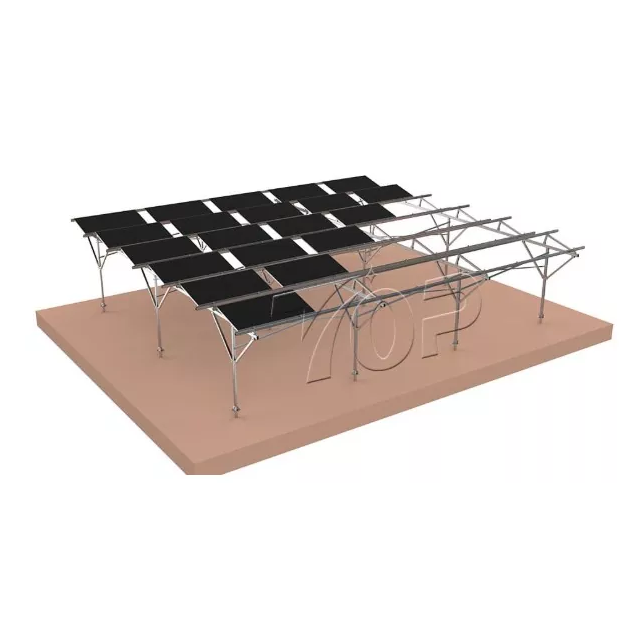
Before panels arrive, the land makes most of the decisions for you. If the land is uneven, poorly drained, or difficult to access, the schedule starts slipping long before commissioning.
- Access is not optional. If trucks can’t enter reliably in wet seasons, everything becomes slower and more expensive. Plan a clear, all-weather access route early and keep it outside sensitive drainage paths.
- Drainage is a lifetime cost, not a one-time task. Poor drainage accelerates erosion, creates unsafe walking paths for O&M, and can undermine posts and foundations. Use swales, culverts, and grading that respects how water actually moves on your site.
- Soil conditions decide your foundation strategy. A Solar Farm can use different post and mounting solutions, but the wrong assumption on soil strength is how budgets get eaten by rework.
- Vegetation management is a design problem. Row spacing, maintenance lanes, and turning radius matter. If mowing or grazing plans aren’t realistic, soiling and shading become recurring performance issues.
- Think like the person who has to fix it at 2 a.m. If your design makes it hard to reach an inverter, combiner, or string area safely, you’ll pay for that inconvenience for decades.
One underrated move: lock down the perimeter strategy during early design, not as an afterthought. Perimeter decisions influence access points, maintenance flow, and even how crews stage materials during construction.
Security and loss prevention without overcomplicating the build
Security is where many Solar Farm projects swing between extremes: either they underbuild (and suffer loss events) or they overbuild (and create operational friction). The sweet spot is a risk-based approach.
Start with an honest risk profile:
- Is the site near public roads, trails, or neighborhoods?
- Is scrap theft common in the area?
- Will the site be unattended for long periods?
- Are there high-value components exposed (copper cabling, easily removed hardware)?
- Is wildlife intrusion likely (deer, boar, livestock, burrowing animals)?
Then build a layered, practical setup:
- Visible deterrence: clear signage, consistent perimeter, and controlled entry points
- Delay and difficulty: anti-climb-friendly fence choices, secure gates, minimized “easy corners”
- Detection: lighting in key areas (where appropriate), cameras at gates and critical zones, and tamper awareness
- Response readiness: gate management, access logs, and a plan for incident escalation
If you’re working with a fencing partner like Xiamen Topfencesolar Co., Ltd., the real value is often in packaging: consistent fence panels, posts matched to site conditions, gates sized for service vehicles, and hardware that supports reliable day-to-day use rather than “looks secure on day one.”
Fencing and gates: what actually matters in day-to-day operations
Fences are often treated as a checkbox. In reality, fencing is part of your operating system. A Solar Farm with a poorly planned perimeter creates daily friction: slow access, damaged hardware, maintenance bottlenecks, and security gaps that invite loss events.
Focus on these practical factors:
- Consistency of the perimeter: avoid weak transition points and “temporary” sections that never get upgraded
- Gate placement: fewer, better-managed access points beat many uncontrolled entrances
- Gate size and swing/slide logic: match it to your largest service vehicle and turning radius
- Corrosion and coating expectations: weather and soil moisture will punish low-grade finishing over time
- Repairability: can a damaged panel or hinge be replaced quickly without custom fabrication?
| Common perimeter option | Where it fits | Trade-offs to plan for |
|---|---|---|
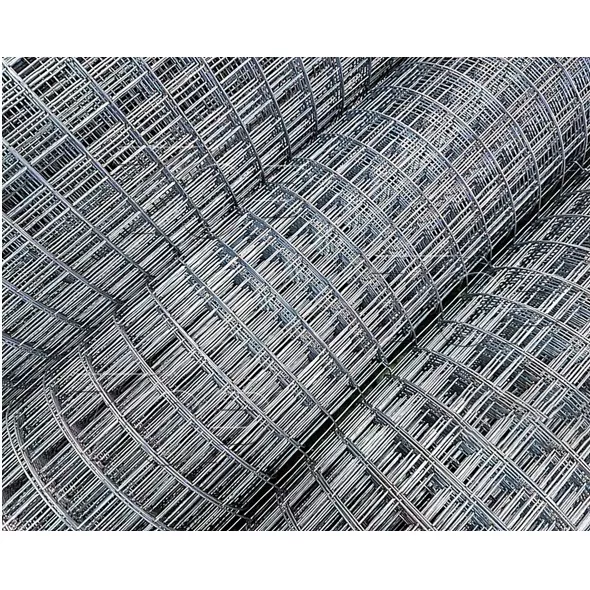
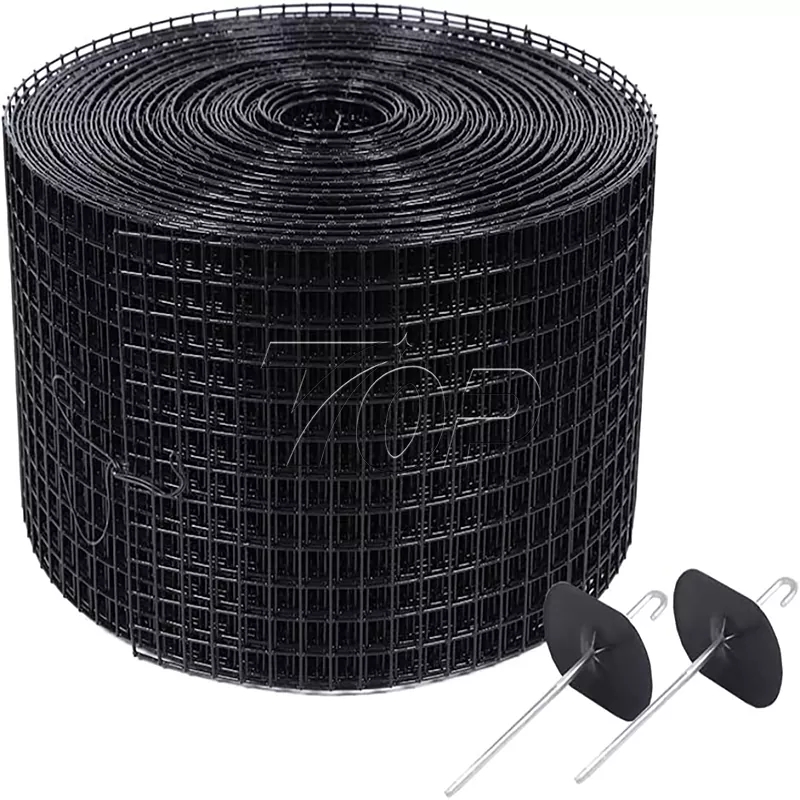
| Welded wire mesh perimeter | Sites needing a strong visual barrier and consistent structure | Upfront planning on post spacing and terrain transitions matters a lot |
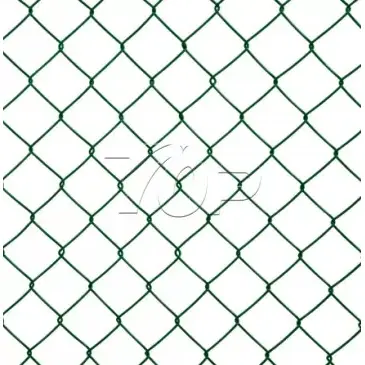
| Chain-link style perimeter | Large sites prioritizing coverage and flexibility | May require stronger anti-climb strategy and careful gate hardware selection |
| High-security mesh/anti-climb approach | Higher-risk locations or critical infrastructure zones | Balance security with service convenience so O&M isn’t slowed down |
A simple rule: if your site has valuable components and long unattended windows, plan the perimeter as core infrastructure, not “finishing.”
Operations realities: O&M-friendly layouts and routines
Profitability doesn’t come from a perfect PowerPoint model. It comes from small, repeatable operational wins: faster inspections, fewer incidents, simpler repairs, and less time lost to access problems.
Design choices that make O&M easier:
- Clear maintenance corridors: keep routes passable year-round; mud seasons are where schedules die
- Equipment zoning: group critical assets where they’re easier to secure and monitor
- Documented access rules: keys, locks, or access codes are only useful if the process is consistent
- Spare parts logic: keep replaceable fence hardware and gate components available to reduce downtime
- Vegetation plan that matches reality: whether you mow, graze, or use ground cover, it must be feasible
One of the most overlooked O&M costs is “minor” perimeter damage. A bent hinge, a sagging gate, or a loose section can become an open invitation. When your fencing system is standardized and serviceable, you fix small issues fast—before they become incidents.
A practical checklist you can use tomorrow
Use this as a working list during feasibility, design review, and pre-construction coordination. It’s intentionally practical—less theory, more “will this bite us later?”
- Land and drainage: confirm grading approach, runoff paths, and erosion control plan
- Access and logistics: validate truck routes, turning radius, and wet-season access reliability
- Perimeter strategy: define fence type, height requirements, transitions, and signage needs
- Gate plan: decide number of gates, placement, sizing, and hardware for service vehicles
- Security baseline: align deterrence, delay, detection, and response to site risk profile
- Standardization: minimize custom parts; prioritize replaceable panels and consistent components
- O&M workflow: map routine inspection paths and ensure safe access to critical equipment
- Vendor readiness: confirm packaging, lead times, and installation support expectations
If you’re sourcing perimeter systems, suppliers such as Xiamen Topfencesolar Co., Ltd. are often engaged early to align fencing layouts, gate selections, and terrain transitions—because the cheapest perimeter is the one you don’t have to rebuild after the first season.
FAQ
Q: When should I finalize the perimeter plan for a Solar Farm?
A: Earlier than most teams expect. If fencing and gates are decided after the main civil plan is “done,” you risk rework around access points, staging zones, drainage, and security coverage. Treat perimeter planning as part of core site design.
Q: Do I need high-security fencing for every Solar Farm?
A: Not always. A risk-based approach is smarter: consider proximity to the public, theft patterns in the area, and how often the site is unattended. Many projects do well with a strong, consistent perimeter and well-managed entry points, without turning the site into a fortress.
Q: What gate issues cause the most operational problems?
A: Gates that are undersized for service vehicles, poorly placed, or built with hardware that wears out quickly. If O&M teams struggle to enter efficiently, routine work takes longer and small issues are ignored until they become big ones.
Q: How do I reduce theft risk without adding expensive complexity?
A: Focus on basics that work: reduce uncontrolled access points, improve visibility at gates, keep signage clear, and ensure the perimeter is continuous and difficult to breach quickly. You’re aiming to discourage, delay, and detect—then respond consistently.
Q: What should I ask a fencing supplier before I commit?
A: Ask about terrain transitions, coating durability, hardware replaceability, gate options, packaging consistency, and how they support installation. The best supplier isn’t just selling materials—they’re helping you avoid long-term operational friction.
Next steps
A Solar Farm becomes profitable when the “boring details” are handled early: drainage that lasts, access that works in bad weather, and a perimeter system that protects assets without slowing operations. If you’re planning a new project or upgrading an existing site, aligning your perimeter and access plan with real O&M needs is one of the simplest ways to protect your margins.
If you want a perimeter solution that’s practical, site-ready, and easy to maintain, reach out to Xiamen Topfencesolar Co., Ltd. and tell them your site conditions and gate requirements—then contact us to get a tailored recommendation and quotation that fits your timeline.
Related News
- The Global EPC Sourcing Checklist: Managing Lead Times and Logistics for Solar Mounting Systems
- BIPV & Commercial Rooftops: Solving Waterproofing and Structural Integrity Challenges in Urban Solar
- Navigating Solar Certifications: Why UL 2703 and International Standards Matter for Project Bankability
- Maximizing Yield with Bifacial Modules: How to Select the Optimal Tracker for Enhanced Energy Output
- Wind Load and Coastal Engineering: Ensuring Your Ground-Mounted Solar Array Survives Extreme Weather
- Aluminum vs. Galvanized Steel: Choosing the Right Solar Mounting Structure for High-Corrosivity Environments
Leave me a message