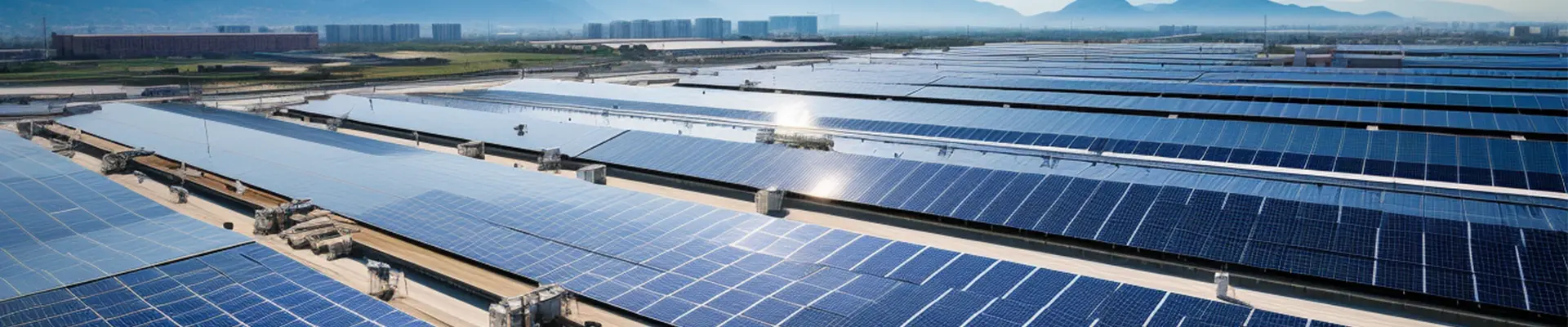
How Can Solar Panels for Farm Reduce Energy Costs Without Disrupting Daily Work?
Abstract
Farms run on electricity in ways that are easy to underestimate until the bill shows up or the grid blinks during harvest. From irrigation pumps and cold storage to ventilation fans, milking equipment, lighting, and electric fencing, energy demand often peaks at the exact moments you can’t afford downtime. This article breaks down practical, farm-first decisions for adopting Solar Panels for Farm applications: where to install them, how to size a system, how to protect livestock and equipment, and how to evaluate returns without getting trapped by unrealistic promises. You’ll also find a simple planning checklist, a comparison table for common system layouts, and an FAQ to help you move from “interested” to “ready.” Along the way, we’ll reference common solution paths offered by providers such as Xiamen Topfencesolar Co., Ltd. and focus on what actually matters on a working farm: reliability, safety, and predictable operating costs.
Table of Contents
- What Problems Are You Trying to Solve
- Where Solar Fits on a Farm
- Which System Type Matches Your Land and Workflow
- How to Size a Farm Solar System Without Guesswork
- How to Design for Safety, Animals, and Harsh Environments
- How to Think About Costs, Savings, and Payback
- What to Ask Before You Buy
- How Maintenance Works in Real Life
- FAQ
Outline at a Glance
- Identify your biggest energy pain points and when they occur.
- Choose an installation approach that won’t block machinery, animals, or future expansion.
- Size the system using actual load patterns, not a single monthly average.
- Build in farm-grade protection against wind, corrosion, dust, and curious livestock.
- Evaluate returns with conservative assumptions and a clear plan for downtime.
- Use a procurement checklist to compare vendors consistently.
What Problems Are You Trying to Solve
Before you compare panels, mounts, and inverters, get brutally specific about your farm’s energy headaches. Most farms are not “steady loads.” You’ve got surges, seasonal spikes, and critical equipment that cannot fail. A well-planned Solar Panels for Farm project starts by naming the problem in plain language.
Common farm pain points
- Unstable electricity costs that make budgeting feel like gambling.
- Peak-time consumption when irrigation, cooling, or processing runs hardest.
- Remote locations where grid quality is inconsistent or expansion is expensive.
- Downtime risk for cold storage, ventilation, milking, feeding, or water supply.
- New electrification such as EV/utility vehicles, electric tools, or automated systems.
Once you’re clear on the “why,” your design decisions become easier. For example: if your biggest loss comes from heat stress in livestock barns, your system should prioritize reliable daytime output and sensible backup coverage, not just maximum annual production.
Where Solar Fits on a Farm
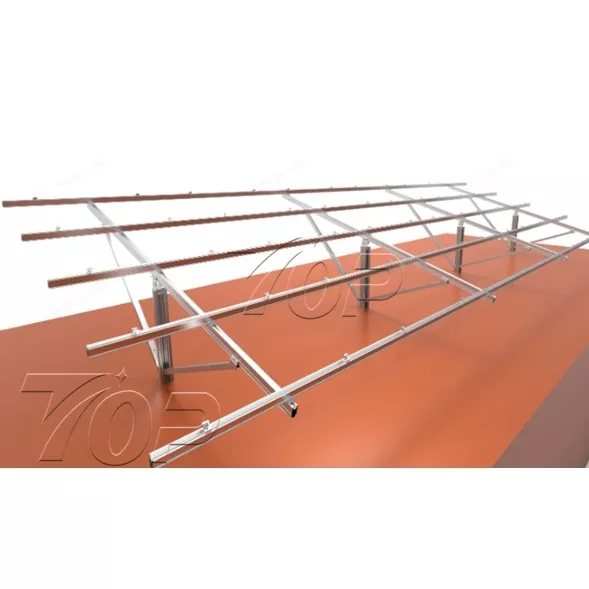
Farms have a hidden advantage: space and structures that can produce energy while still doing their primary job. The goal is to place Solar Panels for Farm installations where they reduce operational friction, not create it.
High-impact use cases
- Irrigation and pumping for daytime-heavy water demand.
- Cold storage and processing with energy-intensive refrigeration cycles.
- Livestock barns for fans, lighting, feeders, and water systems.
- Workshops where tools and machinery draw steady power.
- Farm offices and staff housing that run year-round loads.
Installation surfaces to consider
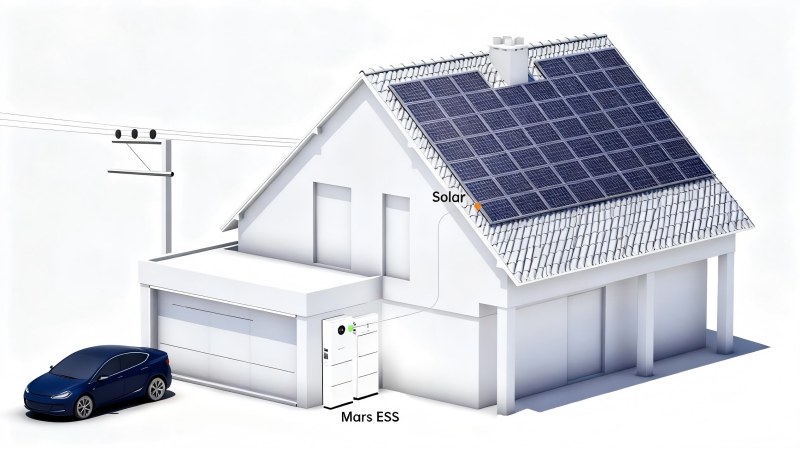
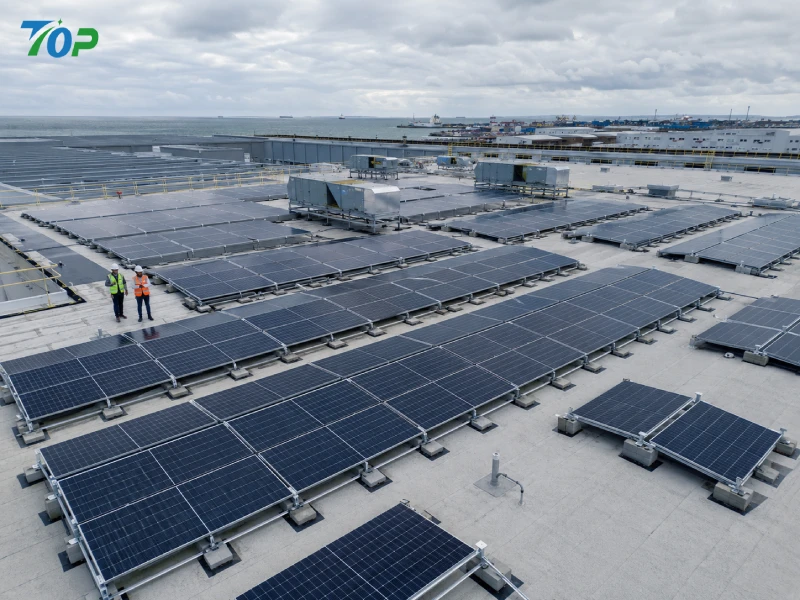
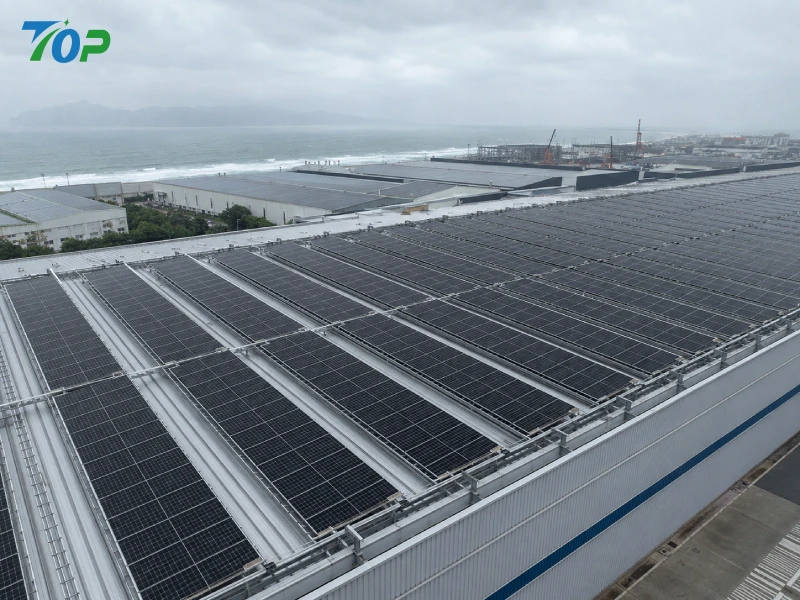
- Rooftops on barns, sheds, warehouses, and equipment shelters.
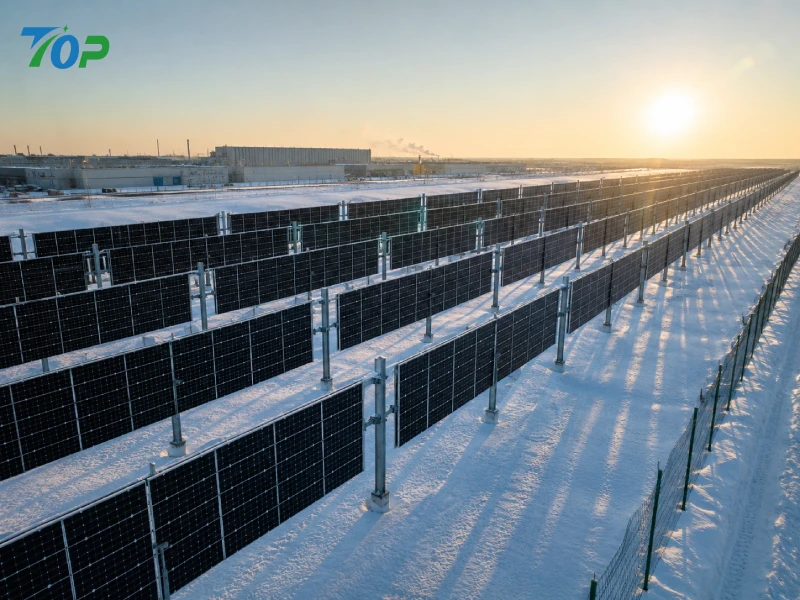
- Ground-mounted arrays on underused land that won’t disrupt planting or traffic routes.
- Solar carports over equipment parking or loading zones.
- Agrivoltaic layouts where partial shade can coexist with specific crops or grazing patterns.
The best location is often the one you’ll forget about after it’s built—because it doesn’t interfere with tractors, livestock movement, or future building plans.
Which System Type Matches Your Land and Workflow
Choosing a system layout is less about “what’s trendy” and more about daily realities: wind exposure, soil conditions, corrosion, and how your team moves across the property.
| System option | Best for | Watch-outs | Practical tip |
|---|---|---|---|
| Rooftop on barns/sheds | Saving space, using existing structures | Roof condition, load limits, access for repairs | Inspect and repair the roof first so you don’t remove panels later |
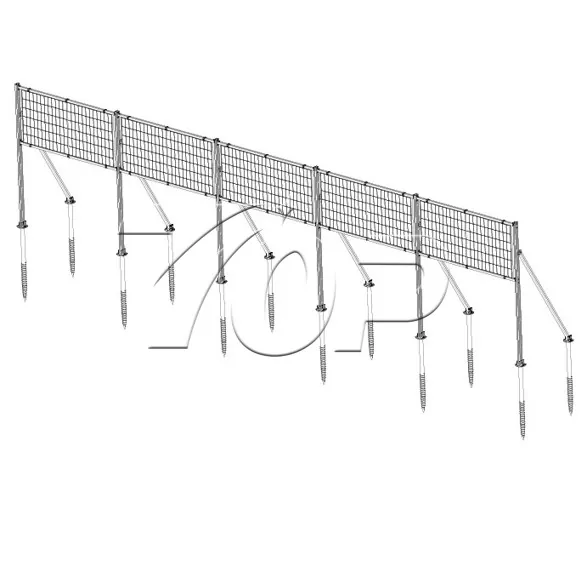
| Fixed-tilt ground mount | Open land, simple maintenance | Soil stability, flooding, weeds shading panels | Design access lanes for mowers and service vehicles |
| Solar carport/canopy | Parking, loading zones, equipment storage | Vehicle height clearance, wind uplift | Build in drainage so muddy runoff doesn’t become a daily headache |
| Tracking systems | Higher production where land is limited | More moving parts, higher maintenance | Only choose tracking if you have a solid service plan |
| Agrivoltaics | Dual land use for certain crops/grazing | Crop suitability, machinery clearance, shading patterns | Start with a pilot zone and expand after one season of data |
If your farm faces coastal air, high humidity, or chemical exposure (fertilizers, ammonia near livestock), prioritize corrosion-resistant materials and robust structural design. Many farms look at mounting and structural solutions offered by manufacturers such as Xiamen Topfencesolar Co., Ltd. when building arrays intended for long-term outdoor abuse.
How to Size a Farm Solar System Without Guesswork
Oversizing wastes capital. Undersizing disappoints you every month. The right approach is to build from your actual loads and how they behave across seasons.
Step 1 Collect the right energy data
- Gather 12 months of electricity bills if possible.
- List your largest equipment loads (pumps, refrigeration, milking systems, dryers).
- Note operating hours and whether the load is daytime or nighttime.
- Identify critical loads that must stay on during outages.
Step 2 Understand peak demand vs total consumption
Many farms get hit by demand charges or peak pricing. Even if your total monthly consumption looks manageable, a short peak event can drive costs. Solar can help, but peak reduction depends on timing. If your peak happens at night, panels alone won’t solve it—this is where load shifting or storage planning matters.
Step 3 Decide your goal
- Bill reduction by offsetting a percentage of annual usage.
- Operational resilience for critical loads with backup capability.
- Expansion readiness for future electrification or increased production.
When farmers search for Solar Panels for Farm solutions, disappointment usually happens because the project goal was vague. Pick one primary goal, then treat everything else as a bonus.
How to Design for Safety, Animals, and Harsh Environments
Farm conditions are not gentle. Dust, humidity, vibration, ammonia, salt air, pests, and large animals with opinions can all shorten system life if you don’t plan for them.
Structural and environmental basics
- Wind and uplift Design for local wind conditions and avoid “lightweight” shortcuts.
- Corrosion resistance Choose materials and coatings appropriate for your climate and farm chemicals.
- Drainage and erosion control Prevent water channels under arrays that carve out the soil.
- Grounding and lightning protection Especially important in open fields.
Livestock and human safety
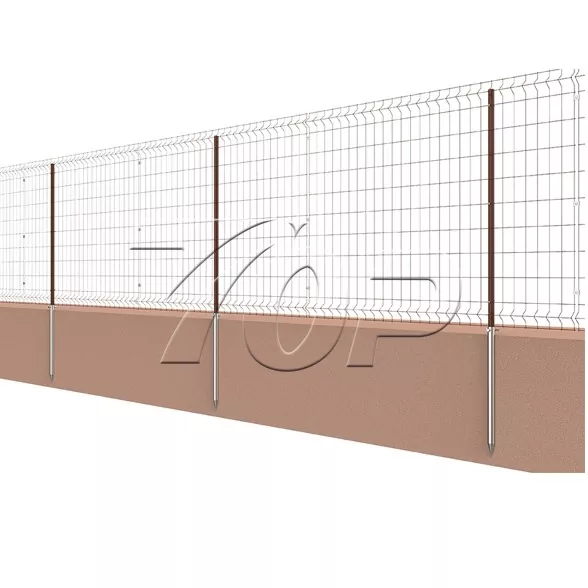
- Fencing or barriers to prevent rubbing, chewing, or accidental impact around ground mounts.
- Cable management so animals can’t access loose wires and workers don’t trip during routine tasks.
- Clear signage and shutdown procedures for staff, contractors, and emergency responders.
Designing for farm workflow
- Keep service corridors wide enough for vehicles and maintenance.
- Plan snow/dust cleaning access if your climate demands it.
- Avoid layouts that block equipment turning radius or future building expansions.
Good farm design feels boring. That’s the compliment. It means nothing is in the way, nothing is fragile, and nothing becomes a weekly maintenance drama.
How to Think About Costs, Savings, and Payback
Costs vary widely by location, system type, and installation complexity. Instead of chasing a single “price per watt,” focus on the total value of reliability and long-term performance.
What typically drives project economics
- Energy offset The percentage of your annual consumption the system covers.
- Self-consumption vs export Using power on-site often has better value than exporting it.
- Seasonal match Solar output vs your irrigation/processing seasons.
- Maintenance plan Especially for tracking or harsh environments.
- Downtime cost The value of avoiding spoilage, heat stress, or production interruption.
A simple way to estimate annual savings
- Estimate annual solar production (your installer can model this).
- Multiply the portion you use on-site by your average electricity price.
- Apply a conservative discount to avoid over-optimism (weather, dust, curtailment).
If you’re looking at Solar Panels for Farm purely as a cash decision, keep assumptions conservative. If the project still makes sense on conservative math, it’s usually a strong sign you’re on the right track.
What to Ask Before You Buy
The vendor conversation shouldn’t be “How many panels?” It should be “How will this system survive on my farm for 25+ years?” Use questions that expose whether the solution is engineered or improvised.
Procurement checklist
- What is the system goal and how is it measured (bill reduction, resilience, expansion)?
- What assumptions were used for production modeling (soiling, shading, temperature)?
- What materials are used for mounting and why are they suitable for my environment?
- How does the design handle wind, corrosion, and drainage on this property?
- What warranties apply to panels, inverter, structure, and workmanship?
- What happens if a component fails during peak season (service response plan)?
- How will cables, combiner boxes, and equipment be protected from pests and animals?
For farm deployments, component quality and structural design matter as much as the panel itself. That’s why many buyers look for suppliers with proven outdoor, industrial-grade solutions—such as Xiamen Topfencesolar Co., Ltd.—when building systems expected to endure wind, sun, and real-world abuse.
How Maintenance Works in Real Life
Solar systems are often described as “low maintenance,” which is true only if you design and operate them properly. On a farm, the most common maintenance issues are simple and preventable.
Typical farm maintenance tasks
- Visual inspections after storms for loose hardware or debris.
- Vegetation control so weeds don’t shade panels or invite pests.
- Cleaning when dust, pollen, or bird droppings reduce output.
- Monitoring to spot inverter errors or unexpected production drops.
Set a practical routine
- Monthly quick walk-through during normal farm rounds.
- Seasonal deeper inspection before high-demand periods (irrigation/harvest).
- After extreme weather, check mounts, wiring, and drainage paths.
A well-installed Solar Panels for Farm system should not become “another thing that breaks.” If it does, that’s usually a design, installation, or maintenance-plan problem—not an unavoidable reality of solar.
FAQ
What farm operations benefit most from solar power
Irrigation pumps, ventilation and cooling, refrigeration and cold rooms, and daytime processing loads are usually strong matches because their energy use lines up with solar production.
Do I need batteries for a farm solar system
Not always. If your goal is reducing electricity bills and your loads are mostly daytime, you may not need storage. If you need backup for critical loads during outages, batteries (or a hybrid solution) become more relevant.
Will ground-mounted arrays take away valuable farmland
They can, but they don’t have to. Many farms place arrays on underused land, alongside fence lines, on marginal soils, or incorporate dual-use concepts where feasible. The key is planning equipment access and future expansion space.
How long does a farm solar system last
Many systems are designed for multi-decade operation, but longevity depends on component quality, structural design, environment, and maintenance. Choose solutions built for outdoor, industrial conditions and insist on clear warranty terms.
Can livestock damage solar equipment
Yes, especially if cables and components are accessible. Good cable management, protective conduit, barriers, and thoughtful placement reduce risk dramatically.
Is rooftop solar always better than ground mount
No. Rooftops save land, but roof condition, load capacity, and access limitations matter. Ground mounts can be easier to maintain and scale, but require good site preparation and vegetation control.
How do I avoid disappointing performance
Use real load data, model shading and soiling, and keep assumptions conservative. Build a monitoring plan so you can catch issues early instead of discovering problems months later through a higher-than-expected bill.
Closing Thoughts
Solar can be a genuine operational upgrade when it’s designed around farm reality: load timing, harsh environments, livestock safety, and the fact that you don’t have time for fragile systems. If you approach Solar Panels for Farm planning with clear goals, conservative numbers, and a no-nonsense procurement checklist, you’ll end up with a project that quietly saves money while your farm keeps running like it should.
Ready to explore a farm-specific solution that fits your land, workflow, and long-term plans? Reach out to Xiamen Topfencesolar Co., Ltd. to discuss practical configurations and get a plan that respects how a working farm actually operates—then contact us to start mapping your options.
Related News
- The Global EPC Sourcing Checklist: Managing Lead Times and Logistics for Solar Mounting Systems
- BIPV & Commercial Rooftops: Solving Waterproofing and Structural Integrity Challenges in Urban Solar
- Navigating Solar Certifications: Why UL 2703 and International Standards Matter for Project Bankability
- Maximizing Yield with Bifacial Modules: How to Select the Optimal Tracker for Enhanced Energy Output
- Wind Load and Coastal Engineering: Ensuring Your Ground-Mounted Solar Array Survives Extreme Weather
- Aluminum vs. Galvanized Steel: Choosing the Right Solar Mounting Structure for High-Corrosivity Environments
Leave me a message