Vertical Bifacial Solar Mounting System: The Secret to 30% Higher Land Utilization
Why Land Efficiency Is Now a Critical KPI for Solar Projects
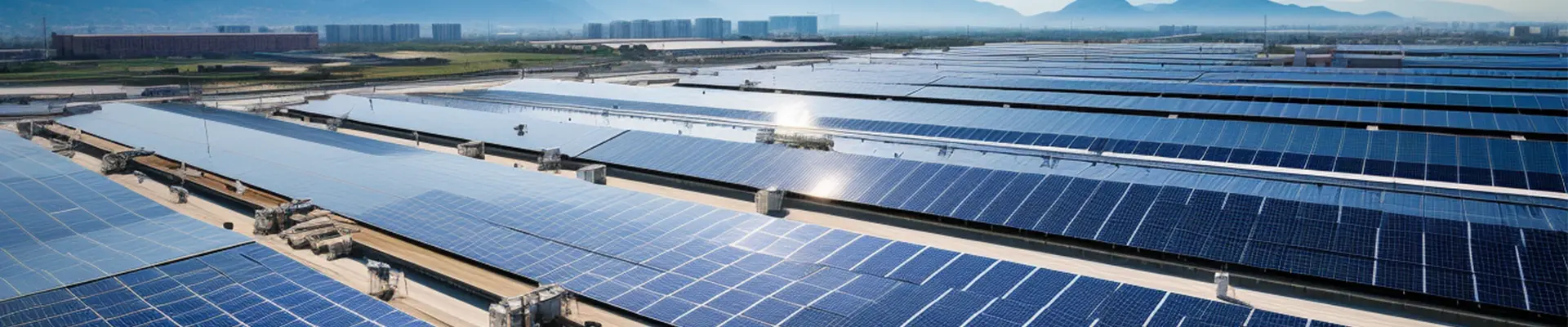
As global solar deployment accelerates, one constraint is becoming increasingly critical across utility-scale, commercial, and distributed energy projects: land availability. In high-density regions such as Europe, Japan, and Southeast Asia, land costs have surged, permitting has become more complex, and competing land-use priorities—such as agriculture, infrastructure, and urban development—are intensifying.
For developers, EPC contractors, and asset owners, the question is no longer just how much energy a solar system can produce, but how efficiently that energy can be generated per unit of land. This shift has elevated land use efficiency solar as a core performance indicator alongside traditional metrics like LCOE (Levelized Cost of Energy) and system yield.
Conventional ground-mounted systems, typically designed with tilted arrays facing south (in the Northern Hemisphere), require significant spacing between rows to prevent inter-row shading. While this configuration maximizes irradiance capture during peak hours, it inherently limits land utilization. As a result, large portions of project land remain underutilized.
To address this challenge, a new generation of mounting solutions is gaining traction: the vertical bifacial solar mounting system. By rethinking module orientation and leveraging bifacial technology, this system offers a compelling approach to increasing energy density while enabling dual-use land applications.
In this comprehensive guide, we will explore how vertical bifacial solar mounting systems work, why they can increase land utilization by up to 30%, and how they create new opportunities across agricultural, industrial, and infrastructure-integrated solar projects.
What Is a Vertical Bifacial Solar Mounting System?
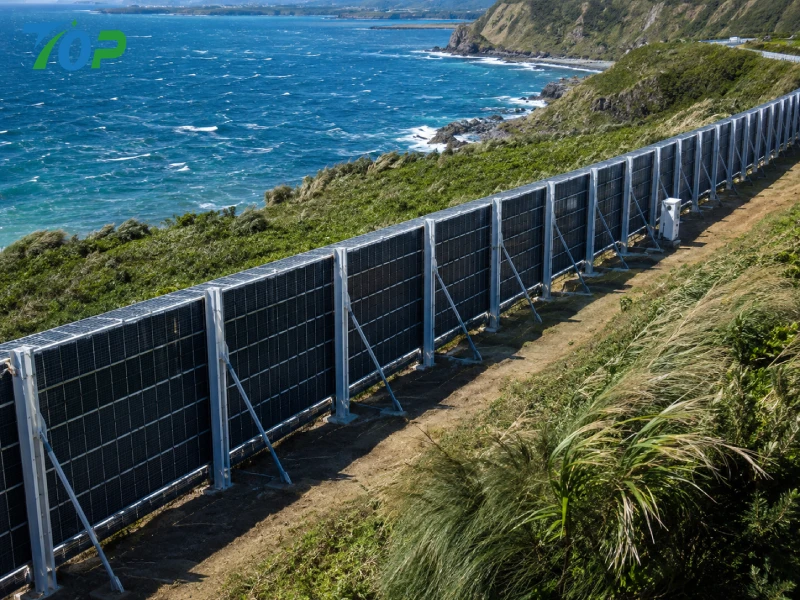
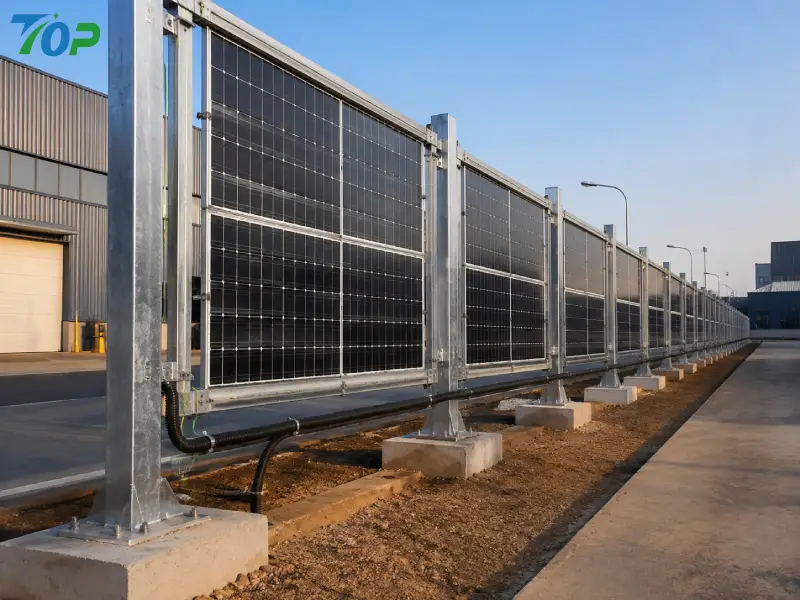
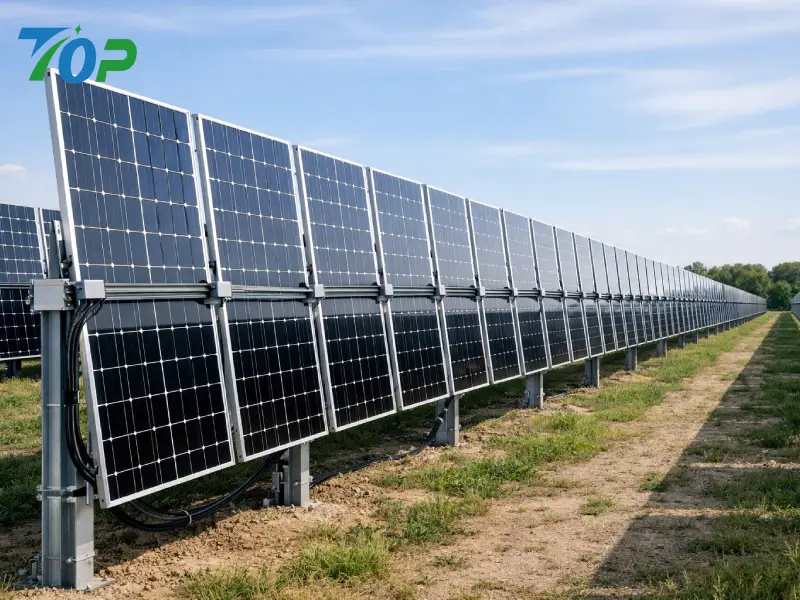
A vertical bifacial solar mounting system is an innovative photovoltaic (PV) structure in which solar modules are installed in a vertical orientation—typically aligned along an east-west axis—rather than at a fixed tilt angle. This configuration allows both sides of a bifacial module to capture sunlight throughout the day, enabling energy generation from both direct and reflected irradiance.
Unlike traditional systems that prioritize a single optimal tilt angle, vertical solar panel mounting structures focus on maximizing total energy yield per land area rather than peak output per panel. This makes them particularly effective in land-constrained environments.
Core Components of a Vertical Solar Mounting System
A typical bifacial solar mounting structure in vertical configuration includes the following components:
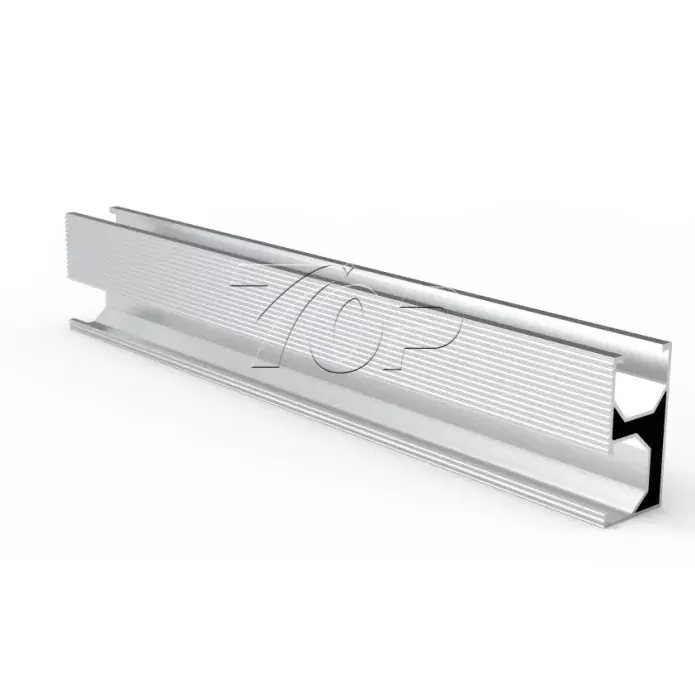
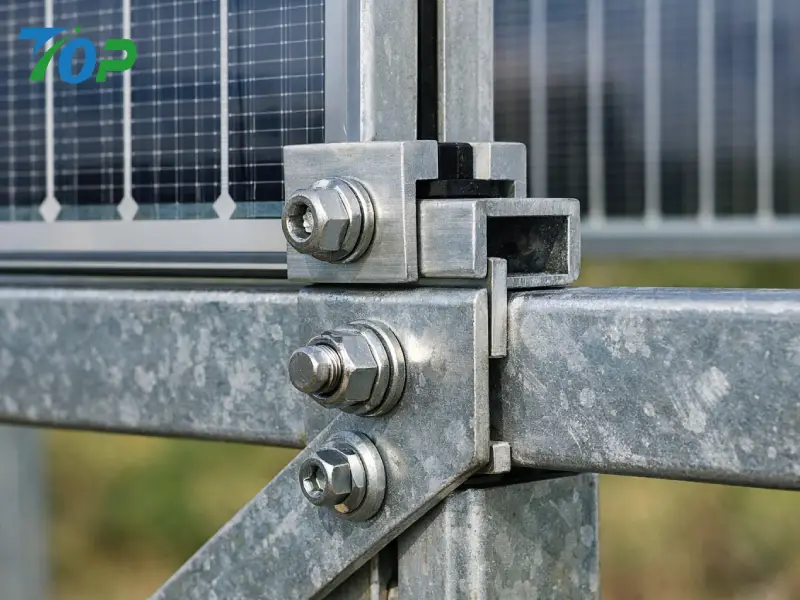
- Support Columns: Usually made from galvanized steel or aluminum, designed to withstand wind loads and environmental stress.
- Module Clamps: Specialized clamps to secure bifacial modules without obstructing rear-side exposure.
- Foundation System: Options include driven piles, ground screws, or concrete foundations depending on soil conditions.
- Electrical Integration: Optimized cable routing to minimize shading and ensure system safety.
- Spacing Design: Reduced row spacing compared to tilted systems, contributing to higher land use efficiency.
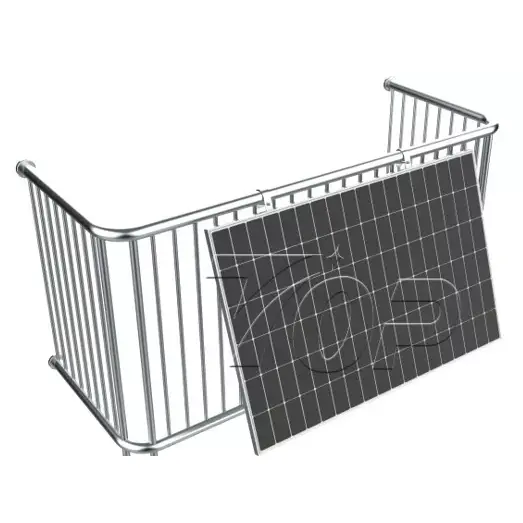
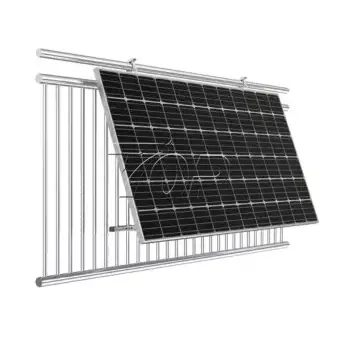
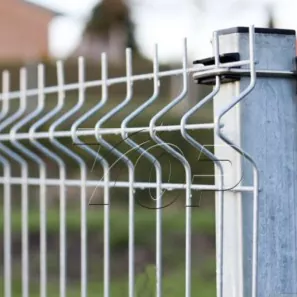
In many applications, vertical systems are also integrated into solar fence system designs, serving dual purposes such as perimeter security and energy generation. This dual functionality further enhances their value proposition.
Bifacial Technology: The Key Enabler
The effectiveness of vertical systems relies heavily on bifacial photovoltaic modules. Unlike monofacial panels, bifacial modules can capture sunlight on both the front and rear sides, increasing total energy output. Rear-side gain is influenced by factors such as ground albedo, module height, and spacing between rows.
Studies have shown that bifacial modules can deliver 5% to 30% additional energy compared to traditional modules, depending on environmental conditions (Cuevas et al., 2019). When combined with vertical mounting, this advantage becomes even more significant due to balanced east-west exposure.
How Vertical Bifacial Systems Increase Land Utilization by 30%
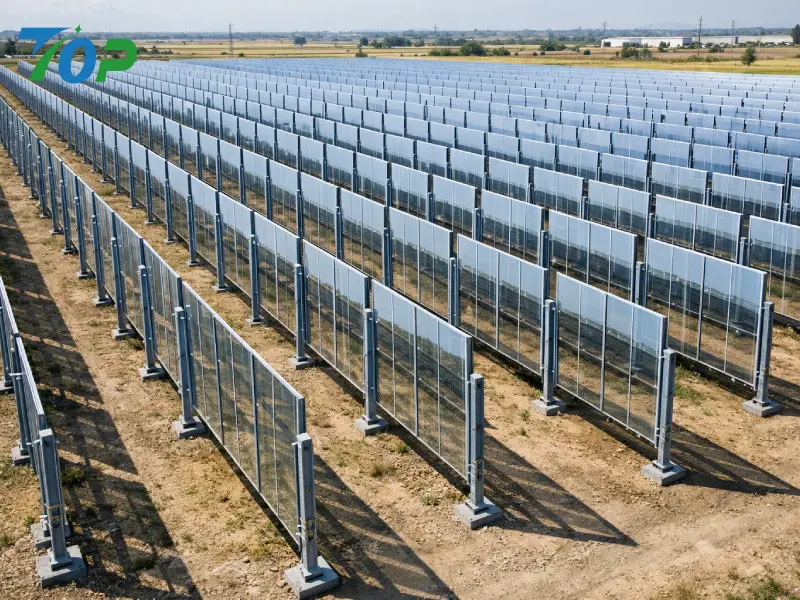
One of the most compelling advantages of vertical bifacial systems is their ability to significantly improve land use efficiency. While the exact percentage may vary depending on project design and location, many installations report up to 30% higher land utilization compared to conventional tilted systems.
This improvement is achieved through a combination of structural design, energy distribution, and spatial optimization.
Reduced Row Spacing and Compact Layout
Traditional tilted systems require sufficient spacing between rows to avoid shading, especially during winter months when the sun is lower in the sky. This spacing can account for a substantial portion of total land use.
In contrast, vertical solar panel mounting systems experience minimal inter-row shading due to their upright orientation. As a result, rows can be placed closer together without significant energy loss. This allows developers to install more capacity within the same land footprint.
East-West Energy Generation Profile
Vertical systems are typically oriented along an east-west axis, enabling modules to capture sunlight during both morning and afternoon periods. This results in a more evenly distributed generation curve compared to traditional systems, which peak at midday.
The broader generation window not only enhances grid compatibility but also improves energy density per unit of land. This characteristic is particularly valuable in markets with time-of-use electricity pricing.
Minimized Ground Coverage Ratio Constraints
The Ground Coverage Ratio (GCR) is a key parameter in solar project design, representing the ratio of module area to total land area. Vertical systems allow for higher effective GCR without compromising performance, thereby increasing total installed capacity within a given site.
Comparison with Traditional Tilted Systems
To better understand the advantages, consider the following comparison:
- Land Use: Vertical systems require less spacing, enabling higher capacity density.
- Energy Profile: More balanced output throughout the day vs. midday peak.
- Maintenance Access: Easier access between rows due to upright structure.
- Dust Accumulation: Reduced soiling due to vertical orientation.
While traditional systems may achieve slightly higher peak efficiency per panel, vertical bifacial systems often outperform in terms of total energy generated per hectare, which is the more relevant metric in land-constrained projects.
Key Application Scenarios Where Vertical Systems Deliver Maximum Value
The flexibility of vertical bifacial solar mounting systems makes them suitable for a wide range of applications. However, their advantages are particularly pronounced in scenarios where land efficiency, dual-use functionality, and operational flexibility are critical.
Agrivoltaics: Enabling Dual Land Use
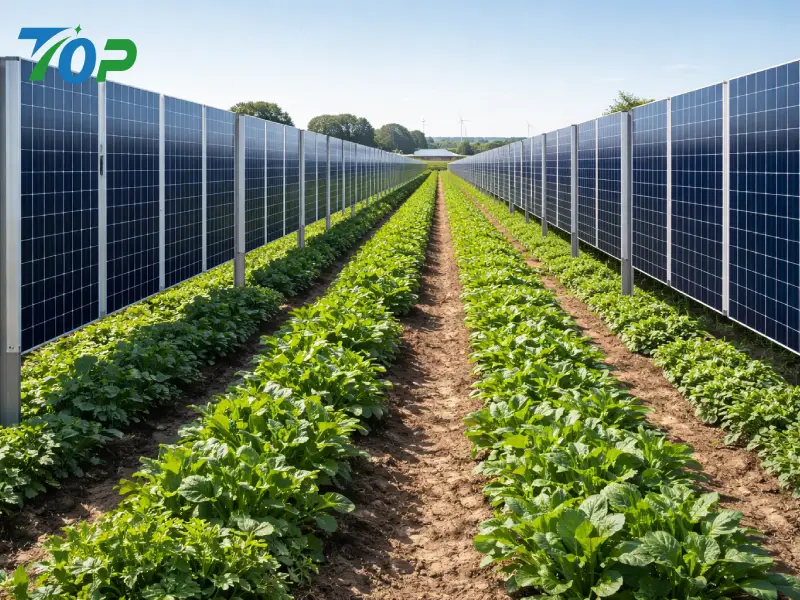
Agrivoltaics—the integration of agriculture and solar energy production—is one of the fastest-growing segments in the renewable energy sector. Vertical systems are especially well-suited for this application because they occupy minimal ground space and allow sunlight to reach crops between rows.
Unlike tilted systems that can cast large shadows, vertical installations create narrow shading patterns that move throughout the day. This dynamic shading can even benefit certain crops by reducing heat stress and water evaporation (Barron-Gafford et al., 2019).
By combining energy generation with agricultural productivity, vertical systems enable landowners to achieve higher overall returns without sacrificing primary land use.
Industrial and Commercial Solar Fence Systems
In industrial parks, logistics centers, and infrastructure projects, land is often allocated for perimeter fencing rather than energy production. A solar fence system transforms this passive boundary into an active energy asset.
Vertical bifacial mounting structures can be integrated directly into fencing systems, providing:
- Perimeter security
- Electricity generation
- Efficient land utilization
This approach is particularly attractive for facilities with limited rooftop space or strict land-use regulations.
High Land Cost Regions
In markets where land prices are high and space is limited, maximizing energy output per square meter is essential. Vertical systems offer a practical solution by increasing installation density without requiring additional land acquisition.
This makes them ideal for:
- Urban and peri-urban solar projects
- Infrastructure corridors (roads, railways)
- Commercial and industrial zones
As land scarcity continues to shape solar project economics, vertical bifacial systems are positioned to become a mainstream solution rather than a niche alternative.
ROI Analysis: Is Vertical Bifacial Solar Worth It?
For decision-makers evaluating solar investments, technical innovation alone is not enough—financial performance ultimately determines project viability. The vertical bifacial solar mounting system presents a different economic model compared to conventional systems, where the focus shifts from maximizing panel efficiency to maximizing energy output per unit of land.
To properly assess value, it is essential to evaluate multiple financial dimensions, including capital expenditure (CAPEX), operational expenditure (OPEX), energy yield, and long-term return metrics such as IRR and payback period.
CAPEX vs. Land Cost Trade-Off
Vertical systems may have slightly higher structural costs due to reinforced designs that handle increased wind loads and require specialized mounting components. However, this cost increase is often offset by significant savings in land acquisition or leasing.
In high-cost regions, land can account for 20%–40% of total project cost (International Renewable Energy Agency [IRENA], 2022). By improving land use efficiency solar, developers can reduce the required land footprint while maintaining or even increasing installed capacity.
This shift creates a favorable cost balance:
- Higher structural investment
- Lower land acquisition cost
- Improved revenue density per hectare
Energy Yield and Bifacial Gain
Although vertical systems may produce slightly lower peak output compared to optimally tilted systems, their total annual yield can be competitive due to bifacial gains and extended generation periods.
Bifacial modules can achieve energy gains ranging from 10% to 25% depending on ground reflectivity (albedo), installation height, and system design (Cuevas et al., 2019). Vertical configurations further enhance this by capturing sunlight from both east and west throughout the day.
This leads to:
- More stable daily generation curves
- Better alignment with morning and evening demand peaks
- Reduced reliance on energy storage in some scenarios
Operational Cost Advantages
Vertical solar panel mounting systems offer several operational benefits that contribute to lower OPEX:
- Reduced Soiling: Dust and debris are less likely to accumulate on vertical panels, lowering cleaning frequency.
- Improved Accessibility: Easier maintenance access between rows reduces labor time.
- Lower Snow Load Impact: In colder climates, snow does not accumulate on vertical panels.
These factors can significantly reduce long-term maintenance costs, improving overall project profitability.
IRR and Payback Period Considerations
When evaluating return on investment, vertical bifacial systems often demonstrate competitive or superior IRR in land-constrained scenarios. While exact figures vary by region and project design, key drivers include:
- Higher installed capacity per land unit
- Dual-use revenue streams (e.g., agriculture + energy)
- Reduced land leasing costs
In many cases, the payback period is shortened due to improved land productivity, even if initial CAPEX is slightly higher.
Engineering Considerations Before Choosing Vertical Solar Mounting
Selecting a bifacial solar mounting structure in vertical configuration requires careful engineering analysis. Unlike conventional systems, vertical installations are more exposed to environmental forces and must be optimized for both structural integrity and electrical performance.
Wind Load and Structural Stability
Vertical panels present a larger surface area perpendicular to wind direction, making wind load a critical design factor. Structural engineers must account for:
- Local wind speeds and gust conditions
- Terrain category and exposure
- Dynamic load factors
Advanced simulation tools and compliance with international standards (such as Eurocode or ASCE) are essential to ensure long-term system reliability.
Foundation Selection
The choice of foundation depends on soil conditions, project scale, and installation environment. Common options include:
- Driven Piles: Cost-effective and fast installation for suitable soil conditions
- Ground Screws: Ideal for minimal environmental disruption
- Concrete Foundations: Required for challenging terrains or high-load scenarios
Proper geotechnical analysis is crucial to avoid settlement or structural failure over time.
System Layout and Spacing Optimization
Although vertical systems allow for reduced row spacing, optimal design still requires balancing shading, airflow, and maintenance access. Key parameters include:
- Row-to-row distance
- Panel height
- Orientation accuracy (true east-west alignment)
Simulation tools such as PVsyst are often used to model performance and optimize layout.
Electrical Design for Bifacial Optimization
Maximizing the performance of bifacial modules requires careful electrical planning:
- Avoid shading from cables and mounting components
- Optimize string configuration for east-west generation patterns
- Consider inverter selection and MPPT design
These considerations ensure that the system fully leverages bifacial gains and maintains stable output.
Why Choosing the Right Solar Mounting Manufacturer Matters
The success of a vertical bifacial project depends not only on system design but also on the capabilities of the solar mounting system manufacturer. A reliable partner can significantly reduce project risk, improve installation efficiency, and ensure long-term performance.
Engineering and Customization Capabilities
Every project has unique requirements based on location, terrain, and application scenario. A qualified manufacturer should provide:
- Customized structural design
- Wind load calculations and certification
- Project-specific optimization
Standardized solutions are often insufficient for vertical systems, making engineering expertise a key differentiator.
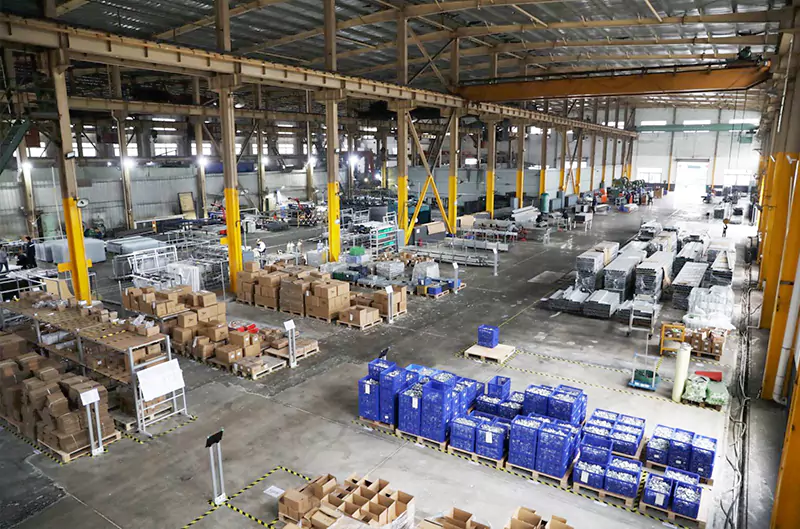
Manufacturing Quality and Material Standards
High-quality materials and production processes are essential for durability and performance. Look for:
- Hot-dip galvanized steel or anodized aluminum
- Strict quality control systems
- Compliance with international standards (ISO, CE)
These factors directly impact system lifespan and maintenance costs.
Global Project Experience
Manufacturers with extensive international experience are better equipped to handle diverse project conditions and regulatory requirements. They can also provide valuable insights into best practices and potential challenges.
Technical Support and After-Sales Service
From design to installation and beyond, comprehensive technical support is critical. This includes:
- Installation guidance
- On-site support (if required)
- Long-term maintenance consultation
Strong after-sales service ensures that any issues are resolved quickly, minimizing downtime and protecting investment returns.
Case Study: Increasing Land Efficiency by 30% in a Real Project
To illustrate the practical benefits of vertical bifacial systems, consider a mid-scale solar project implemented in a land-constrained industrial zone.
Project Background
- Location: Southeast Asia
- Application: Industrial perimeter + energy generation
- Challenge: Limited available land and high leasing costs
Solution Implemented
The project deployed a vertical bifacial solar mounting system integrated into a solar fence design. Key features included:
- East-west oriented bifacial modules
- Compact row spacing
- Dual-use functionality (security + energy)
Results Achieved
- Land Utilization: Increased by approximately 30%
- Installed Capacity: Expanded without additional land
- Energy Output: Stable generation across the day
- ROI: Improved due to reduced land costs and dual-use benefits
This case demonstrates how vertical systems can transform underutilized spaces into high-performing energy assets.
Future Trends: Vertical Solar as a Standard for Dual-Use Land
As the global energy transition accelerates, solar deployment is no longer evaluated solely on capacity expansion but increasingly on how efficiently land resources are utilized. This shift is driving rapid innovation in system design, with the vertical bifacial solar mounting system emerging as a key solution aligned with long-term market trends.
Several macro trends indicate that vertical solar installations will move from a niche application to a mainstream standard in the coming years.
Growth of Agrivoltaics and Land Co-Utilization
Agrivoltaics is gaining strong policy and financial support across multiple regions. Governments are encouraging the integration of solar energy with agriculture to address both food security and renewable energy targets. Vertical systems are particularly well-suited for this model because they:
- Minimize land occupation
- Allow farm machinery access
- Maintain crop yield while generating electricity
According to research, agrivoltaic systems can increase overall land productivity by up to 60% when both energy and crop outputs are considered (Barron-Gafford et al., 2019). Vertical configurations enhance this effect by reducing shading impact compared to tilted arrays.
Policy Support and Land Constraints
In regions with strict land-use regulations, such as Europe and Japan, policymakers are prioritizing dual-use solutions that maximize the value of limited land resources. Incentives, subsidies, and streamlined permitting processes are increasingly being aligned with systems that improve land use efficiency solar.
This regulatory direction favors technologies like:
- Vertical solar panel mounting
- Solar fence system integration
- Infrastructure-integrated photovoltaics
As a result, project developers who adopt these systems early can gain a competitive advantage in project approvals and financial incentives.
Integration with Infrastructure and Smart Energy Systems
Another emerging trend is the integration of solar systems into existing infrastructure. Vertical bifacial systems can be deployed along:
- Highways and railways
- Industrial boundaries
- Noise barriers and utility corridors
These applications transform passive infrastructure into active energy-generating assets, improving overall system efficiency without requiring additional land.
Furthermore, the balanced generation profile of east-west vertical systems aligns well with smart grids and distributed energy systems, supporting grid stability and reducing peak load pressure.
Frequently Asked Questions (FAQ)
1. What is a vertical bifacial solar mounting system?
A vertical bifacial solar mounting system is a structure that installs bifacial solar panels in an upright orientation, typically facing east and west, allowing both sides of the module to generate electricity throughout the day.
2. How much land can be saved with vertical solar systems?
Depending on project design, vertical systems can improve land utilization by up to 30% by reducing row spacing and enabling higher installation density.
3. Does vertical mounting reduce overall energy production?
While peak output per panel may be slightly lower than tilted systems, total energy generation per land area is often higher due to bifacial gains and extended production periods.
4. Are vertical systems suitable for agricultural applications?
Yes, vertical systems are ideal for agrivoltaics because they allow crops to receive sufficient sunlight while generating additional income from energy production.
5. What are the installation requirements?
Installation requires careful consideration of wind loads, foundation design, and system layout. Professional engineering and site analysis are essential.
6. How do vertical systems compare to east-west tilted systems?
Both systems provide balanced energy output, but vertical systems offer better land efficiency and dual-use potential, especially in constrained environments.
7. What is the lifespan of a vertical solar mounting system?
With high-quality materials such as galvanized steel or aluminum, these systems typically have a lifespan of 25 years or more, matching standard PV system durability.
8. How to choose a reliable solar mounting system manufacturer?
Key factors include engineering expertise, manufacturing quality, certifications, project experience, and after-sales support.
Conclusion: Unlock More Value from Every Square Meter
The vertical bifacial solar mounting system represents a strategic evolution in solar project design—one that prioritizes land efficiency, flexibility, and long-term value. By enabling up to 30% higher land utilization, supporting dual-use applications, and delivering competitive financial returns, it addresses some of the most pressing challenges in today’s solar market.
For developers and investors operating in land-constrained environments, this approach offers a practical pathway to scale solar capacity without expanding land footprint. At the same time, it opens new opportunities in agrivoltaics, infrastructure integration, and distributed energy systems.
However, achieving optimal results requires more than just selecting the right technology—it depends on partnering with an experienced solar mounting system manufacturer capable of delivering customized solutions, reliable engineering, and consistent product quality.
At TopFence Solar, we specialize in advanced mounting solutions including solar fence systems and vertical bifacial solar mounting structures. As a direct manufacturer with strong engineering capabilities, we provide:
- Customized design based on project requirements
- High-strength materials and precision manufacturing
- Global project support and technical expertise
If you are looking to maximize land efficiency and unlock new value from your solar projects, our team is ready to support you with tailored solutions.
Contact us today:
Tel: +8613365923720
WhatsApp: +8615980883501
Email: info@xmtopfence.com
References
- Barron-Gafford, G. A., Pavao-Zuckerman, M. A., Minor, R. L., Sutter, L. F., Barnett-Moreno, I., Blackett, D. T., ... & Macknick, J. E. (2019). Agrivoltaics provide mutual benefits across the food–energy–water nexus in drylands. Nature Sustainability, 2(9), 848–855.
- Cuevas, A., Luque, A., Eguren, J., & del Alamo, J. (2019). 50 years of progress in silicon solar cells. Progress in Photovoltaics: Research and Applications, 27(1), 1–20.
- International Renewable Energy Agency (IRENA). (2022). Renewable Power Generation Costs in 2021. Abu Dhabi: IRENA.
- Macknick, J., Beatty, B., & Hill, G. (2013). Overview of opportunities for co-location of solar energy technologies and vegetation. National Renewable Energy Laboratory (NREL).
- World Bank. (2020). Where Sun Meets Water: Floating Solar Market Report. Washington, DC: World Bank Group.
Maximize Your Land Efficiency with Vertical Solar Solutions
Looking to deploy a high-performance vertical bifacial solar mounting system for your next project?
Our engineering team provides customized design support, wind load calculations, and optimized solar fence system and bifacial mounting solutions tailored to your site conditions, helping you achieve up to 30% higher land utilization and stronger project ROI.
Related News
- The Global EPC Sourcing Checklist: Managing Lead Times and Logistics for Solar Mounting Systems
- BIPV & Commercial Rooftops: Solving Waterproofing and Structural Integrity Challenges in Urban Solar
- Navigating Solar Certifications: Why UL 2703 and International Standards Matter for Project Bankability
- Maximizing Yield with Bifacial Modules: How to Select the Optimal Tracker for Enhanced Energy Output
- Wind Load and Coastal Engineering: Ensuring Your Ground-Mounted Solar Array Survives Extreme Weather
- Aluminum vs. Galvanized Steel: Choosing the Right Solar Mounting Structure for High-Corrosivity Environments
Leave me a message