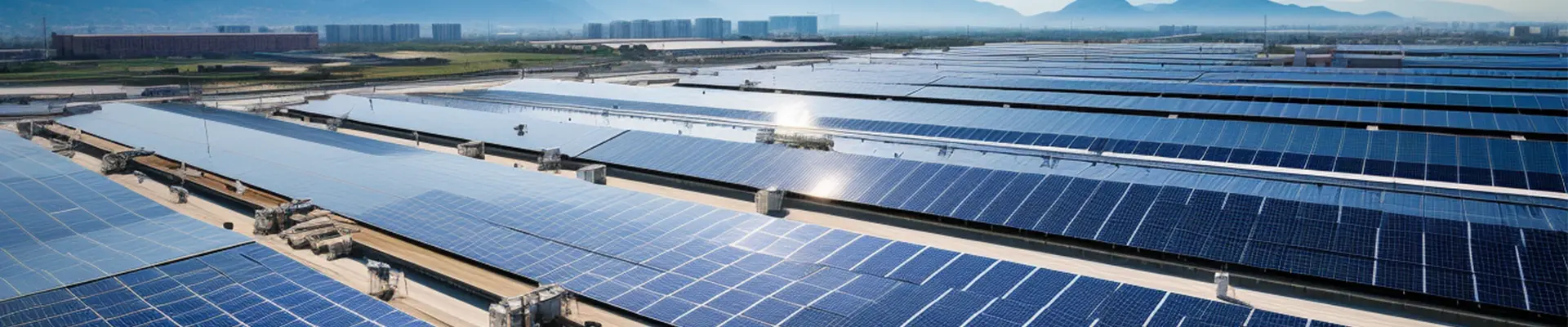
What Are Flat Roof Solar Mounting Kits System?
Flat roof solar mounting kits are essential for installing solar photovoltaic (PV) panels on flat rooftops. This comprehensive guide explains what they are, how they work, key benefits, different systems, installation considerations, cost factors, and expert FAQs. With industry examples and data references, this article supports informed decisions when selecting and installing flat rooftop solar mounts.
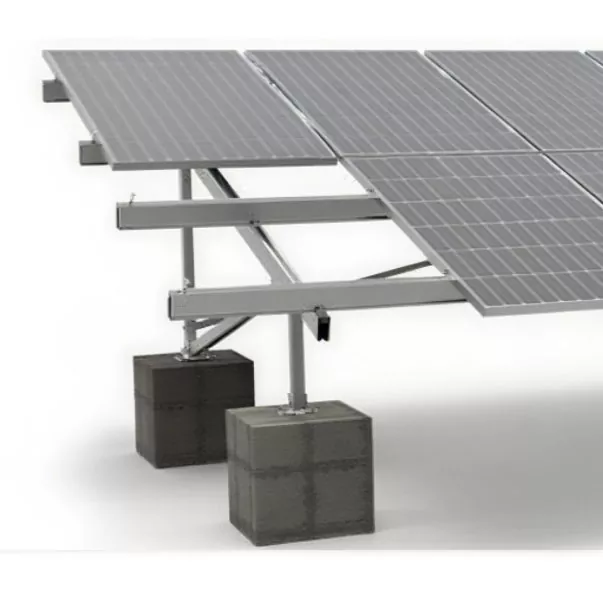
Table of Contents
- What Are Flat Roof Solar Mounting Kits?
- Why Use Flat Roof Solar Mounting Systems?
- Which Types of Flat Roof Solar Mounting Systems Exist?
- How Do You Choose a Suitable Kit?
- How Do These Kits Improve Solar Performance?
- How Is Installation Done?
- What Are Cost Considerations?
- FAQ
What Are Flat Roof Solar Mounting Kits?
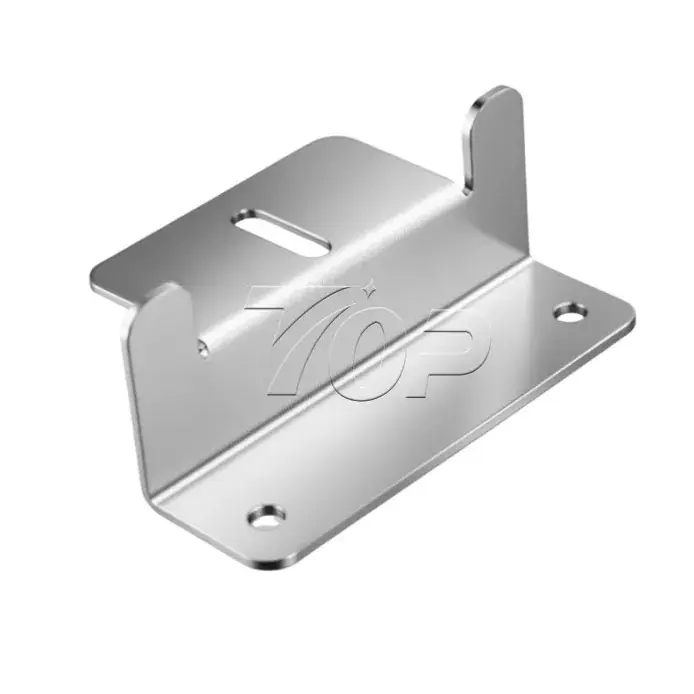
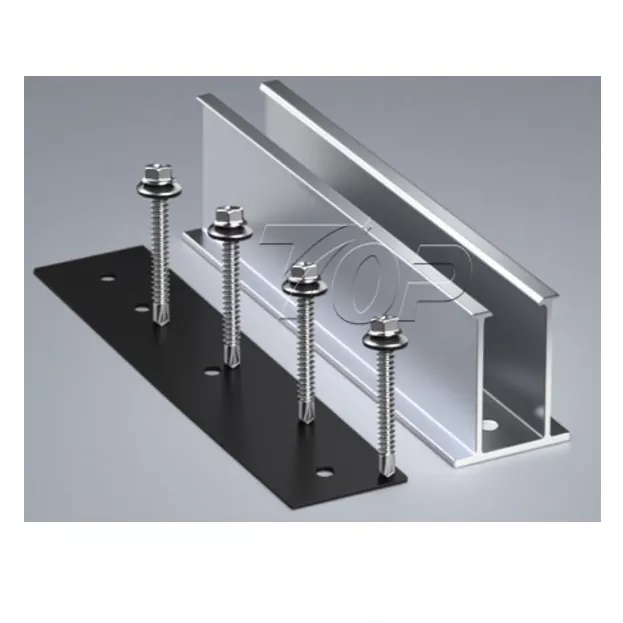
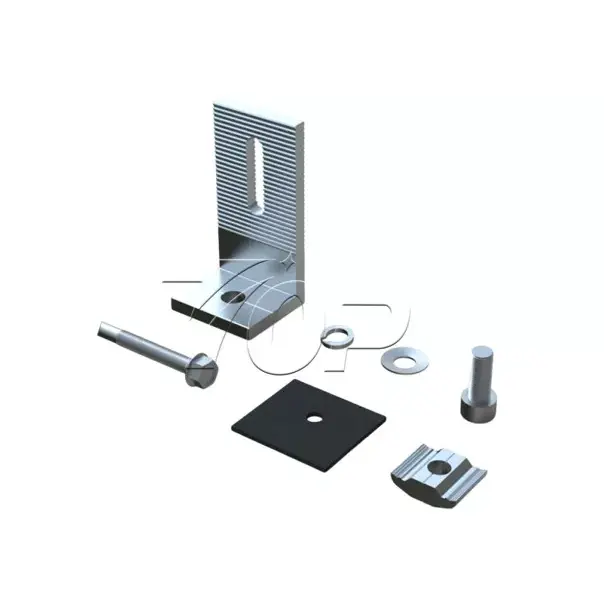
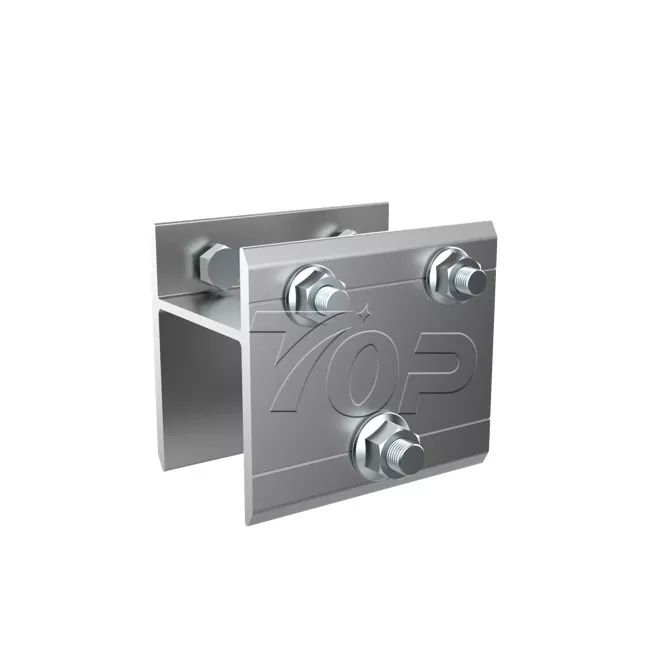
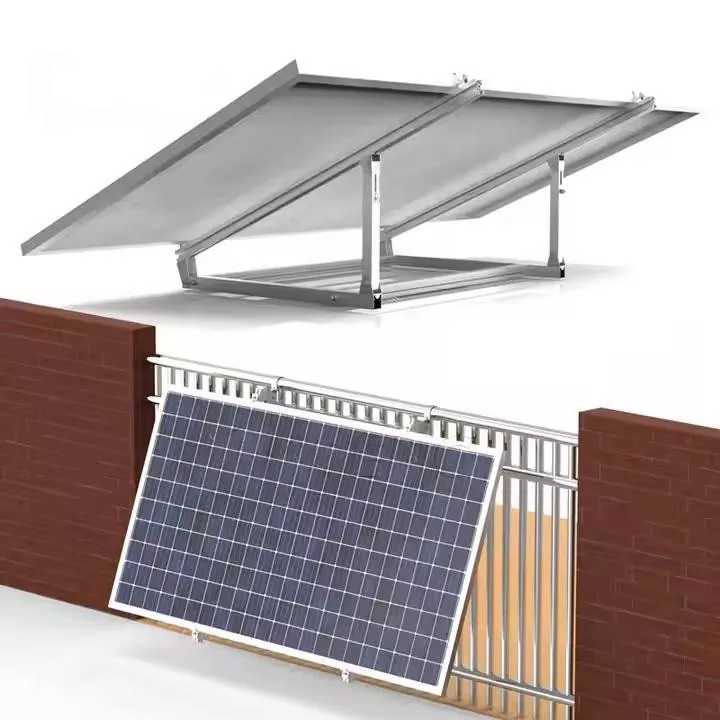
Flat roof solar mounting kits are engineered racking systems used to secure solar panels on buildings with flat or low-slope rooftops. Unlike pitched roof systems, flat roof mounts are designed to elevate and angle PV modules for optimal sun exposure while accommodating rooftop structural characteristics. They may include ballast trays, tilted frames, rails, clamps, and fasteners.
Why Use Flat Roof Solar Mounting Systems?
Installing solar panels on flat roofs without a dedicated mounting system can result in poor energy capture and structural issues. Flat roof solar mounting systems help:
- Optimize panel angle for better sunlight absorption.
- Increase system stability under wind and weather loads.
- Minimize roof penetration via ballasted designs.
Which Types of Flat Roof Solar Mounting Systems Exist?
There are several major categories of flat roof solar mounts:
| System Type | Description | Main Use Case |
|---|---|---|
| Ballasted Mounting | Uses weight (concrete blocks) for stability without roof penetrations. | Membrane roofs, warranty-sensitive installations |
| Fixed Tilt Mounting | Rigid angled frames secured to roof. | Areas with high wind or structural limits |
| Adjustable Tilt Mounting | Allows changing angle for seasonal optimization. | Energy-conscious commercial systems |
| Aerodynamic Low-Profile Mounts | Reduces wind uplift and improves aesthetics. | Urban installations |
How Do You Choose a Suitable Kit?
Choosing the right flat roof solar mounting kit depends on:
- Roof Material & Strength: Ballasted systems add mass; structural assessment is necessary.
- Environmental Conditions: High wind or snow may require mechanically attached systems.
- Energy Goals: Adjustable tilt may increase generation.
- Warranty Requirements: Non-penetrating mounts may preserve roof warranty.
How Do These Kits Improve Solar Performance?
Proper mounting systems enhance energy production and system longevity:
- Improved Sun Exposure: Tilt angles can maximize solar capture throughout the year.
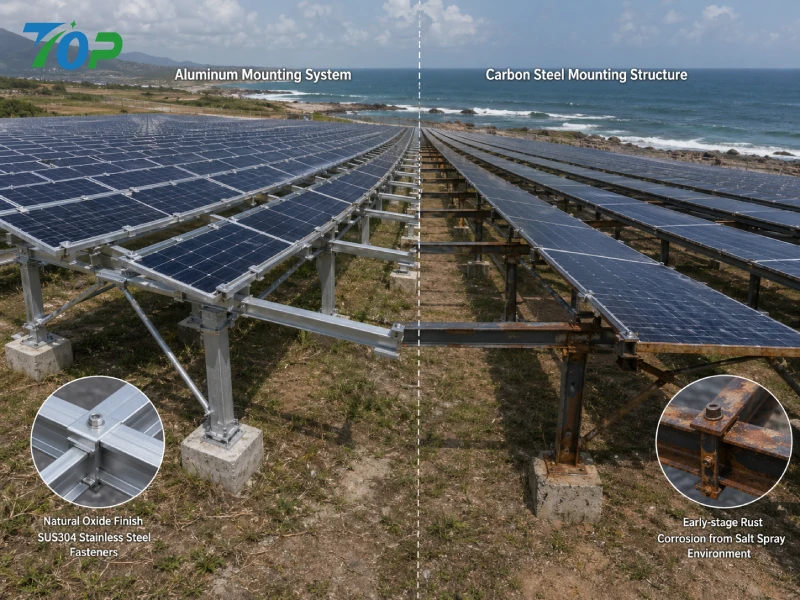
- Reduced Maintenance: Durable materials like aluminum resists corrosion.
- Weather Resistance: Designed to resist wind uplift and snow loads.
How Is Installation Done?
An installation typically follows these steps:
- Structural roof inspection & load assessment;
- Choose system type (ballasted vs attached);
- Install base trays or anchors;
- Assemble tilt frames or rails;
- Attach panels with clamps and wire management.
Professional installers reduce risk of roof damage and ensure compliance with local building codes and wind-load requirements.
What Are Cost Considerations?
Common factors influencing cost include:
- Type of mounting system;
- Material quality (e.g., aluminum, stainless steel);
- Labor and installation complexity;
- Engineering and structural assessment fees.
Ballasted systems often cost less up front but add roof load requirements, while attached systems may require more materials and labor.
Frequently Asked Questions (FAQ)
What is a flat roof solar mounting kit?
A solar mounting kit for flat roofs is a racking system designed to securely hold PV panels on flat or low-slope roofs, often allowing tilt and orientation adjustments for optimal solar capture.
Why choose a ballasted flat roof system?
Ballasted systems avoid roof membrane penetrations, preserving warranty and reducing leak risks, though they require the roof to support additional weight.
Can flat roof solar mounts handle high wind?
Yes. Properly engineered systems distribute loads and include aerodynamic design to resist uplift forces; attached systems excel in high-wind zones.
Are adjustable tilt mounts worth it?
Adjustable tilt systems can improve yearly energy production by optimizing sunlight incidence angles, ideal for commercial installations aiming for efficiency.
Is a structural assessment necessary before installation?
Yes. Assessing roof load capacity and structural integrity is critical to ensure safe and code-compliant solar installations.
Related News
- The Global EPC Sourcing Checklist: Managing Lead Times and Logistics for Solar Mounting Systems
- BIPV & Commercial Rooftops: Solving Waterproofing and Structural Integrity Challenges in Urban Solar
- Navigating Solar Certifications: Why UL 2703 and International Standards Matter for Project Bankability
- Maximizing Yield with Bifacial Modules: How to Select the Optimal Tracker for Enhanced Energy Output
- Wind Load and Coastal Engineering: Ensuring Your Ground-Mounted Solar Array Survives Extreme Weather
- Aluminum vs. Galvanized Steel: Choosing the Right Solar Mounting Structure for High-Corrosivity Environments
Leave me a message