Why Vertical Solar Mounting Systems Getting Famous?
The Redefining Urban Energy Landscapes
When sunlight hits urban building facades, most people don't realize that these vertical surfaces hold enormous clean energy potential. Solar vertical systems are transforming our traditional understanding of solar energy utilization, turning the ever-present vertical spaces in cities into efficient power generation platforms.
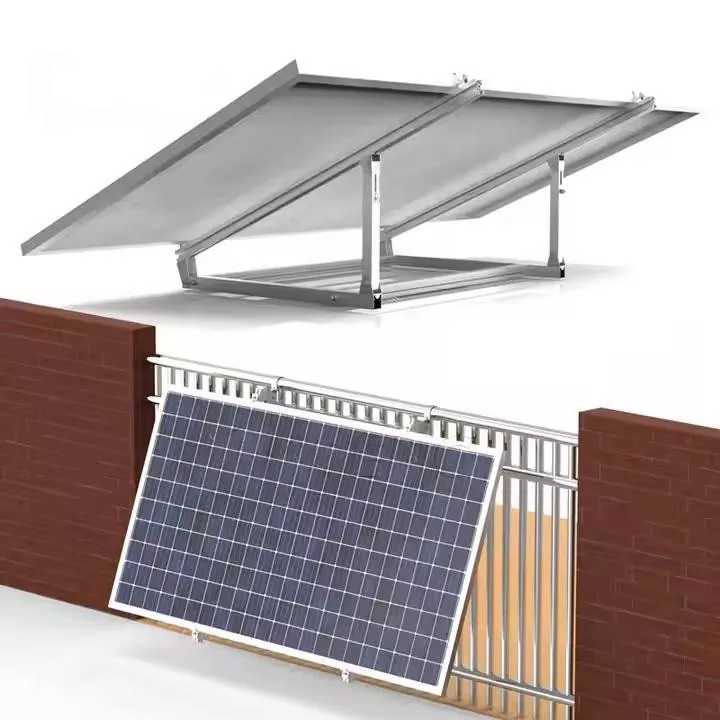
For years, the optimal installation angle for solar panels was considered to be tilted toward the sun. However, in urban environments with limited land resources, vertical installation demonstrates unique value: it requires no additional precious land or rooftop space, instead utilizing existing vertical structures like building exteriors, noise barriers, and fences to achieve truly "zero additional space" power generation.
Integration of Multiple Advantages
1. Efficient Bifacial Power Generation
Vertically installed bifacial photovoltaic panels can capture both direct and reflected sunlight, performing exceptionally well during early morning and late afternoon when the sun's angle is low. This power generation curve better matches urban electricity consumption peaks, providing improved grid balance.
2. Multifunctional Value
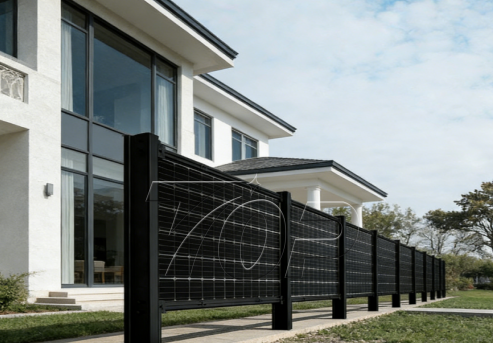
Vertical photovoltaic solar systems serve not only as power generators but also provide multiple additional functions:
Building Energy Efficiency: As part of exterior walls, they offer additional insulation, reducing building energy consumption
Environmental Improvement: Mitigate urban heat island effects and reduce traffic noise
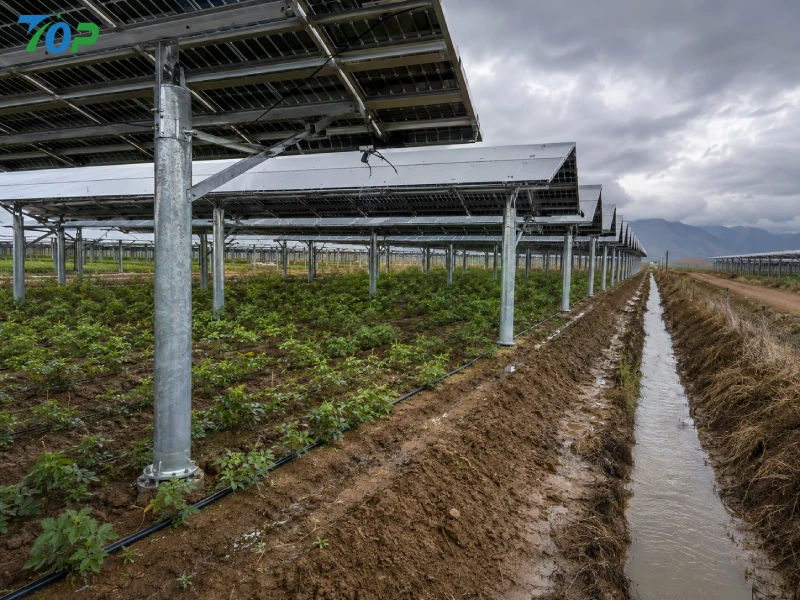
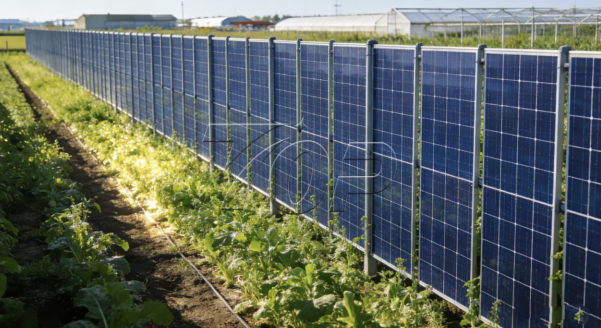
Agricultural Synergy(solar panel fence):Serve as windbreaks for farmland, creating more suitable growing conditions for crops
3. Wide Range of Applications
From skyscraper glass curtain walls to highway noise barriers, from parking lot fences to agricultural greenhouse sides, vertical photovoltaic systems can be integrated into almost any vertical surface. The Netherlands' "Solar Highway" project installed vertical photovoltaics on a 400-meter-long noise barrier, generating enough electricity annually to power 60 households.
Technological Maturity and Cost Reduction
In recent years, bifacial photovoltaic technology costs have significantly decreased while efficiency continues to improve, substantially enhancing the economic viability of vertical systems. When considering factors like saved space costs, building energy efficiency benefits, and environmental value, the investment payback period for vertical photovoltaic systems in urban areas has shortened to 8-12 years.
Global Implementation and Development
Europe leads in vertical photovoltaic applications. Germany, Switzerland, and the Netherlands already have multiple successful cases integrating vertical photovoltaics into building renovations and infrastructure projects. Asian countries like Singapore and Japan are also actively promoting this technology, with Tokyo's "PV Curtain" system transforming high-rise building facades into power-generating surfaces without compromising natural lighting.
The International Energy Agency predicts that global vertical photovoltaic capacity could reach 120-180 GW by 2030, becoming an important component of urban energy structures.
Challenges and Opportunities Coexist
Despite promising prospects, vertical photovoltaics still face challenges: the need for location-specific customized designs, relatively high initial investment, and lack of uniform standards. However, innovative business models are emerging simultaneously, such as "Energy-as-a-Service" models and community-shared photovoltaic cooperatives, lowering adoption barriers.
Future Outlook: Cities as Energy Producers
Solar vertical systems represent a fundamental shift in urban energy philosophy—from passive energy consumption to active energy production. When every wall of a building can potentially become a micro power station, cities will gradually transform into self-sufficient energy ecosystems.
This transformation goes beyond mere technological upgrading; it represents an evolution in urban design philosophy: truly integrating sustainable development into every detail of the built environment. In addressing global challenges of climate change and energy transition, solar vertical systems offer a practical solution that enables significant increases in clean energy supply without occupying additional land.
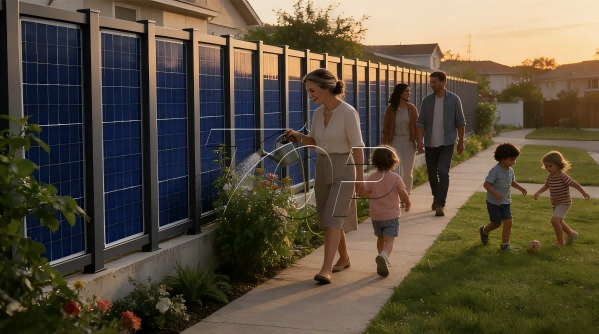
End from the above, Solar vertical systems exemplify human ingenuity: by re-examining commonplace elements (building vertical surfaces), we discover their transformative energy potential. This is not merely a new energy technology but a new philosophy of urban living—where our built environment itself becomes part of the solution.
As we learn to consider energy from a vertical dimension, our cities' future becomes brighter and more sustainable. Topfencesolar vertical systems are turning this vision into reality, transforming our energy landscape one square meter at a time.
Related News
- The Global EPC Sourcing Checklist: Managing Lead Times and Logistics for Solar Mounting Systems
- BIPV & Commercial Rooftops: Solving Waterproofing and Structural Integrity Challenges in Urban Solar
- Navigating Solar Certifications: Why UL 2703 and International Standards Matter for Project Bankability
- Maximizing Yield with Bifacial Modules: How to Select the Optimal Tracker for Enhanced Energy Output
- Wind Load and Coastal Engineering: Ensuring Your Ground-Mounted Solar Array Survives Extreme Weather
- Aluminum vs. Galvanized Steel: Choosing the Right Solar Mounting Structure for High-Corrosivity Environments
Leave me a message