Industrial Maintenance Walkways for Factory Roofs: Compliance Standards, Structural Safety, and Solar-Compatible EPC Design Guide
Why Industrial Maintenance Walkway Compliance Directly Impacts EPC Project Success
Industrial maintenance walkways and solar walkway compliance have become critical engineering requirements in modern factory rooftop photovoltaic (PV) and industrial roofing systems. In large-scale EPC projects, especially those involving commercial solar installations, the design and compliance of maintenance access systems directly influence safety approval, installation efficiency, long-term O&M cost, and project profitability.
For EPC contractors, solar installers, and industrial facility owners, a properly designed industrial maintenance walkway is no longer a secondary structural accessory. It is a core part of rooftop engineering that ensures safe inspection routes, protects photovoltaic assets, and enables compliant maintenance operations throughout the system lifecycle. Poorly designed or non-compliant walkway systems often result in inspection failure, increased liability risk, and expensive redesign during construction.
From a B2B procurement perspective, distributors and wholesalers also evaluate walkway systems based on material certification, structural durability, and installation standardization. Requirements such as SUS304 stainless steel construction, anti-corrosion surface treatment, and TÜV-aligned testing documentation are commonly referenced in procurement specifications for industrial solar projects.
This guide provides a structured engineering-level overview of industrial maintenance walkways, focusing on compliance frameworks, structural design principles, and their integration with solar PV systems in EPC environments.
Throughout this article, we will also repeatedly address solar walkway compliance as a central engineering concept that connects safety regulations, structural design logic, and real-world EPC project execution.
What Is an Industrial Maintenance Walkway in Factory Roofing Systems?
Engineering Definition in EPC and Industrial Safety Context
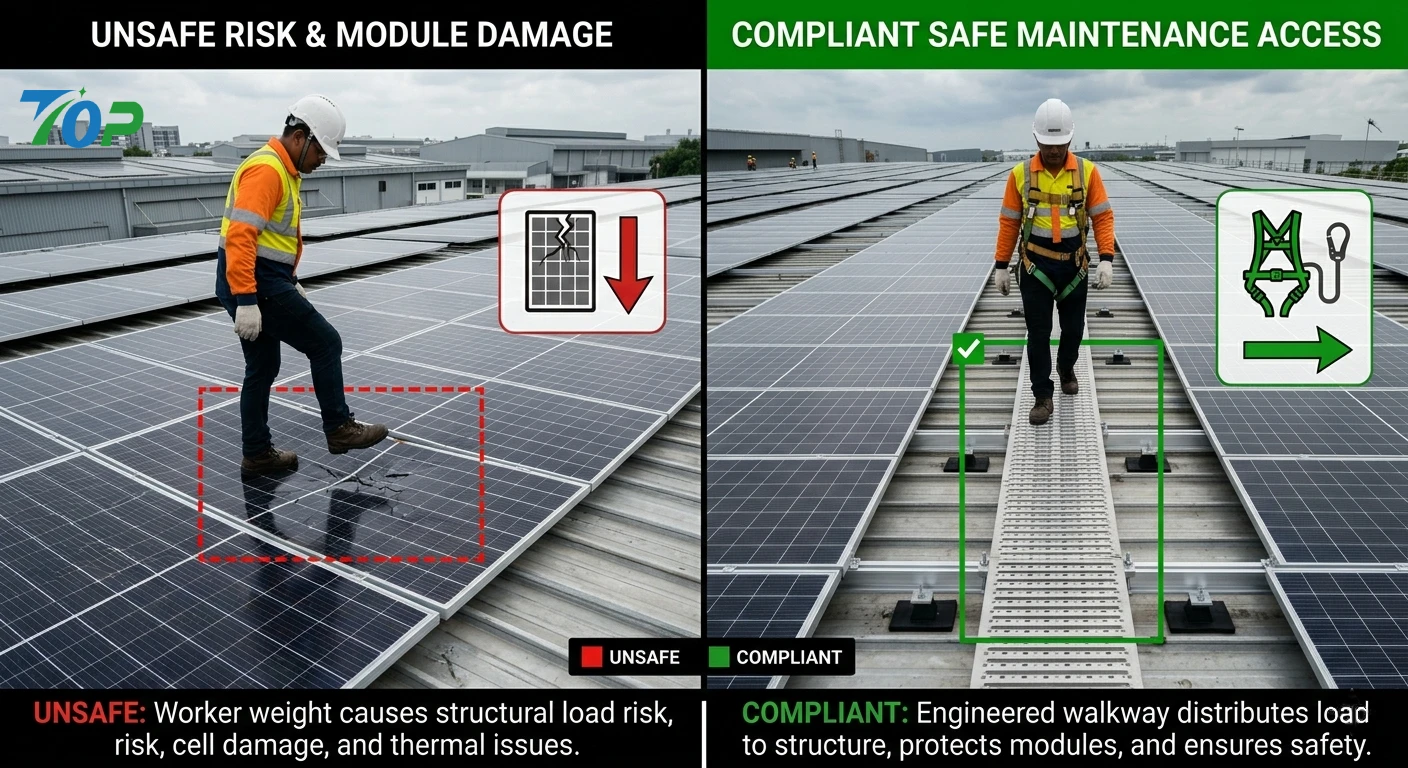
An industrial maintenance walkway is a load-bearing access structure installed on factory rooftops to support safe movement for inspection, maintenance, cleaning, and emergency response activities. In EPC solar projects, these walkways are integrated into photovoltaic system layouts to ensure that technicians can access critical components without damaging solar modules or roof waterproofing layers.
Unlike general rooftop access paths, industrial maintenance walkways must be engineered to withstand repeated mechanical loads, environmental exposure, and long-term corrosion stress. They are typically constructed using high-strength aluminum alloys or SUS304 stainless steel systems, depending on environmental conditions such as humidity, coastal exposure, or chemical plant proximity.
Functional Role in Solar PV Rooftop Systems
In modern solar installations, roof surfaces are densely occupied by PV modules, mounting structures, and DC cabling systems. Without dedicated maintenance walkways, routine operations such as module cleaning, inverter inspection, and cable diagnostics become hazardous and inefficient.
Industrial maintenance walkways solve this challenge by creating structured access corridors between PV arrays. These corridors ensure that technicians can move safely across the rooftop without stepping on photovoltaic modules or compromising waterproof roofing layers.
As solar capacity increases in industrial environments, the importance of structured access systems grows significantly. This is where solar walkway compliance becomes a critical factor in EPC design validation and safety approval processes.
Key Differences Between General Roof Walkways and Solar Walkways
Although both systems provide rooftop access, solar walkways used in EPC projects differ significantly from traditional maintenance paths in terms of engineering requirements.
- Load-Bearing Requirements: Solar walkways must account for dynamic loads from maintenance personnel carrying tools and equipment.
- Anti-Slip Performance: Industrial environments require enhanced friction control under wet, dusty, or oily conditions.
- Corrosion Resistance: Exposure to UV radiation, rain, and industrial pollutants requires SUS304 or equivalent-grade materials.
- PV Compatibility: Walkways must integrate with mounting rails and avoid shading solar modules.
These differences highlight why EPC contractors cannot treat walkway systems as generic accessories. Instead, they must be designed as fully integrated structural components within the solar PV system architecture.
Solar Walkway Compliance: Engineering Framework and Industry Interpretation
What “Solar Walkway Compliance” Means in EPC Projects
The term solar walkway compliance does not refer to a single global standard. Instead, it represents a combination of engineering requirements, safety regulations, and material certification expectations used in industrial rooftop PV projects.
In EPC project execution, compliance typically includes four key dimensions:
- Structural load safety and roof integrity protection
- Fire safety and emergency access requirements
- Anti-slip surface performance under industrial conditions
- Wind uplift resistance and long-term mechanical stability
These combined requirements ensure that walkway systems can operate safely under real-world industrial conditions while maintaining compatibility with photovoltaic system layouts.
International Standards Referenced in Industrial Projects
Although requirements vary by region and project type, EPC contractors commonly refer to several international engineering frameworks when defining walkway specifications.
These include structural safety principles from ISO guidelines, European industrial roof access safety practices, and TÜV testing expectations for rooftop metal structures. In large-scale procurement scenarios, compliance documentation is often required as part of bidding submissions, especially in government or industrial tender projects.
However, it is important to note that solar walkway compliance is usually project-specific and determined by engineering design specifications rather than a single mandatory global regulation.
Material Compliance Requirements in Industrial Walkway Systems
Material selection plays a central role in ensuring long-term performance and compliance stability. In EPC solar projects, two materials dominate industrial walkway construction:
- SUS304 Stainless Steel: Preferred for high-corrosion environments and long lifecycle durability.
- Aluminum Alloy Systems: Used for lightweight rooftop structures where load reduction is critical.
In addition, surface treatments such as anodizing or powder coating are applied to enhance UV resistance and prevent oxidation in harsh environments.
Fastener systems must also maintain material consistency to avoid galvanic corrosion, which can significantly reduce system lifespan in industrial rooftop conditions.
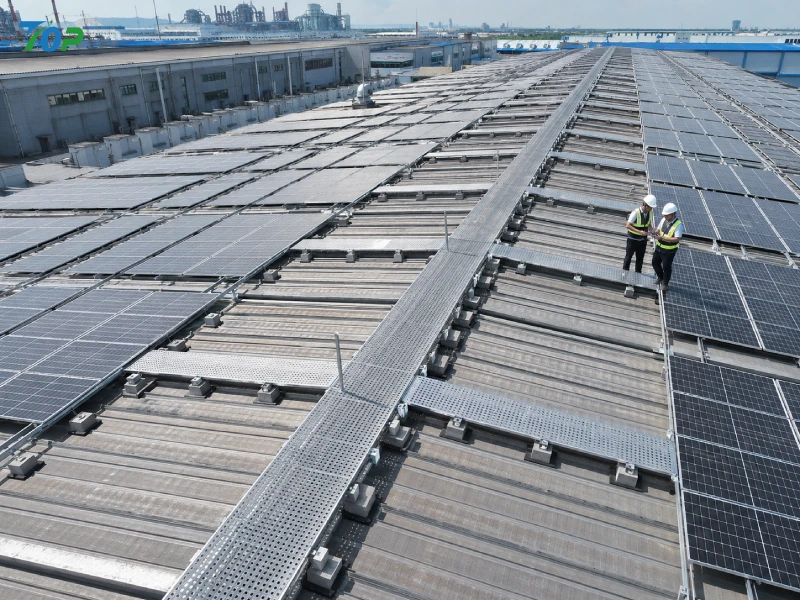
Engineering Importance of Maintenance Walkways in Solar EPC Projects
In EPC project execution, maintenance walkways directly influence installation efficiency, safety certification success, and long-term operational cost. Without properly designed access systems, PV maintenance operations become inefficient, increasing labor costs and system downtime.
From a structural engineering perspective, walkways also distribute mechanical loads across rooftop surfaces, reducing stress concentration points that could otherwise damage waterproof membranes or roof insulation layers.
This is why solar walkway compliance is not only a safety requirement but also a structural optimization strategy in industrial PV design.
Impact on EPC Installation Efficiency
Standardized walkway systems significantly reduce installation time by enabling modular assembly and reducing on-site customization requirements. This allows EPC contractors to accelerate project delivery while maintaining consistent engineering quality.
In large-scale industrial solar projects, even small improvements in installation efficiency can translate into substantial cost savings across multiple rooftops or distributed installations.
Role in Long-Term O&M Optimization
Once a solar system is operational, maintenance walkways become the primary access routes for inspection and cleaning operations. Properly designed systems reduce the risk of module damage and ensure safe navigation across densely installed PV arrays.
This directly contributes to lower maintenance costs, improved system uptime, and extended photovoltaic system lifespan.
Structural Engineering Requirements for Industrial Maintenance Walkways
Load-Bearing Design and Safety Factors in EPC Projects
In industrial rooftop engineering, load-bearing capacity is one of the most critical parameters defining the reliability of maintenance walkway systems. Unlike decorative or light-access platforms, industrial walkways must be designed to support repeated dynamic loads generated by maintenance personnel, tools, and safety equipment under real operational conditions.
In EPC solar projects, engineers typically evaluate both static load and dynamic load scenarios. Static load refers to continuous weight distribution across the structure, while dynamic load accounts for movement, vibration, and sudden force impact during maintenance activities.
A properly engineered walkway system ensures that these loads are evenly distributed across roof structural points, minimizing stress concentration and preventing long-term damage to waterproof membranes or insulation layers. This is a fundamental requirement in solar walkway compliance, especially in large-scale industrial photovoltaic installations.
Anti-Slip Engineering for Industrial Safety Conditions
Anti-slip performance is not a secondary design feature—it is a core safety requirement in industrial walkway systems. Factory rooftops are exposed to rain, condensation, dust accumulation, and in some cases, industrial oil or chemical residues.
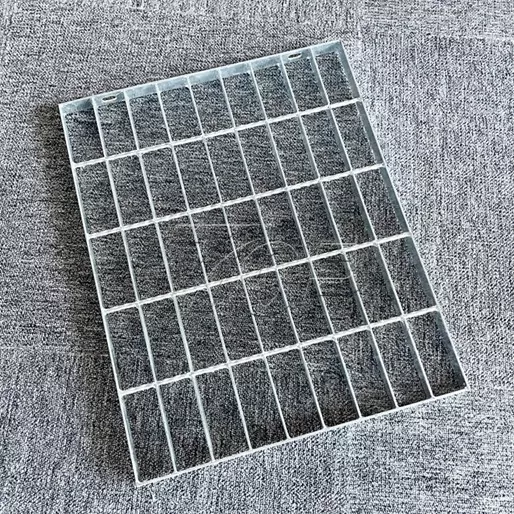
To address these risks, industrial maintenance walkways commonly adopt perforated metal surfaces, embossed textures, or composite anti-slip coatings. Each solution offers different performance advantages depending on environmental conditions and maintenance frequency.
Perforated designs, for example, improve drainage efficiency and reduce water accumulation, while embossed metal surfaces provide higher friction under dry conditions. EPC engineers must select surface systems based on site-specific risk profiles rather than cost alone.
Roof Drainage and Water Management Integration
Water accumulation is one of the most underestimated risks in rooftop walkway design. Poor drainage can lead to corrosion acceleration, slip hazards, and long-term degradation of both walkway and roof membrane systems.
In advanced EPC designs, walkway systems are integrated with roof drainage planning to ensure that water flows freely across the surface without pooling beneath structural components.
This integration is essential not only for safety but also for maintaining the long-term waterproof integrity of industrial roofing systems. In this context, solar walkway compliance includes drainage compatibility as a key engineering requirement.
Integration of Maintenance Walkways with Solar PV Systems
Optimized Walkway Positioning in PV Array Layout Design
In industrial solar rooftop projects, PV modules are typically arranged in high-density arrays to maximize energy output per square meter. However, without proper planning, this high-density layout can obstruct access for inspection and maintenance.
Maintenance walkways solve this issue by creating structured access corridors within PV layouts. These corridors must be strategically positioned to balance accessibility, energy yield, and structural safety.
Incorrect placement can lead to shading losses, reduced system efficiency, or unsafe maintenance conditions. Therefore, walkway positioning is typically determined during early-stage EPC engineering design, rather than after PV layout finalization.
Compatibility with PV Mounting Systems
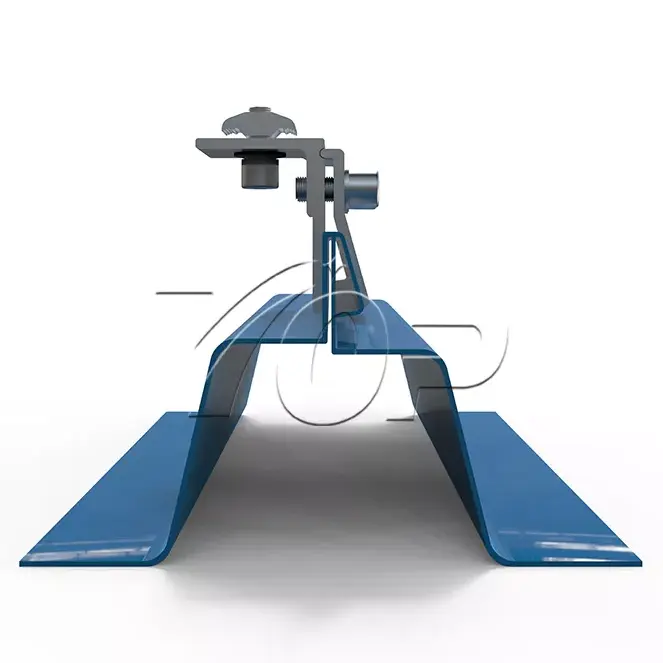
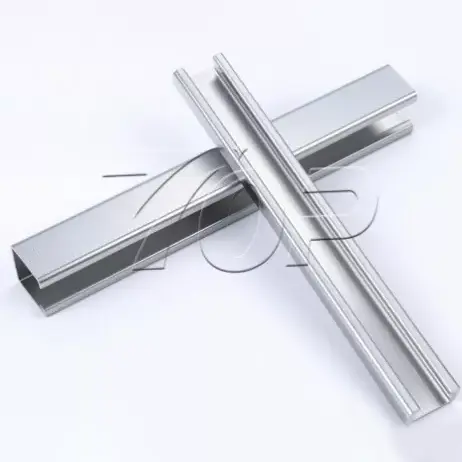
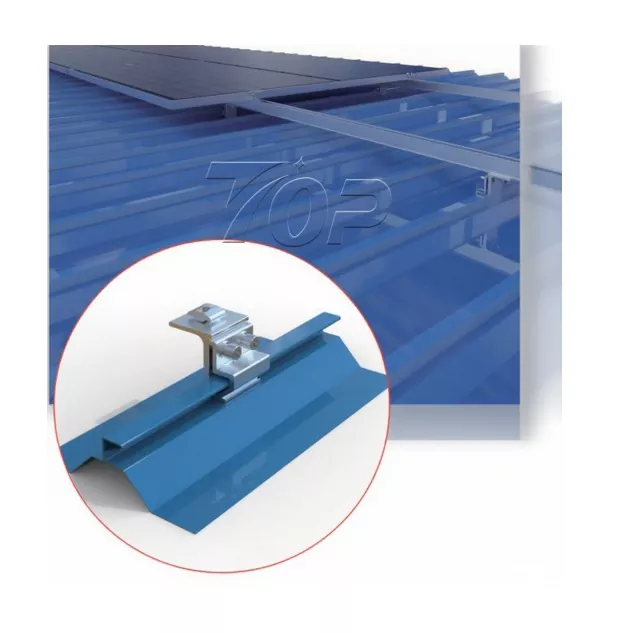
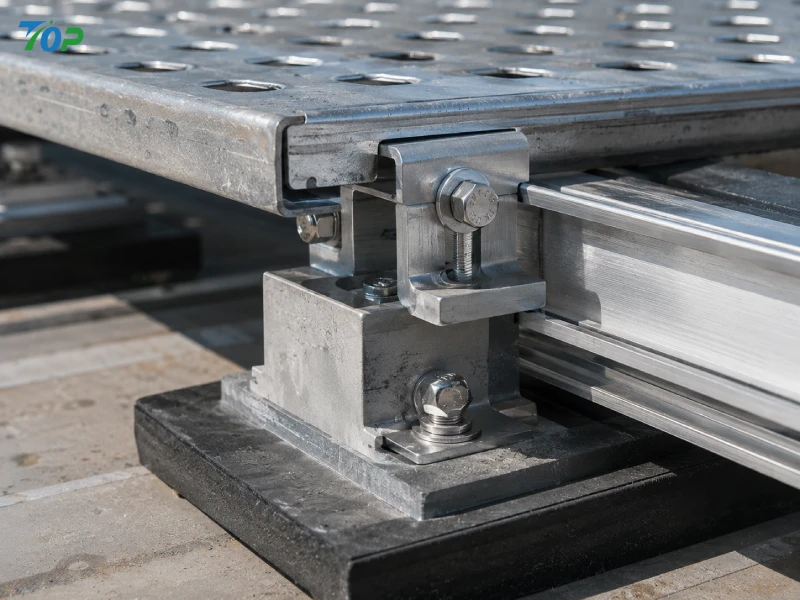
Industrial maintenance walkways must integrate seamlessly with photovoltaic mounting structures. This includes compatibility with rail-based systems, ballast-supported installations, and non-penetration rooftop mounting solutions.
Engineering coordination between walkway systems and PV mounting rails is essential to prevent structural conflicts and ensure uniform load distribution across the rooftop surface.
In high-quality EPC projects, walkway systems are designed as modular components that align with PV mounting grid structures, ensuring consistency across large installation areas.
Waterproof Protection Strategy in Industrial Rooftop Systems
One of the most critical engineering challenges in rooftop PV projects is maintaining waterproof integrity while installing additional structural systems. Maintenance walkways must be installed without compromising the roof membrane or causing long-term leakage risks.
To achieve this, non-penetration installation methods are widely used in industrial applications. These systems rely on distributed load pads, EPDM isolation layers, and mechanical clamping structures instead of direct roof penetration.
This approach significantly reduces waterproofing risk and is considered a core requirement in modern solar walkway compliance frameworks for industrial EPC projects.
EPC Installation Efficiency and Standardization Strategy
Modular Walkway Systems for Industrial Solar Projects
Modular walkway systems are increasingly adopted in EPC solar projects due to their ability to improve installation speed, reduce labor dependency, and ensure consistent engineering quality across multiple rooftops.
Prefabricated components allow installers to assemble systems directly on-site with minimal customization, reducing both installation time and error rates.
This modular approach is especially valuable in large-scale industrial deployments, where multiple buildings or factory zones must be equipped with standardized maintenance infrastructure.
Reducing Installation Risk in Large EPC Projects
Installation errors are one of the most common causes of structural failure in rooftop walkway systems. These errors often result from inconsistent on-site fabrication, poor alignment with PV layouts, or incorrect load distribution assumptions.
Standardized walkway systems significantly reduce these risks by providing pre-engineered components with defined load ratings and installation protocols.
For EPC contractors, this translates into lower rework costs, fewer inspection failures, and improved project delivery timelines.
Coordination Between EPC and Structural Engineering Teams
Effective walkway integration requires early-stage collaboration between EPC contractors, structural engineers, and roofing system designers. Delayed coordination often leads to redesign work, cost overruns, or compliance issues during inspection phases.
In high-performance EPC projects, maintenance walkway planning is integrated into the initial roof structural design phase, ensuring full compatibility with PV system layout, drainage planning, and load distribution modeling.
Common Engineering Failures in Industrial Walkway Systems
Incorrect Load Distribution on Weak Roof Structures
One of the most serious engineering failures occurs when walkway loads are not properly distributed across structural support points. This can result in localized roof deformation or long-term structural fatigue.
Ignoring Thermal Expansion in Metal Systems
Metal walkway systems expand and contract under temperature variations. If thermal expansion is not considered during design, structural stress may accumulate at connection points, leading to deformation or joint failure over time.
Poor Integration with PV Maintenance Routes
Walkways that are not aligned with PV maintenance pathways create operational inefficiencies, forcing technicians to step on modules or bypass safe access routes. This increases both safety risks and system degradation potential.
Using Non-Industrial Grade Materials
The use of low-grade materials is a frequent cause of premature system failure in industrial rooftop environments. Corrosion, structural weakening, and surface degradation can occur rapidly when materials are not suitable for industrial exposure conditions.
High-quality EPC projects consistently specify SUS304 or equivalent-grade materials to ensure long-term structural stability and compliance with solar walkway compliance expectations.
Compliance Documentation and EPC Project Approval Requirements
Engineering Drawings and Load Calculation Reports in Solar Walkway Projects
In industrial EPC solar projects, compliance documentation is not optional—it is a mandatory component of project approval, especially for factory rooftop installations involving structural modifications or additional load-bearing systems such as maintenance walkways.
Engineering drawings typically include structural layout plans, load distribution calculations, connection detailing, and integration diagrams with photovoltaic systems. These documents are used by structural engineers and third-party inspectors to validate system safety and compliance with project specifications.
Load calculation reports are particularly important in solar walkway compliance validation, as they demonstrate that the walkway system can safely support maintenance personnel and equipment without compromising roof integrity.
Material Certification Requirements (SUS304 and Structural Validation)
Material traceability is a critical requirement in industrial procurement. EPC contractors and distributors typically require mill certificates, material grade verification (such as SUS304 stainless steel certification), and corrosion resistance validation reports.
These documents ensure that the installed system matches the engineered specification and meets long-term durability expectations in industrial environments such as coastal factories, logistics hubs, and chemical production facilities.
TÜV and Third-Party Testing in EPC Tendering
In international EPC bidding processes, third-party certification such as TÜV testing reports is often required to validate structural safety, material performance, and system durability.
While certification requirements vary by region and project type, independently verified testing results significantly improve contractor credibility and increase the likelihood of winning large-scale industrial solar contracts.
For distributors and wholesalers, certified systems also reduce procurement risk and simplify downstream project approval processes.
Why Compliance-Grade Walkway Systems Improve EPC Profitability
From a commercial EPC perspective, maintenance walkway systems are not just safety infrastructure—they directly influence project profitability through cost efficiency, risk reduction, and operational performance.
Reduced Installation Time and Labor Costs
Standardized modular walkway systems reduce on-site fabrication requirements, allowing EPC contractors to shorten installation timelines and reduce skilled labor dependency. This directly lowers overall project execution cost.
Lower Warranty and After-Sales Risk
Properly engineered walkway systems reduce the likelihood of roof damage, leakage issues, and structural failures, which in turn lowers warranty claims and long-term maintenance liabilities.
Higher Project Win Rate in Competitive EPC Bidding
In competitive EPC tender environments, compliance-ready system design and documentation significantly improve technical scoring. Projects with clear solar walkway compliance documentation are more likely to pass technical evaluation stages.
Improved Long-Term O&M Efficiency
Well-designed maintenance walkways enable safer and faster inspection cycles, reducing downtime for photovoltaic systems and improving overall energy yield stability across system lifespan.
How TopFenceSolar Engineering Walkway Systems Support EPC Projects
TopFenceSolar provides engineering-oriented maintenance walkway systems designed specifically for industrial rooftop solar applications. The system architecture focuses on compliance alignment, structural reliability, and EPC installation efficiency.
Industrial-Grade Modular Design for EPC Efficiency
The modular structure allows fast installation across large rooftop areas, minimizing on-site customization and ensuring consistent engineering quality across multiple project zones.
Material Options for Different Industrial Environments
Systems are available in SUS304 stainless steel and high-strength aluminum alloy configurations, allowing EPC contractors to select appropriate solutions based on corrosion exposure, load requirements, and budget constraints.
Non-Penetration Waterproof Integration Design
To protect roof integrity, the walkway systems are designed to support non-penetration installation methods using distributed load pads and EPDM isolation layers. This significantly reduces waterproofing risks in industrial roofing systems.
Compatibility with Large-Scale PV Layout Engineering
The system is engineered to integrate with mainstream photovoltaic mounting structures, ensuring compatibility with rail-based and ballast-supported PV layouts used in industrial rooftop projects.
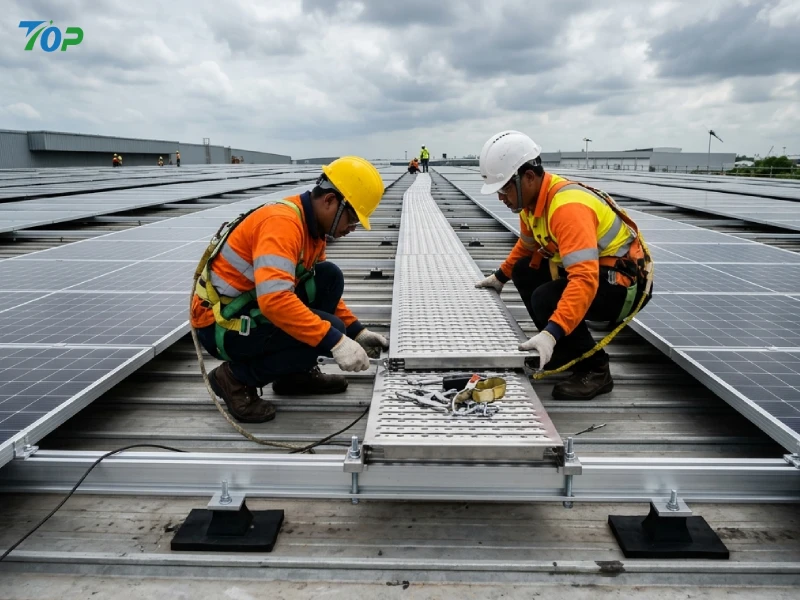
Final Engineering Perspective: Compliance as a Core Design Principle in Industrial Solar Walkways
Industrial maintenance walkways should not be treated as secondary rooftop accessories. In modern EPC solar engineering, they are a fundamental part of structural safety design, directly influencing system reliability, operational efficiency, and long-term maintenance performance.
As photovoltaic deployment continues to expand across industrial facilities, solar walkway compliance will remain a critical evaluation factor in engineering approval, procurement decisions, and EPC contractor selection processes.
Projects that integrate compliance considerations early in the design phase consistently achieve better installation efficiency, lower lifecycle cost, and higher operational safety performance.
Solar Walkway Compliance for Industrial Rooftop PV Systems
Proper solar walkway compliance is a critical requirement for industrial rooftop photovoltaic systems, ensuring safe maintenance access, structural reliability, and long-term operational stability. Improper walkway design can lead to safety hazards, waterproofing failure, and increased lifecycle maintenance costs in EPC projects.
TOPFENCE provides engineered industrial maintenance walkway systems for EPC contractors, solar installers, and distributors. Our systems use SUS304 stainless steel or aluminum alloy structures designed for corrosion resistance, load-bearing stability, and seamless integration with photovoltaic mounting systems.
From modular walkway layouts to non-penetration rooftop installation solutions, we support engineering teams in improving installation efficiency, reducing structural risks, and optimizing ROI across industrial solar rooftop projects.
Request Engineering Support & EPC Project Quotation
Frequently Asked Questions About Solar Walkway Compliance for Industrial Rooftop PV Systems
1. What is solar walkway compliance in industrial rooftop PV projects?
Solar walkway compliance refers to the engineering and safety requirements for designing maintenance access systems in industrial rooftop photovoltaic installations. It ensures structural safety, anti-slip performance, waterproof protection, and compatibility with PV mounting systems used in EPC projects.
2. Why are maintenance walkways required in industrial solar installations?
Maintenance walkways are required to provide safe access for inspection, cleaning, and repair of photovoltaic systems. Without proper walkways, technicians may step on PV modules or roofing materials, increasing safety risks and potential system damage.
3. What materials are commonly used in industrial solar walkway systems?
The most common materials include SUS304 stainless steel and aluminum alloy. SUS304 is preferred for high-corrosion environments such as coastal or chemical plants, while aluminum alloy is used for lightweight rooftop structures where load reduction is important.
4. How does walkway design affect EPC installation efficiency?
Properly designed modular walkway systems significantly improve EPC installation efficiency by reducing on-site fabrication, standardizing assembly processes, and minimizing installation errors. This leads to shorter project timelines and lower labor costs.
5. What are the main risks of non-compliant solar walkway design?
Non-compliant walkway systems can lead to roof waterproof failure, uneven load distribution, corrosion damage, and increased safety risks for maintenance personnel. In severe cases, it may also result in project inspection failure or insurance issues.
6. How is solar walkway compliance verified in EPC projects?
Compliance is typically verified through engineering drawings, load calculation reports, material certification (such as SUS304 verification), and third-party testing reports like TÜV certification depending on project requirements.
7. Can maintenance walkways be installed without penetrating the roof?
Yes, many industrial solar walkway systems use non-penetration installation methods. These include ballast-based systems and EPDM isolation pads to distribute load evenly and protect the waterproof roof membrane.
8. How do maintenance walkways impact long-term O&M costs in solar projects?
Properly designed walkways reduce maintenance difficulty, shorten inspection time, and minimize risk of PV module damage. This directly lowers long-term O&M costs and improves system reliability over the lifecycle of the solar installation.
Related News
- The Global EPC Sourcing Checklist: Managing Lead Times and Logistics for Solar Mounting Systems
- BIPV & Commercial Rooftops: Solving Waterproofing and Structural Integrity Challenges in Urban Solar
- Navigating Solar Certifications: Why UL 2703 and International Standards Matter for Project Bankability
- Maximizing Yield with Bifacial Modules: How to Select the Optimal Tracker for Enhanced Energy Output
- Wind Load and Coastal Engineering: Ensuring Your Ground-Mounted Solar Array Survives Extreme Weather
- Aluminum vs. Galvanized Steel: Choosing the Right Solar Mounting Structure for High-Corrosivity Environments
Leave me a message