Solar Fence Wind Tunnel Testing: Engineering Validation for Structural Stability
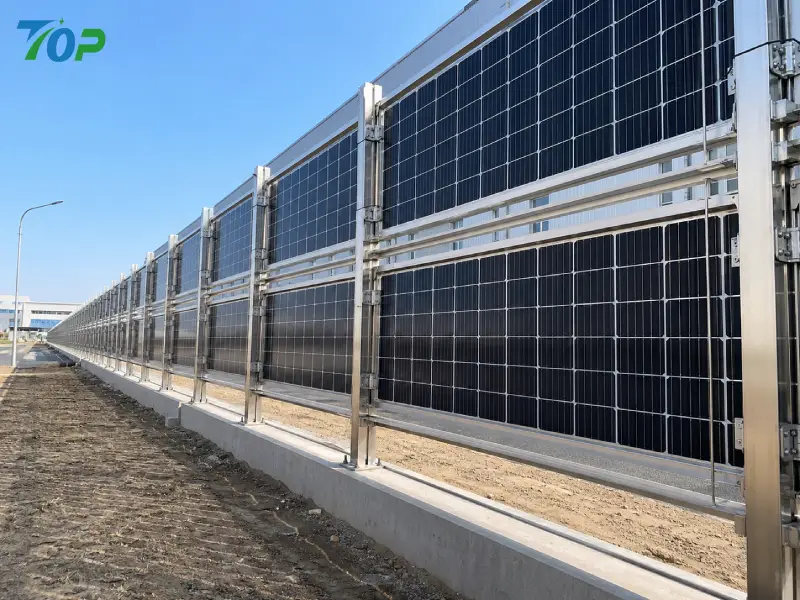
Solar fence systems are becoming an important solution for integrating renewable energy generation with perimeter protection infrastructure. As solar installations move into industrial facilities, commercial sites, logistics parks, and utility projects, engineering reliability has become a key evaluation factor. Solar fence wind tunnel testing provides a scientific method to analyze aerodynamic behavior, structural response, and long-term stability before large-scale deployment.
For EPC contractors, solar installers, and photovoltaic distributors, selecting a reliable solar fencing solution is not only about energy output. It is also about ensuring that the mounting structure can withstand environmental loads, simplify installation processes, and reduce future maintenance risks.
This technical white paper explains how wind loads affect photovoltaic fence structures, why wind tunnel validation matters, and how engineering-focused design improves the overall reliability of solar fence systems.
Why Wind Resistance Has Become a Critical Factor in Solar Fence Engineering
Traditional fencing systems were mainly designed for physical protection. However, photovoltaic fences have introduced additional engineering requirements because solar modules change the aerodynamic characteristics of the structure.
Unlike conventional metal fences, PV fence systems include solar panels, mounting rails, clamps, and supporting posts. These components create additional surface exposure to wind forces. When wind passes through or around the structure, pressure differences can generate significant loads that must be transferred safely through the entire mounting system.
A professionally designed solar fence system must consider the complete structural chain:
- Solar panel surface loading
- Connection strength between modules and mounting rails
- Load transfer through posts and foundations
- Material durability under outdoor conditions
- Installation accuracy during project execution
For EPC companies, structural reliability directly affects project performance. A stable design helps reduce unexpected onsite adjustments, improves installation efficiency, and lowers the possibility of after-sales issues caused by structural movement or component failure.
Understanding Wind Loads on Photovoltaic Fence Structures
Wind load is one of the most important environmental factors considered in photovoltaic structure engineering. The force created by wind depends on multiple variables, including wind speed, air density, structure geometry, installation height, and local environmental conditions.
How Wind Pressure Acts on Solar Fence Systems
When wind reaches a solar fence structure, pressure is distributed across different areas of the system. The front surface of the solar module experiences direct wind pressure, while the rear side may experience suction effects depending on airflow conditions.
These forces create different stress points throughout the structure. The highest loads are often concentrated around:
- Module mounting points
- Rail connections
- Fastening components
- Vertical support posts
- Foundation connection areas
A complete solar fence wind load calculation evaluates how these forces move through the structure. The goal is not only to understand maximum pressure but also to ensure that each component works together as a stable engineering system.
Poorly designed structures may experience problems such as excessive deformation, loose connections, or reduced service life. Therefore, wind-resistant design must be considered from the initial engineering stage rather than after installation.
Key Factors Influencing Photovoltaic Fence Structural Stability
The structural performance of a solar fence depends on several interconnected factors. A reliable system requires balanced design between materials, geometry, and installation conditions.
1. Solar Module Arrangement and Surface Exposure
Solar panels determine how wind interacts with the fence. Larger exposed surfaces can create higher aerodynamic forces, especially in open areas where airflow is less restricted.
Engineers must evaluate module orientation, spacing, and installation configuration to ensure the structure can handle expected environmental loads.
2. Mounting Structure Design
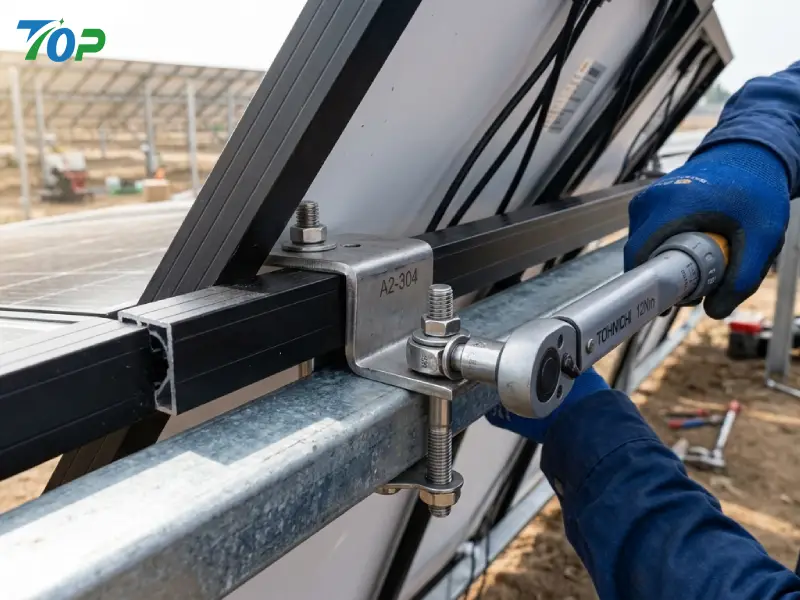
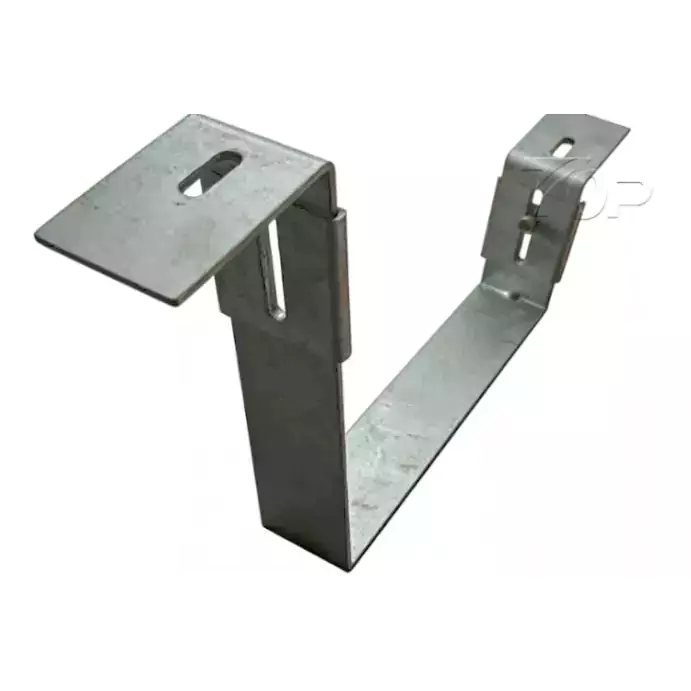
The mounting structure acts as the load-bearing framework of the solar fence. Rails, clamps, and support profiles must distribute forces evenly and maintain mechanical stability throughout the system lifecycle.
A properly engineered solar mounting structure improves reliability by reducing stress concentration and helping prevent localized failures.
3. Foundation and Ground Connection
The Role of Wind Tunnel Testing in Solar Fence Structural Validation
For photovoltaic fence systems, wind performance is not only a theoretical calculation issue but also a structural validation challenge. Because solar fences combine large exposed photovoltaic surfaces with lightweight mounting structures, airflow interaction can significantly influence mechanical performance.
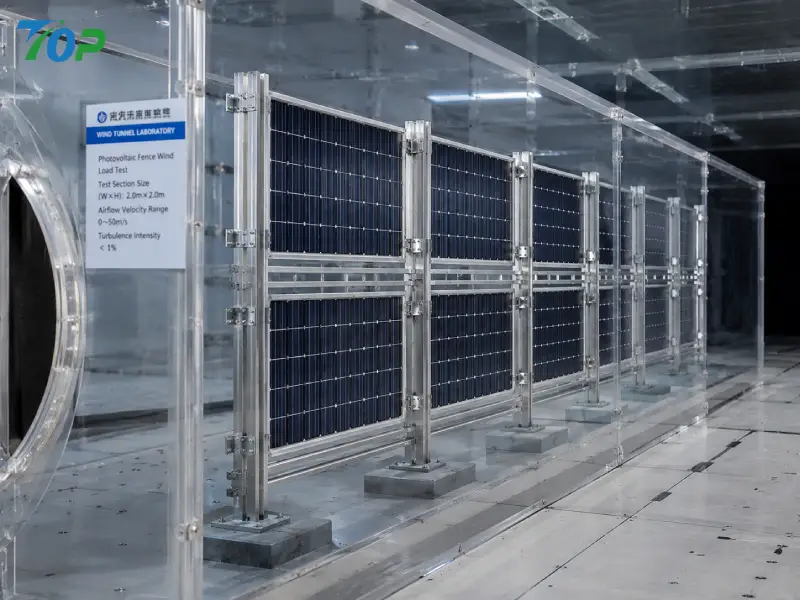
Solar fence wind tunnel testing provides an engineering method to evaluate how real airflow conditions affect the complete PV fence system before large-scale deployment. Instead of relying only on simplified calculations, wind tunnel testing allows engineers to observe aerodynamic behavior, measure wind pressure distribution, and identify critical structural loading areas.
Why Traditional Wind Load Calculation Is Not Always Enough
Traditional wind load calculation is an important foundation for photovoltaic structure design. It provides estimated environmental loads based on regional wind conditions and structural parameters.
However, solar fence systems have unique aerodynamic characteristics that can create complex airflow behavior.
Unlike closed building structures, photovoltaic fences are typically open structures where wind can pass around, between, and behind solar modules. This airflow interaction may create uneven pressure distribution across different areas of the fence.
Several factors can influence the actual wind response of a solar fence system:
- Vertical module orientation
- Panel spacing and airflow gaps
- Fence height and exposed area
- Wind direction relative to the fence layout
- Surrounding buildings or landscape conditions
Therefore, engineering validation through wind testing helps bridge the gap between theoretical design assumptions and real-world aerodynamic behavior.
Aerodynamic Behavior of Vertical Photovoltaic Fence Structures
Most solar fence applications use vertically mounted photovoltaic modules, creating different airflow characteristics compared with conventional rooftop solar systems.
When wind reaches the front surface of a photovoltaic module, direct wind pressure is generated. At the same time, airflow passing around the edges and rear side of the panel may create suction effects.
The combined pressure difference produces aerodynamic loads that transfer through the entire structural system.
The load path can be described as:
- Wind force acting on photovoltaic module surfaces
- Pressure transferred through module clamps
- Mechanical loads distributed through mounting rails
- Forces transmitted into support posts
- Loads transferred into foundations
Understanding this load path is essential because failure risks often occur at connection points rather than the main structural members.
Key Aerodynamic Factors Evaluated During Wind Tunnel Testing
A professional wind tunnel evaluation focuses on how airflow interacts with the solar fence structure and where additional design optimization may be required.
Important evaluation factors include:
- Wind Pressure Coefficient (Cp): Engineers analyze how wind pressure changes across different surfaces of the photovoltaic modules to identify high-load regions.
- Edge Loading Effects: The outer edges of solar fence arrays may experience different aerodynamic forces compared with internal sections because airflow is less restricted.
- Turbulence Influence: Nearby buildings, trees, or industrial structures may create irregular airflow conditions that affect structural response.
- Panel Gap Aerodynamics: Spacing between photovoltaic modules can influence airflow speed and pressure redistribution.
- Connection Load Distribution: Engineers evaluate how aerodynamic forces transfer through clamps, rails, and support structures.
Wind Tunnel Testing Methodology for Solar Fence Systems
A complete wind tunnel testing process involves multiple engineering stages, from physical model preparation to structural response evaluation. The objective is not only to observe wind behavior but also to improve the final solar fence design.
Stage 1: Solar Fence Physical Model Preparation
The first step is creating a representative test model that accurately reflects the important characteristics of the real photovoltaic fence system.
The model includes critical structural elements such as:
- Photovoltaic modules
- Aluminum or stainless steel mounting rails
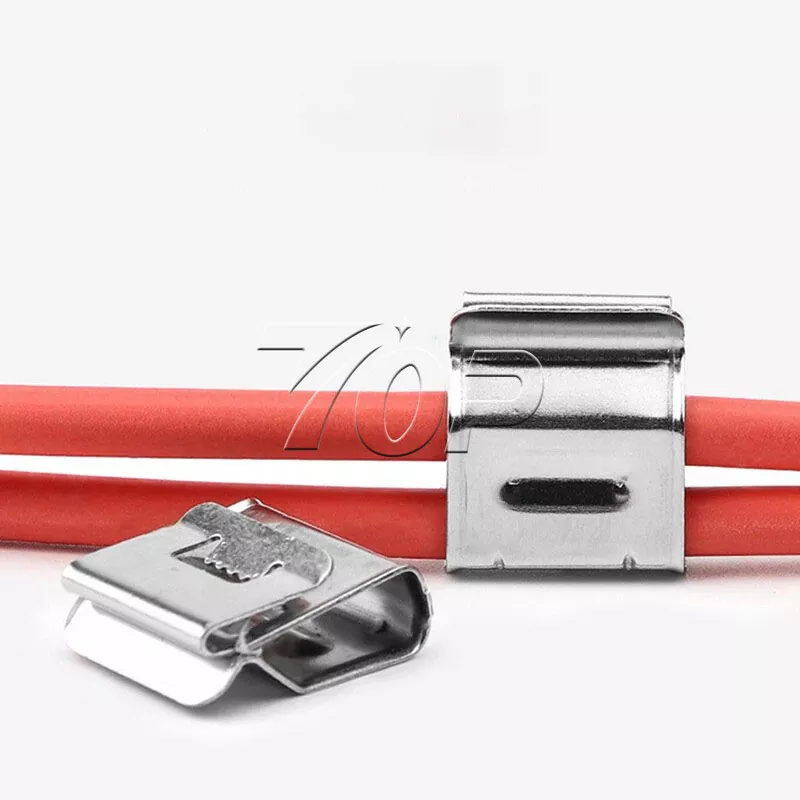
- Module clamps
- Vertical support posts
- Foundation connection representation
Engineers consider geometric similarity, structural configuration, and installation layout to ensure the model reflects actual project conditions.
Stage 2: Wind Environment Simulation and Airflow Testing
During testing, controlled airflow is generated to simulate different wind conditions that may occur during real project operation.
Engineers evaluate multiple wind directions because solar fences can experience different loading conditions depending on their orientation relative to prevailing winds.
Testing focuses on:
- Pressure distribution across modules
- Airflow patterns around panel gaps
- Changes in aerodynamic loading
- Areas with increased structural stress
Stage 3: Structural Response Measurement
After airflow testing, engineers analyze how the solar fence structure responds to aerodynamic forces.
Key observations include:
- Structural displacement
- Connection behavior
- Stress concentration areas
- Overall stability performance
The purpose is to verify that the structure maintains mechanical reliability under expected environmental conditions.
Stage 4: Engineering Optimization Based on Test Results
Wind tunnel testing is not only a validation process but also a design optimization tool.
Based on test findings, engineers may improve:
- Mounting rail configuration
- Clamp positioning
- Support post spacing
- Structural reinforcement
- Foundation design approach
This engineering process helps create solar fence systems with better wind resistance, improved installation confidence, and more predictable long-term performance.
Even with strong above-ground components, foundation design remains essential. Wind forces ultimately transfer into the ground through posts or anchoring systems.
Soil conditions, installation depth, and project environment should always be considered when evaluating structural performance.
Engineering-Based Solar Fence Design for Long-Term Reliability
A reliable solar fence system is the result of combining aerodynamic analysis, material selection, structural engineering, and manufacturing quality control.
For professional suppliers such as TopFenceSolar, engineering performance is considered throughout the product development process, helping EPC partners receive solutions designed for real-world installation environments.